

The European market potential for wellness tourism
The European wellness tourism market offers strong opportunities for tourism businesses in low- and middle-income countries (LMICs). Demand for wellness travel is growing. More and more European travellers are seeking holidays that improve their physical and mental wellbeing. Nature-based experiences, healthy lifestyles, sustainability and authentic local culture are shaping the future of the wellness tourism market.
Contents of this page
1. Product description: wellness tourism
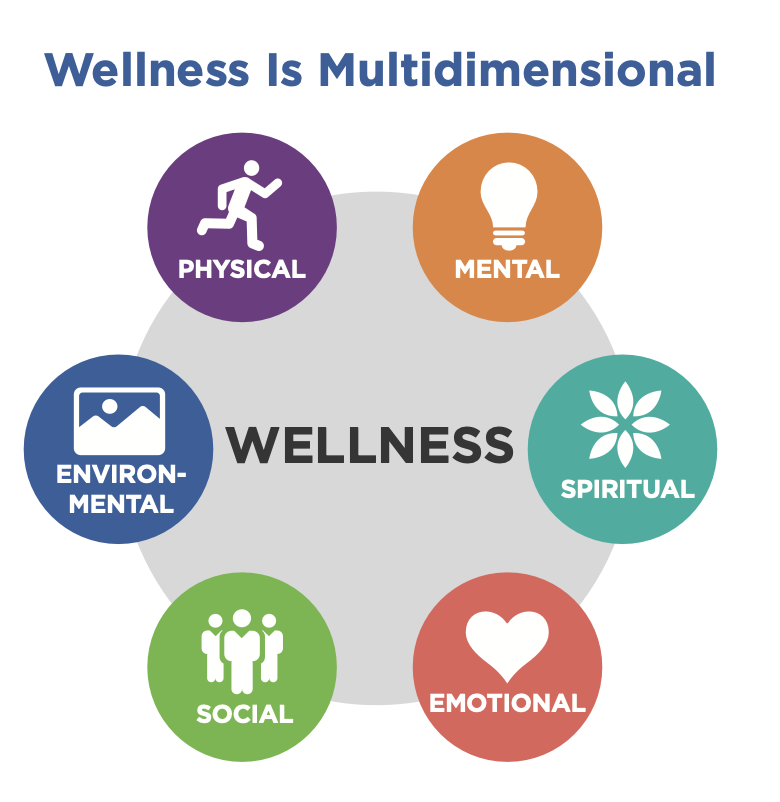
Wellness tourism is travel that helps people improve or maintain their physical, mental, emotional, spiritual or social wellbeing. Wellness tourism has traditionally been associated with spas and relaxation. However, today’s wellness travellers look for a much wider range of experiences.
Many travellers use wellness holidays to reduce stress, improve fitness, reconnect with nature, sleep better, adopt healthier lifestyles and escape busy daily routines. Wellness tourism includes everything from yoga retreats to nature-based experiences.
Figure 1: Dimensions of wellness
Source: GWI, Global Wellness Economy Monitor, 2025
The table below provides examples of common wellness tourism products and the dimensions of wellbeing they support.
Table 1: Examples of wellness tourism products and which dimensions they support
| Wellness tourism products | Examples of actual products in LMICs | Dimensions of wellbeing supported |
|---|---|---|
| Spa and wellness treatments |
| Physical, mental and emotional wellbeing |
| Yoga and mindfulness |
| Physical, mental, emotional and spiritual wellbeing |
| Medical wellness and longevity |
| Physical and mental wellbeing |
| Nature-based wellness |
| Physical, mental, emotional and environmental wellbeing |
| Fitness and active wellness |
| Physical and mental wellbeing |
| Healthy food and nutrition |
| Physical and social wellbeing |
| Traditional and holistic wellness |
| Physical, emotional, spiritual and social wellbeing |
Source: Acorn Tourism Consulting, 2026
Many tourism businesses already offer products that contribute to visitor wellbeing. They do this even if they do not market themselves as wellness tourism providers. Nature-based tourism, adventure tourism, community-based tourism, cultural experiences and healthy local cuisine can all form part of a wellness tourism offer. This creates opportunities for suppliers in LMICs to attract wellness travellers without having to develop dedicated wellness resorts or retreat programmes.
End market segmentation
Wellness travellers are not a single market segment. They have different motivations and spending patterns. Wellbeing does not play the same role in all wellness travellers’ decisions. Understanding these differences can help tourism businesses develop suitable products and identify the most relevant market opportunities.
Primary and secondary wellness trips
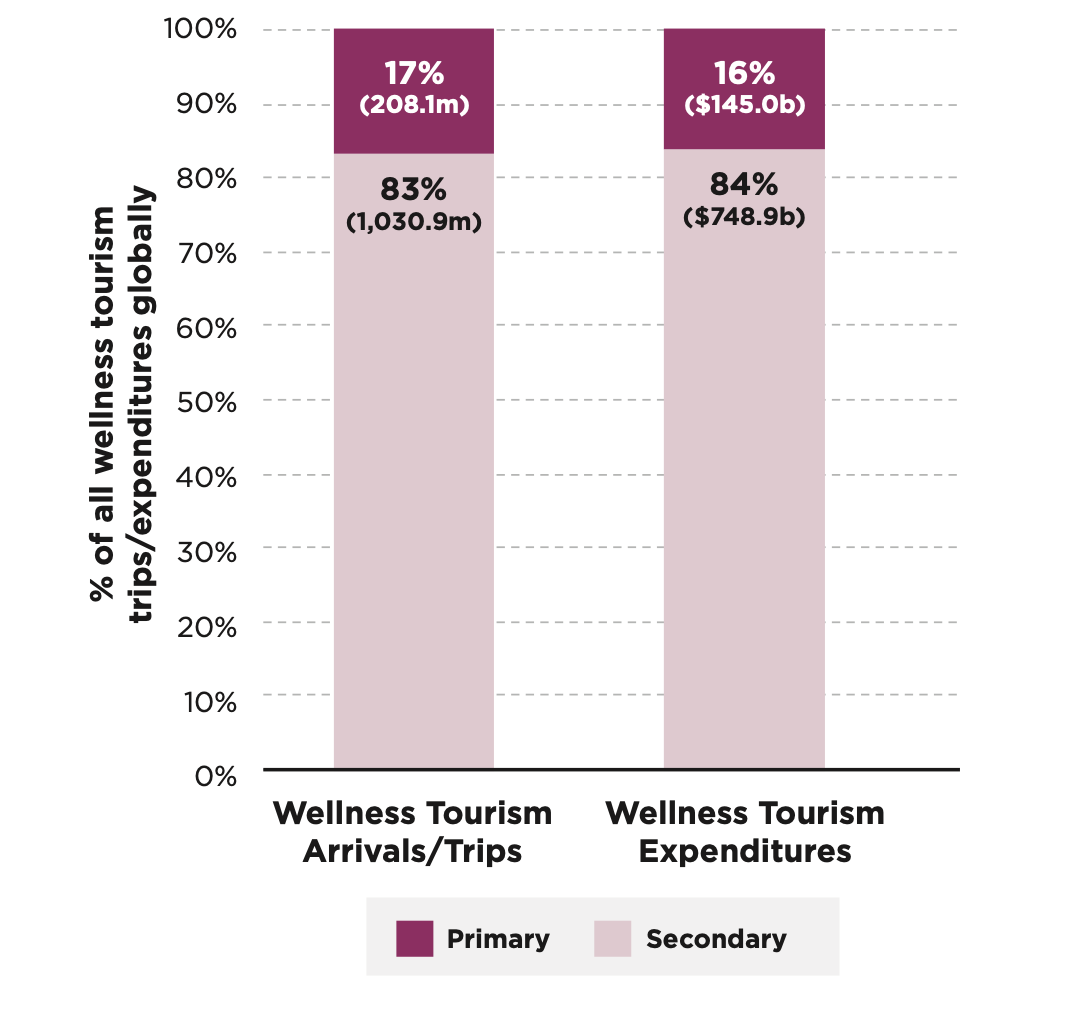
Wellness tourism includes both primary and secondary wellness trips. In primary wellness trips, wellness is the main purpose of travel. In secondary wellness trips, wellness activities are part of a wider holiday or business trip. You can see in the chart below that secondary wellness tourism accounts for almost 85% of the market, in terms of both trips and expenditure.
Figure 2: Breakdown of Wellness Trips: Primary Versus Secondary (2024)
Source: GWI, Global Wellness Economy Monitor, 2025
As such, it is clear that the greatest potential lies in secondary wellness tourism. It shows that most wellness tourism is not made up of dedicated spa or retreat holidays. Instead, travellersmake wellness activities part of broader leisure trips more and more often. Primary and secondary wellness travellers are also motivated differently, as explained below.
Table 2: Primary and secondary wellness travellers
| Type | Primary wellness traveller | Secondary wellness traveller |
|---|---|---|
| Description | Wellness is the main purpose of travel. They choose a destination, accommodation or programme for its wellbeing benefits. | Wellness activities enhance a wider holiday experience for secondary wellness travellers, but they are not the main reason for travel. |
| Typical traveller goal | Improve health, reduce stress, improve sleep, increase fitness, support healthy ageing. | Relax, recharge, connect with nature and enjoy healthy experiences while on holiday. |
| Examples |
|
|
Source: Global Wellness Institute/ Acorn Tourism Consulting, 2026
Domestic and international wellness travel
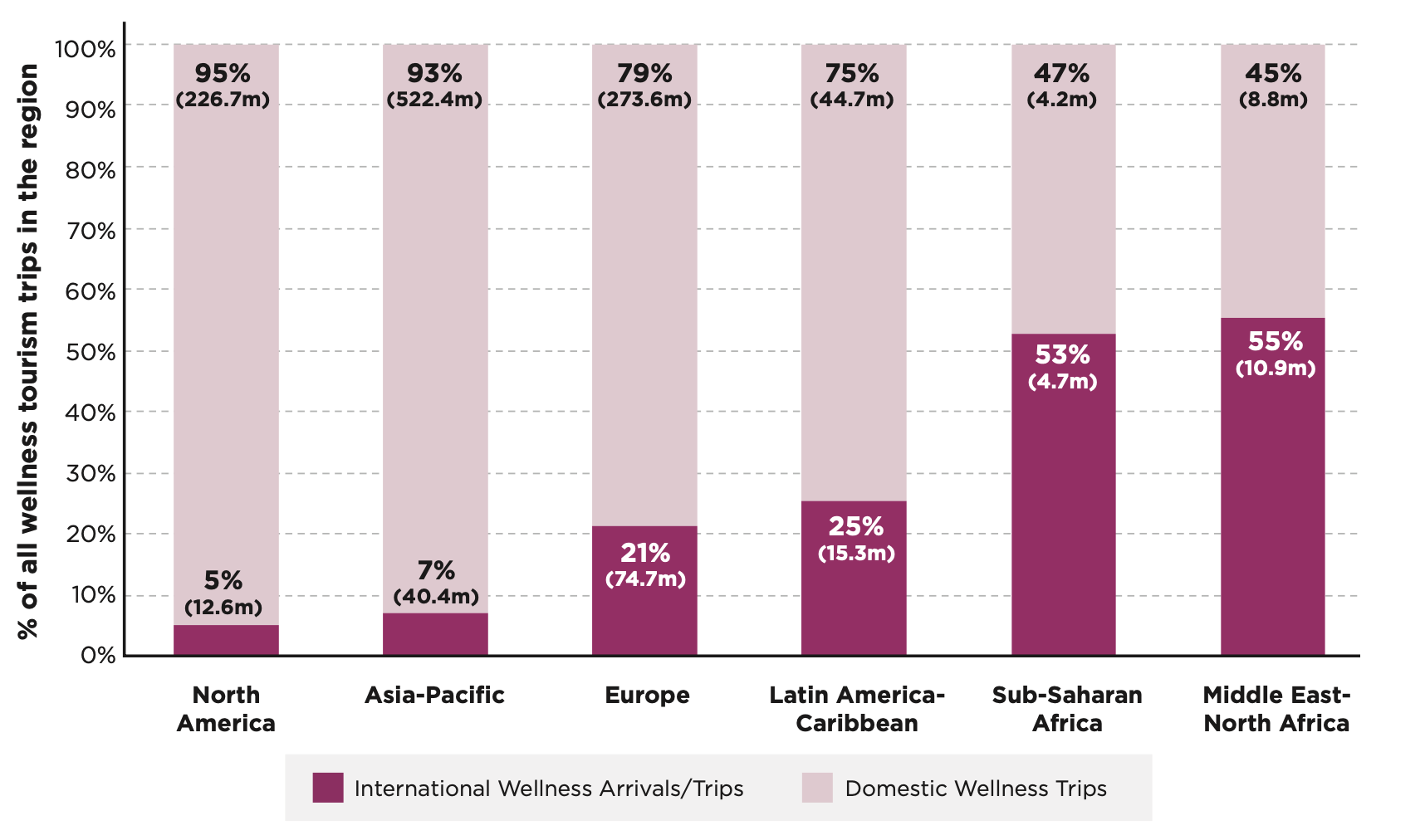
Wellness tourism is segmented into domestic and international travel. Globally, domestic wellness tourism is much larger. It accounted for 87% of wellness trips in 2024. International wellness trips accounted for 13%. It is interesting that LATAM, Africa and MEA rely on more international wellness arrivals than Europe and North America.
Figure 3: Breakdown of wellness trips: international versus domestic, 2024
Source: GWI, Global Wellness Economy Monitor, 2025
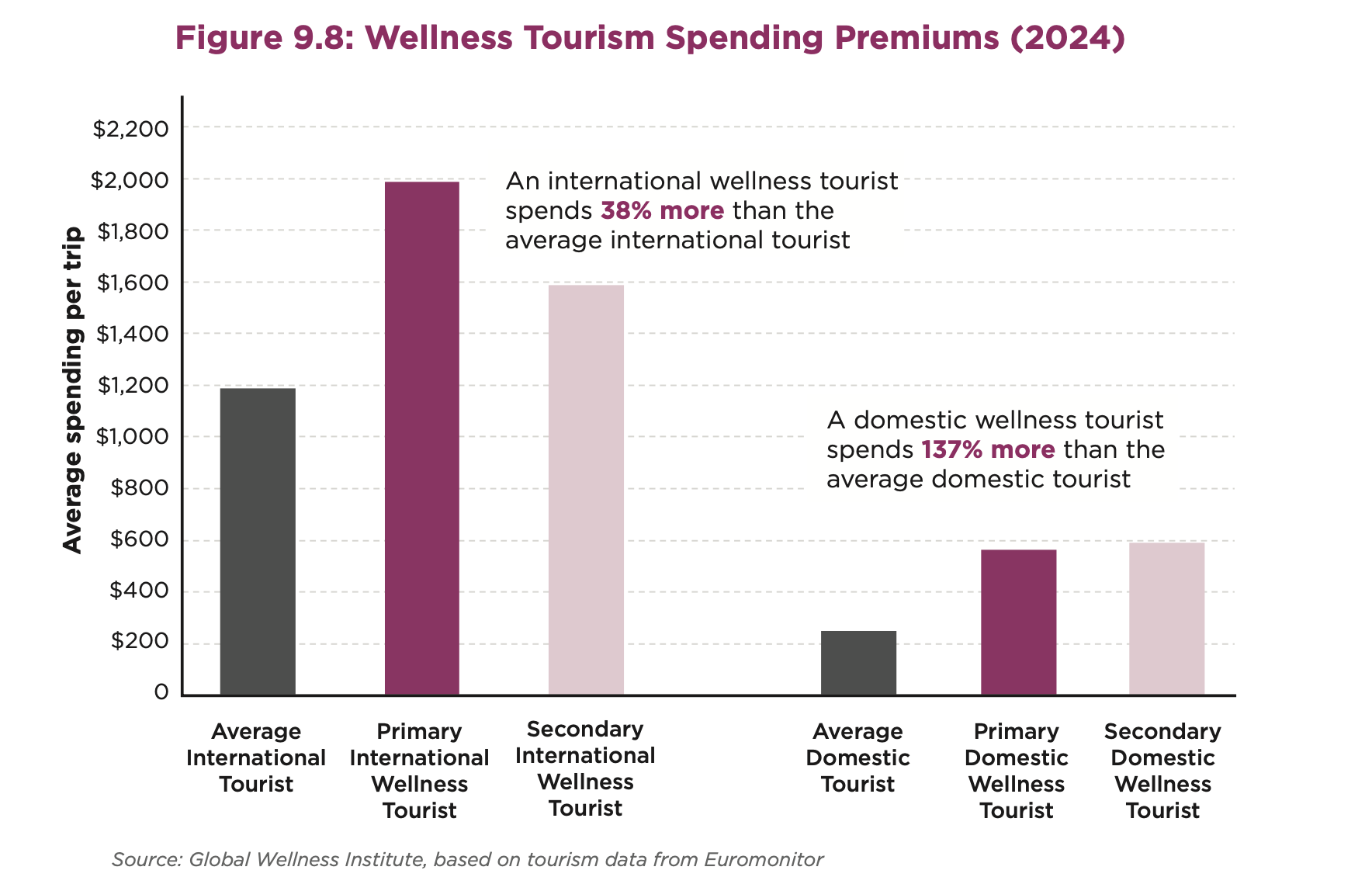
The industry should not ignore domestic tourism. It can provide a more stable market and support year-round demand. It can also help businesses test and refine wellness products before targeting international visitors. Despite this, international wellness travellers are still important because they tend to spend more per trip. GWI estimates that international wellness tourists spend 38% more per trip than the average international tourist. Domestic wellness tourists spend 137% more per trip than the average domestic tourist.
Figure 4: Wellness tourism spending premiums, 2024
Source: GWI, Global Wellness Economy Monitor, 2025
Affluent wellness travellers
Wellness tourism can also be segmented by traveller profile and spending power. Affluent (wealthy) travellers are an important target market. They are more likely to purchase premium wellness products and are willing to spend more on health and wellbeing experiences.
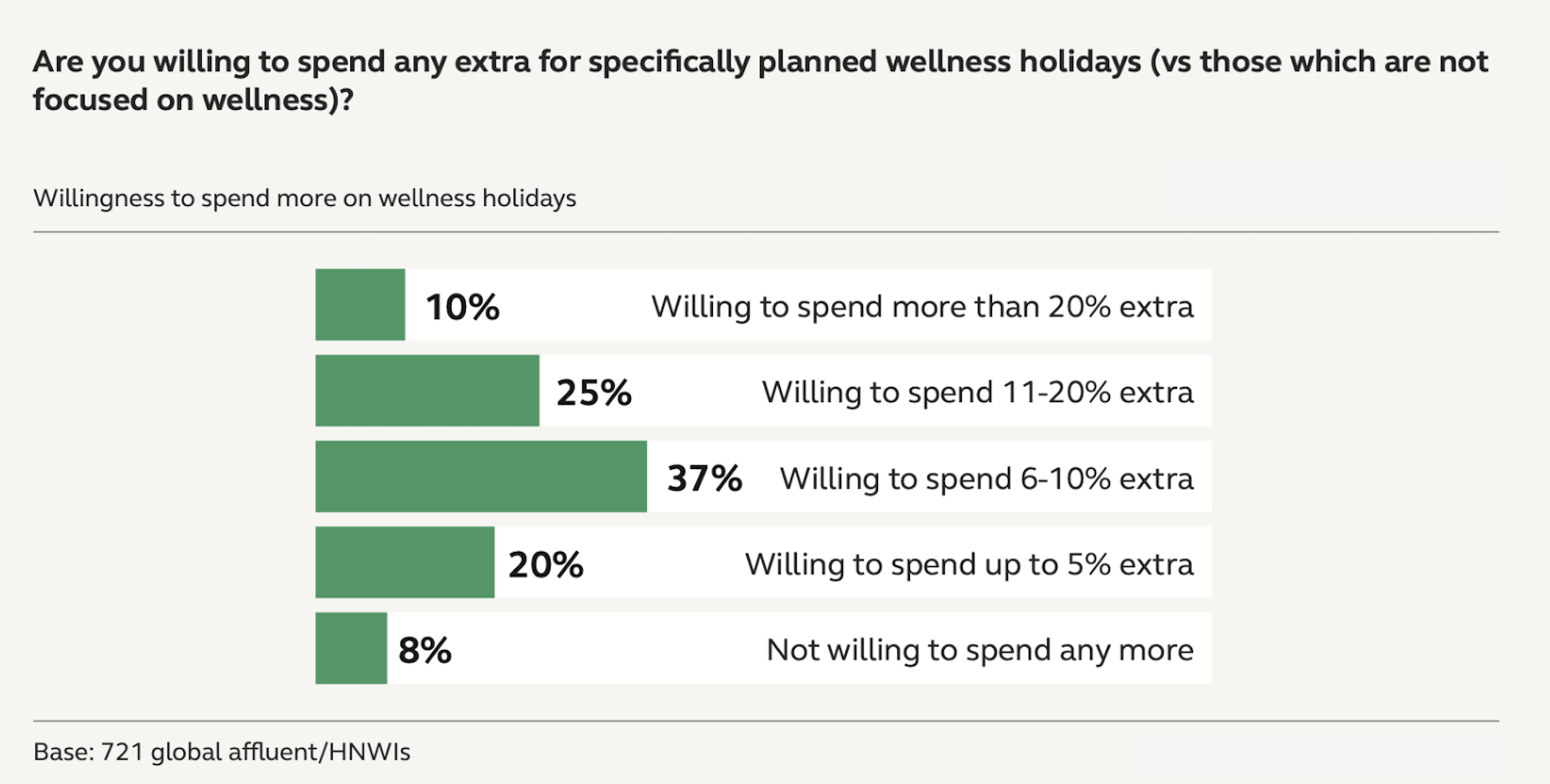
Research among affluent international travellers found that 54% had taken a dedicated wellness holiday, while 69% had booked wellness activities as part of a broader trip. This highlights the broad appeal of wellness experiences across different types of holidays. It also demonstrates opportunities to incorporate wellness elements into mainstream tourism products.
Figure 5: Willingness to spend on wellness holidays
Source: Altiant/LuxuryOpinions, 2025
Affluent travellers are also willing to spend more on wellness experiences. 92% of affluent travellers would be willing to pay a premium for a wellness holiday. This shows the large commercial potential of wellness tourism and its ability to increase visitor spending.
Accessible tourism in the European market
Accessible tourism is the ongoing endeavour to ensure tourist destinations, products and services are accessible to all people, regardless of their physical limitations, disabilities or age. It encompasses publicly and privately owned tourist locations. The improvements not only benefit those with permanent physical disabilities, but also parents with small children, elderly travellers, people with temporary injuries such as a broken leg, and their travel companions. Disabled tourists may travel individually, in groups, with their family or with carers.
Accessibility and wellness tourism
Wellness tourism should be accessible to everyone. Travellers with disabilities, mobility limitations, sensory impairments, chronic health conditions and older travellers seek out wellness experiences more and more often. This means that accessible wellness tourism can help businesses reach a wider market while providing more inclusive experiences.
To attract wellness travellers with accessibility needs, it is important to communicate clearly about your facilities, services and activities. Travellers will research extensively before booking. They need accurate information to determine whether a wellness experience would suit their needs. Some best practices include:
- Clearly describe the accessibility of accommodation, wellness facilities and treatment areas. This includes access routes, bathrooms, pools and spa facilities.
- Ensure staff understand different accessibility requirements and can respond to enquiries appropriately before and during a trip.
- Offer flexibility where possible. For example, adapt activities, treatment schedules and wellness programmes to individual needs where you can.
- Provide detailed information about the physical requirements of wellness activities, such as yoga sessions, hiking trails, meditation programmes and fitness classes.
- Consider offering alternative wellness experiences for guests with limited mobility or other accessibility requirements.
- Ensure information is available in accessible formats and that communication is clear and easy to understand.
Tip:
- Read the CBI study, What are the opportunities in the European market for accessible tourism?, for practical and useful advice to make your tours accessible.
Tips:
- Review your existing offering and see how it fits. You may already be a wellness tourism provider without knowing it. Nature-based tourism, adventure activities, healthy local cuisine, traditional healing practices and cultural experiences can all form part of a wellness offer.
- Focus on secondary wellness tourism. Most European wellness travellers are not looking for a dedicated spa or retreat holiday. They want wellness experiences as part of a wider trip. You do not need to specialise in wellness alone to attract this market.
2. What makes Europe an interesting market for wellness tourism?
Europe is an interesting market for wellness tourism. It is one of the world’s most important wellness markets. It has a long tradition of spa, health, active and nature-based travel. European consumers are also familiar with many wellness products and experiences. They are treating travel as an investment in their health more and more often. They do not just aim to rest but to come home feeling physically better, mentally restored and better equipped for daily life. Travel that supports this has become a mainstream expectation rather than a niche preference.
The global wellness tourism market is very large. It was valued at $893.9 billion (USD) in 2024. It is forecast to reach $1.4 trillion by 2029, growing at an average annual rate of 9.1%. The chart below shows that wellness tourism is a substantial part of the global wellness market.
Figure 6: Global Wellness Economy, 2024
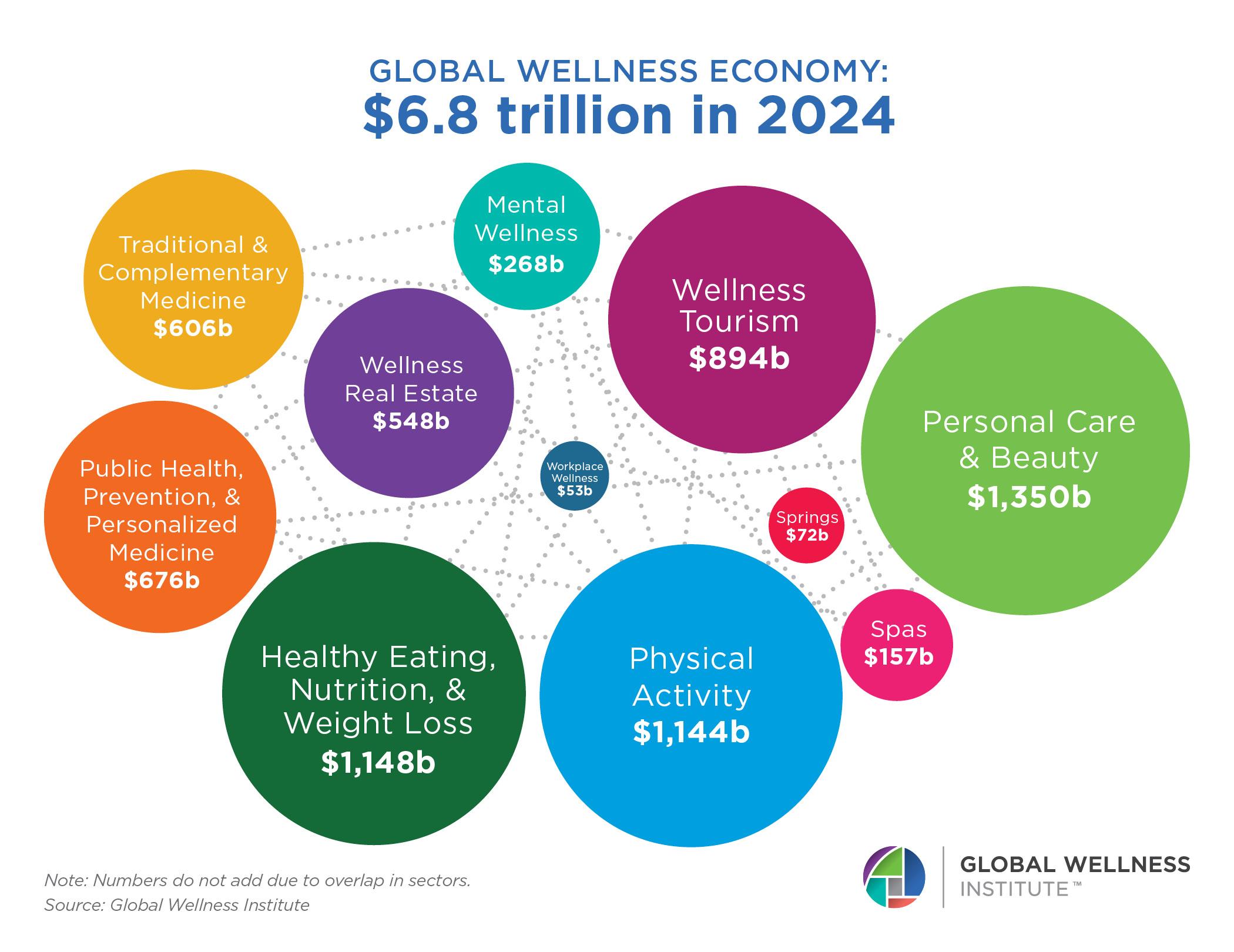
Source: GWI, Global Wellness Economy Monitor, 2025
Europe was the second-largest wellness tourism market, in terms of both expenditure ($258.2 billion (USD)) and the number of trips (348.4 million) in 2024. This strong wellness culture is also reflected in travel behaviour. Europe accounted for more wellness tourism trips than North America. It also generated more wellness tourism expenditure after the Asia-Pacific region.
Although these figures include both domestic and international travel, they provide a useful indication of market maturity and consumer engagement with wellness tourism.
Table 3: Wellness Tourism Trips and Expenditure by Region, 2024
| Region | Wellness tourism expenditure, 2024 (US$) | Average annual growth rate (2019-2024) | Number of wellness tourism trips, 2024 | Average expenditure per trip, 2024 (US$) |
|---|---|---|---|---|
| North America | $346.9 billion | 5.8% | 239.3 million | $1,449 |
| Europe | $258.2 billion | 5.0% | 348.4 million | $741 |
| Asia-Pacific | $215.0 billion | 8.9% | 562.7 million | $382 |
| Latin America-Caribbean | $41.0 billion | 4.8% | 60.0 million | $683 |
| Middle East-North Africa | $24.7 billion | 15.0% | 19.7 million | $1,257 |
| Sub-Saharan Africa | $6.9 billion | 6.6% | 9.0 million | $908 |
| World: Wellness Tourism | $893.9 billion | 6.4% | 1,239.0 million | $721 |
| World: ALL Tourism | $5,066.5 billion | 1.9% | 14,895.2 million | $340 |
Source: GWI, Global Wellness Economy Monitor, 2025
The European interest in wellness tourism can also be seen in CBI’s research across six European source markets. 50% of travellers cited relaxation and escape from routine as one of their main motivations for travel. The figure was particularly high among Dutch (69%), German (52%) and British travellers (47%).
The same research found that 32% of European travellers consider free time for relaxation an important factor when choosing a holiday destination. The figure was 52% among Dutch travellers, 38% among British travellers and 36% among German travellers.
These findings suggest that many European travellers do not seek out dedicated wellness holidays. Instead, they look for travel experiences that help them relax, reduce stress, reconnect with nature and return home feeling healthier and more balanced.
Many LMICs already have the natural and cultural assets that European wellness travellers want. Biodiversity, traditional wellbeing practices, healthy local cuisine, year-round climates, outdoor lifestyles and strong cultural traditions provide a natural foundation for wellness tourism, often without the need for major investment in purpose-built facilities.
Tips:
- Build on existing assets, such as nature, outdoor activities, healthy local cuisine and traditional wellbeing practices. Do not immediately invest in purpose-built wellness facilities.
- Communicate the wellbeing benefits of your experiences clearly. European wellness travellers seek outcomes, such as relaxation, stress reduction, improved fitness and a stronger connection with nature.
- Consider adding simple wellness elements to existing tourism products, such as guided mindfulness activities, healthy food options or wellness treatments.
- Position wellness experiences as part of a wider holiday offer. Many European travellers make wellness activities part of nature, cultural, adventure and beach holidays.
3. Which European countries offer the most opportunities for wellness tourism?
Europe is one of the world’s largest source regions for wellness tourism. However, opportunities vary between markets. Some countries have larger, more mature wellness tourism sectors. This means they have stronger consumer engagement in wellness travel and are more familiar with wellness products and experiences.
Germany, France, the United Kingdom, Italy, Spain and Austria are Europe’s most established wellness tourism markets. The figures in the table below include both domestic and international wellness tourism. As a result, they do not measure outbound demand directly. However, they provide a useful indication of market maturity, consumer participation in wellness travel and the overall importance of wellness tourism within each market.
Table 4: Selected European source markets for wellness tourism, 2024
| Country | Wellness tourism trips (million) | Wellness tourism expenditure (USD) |
|---|---|---|
| Germany | 77.2 million | 40.6 billion |
| France | 41.5 million | 45.6 billion |
| United Kingdom | 22.3 million | 19.1 billion |
| Italy | 11.5 million | 20.0 billion |
| Spain | 20.8 million | 16.7 billion |
| Austria | 18.4 million | 18.3 billion |
| Switzerland | 12.0 million | 18.8 billion |
Source: GWI, Global Wellness Economy Monitor, 2025
Germany
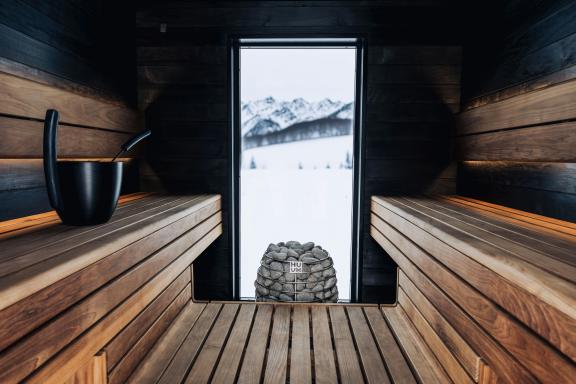
Germany is Europe’s largest wellness tourism market. It recorded 77.2 million wellness tourism trips and $40.6 billion (USD) in wellness tourism expenditure in 2024. Wellness has been part of German culture for a long time. This is thanks to thermal baths, health resorts, saunas and the traditional Kur system: a preventative health retreat.
With more than 350 recognised health spas and resorts, German travellers are familiar with wellness products and expect high standards of quality, professionalism and measurable wellbeing benefits.
Figure 7: A winter sauna experience in Germany
Source: HUUM, Unsplash, 2026
The German wellness market at a glance
- 85% of German travellers say experiencing nature is an important part of a successful holiday (CBI, 2025).
- 52% cite relaxation and escape from routine as one of their main motivations for travel.
- 36% consider having free time to relax an important factor when choosing a destination.
Structured, nature-based itineraries with measurable wellbeing benefits are particularly well-suited to this market. Popular long-haul destinations include Thailand, India, Sri Lanka, Bali, Costa Rica and Southern Africa.
Germany has one of Europe’s best-developed networks for wellness travel distribution. Specialist wellness tour operators play an important role, such as FIT Reisen, alongside mainstream tour operators that incorporate wellness products into broader holiday programmes. ITB Berlin is one of the largest tourism events in Europe and a great way to meet buyers.
France
France is Europe’s second-largest wellness tourism market. It recorded 41.5 million wellness tourism trips in 2024. It also generated $45.6 billion (USD) in wellness tourism expenditure, the highest among the selected European source markets. This reflects French wellness travellers’ high spending power. Wellness is well established in France through thermal spas, thalassotherapy, beauty treatments and preventative health. This means French consumers are very familiar with wellness products and services.
The French wellness market at a glance
- 78% of people take part in wellness activities as part of their weekly routine.
- 46% cite relaxation and escape from routine as one of their main motivations for travel (CBI, 2025).
- 28% consider having free time to relax an important factor when choosing a destination (CBI, 2025).
- 80% have spontaneously taken part in wellness activities while on holiday.
- 72% have taken a dedicated wellness holiday and would be interested in doing so again.
- The ideal length of a wellness holiday is 4–5 nights for 40% of travellers, followed by 2–3 nights for 25%.
- 79% would be interested in taking a wellness holiday with a partner or spouse, 31% with friends and 29% as a family.
French travellers look for high-quality, comfortable wellness experiences that combine relaxation with healthy food, local culture and nature. The French-speaking countries of Morocco, Tunisia and Mauritius are popular long-haul destinations, particularly for spa and coastal wellness holidays. Focus on what makes your offer distinctive. This means local healing traditions, exceptional cuisine and natural ingredients, rather than broad wellness claims.
France also has a well-developed distribution network. It has both specialist operators, such as La Route des Sens, and premium companies, such as Voyageurs du Monde, which offers wellness holidays. IFTM Top Resa is the country’s leading travel trade event and an important opportunity to meet French buyers.
United Kingdom
For many British travellers, holidays are an important way to relax, reduce stress and improve mental wellbeing. The UK generated 22.3 million wellness tourism trips and $19.1 billion (USD) in wellness tourism expenditure in 2024. This makes it one of Europe’s largest source markets for wellness travel. Around 80% of British consumers consider holidays important for their mental health. This reflects the growing role of travel in supporting healthier lifestyles.
The UK wellness market at a glance
- 50% cite relaxation and escape from routine as one of their main motivations for travel (CBI, 2025).
- 38% consider having free time to relax an important factor when choosing a destination (CBI, 2025).
- 69% of people take part in wellness activities as part of their weekly routine.
- 75% have spontaneously taken part in wellness activities while on holiday.
- 55% have taken a dedicated wellness holiday and would be interested in doing so again.
- The ideal length of a wellness holiday is 2–3 nights for 38% of travellers, followed by 4–5 nights for 31%.
- 84% would be interested in taking a wellness holiday with a partner or spouse, 47% with friends and 25% as a family.
Suppliers should highlight relaxation, mental wellbeing and experiences that fit easily into wider itineraries. Popular destinations include Costa Rica, Morocco, Bali, the Caribbean, South Africa and Peru.
Specialist operators are important distribution partners. They include Healing Holidays, Wellbeing Escapes and The Healthy Holiday Company. WTM London is an important event for connecting with UK buyers. Membership networks like the Wellness Tourism Association can help suppliers connect with wellness-focused tour operators, travel advisors, hotels and DMOs.
Italy
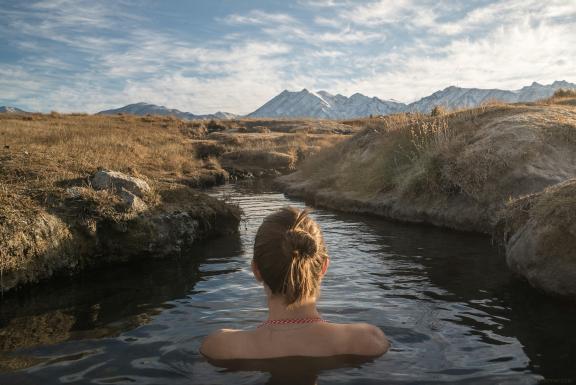
In Italy, wellness is closely linked to everyday life through healthy food, outdoor living, thermal spas and the Mediterranean lifestyle. The country generated 11.5 million wellness tourism trips and $20.0 billion (USD) in wellness tourism expenditure in 2024. Italy is also one of the world’s 10 largest markets in 10 of the 11 wellness sectors measured by GWI. This shows the importance of wellbeing in Italian consumer culture.
Figure 8: Natural hot springs are popular in the Italian market
Source: Joshua Sortino, Unsplash, 2026
The Italian wellness market at a glance
- 43% cite relaxation and escape from routine as one of their main motivations for travel (CBI, 2025).
- 26% consider having free time to relax an important factor when choosing a destination (CBI, 2025).
- 22% of travellers take part in a wellness-related activity during their holiday.
- Spa experiences are the most popular wellness activity, accounting for 34%, followed by massages, thermal baths and beauty treatments.
Italian wellness culture is grounded in the quality of food, time spent outdoors and the rhythm of everyday Mediterranean life. Italian travellers do not primarily look for intensive health programmes. They want to experience a new quality of life. Lead with local cuisine, outdoor time and sense of place rather than resort-style spa packages.
Popular destinations include Peru, Colombia, Argentina, Mexico, Jordan and Cape Verde. Specialist operators feature wellness holidays, such as SiVola Wellness Collection. TTG Travel Experience is Italy’s leading travel trade event.
Spain
For Spanish travellers, wellness is often part of a broader holiday rather than the main reason for travelling. Spain generated 20.8 million wellness tourism trips and $16.7 billion (USD) in wellness tourism expenditure in 2024. Its culture of healthy eating, outdoor living and social wellbeing creates a natural affinity with wellness travel.
The Spanish wellness market at a glance
- 43% cite relaxation and escape from routine as one of their main motivations for travel (CBI, 2025).
- 27% consider having free time to relax an important factor when choosing a destination (CBI, 2025).
- Spain has one of Europe’s oldest populations, contributing to growing interest in healthy ageing and preventative wellbeing.
- Wellness is strongly associated with healthy lifestyles, Mediterranean food, outdoor activity and social wellbeing.
- Nature, outdoor recreation and relaxation are important components of wellness travel.
You should showcase local experiences, healthy cuisine, outdoor activities and opportunities to relax. Demonstrate sustainable practices where possible.
Popular destinations include Mexico, Colombia, Costa Rica, Peru, Cape Verde and Ecuador. Most are Spanish-speaking. Fitur is Spain’s leading travel trade event. Operators, such as Viajes Azul Marino and Pangea, offer more and more tailor-made, experience-led holidays that align with wellness themes.
Austria
Austria generated 18.4 million wellness tourism trips and $18.3 billion (USD) in wellness tourism expenditure in 2024. Austria is home to Alpine resorts, thermal spas and one of Europe’s most developed wellness sectors. As a result, Austrian travellers are very familiar with wellness holidays and often seek high-quality experiences when travelling abroad.
The Austrian wellness market at a glance
- 58% cite relaxation and escape from routine as one of their main motivations for travel (CBI, 2025).
- 43% consider having free time to relax an important factor when choosing a destination (CBI, 2025).
- Nature, mountains and outdoor recreation are closely associated with health and wellbeing.
- Hiking, cycling, thermal spas and healthy ageing are important wellness themes.
- Sustainability and environmental quality influence travel decisions, particularly for nature-based holidays.
Austrian travellers are experienced wellness consumers. This is thanks to a culture of Alpine spas, mountain walking and healthy ageing. When travelling internationally, they look for the same values in a different landscape, clean environments, active outdoor options and a slower pace. Destinations with strong natural credentials and credible sustainability claims are well placed to attract this market.
Costa Rica, Slovenia, South Africa, Nepal and Bhutan appeal to this market because they combine outdoor adventure with wellbeing. Austrian buyers can be reached through specialist wellness operators and travel agencies. The Ferien-Messe Wien travel fair provides opportunities to connect with the Austrian market.
Tips:
- Match the wellness offer to each source market. German and Austrian travellers often value nature, quality and preventative health. French travellers respond well to spa, beauty and gastronomy. British travellers are very motivated by relaxation, mental wellbeing and stress reduction.
- Clearly communicate the wellbeing benefit. Explain whether the experience helps travellers relax, sleep better, reduce stress, improve fitness, reconnect with nature or support healthy ageing.
- Choose accommodation that offers wellness facilities. This could be a gym, yoga classes or a spa. It means guests can access wellbeing experiences without leaving the property.
- Work through specialist and mainstream trade channels. Target wellness operators, luxury travel companies, experiential travel specialists and major trade events. Refer to the CBI report 10 tips for finding buyers on the European tourism market for more information.
4. Which trends offer opportunities or pose threats in the European wellness tourism market?
Three major trends are reshaping what European wellness travellers expect. Each creates a direct opportunity for LMIC suppliers. First is nature-based tourism. Second is the trend towards healthy, active lifestyles. Last is the rise in personalised packages. All three offer important opportunities for small to medium-sized enterprises (SMEs) targeting the European market, underpinned by robust sustainability initiatives.
Nature-based tourism is the top choice for European wellness travellers.
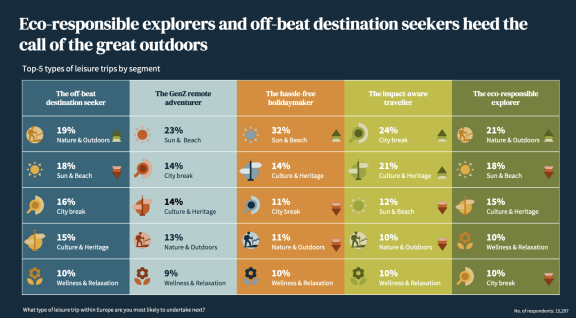
European travellers are heading outdoors. Research by the European Travel Commission shows that nature and outdoor holidays are the top choice for eco-responsible explorers and off-beat destination seekers. Meanwhile, wellness and relaxation feature in the top five trip types for every traveller segment. This is shown in the figure below. The numbers back this up: 57.2% of European travellers say relaxation and recharging is their main holiday motivation, 34.2% travel to reduce stress, and nearly a third are driven by a desire to spend time in nature.
Figure 9: Nature and wellness preferences among European traveller segments
Source: Nature and wellness preferences among European traveller segments, wave 23, 2025
What this looks like in practice has shifted. Rather than spa resorts, today’s nature-focused wellness travellers are drawn to forest bathing, guided meditation, wild swimming, wildlife experiences and stays in quieter, less-visited destinations. Slow travel reinforces this trend. Travellers are spending longer in one place, connecting more deeply with local culture and supporting local businesses.
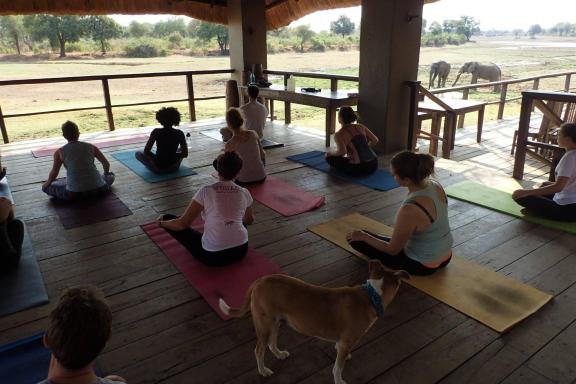
This creates opportunities for LMIC suppliers. Nature-based wellness experiences need little specialist infrastructure. This means experiences can be built around what suppliers already have. Time + Tide Africa in Zambia takes this approach. Rather than building dedicated wellness facilities, it uses the setting of South Luangwa National Park to offer bush yoga, meditation, nature walks and locally inspired cuisine. These simple, immersive experiences help guests connect with nature and relax.
Figure 10: Guests enjoying yoga in the Zambian Bush
Source: Acorn Tourism Consulting, 2026
More travellers prioritise active wellness and healthy lifestyles
The idea that wellness simply means ‘switching off’ has changed. More European travellers are using holidays as an opportunity to improve their physical health. They are doing this with activities like hiking, eating well and building fitness. They aim to return home feeling genuinely better, especially as maintaining a healthy work-life balance becomes more difficult.
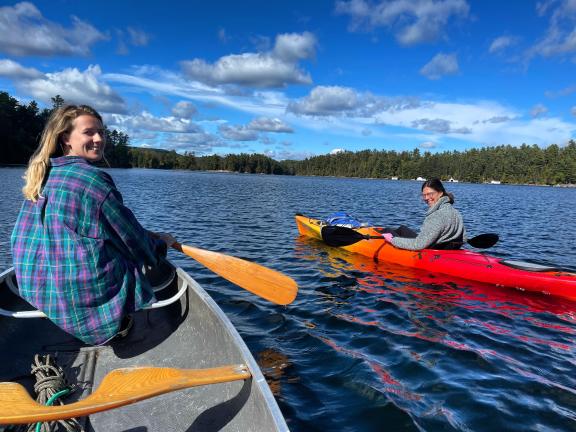
Popular wellness activities include hiking, cycling, swimming, kayaking, yoga, paddleboarding and guided nature walks. These can be complemented by nutritious meals, locally sourced food, cooking classes and nutrition advice. The Global Wellness Institute has identified physical activity as one of the world’s fastest-growing wellness sectors. It is valued at more than $1 trillion (USD) globally. Nearly 20% of travellers plan to prioritise fitness and movement while travelling. Many also want holidays that support healthier eating.
Figure 11: Canoeing is a form of active wellness
Source: Acorn Tourism Consulting, 2026
For tour operators in LMICs, active wellness products can often be developed using existing natural and cultural assets. Hiking and cycling routes, wildlife experiences, outdoor yoga, kayaking, farm-to-table dining, healthy local cuisine and cooking demonstrations can all create distinctive wellness experiences and generate income for local communities.
A leading example in this area is Amazing Peru. It is a tour operator that packages wellness and active-lifestyle experiences through yoga, spa and spiritual escape tours in Peru. Its products show how SMEs can combine movement, culture, healthy lifestyles and iconic sites, such as Machu Picchu, into a wellness-focused itinerary.
Personalised wellness is on the rise
Personalised wellness allows travellers to tailor experiences to their individual health, lifestyle and wellbeing goals. This marks a change from travellers choosing standard spa packages or one-size-fits-all programmes. Travellers seek experiences that address specific needs more and more often, such as better sleep and stress reduction.
This trend also drives demand for measurable outcomes. Travellers want to understand how a wellness experience benefits them. In some cases, they may want to track progress through consultations, fitness assessments, sleep monitoring, nutrition plans, wearable technology or by receiving follow-up advice. Younger consumers are particularly interested in science-backed approaches. They account for more than 40% of global wellness market spending.
For tour operators in LMICs, personalisation does not require expensive technology or specialist facilities. Simple measures can create more meaningful guest experiences. Consider, for example, pre-arrival questionnaires, tailored itineraries, personalised meals, one-to-one yoga or meditation, private guiding and wellness consultations.
Bespoke India Holidays creates wellness tours that combine Ayurveda, yoga, naturopathy and rejuvenation therapies. Its approach shows how SMEs can personalise wellness itineraries around travellers’ health and lifestyle goals. Many of the suppliers they use provide dedicated wellness coaches who are with the travellers throughout their wellness journey.
Sustainability is important for wellness travellers
Today’s wellness traveller thinks about more than their own wellbeing. More and more European travellers want holidays that benefit the places they visit. 53% say they are mindful of their impact on communities and nature. In comparison, 69% want to leave destinations better than they found them.
This is shifting demand away from generic spa packages towards experiences rooted in local traditions. This means herbal remedies, traditional healing, community-led nature activities and locally sourced food. This is an advantage for suppliers in LMICs. Local knowledge, culture and natural landscapes are exactly what these travellers are seeking. European resorts cannot easily replicate them.
Khiri Travel is a GSTC-certified DMC based in Asia. It illustrates this well. Sustainability shapes every aspect of Khiri Travel’s operations. Its certification also gives European buyers confidence that its sustainability claims are credible and independently verified.
To help you on your journey to sustainability, use the CBI studies How to be a sustainable tourism business and 10 tips to go green in the tourism sector. You can also learn from other tour operators in the study Best practice for successful sustainable tour operators.
Tips:
- Develop wellness experiences that make the most of your destination’s natural and cultural assets. Nature, local traditions and community experiences are often more appealing than expensive spa facilities.
- Combine wellness with active experiences and healthy local food. Walking, cycling, yoga, nutritious cuisine and outdoor activities can create distinctive wellness products with relatively little investment.
- Personalise the guest experience by asking visitors about their wellbeing goals before they arrive. Offer flexible itineraries or tailored activities to meet their individual needs.
- Work with local communities, guides, healers, farmers and food producers to create authentic wellness experiences that support local livelihoods and showcase your destination’s unique identity.
- Promote wellness benefits honestly. Avoid making medical or therapeutic claims that cannot be supported. Instead, focus on relaxation, nature, healthy lifestyles and authentic local experiences.
Acorn Tourism Consulting Limited carried out this study on behalf of CBI.
Please review our market information disclaimer.
Disclaimer: The statistics quoted throughout this study are drawn from a range of sources. Due to variations in data collection and presentation methods, figures may not always be directly comparable.
Search
Enter search terms to find market research
Do you have questions about this research?
European demand for wellness tourism is continuing to grow. Today’s wellness travellers are looking for experiences that deliver clear outcomes, such as better sleep, reduced stress, improved health and greater wellbeing, rather than simply relaxation. This trend is attracting a wide range of travellers, from younger, solo travellers to luxury clients and older, active consumers. Suppliers that offer personalised programmes with credible wellness expertise, using local remedies, are best placed to succeed.

Marlies Sobczak-Boumans, Wellness Consultant at Vita-Con Consultancy