
Entering the European market for religious tourism
Developing countries looking to attract European religious tourists need to understand what European visitors want. Religious tourism has many other names, including ‘faith tourism’ and ‘spiritual tourism’. Europe has a long history of religious tourism. Developing countries can attract European tourists by offering special religious sites, pilgrimage paths, and cultural experiences that appeal to both religious and non-religious visitors. Non-believers visit religious sites for their culture, history, architecture, or spirituality. This means that religious destinations often have crossover with cultural and educational trips. To succeed in this market, you should focus on offering personalised experiences, promoting sustainability, and using digital platforms.
Contents of this page
- What requirements and certifications must religious tourism meet to be allowed on the European market?
- Through which channels can you get religious tourism products onto the European market?
- What competition do you face on the European religious tourism market?
- What are the prices of religious tourism products on the European market?
1. What requirements and certifications must religious tourism meet to be allowed on the European market?
European tour operators have to follow legal rules to keep their travelling clients safe and protect them financially. To do business with the European market, you must adapt your business processes to theirs so you can meet their expectations. European tour operators will expect you to meet conditions they have set in a Code of Conduct and/or Terms of Business. Sustainability in all areas of tourism provision is essential for European tourism suppliers. You must include sustainable actions in all your business activities.
What are the mandatory and additional requirements that buyers have?
Mandatory and additional requirements for religious tourism services are common across the sector. They include:
- The European Package Travel Directive;
- General Data Protection Regulation (GDPR);
- Liability Insurance and Insolvency Protection.
You can read about them in the CBI study 'What requirements must tourism services comply with to be allowed on the European market?'. The study will help you understand the legal, non-legal and common requirements that European tour operators must comply with. If you understand the requirements they are bound by and can adapt your business to suit their needs, they will be more likely to do business with you. It is important to European buyers that they can trust their suppliers to fulfill their obligations and meet customers’ demands.
Tip:
- Read the CBI study on managing risks in tourism to learn about measures you can take during crises, and how to be prepared for future crises.
What are the requirements for niche markets?
Niche tourism markets, like religious tourism, need to understand what makes certain places special. These places include holy sites, pilgrimage routes, and cultural traditions. To meet the needs of religious travellers, operators should offer authentic, personal experiences that connect with the spiritual meaning of destinations. It is also important to include sustainability practices to protect sacred sites and appeal to tourists who care about the environment. Using technology, like virtual tours, online booking, and apps, can make the experience easier and more fun for visitors. These factors together help create meaningful and responsible religious tourism experiences.
Understand your attraction
To be successful in the religious tourism niche market, you must understand what you are offering. It is important to understand what type of religious sites you have, so you can attract interested people. It is also important to consider how tourists can travel to attractions. In other words, you should assess where your attractions are and how your visitors will reach them.
Religious tourists can be believers or non-believers. Believers may participate in pilgrimages or travel to learn more about their religion. On the other hand, non-believers may visit because of cultural or historical significance. Although they visit for different reasons, both groups take part in religious tourism experiences.
Religious tourism has many different categories, including pilgrimages and sightseeing. Pilgrimages are undertaken for religious reasons. In comparison, sightseeing is less about faith and more about learning about the culture, heritage, or architecture of a destination. Sometimes, the purpose of the trip can be both pilgrimage and sightseeing. This is why it is important to understand what your destination has to offer and who it appeals to.
Table 1: Religious tourism examples and the types of people that may visit
| Attractions | Examples | Visitor examples |
|---|---|---|
| Places of worship |
|
|
| Sacred sites |
|
|
| Holy cities & regions |
|
|
| UNESCO World Heritage sites |
|
|
| Religious events & festivals |
|
|
| Pilgrimages |
|
|
| Retreats & camps |
|
|
Tips:
- Understand the type of religious sites you offer and who will visit them. Whether your attractions are for religious pilgrimages or cultural sightseeing and knowing the specific interests of your visitors will help you offer a more tailored experience.
- Consider the accessibility of your attractions. Think about the location of your religious sites and how visitors will reach them. Make sure that your offerings are easily accessible to believers and non-believers alike.
Provide personalised authentic experiences
Another important requirement is to provide personalised authentic experiences. Since COVID-19, many tourists prefer more individualised or small group experiences. There has also been a rise in interest in spiritual and wellness tourism, which is closely related to religious tourism. It is important to think about your target audience and their needs.
Small group experiences can help visitors to feel more spiritually connected through feelings of safety and guidance. Reflection is an important part of a religious tourist’s experience and a small group tour can support deeper connection with the site and local community. Small groups also let operators meet special requests, improving the guest experience and making the trip memorable. Memorability is important in building a wider audience.
Wellness and spirituality are two rising themes in tourism. Experiences with built-in wellness or spiritual features can improve the overall experience of religious tourists by supporting the whole person (mind, body and spirit). These features can help to create a deeper sense of purpose for pilgrimage visitors. They can also help visitors understand the faith and significance better.
Wellness and spirituality may be more appealing to the non-believer, as they allow tourists to have more personal meaning and a deeper experience without having to follow a specific belief system. The focus on inner transformation instead of external worship will also be attractive to a wider and more varied market. If you are new to the religious tourism market, focusing on non-believers is a good idea. This will help you to better establish your business, because this market is bigger.
Tips:
- Offer personalised, small group experiences to give tourists a sense of safety, guidance, and spiritual connection. These experiences help visitors think more deeply about the destination and get more out of it.
- Think about the growing demand for wellness and spiritual tourism by including elements that support mind, body, and spirit. These additions can improve the religious tourism experience and appeal to a broader audience.
- Focus on memorable experiences by addressing special requests and making sure guests feel personally valued. This helps build stronger connections and encourages repeat visits, growing your audience over time.
- Newcomers should focus on non-believers, focusing on themes of wellness and spirituality to build a strong customer base.
Implement sustainability practices
Sustainability is an important consideration for religious tourism operators. In recent years, being sustainable has become more important to visitors. Many people now want to lower their environmental impact when travelling, and this applies to religious tourists too. There has been a rise of eco-pilgrimages where religious tourists think carefully about the impact of their trip. Tourists have also become more conscious of their impacts, trying to be responsible on their trips. Ecoinka, for example, provides eco-friendly treks in Cusco, and promotes sustainable and responsible tourism.
Like other markets, religious tourism should focus on reducing waste, especially plastics and single-use items, to meet market preferences. Other important elements of sustainability are to protect culture and support local economies. It is important that religious tourism supports other small local businesses and shows its support for preserving culture, faith and/or spirit. Learning how businesses work together to support each other and their communities in religious tourism settings can have a powerful impact on visitor satisfaction.
Although many people care about being sustainable, some are not sure how to do this when travelling. See how participants on the Camino Way are being encouraged to be more sustainable. Religious tour operators can help by minimising waste and by encouraging the use of public transport. They can also help by involving the wider community, for example by partnering with a local restaurant to provide lunch for religious tourists. This allows visitors to contribute to the community and adds to the spiritual satisfaction of guests.
Consider creating interfaith pilgrimages to attract European religious tourists
Interfaith pilgrimage can be a powerful way to attract European travellers, both believers and non-believers, who are interested in learning about local people and traditions. These trips offer the chance to meet others, share stories, and develop respect between different religions and cultures. Many travellers also care about important global goals, such as social justice and peace. Visiting places in Africa through interfaith tourism can help support these goals by creating understanding and offering support to local communities. It is a meaningful way to travel; combining cultural exchange with the wish to make a positive difference.
Have a look at these examples of interfaith pilgrimages and journeys to see what they do and what you can learn for your business:
- Spirit of Freedom Tour, South Africa – hosted by the Gate House Spiritual Centre in Cape Town in collaboration with local organisations and communities. The tour is designed to explore spiritual freedom, healing and reconnection in the heart of Africa.
- Interfaith journeys in Uganda – offered by local tour operator Safari 2 Gorilla Tours, these trips combine spiritual exploration with cultural experiences. Participants get involved in local communities to encourage interfaith harmony.
Tips:
- Prioritise sustainability by minimising waste, such as plastics and single-use items. Promote eco-friendly practices, like using public transport or offering sustainable accommodation. This is a good response to the growing preference of religious tourists for responsible travel.
- Support local economies and cultures by working with small businesses, such as local restaurants, traditional grocery stores, independent retailers, and preserving cultural traditions. This not only helps the community, but also makes the religious tourism experience more authentic and satisfying.
- Help tourists make more sustainable choices by guiding them in how to reduce their environmental impact. Encourage eco-pilgrimages and involve the community to create a more meaningful and responsible travel experience for religious visitors.
- Highlight how your organisation is helping global goals to show your sustainable impact to European tourists and local communities.
The use of technology has risen significantly over the past decade, especially in tourism. Many people now expect technology to be a part of their tourism experience. This could be through websites, social media, or booking platforms. Religious tourists are no different – they want to be able to book tours, experiences and events online. They also want to be able to access information about the site digitally to help them plan their visit.
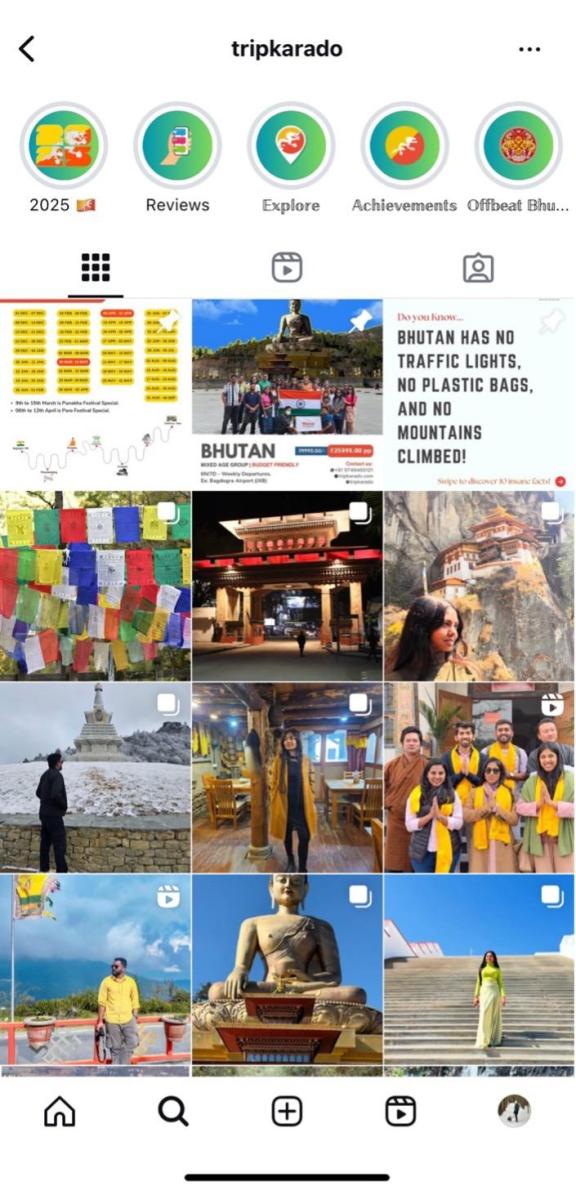
The use of technology in religious tourism lets visitors access more information about the site and can make their journeys more comfortable and informative. This tour operator in Bhutan uses social media to advertise their products, which is very inspirational to potential customers.
Figure 1: Tripkarado posts on Instagram
Source: Instagram, 2025
Technology can also improve the religious tourism experience through multilingual support and audio guides. In this way, a wider audience can learn about and understand the site and its significance.
Technology also makes it easier for religious tourists to share their experiences. Connecting with others who share similar experiences can make them feel more connected to the site and improve their experience. It can also help to protect important cultural items. For example, digital photographs or 3D-printed replicas can be offered so that originals are not damaged. This can help visitors understand a site’s spiritual significance.
On the other hand, organisations could also look into the digital detox trend within their religious tourism product range. Digital detox tourism is becoming more popular, especially in spiritual and religious tourism. Many people feel tired or stressed from using phones, social media and screens all the time. Visiting a religious or spiritual place offers a chance to disconnect from technology and focus on peace, reflection, and inner balance. These places are often quiet and calm. They help visitors to slow down and reconnect with themselves, nature, or something greater.
For non-believers, this kind of travel can also be meaningful. It gives people time to rest the mind and find new energy without needing to follow a religion.
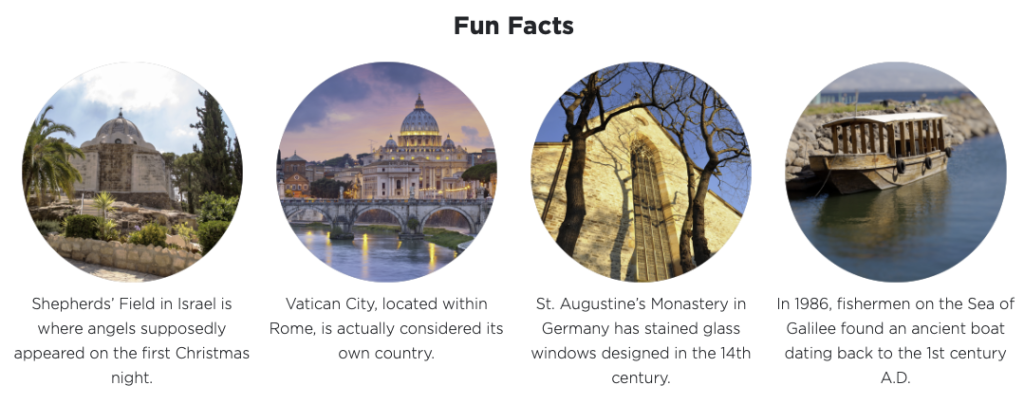
Figure 2: Best-practice digital marketing examples by a faith-based tour operator
Source: Collette, 2025
Tips:
- Make technology part of your religious tourism offerings, such as online booking systems and digital guides. This makes it easier for tourists to plan and book their visits. It also meets the growing demand for convenient and accessible travel experiences.
- Use multilingual support and audio guides to improve the experience for a wider audience. These tools help visitors understand the significance of religious sites, making the experience more informative and inclusive.
- Use social media and digital platforms to let visitors share their experiences, creating a sense of community and connection. Promote your range as a digital detox opportunity to connect with tourists interested in wellness and spirituality.
- Offer digital copies of cultural items. This protects originals and gets visitors more involved with the site’s spiritual meaning.
- Be inspirational in your marketing by using website design and social media to promote your trips. Use eye-catching text, images, and videos to attract tourists. The CBI study 'How to be a successful tourism company online' can help you.
2. Through which channels can you get religious tourism products onto the European market?
Religious tourism is a growing market with many different types of visitors, including both people who believe in a religion and those who don't. These visitors come from different age groups and backgrounds. In Europe, Germany, the United Kingdom (UK), France, Spain, the Netherlands, and Italy are important sources of religious tourists. People travel for different reasons, for example to find spiritual fulfilment or to explore cultural and historical sites.
Some visit religious places as part of a pilgrimage, while others are interested in the history and culture of sacred sites. To attract these tourists, operators need to understand their needs and offer experiences that match their interests. These tourists can be reached through different channels, such as traditional tour operators, digital platforms and social media.
How is the end market segmented?
In Europe, the leading markets for religious tourism are Germany, the UK, France, Italy, Spain, and the Netherlands (predominantly Christian countries). These countries represent around 50% of global religious tourists. France and Germany also offer significant opportunities for Islamic sites due to their large Muslim populations. The UK is an important source for religious tourism to India.
The broad market of religious tourists is made up of believers and non-believers. They are both important target markets, and are described as follows:
- Believers: believers look for spiritual support to make their religious beliefs stronger. They may want to make a pilgrimage to strengthen their faith and beliefs. For instance, pilgrimage to the Hajj is the most important pilgrimage for Muslims. On the other hand, a pilgrimage to Jerusalem is very important for Christians. Believers are very motivated to travel and often like to travel in groups of like-minded people.
- Non-believers: non-believers are essentially cultural tourists. They are interested in sacred sites and religious places for their cultural, historic and heritage significance, rather than their religious meaning. However, that does not mean they do not understand how important religion is. In fact, the religious and/or spiritual significance of activities also has important meaning to non-believers.
Find out more about religious tourists in the CBI study 'The European market potential for religious tourism'.
Through which channels does a product reach the end market?
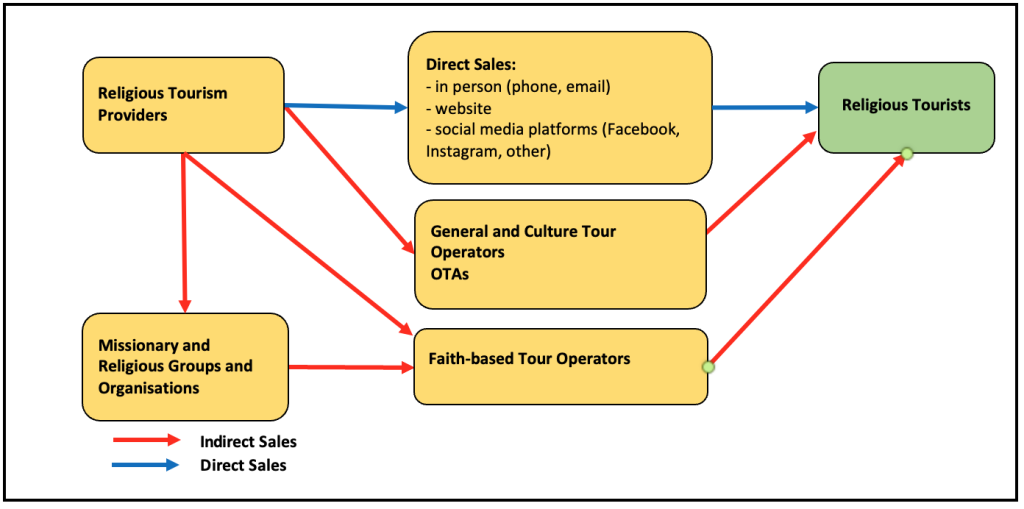
Direct sales, along with specialised and general tour operators, are the main sales channels serving the religious tourism market.
Figure 3: Sales channels for religious tourists
Source: Acorn Tourism Consulting, 2025
For religious tourists, faith-based tour operators are the most common purchasing channel when booking self-guided or guided religious trips. For Christian tourists, bookings are often made through or in collaboration with missionaries and other Christian organisations (see the section below). Some general tour operators have a religious, spiritual or pilgrimage theme within their trip portfolios. Examples of specialised organisations include:
- Trafalgar (Europe) - A large organisation offering cultural, and religious tours across Europe, Asia, and the Americas.
- Germany - Biblische Reisen, Lotus Travel, Expenova, El-Bashair for Hajj and Umrah travel.
- UK - Christian Heritage London, Globus, McCabe Pilgrimages, Tours for Christians. Youth Missions is a UK-based tour operator that specialises in faith-based outreach programmes for young people aged 13+. There are many operators catering for the Hajj and Umrah Muslim market, such as Al-Hidaayah Travel and Al-Haram Travel.
- France – Voyage la Croix, Ictus Travel, Haramain Voyages for Hajj/Umrah packages.
- Italy – Brevivet, Social Holiday for families and groups.
- Spain – Vered Hasharon for pilgrimages and trips to the Holy Land, Innovatur for assistance with setting up your travel agency.
- Netherlands – Goed Idee Reizen (part of the TUI family of operators), DrieTour, Amarant Reizen for Christian singles, Beter-Uit – a small cultural tour operator offering trips to a range of religious tourism destinations.
- North America is a large market for religious tourism. Pilgrim (US-based), TearFund (Canada), and Collette (Canada) are well-known operators in the market.
- In Israel, The Holy Land Incoming Tour Operators Association (HLITOA) represents many tourism professionals that serve the Holy Land, which is a useful resource for research, particularly for independent travellers.
Non-believers use a mix of channels. General and cultural tour operators and OTAs are commonly used, for instance, Exodus Cultural Holidays, Voyageurs du Monde and Tripadvisor.
Direct sales are made with people who make some of their own travel plans or are fully independent travellers (FIT). Both believers and non-believers make direct bookings with local tour operators online, by phone or via social media platforms.
Because technology is used more often, religious tourists are now using digital platforms and social media channels when researching their destinations. Many destinations are now integrating technology into the tourism experience to improve visitor experience, efficiency and to reach a bigger audience. Blogs such as Muslim Travel Girl and Pilgrimage Traveler are useful resources for tourists, and they can also help you understand the market.
Find missionaries and religious organisations to build your network
Christian and Islamic missionaries and other religious organisations make important contributions to religious tourism sales. They often do this through their involvement in promoting and supporting religious sites, pilgrimages, and related experiences. They contribute to religious tourism sales in many ways. Examples are promoting pilgrimages, managing or supporting religious sites, hosting spiritual retreats and religious conferences, providing educational and cultural tours, promoting faith-based travel services, and connecting individuals across their global evangelism and missionary networks.
Organisations such as Mennonite Central Committee, who are contributing to the Mennonite World Conference (Anabaptism 500), are just one example of how networks are used to build religious tourism connections.
Mission groups such as International Justice Mission, Church Mission Society, Ali Islamic Mission, and the Evangelical Alliance can also indirectly contribute to religious tourism sales. They do this through their humanitarian work, advocacy, and promotion of faith-based travel experiences. These organisations promote religious tourism destinations by raising awareness of regions with interesting religious sites.
They also contribute through their humanitarian missions. These missions often happen in places where religious tourism is popular, and their missionaries contribute to religious tourism through visiting religious attractions. These groups also often collaborate with travel companies to create and promote religious tourism packages that include both spiritual and leisure-related tourist activities.
Other supporting organisations include the Faith Travel Association and the World Religious Tourism Network. Connecting with global support networks within the religious tourism niche will help you build resources and connections to promote and improve your organisation.
Tips:
- Partner with religious networks – these groups can help increase sales by promoting your products in their networks. This will help build your customer base.
- Support humanitarian work – humanitarian work helps raise awareness of destinations. By engaging with humanitarian groups, you can raise awareness of your religious tourism packages.
- Promote faith-based experiences – work with religious organisations to design educational and cultural tours at significant religious sites. This offers visitors a more personalised experience.
What is the most interesting channel for you?
The most interesting channels are faith-based tour operators and digital platforms. Carefully plan how you will approach European tour operators. Our tips for doing business with European tourism buyers can help.
Social media channels can help you connect with European faith-based tour operators that offer holidays to your destination, as well as reach consumers directly. Digital and social media channels can reach a large audience. This means that they offer many opportunities to connect directly with potential consumers, whether they are believers, non-believers or cultural-heritage tourists.
Tips:
- Connect with European tour operators on social media platforms. Get in touch with operators on platforms like LinkedIn and Instagram to collaborate on religious travel packages and pilgrimages. This will help you to expand your reach in the European market.
- Develop a social media presence – showcase religious destinations, retreats, and cultural sites. Share interesting content like photos, videos, and virtual tours to inspire faith-based travellers.
- Engage with user-generated content from religious and cultural-heritage tourists – encourage tourists to share their experiences on social media and use their content to build trust. Use hashtags and reposts to increase visibility and attract new travellers.
- For tips on going digital, read the CBI study '10 tips for going digital in the tourism sector'.
3. What competition do you face on the European religious tourism market?
Which countries are you competing with?
For European religious tourists, developing countries offer unique opportunities. Some of the top religious tourism destinations are Bhutan, Kazakhstan, Peru and Zimbabwe. However, there are many competing destinations across the world. Saudi Arabia, Israel, India, and Japan are also some of the leading religious tourism destinations globally.
Bhutan
Bhutan offers a unique religious tourism experience. Bhutan’s religious tourism offering is centred around Buddhism, and there are many important religious sites in the country. Its environment fosters inner peace and reflection, making it an attractive destination for visitors from many different religious backgrounds who are looking to build spiritual connections.
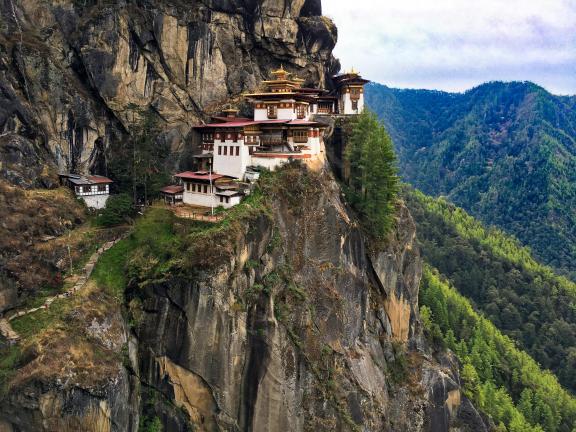
The country has many sacred monasteries and temples (Taktsang Monastery; Jambay Lhakhang), pilgrimage circuits, festivals (Paro Tshechu; Thimpu Tshechu), guided tours and monastic life experiences. For the more eco-conscious traveller, Bhutan is a great destination for participating in eco-spiritual tourism due to its focus on environmental preservation.
Its tourism industry offers a rare combination of spiritual depth and natural beauty, offering its visitors a transformative experience. Bhutan also adopts a high-value, low-impact tourism policy to protect its cultural and environmental integrity. This helps them to provide a peaceful and authentic experience for visitors. The country also charges visitors a sustainable development fee for each day of their visit. The fee helps support communities and protect the environment. However, the increased cost makes the destination too expensive for tourists on a budget and can limit the type of visitors the country attracts.
Figure 4: Mountain-top monasteries in Bhutan
Source: Peng Lim at Pexels, 2025
Kazakhstan
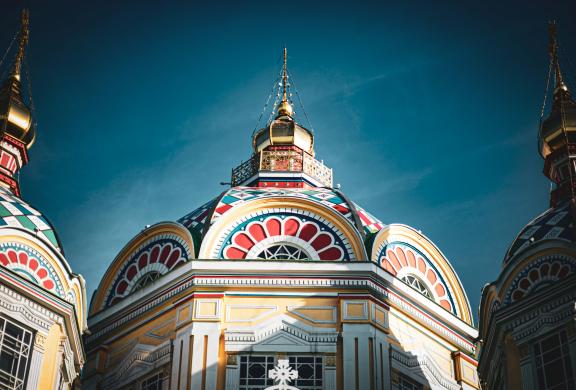
Kazakhstan is a culturally diverse country in Central Asia. Its religious tourism range shows a blend of ancient spiritual traditions, Islamic heritage, and Christian influences. It has a strong focus on interfaith harmony, and this creates a meaningful experience for those seeking faith, history, and culture in a unique location. The country has many Islamic sites (Hazrat Sultan Mosque; Khoja Ahmed Yasawi Mausoleum), Christian sites (Ascension Cathedral; Cathedral of Our Mother of Perpetual Help), sacred sites (Tamgaly Petroglyphs), pilgrimage trails (Becket-Ata) and religious festivals (Nauryz).
The country’s focus on promoting interfaith harmony and its distinctive landscapes create meaningful, authentic and distinctive religious tourism experiences. Kazakhstan is well-positioned for significant growth in the coming years because tourists want more exclusive and adventurous experiences.
Figure 5: Ascension Cathedral in Almaty, Kazakhstan
Source: Joy S at Unsplash, 2023
Peru
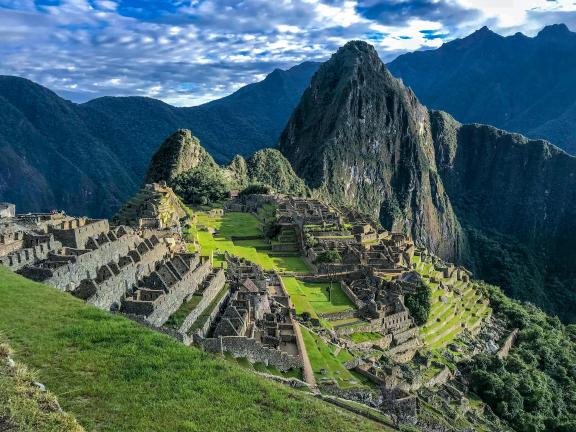
Peru offers an interesting religious tourism experience. The country has a unique blend of indigenous beliefs and Catholicism due to its history. It has a large variety of religious tourism attractions. These include Christian pilgrimage sites (Cusco Cathedral; Sanctuary of the Lord of the Miracles), indigenous and Andean spiritual sites (Sacsayhuamán; Machu Picchu; Qorikancha), religious festivals (Semana Santa; Inti Raymi; Virgin of the Candelaria Festival), pilgrimage routes (Camino de los Incas; Sanctuary of Chapi) and healing and spiritual retreats (Ayahuasca ceremonies; Sacred Valley).
The mix of interfaith celebrations, spiritual healing and vibrant festivals appeals to visitors looking for an authentic and different religious tourism experience. The Pachamama (Mother Earth) celebrations combine Catholic and Indigenous traditions to honour Pachamama. It is rare to see such a blend of two spiritual positions. It is also a popular adventure tourism destination. This additional attraction could persuade religious tourists who want to add some adventure to their visit. Peru is also focused on growing sustainable tourism, which engages eco-conscious religious tourists.
Figure 7: The spiritual essence of Machu Picchu, Peru
Source: Chelsea Cook at Pexels, 2025
Zimbabwe
Zimbabwe has been shaped by its rich cultural heritage, historical religious practices, and the existence of Christianity, indigenous spirituality, and other faiths. As a result, Zimbabwe is a good location for religious tourists. The country has many religious tourism attractions, including Christian pilgrimage sites (Zimbabwe Catholic Shrine; Kutama Mission), sacred Indigenous sites (Matobo Hills; Njelele Shrine) and traditional spirituality and religious festivals (Easter celebrations; traditional ceremonies such as Mukwerera and Bira).
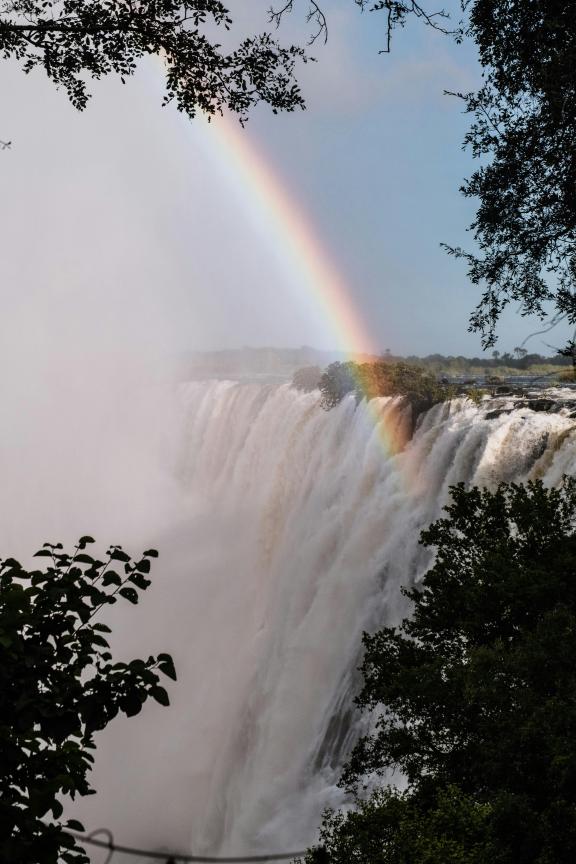
Many Christians see the landscape as manifestations of the creator, and Zimbabwe is home to the famous Victoria Falls, Eastern Highlands and Zambezi River. This appeals to religious tourists who are also looking for spiritual engagement and nature-based reflection.
Zimbabwe also has a strong Christian heritage, so tourists may be interested in its early ties to European missionaries. The country has a unique mix of Indigenous spirituality and Christianity, so visitors may be curious to understand how these beliefs interact. There are also many opportunities for visitors to participate in faith-based humanitarian work and attend Christian gatherings, which helps the country appeal to a wide variety of religious tourists. With tourism to Zimbabwe having grown significantly in recent years, its range of religious travel products supports further development.
Figure 6: Nature-based reflection at Victoria Falls, Zimbabwe
Source: Kelly at Pexels, 2025
Key takeaways
- Highlight the blend of spirituality, culture, and nature in your travel range.
- Promote eco-friendly and sustainable travel options to attract eco-conscious tourists.
- Cater to religious tourists who are looking for diverse experiences (culture, heritage, nature-based, adventure).
- Emphasise local traditions, festivals and healing practices to attract tourists who are looking for personalised, authentic experiences.
- Integrate technology to reach a wider audience and offer better accessibility.
Which companies are you competing with?
Bhutan
Bhutan Travel Bureau offers a range of religious and cultural tours, including visits to sacred Buddhist monasteries, temples, and pilgrimage sites, such as the famous Taktsang Monastery (Tiger's Nest) and the Paro Tshechu festival. They specialise in providing personalised experiences for spiritual travellers.
The company has a modern website with colourful photographs. It is also easy to find information about their trips – these are important for attracting European tourists. On the homepage, they list four good reasons to choose them, using bright and prominent infographics. This helps create confidence among customers. However, they do not list prices, which can put people off.
Figure 8: Why choose Bhutan Travel Bureau

Source: Bhutan Travel Bureau, 2025
Bhutan Buddha Travellers, a Bhutan-based tour operator, offers customised travel experiences, including cultural, pilgrimage, and adventure tours. They specialise in guided trips to Bhutan’s sacred sites, monasteries, and festivals, focusing on creating meaningful and memorable journeys for visitors. The company aims to give tourists a deeper connection to Bhutan’s rich heritage and natural beauty. They offer both group and private tours tailored to individual preferences.
The tour operator gives a lot of details about their itineraries, so tourists understand exactly what they will see and do. However, its website is quite dated and is not very user-friendly. Making sure your website is well-designed, up-to-date, and easy to use is important for attracting customers, as it shows professionalism.
Kazakhstan
Empire Travel Kazakhstan offers a variety of tours, including private, group and family trips. They specialise in city tours, cultural experiences, beach holidays and heritage tourism. The company focuses on providing high-quality services and custom tours for their clients. They work closely with trusted partners like airlines and hotels to ensure a smooth and enjoyable experience for travellers. Their religious tourism ranges are categorised as cultural experiences.
The company’s website is user-friendly and lists prices clearly. However, their religious tourism products are unclear and are hidden within ‘culture’. For religious tourists, it is important to highlight your religious tour options on your website.
Kazakhstan Guided Tours offers a variety of tours in Kazakhstan, including trips to Almaty city, Shymbulak ski resort, and natural sites such as Kolsai and Kaindy Lakes. They also provide hiking, jeep tours, and cultural experiences. Tours can be private or in groups, and they are available year-round, focusing on Kazakhstan's beautiful landscapes and culture. One tour they offer goes to Tanbaly, where visitors can learn about the ancient petroglyphs and Kazakh culture.
The website uses a lot of images, which helps to attract potential customers. It also links to review sites and social media channels. This helps customers to view the company as professional and trustworthy.
Peru
Lima Tours is a Peruvian travel agency offering a range of experiences, from cultural and adventure tours to wellness and luxury trips. They provide customised tours that show Peru's diverse landscapes and rich heritage, including religious and historical sites. Their services focus on social responsibility and sustainability, aiming to support local communities and preserve the environment. Lima Tours also offers family-friendly options and experiences that cater to different types of travellers, from those seeking relaxation to those looking for immersive cultural encounters.
The Lima Tours website is easy to use, offers clear information and uses a large number of images to attract potential customers. However, there is no direct booking option. This can deter customers from booking, as an extra step is required to book. Having a direct booking option boosts sales.
Cusi Travel is a locally owned tour operator in Peru offering tours that explore the history and culture of the Inca civilisation. The focus is on Machu Picchu and surrounding areas. Their expert English-speaking guides are from local communities and provide a deep, authentic insight into the culture. The company offers hikes like the Inca Trail, Salkantay, and Lares Trek, and packages for both adventure and cultural exploration. They also focus on community support, with projects aimed at improving education in rural areas.
The company has clear faith-based tourism options available, for example their Sacred Valley tour. Clear communication about religious or spiritual experiences is vital for success in religious tourism. Their website is a little dated and not always clear. Keeping your website up-to-date and offering clear programme details will help your religious tourism business.
Zimbabwe
Religious tourism in Zimbabwe is closely connected to culture and heritage, along with spiritual connections through natural wonders. Trips tend to be dominated by multi-day safaris, which are often accompanied by cultural experiences to learn about heritage and traditions, which often include religious practices. For example, Africa Zim Travel and Tours offers a cultural Village Tour Day Trip and a wide range of safaris. OTAs like GetYourGuide and Viator also promote a wide range of day trips that include cultural experiences. Pilgrim Tours also offers an 11-day David Livingstone Africa Tour to Zimbabwe, Zambia and Botswana, presented as a pilgrimage in the footsteps of the famous missionary.
Nomad Tours is a travel company offering safaris and cultural tours in Africa, including Zimbabwe. They focus on small-group and customised itineraries, aiming to give travellers authentic experiences. The company is dedicated to responsible tourism and supports local communities. They offer a range of destinations, with a focus on creating meaningful travel memories.
The website offers clear contact information in multiple formats (email, WhatsApp, phone, webchat), which is crucial in helping customers make informed decisions.
Key takeaways
- Offer personalised experiences: operators like Bhutan Travel Bureau and Bhutan Buddha Travellers focus on customised spiritual journeys, such as visiting sacred sites and festivals, providing meaningful and deep connections with local heritage.
- Focus on authenticity: companies like Cusi Travel in Peru highlight cultural and adventure tours with local guides to ensure authentic experiences. Operators should also prioritise community support and environmental sustainability.
- Provide diverse tour options: tour operators like Empire Travel and Nomad Tours offer a variety of tours catering to different groups, from cultural to adventure tourism, to create flexible, engaging experiences.
- Make sure your website is designed well. Including images, videos and clear information on religious tourism and prices is important to sell your products.
Which products are you competing with?
Adventure tourism and spiritual tourism (for example yoga retreats) are the main competing products for non-believers. For believers, humanitarian-based tourism could be potential competition. Halal tourism could also be competition for religious tourism as it connects to faith, but with a focus on food-based experiences.
European religious tourists often combine visits to religious sites with other experiences, such as adventure tourism, humanitarian work, food tours, or spiritual activities. To appeal to this market, operators should integrate sustainable practices while ensuring minimal environmental impact and supporting local communities. Technology, such as online booking systems and digital guides, enhances the visitor experience. Offering personalised and authentic experiences can also help to create lasting connections. Understanding the diverse needs of the market – whether for spirituality, culture, or adventure – is important for attracting and satisfying these tourists.
Tips:
- Consider offering a combination of religious site visits and adventure activities to cater to European tourists looking for diverse experiences.
- Set up sustainability practices, integrate technologies like online booking, and offer personalised experiences to meet the various needs of religious tourists while also supporting local communities.
4. What are the prices of religious tourism products on the European market?
The prices of religious tourism experiences can differ greatly based on factors like duration, location and the type of trip. It is important to be aware of all the costs involved, including transportation and entry fees for attractions, if you plan to include them in your pricing. This will help you to better structure your product and make it competitive.
Table 3: Sample pricing for religious and spiritual experiences in developing countries
| Religious experiences | Country | Duration | Price per person (€) |
|---|---|---|---|
| Day tours | |||
| Cultural day trip | Bhutan | 8 hours | 76 |
| Sacred Valley tour | Peru | 8 hours | 90 |
| Tanbaly Petroglyphs | Kazakhstan | 7 hours | 247 |
| Temple tour | Bhutan | 8 hours | 322 |
| Multi-day trips | |||
| Almaty: 2-day trip | Kazakhstan | 2 days | 100 |
| Victoria Falls to Johannesburg | Zimbabwe | 2 days | 182 |
| Sacred Valley & Machu Picchu | Peru | 2 days | 478 |
| Bhutan attractions | Bhutan | 2 days | 602 (includes tourism fee) |
Please note: multi-day trips do not include international flight fares.
Source: Acorn Tourism Consulting, 2025
Acorn Tourism Consulting Limited carried out this study on behalf of CBI.
Please review our market information disclaimer.
Search
Enter search terms to find market research
Do you have questions about this research?
Religion goes hand in hand with culture and history. By packaging an area as a religious tourism site, you have to speak about people's behaviour, culture and beliefs. Their rites and rituals show how they differ from neighbouring communities and how they migrated and settled in certain areas. Cultural tourism is already widespread and popular. Adding a religious component to it is not a big leap.

Joanne Ndirangu, Director, Scout Group Agency
Faith-based tourism flourishes through cultural sensitivity, meaningful storytelling, and adherence to religious principles. Engaging local communities, showcasing religious history and respecting traditions creates authenticity. Thoughtful marketing through faith-aligned channels helps to create awareness. By offering inclusive, spiritually enriching experiences tailored to diverse needs, faith-based tourism creates lasting connections and deeper cultural understanding for travellers who are looking for meaningful journeys.

AbdulMaalik Tailor, CEO, Halal Tourism Britain