
Entering the European market for adventure tourism
Selling adventure tourism products on the European market is very competitive. Managing risks and making sure participants stay safe are top requirements. There are many specialist adventure tour operators, Online Travel Agencies (OTAs) and travel agents in Europe offering a wide range of adventure activities. They are bound by strict regulations, and they expect their buyers to follow those regulations too. More and more fee indepentend travellers (FITs) are buying directly from OTAs. It is the fastest-growing sales channel for adventure tourism experiences.
Contents of this page
- What requirements and certifications must adventure tourism travel products meet to be allowed on the European market?
- Through which channels can you get adventure tourism travel products on the European market?
- What competition do you face in the European adventure tourism market?
- What are the prices for adventure tourism travel products on the European market?
1. What requirements and certifications must adventure tourism travel products meet to be allowed on the European market?
European adventure tourism tour operators must comply with strict regulations to make sure their travellers stay safe while journeying overseas and to protect them financially. This means that they will expect their foreign suppliers to do business in line with their Code of Conduct and Terms and Conditions. As you will be selling your adventure travel product to them, you must understand these requirements.
What are the mandatory and additional requirements that buyers have?
The mandatory and additional requirements for adventure tourism are common across the broader tourism sector. They include:
- European Package Travel Directive;
- General Data Protection Regulation (GDPR);
- Liability Insurance and Insolvency Protection.
Find out more in CBI’s study What are the requirements for tourism services in the European market?. The study will help you understand the legal, non-legal and common requirements European tour operators must comply with. If you understand the requirements they are bound by and can adjust your business to meet their needs, they will be more likely to do business with you. It is important to European buyers that they can trust their suppliers to meet their needs and those of their customers.
What are the requirements for niche markets?
Competition in the adventure tourism market is growing and awareness of environmental issues among tourists is rising. So tour operators must operate in a sustainable manner. Adventure tourism activities also come with a lot of risk. Having the correct certifications and insurance to manage these risks is essential. The quality of your online presence and experiences is also very important.
Manage risk in the adventure tourism sector
Managing risk is a major requirement for adventure tourism providers. Ensuring the safety of adventure travellers is extremely important, and managing risks can be difficult. Make sure that your adventure travel products comply with both international and local adventure tourism standards. These are not mandatory requirements. But if your products comply, European buyers will be more likely to do business with you.
The international standard for adventure management of the International Organization for Standardization (ISO) was developed in 2014. It helps adventure tourism providers manage their activities professionally.
Consider the following ISO standards:
- ISO 21101:2014 offers a basis for adventure tourism activity providers to plan, communicate about, and safely deliver adventure tourism activities. This standard has a climate action change amendment to be aware of.
- ISO 21103:2014 specifies the minimum requirements for information that should be provided to participants before, during and after adventure tourism activities.
- ISO 20611:2018 outlines sustainable good practices related to adventure tourism. These practices will help reduce the negative environmental, economic or social impacts of tourism and increase the positive ones.
- ISO 21102:2020 sets out requirements and expected skills for leaders and providers of adventure tourism activities, excluding scuba diving.
- If your business is for scuba diving, look at these standards for recreational diving services.
- The ISO 3021:2023 explains requirements and recommendations for hiking and trekking activities.
- If you have a cycling business, the ISO 11956:2025 about requirements and recommendations for cyclotourism may be suitable for you.
The United Kingdom (UK) is one of the largest markets for adventure travel in Europe. The British Standard for Adventure Tourism (BS8848:2014) was created to reduce the risk of adventure travel outside the UK. It was developed by the BSI, the UK National Standards Body, based on the ISO standard. Most UK-based adventure tour companies make sure that their adventure travel products comply with this standard.
If your services meet the BS8848 standard, you will have done more than is required by buyers in any market. This will give you a competitive advantage. Fully implementing ISO standards can be expensive. Still, you should understand what the standards are and do what you can to make sure your products are safe.
Here is a very useful online adventure self-assessment tool to help you check if your business follows the best practices in the world. Give it a go and see where how you compare.
Tips:
- Conduct a risk analysis and identify all the potential hazards and risks that could be associated with the adventure tourism travel product you are offering. For more advice, read the CBI study on how to manage risks in tourism.
- To start with, you could think about buying the ISO 21101, ISO 21103 and ISO 20611 and/or the BSI adventure travel standard guidelines, so you know what they are. Then try to apply what you can to your adventure tourism travel product.
Be a sustainable tourism business
Adventure tourists love travelling to places that are beautiful, remote and untouched. This is why adventure tourism relies a lot on unspoiled and less-visited environments. Tour operators need to provide sustainable experiences that do not harm the environment or the well-being of the local communities. These days, European tour operators often give details on how their trips make a positive contribution, like the example below. This way, they can reassure their clients of their commitment and understanding of sustainability and reducing the harmful impacts of climate change.
Figure 1: Display your sustainability actions on your website
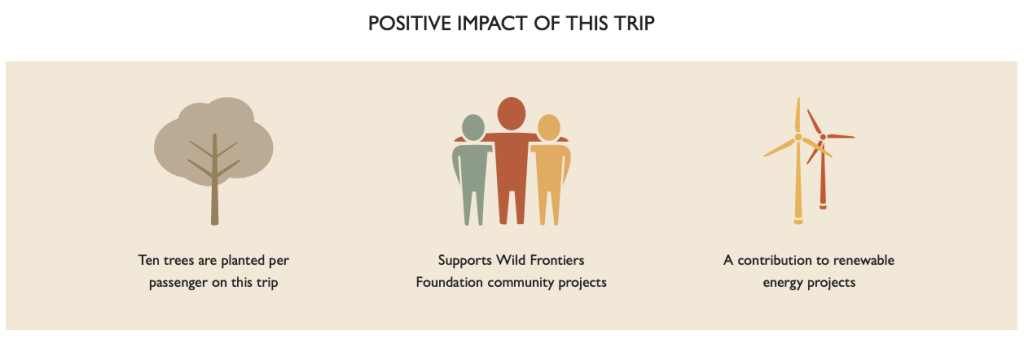
Source: Wild Frontiers, 2025
Using infographics to immediately get people’s attention is a good idea. But you should also report clearly on your actions. As an example, Gondwana Collection - a local tour operator in Nambia - gives a lot of information on its website about how started offering sustainable tourism and hospitality in Namibia. The buyer can be sure that they take their sustainability responsibilities very seriously – in fact, their business relies on it.
Use CBI studies to help you become a sustainable tourism business. There are several to look at, each with a different focus:
- How to be a sustainable tourism business;
- 10 tips to go green in the tourism sector;
- 9 tips on how to become more socially responsible in the tourism sector;
- Building regeneration into your tourism business.
You can also study what other local tour operators do to support a sustainable future for the industry. Have a look at the studies Best practice for successful sustainable tour operators, and Building regeneration into your tourism business. Regenerative tourism is rooted in sustainability. It adds a focus on place-based care, ongoing growth, and the potential to strengthen the living systems that support tourism.
Provide quality experiences
Every element of your adventure travel product needs to meet the quality standards that you commit to. For example, a one-day excursion to see wildlife in its natural habitat might include the services of a guide, a local transport business and a food provider. You are responsible for making sure that the quality of each element matches what you have agreed with your buyer.
Your buyer will rely on you to make sure that the right safety and legal standards are met, as written in their Code of Conduct/Terms and Conditions and the contract you agreed to.
Tips:
- Make sure the guides you use are well-trained, qualified as necessary, friendly, and speak the language of the group well. Offer your guides extra training where possible.
- If you use vehicles, make sure that they are modern, well-maintained and safe. You should insist on proper documentation from your providers. This can be used as proof to your buyer that you have hired a reputable company to transport their clients. It is even better if you can use electric vehicles to operate your tours.
- If you supply equipment like bicycles (e-bikes or traditional) or Segways, or specialist equipment for activities like mountaineering or diving, you must make sure you have a good process for servicing the equipment to minimum legal standards.
- Ask for reviews from people who go on your trips. Publicise the positive ones and make sure you address any negative views and use any suggestions.
Establish levels of skill, activity and/or fitness for adventure tourism travel products
Be clear about what sort of adventure tourism travel product you are offering. Is it a ‘hard adventure’ or ‘soft adventure’ activity? Maybe it combines 2 or more elements? You can find out about the difference between hard and soft adventure activities by reading CBI’s report The European market potential for adventure tourism. This way, you are clear about what you are offering.
Some tour operators specify the level of skill required to participate in their trips, and the recommended level of fitness. You could consider doing something similar and assigning general activity levels. Look at Activity Levels: Culture, Wildlife and Family and The Much Better Difficulty Ratings, and see if they are similar to yours.
Figure 2: Adventure tourism is a mix of hard and soft adventure
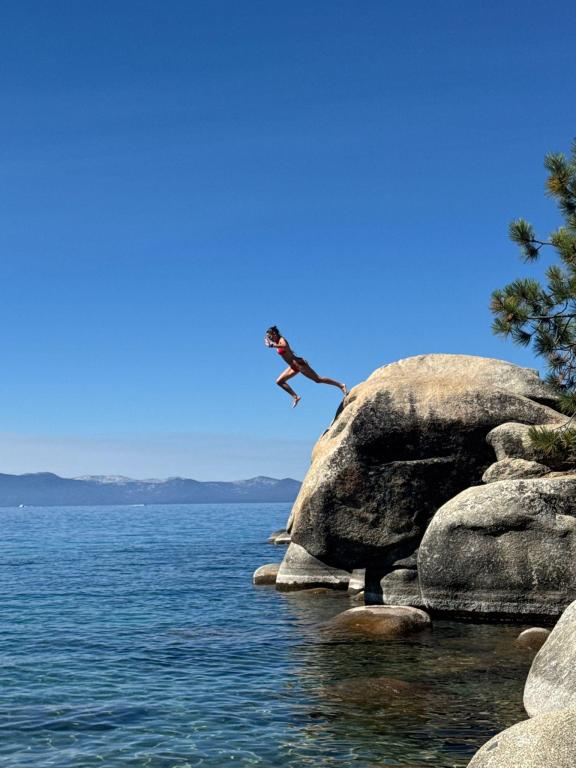
Source: Acorn Tourism Consulting, 2025
Have an inspirational website.
These days, it is more and more important to have a professional website with all the essential information about your adventure tourism product. A website is your ‘window to the world’. All your buyers, whether business or consumers, can find you as they do their research. They will be looking for all the information you read about in the sections above. For example, how your tours meet accepted standards, whether they meet quality expectations, and what sustainability actions you commit to.
Of course, adventure travellers will also want to be inspired by what you offer. So, including great images and exciting videos will attract them. Adventure tourism is very photogenic, so it will be easy to build a digital photo library and add it to your website. You could ask a photography student to help you build up an inventory of great photos and videos. You could also ask past guests to use their photos on your website. If you do this, you may need to credit them for the use of their work.
The first step to a great website is to take a careful look at your current website or commit to building one if you do not have one. There are lots of online website builders to choose from that offer an affordable way of getting online. Read the CBI study How to be a successful tourism company online for detailed information about building or improving websites.
2. Through which channels can you get adventure tourism travel products on the European market?
Adventure tourism on the rise, so European outbound tour operators are expanding their adventure package options. Also, OTAs and other digital platforms are becoming more popular for fully independent travellers. These travellers like to research and book their own trips directly with the operator. So, the channel chosen to promote your product offering may depend on the type of tourists you want to attract.
How is the end market segmented?
In the European adventure traveller market there is crossover between the major consumer groups. These groups are: baby boomers (born between 1946 and 1964), Gen X (born 1965-1979), Gen Y or millennials (born 1980-1995) and Gen Z (born 1996-2012). Adventure travellers can also be sorted by level of physical challenge (hard or soft adventure), how they travel (group or independently), and how much money and/or time they can spend on travel.
Find out more about the market of adventure tourists in the accompanying study The European market potential for adventure tourism. You can also check out the different target groups in the specialised CBI studies on baby boomers, Gen X, Gen Y, Gen Z and FITs.
Through what channels do adventure tourism travel products land on the end market?
European tour operators, travel agents and online travel agents (OTAs) are the main sales channels for adventure travel tourism products. The European tour operator market for adventure tourism is very large,. Hundreds of tour operators sell adventure travel products to European travellers. The European Travel Agents’ and Tour Operators’ Associations (ECTAA) represents over 70,000 tour operators and travel agents in Europe.
Figure 3: Sales channels for adventure tourism products in Europe
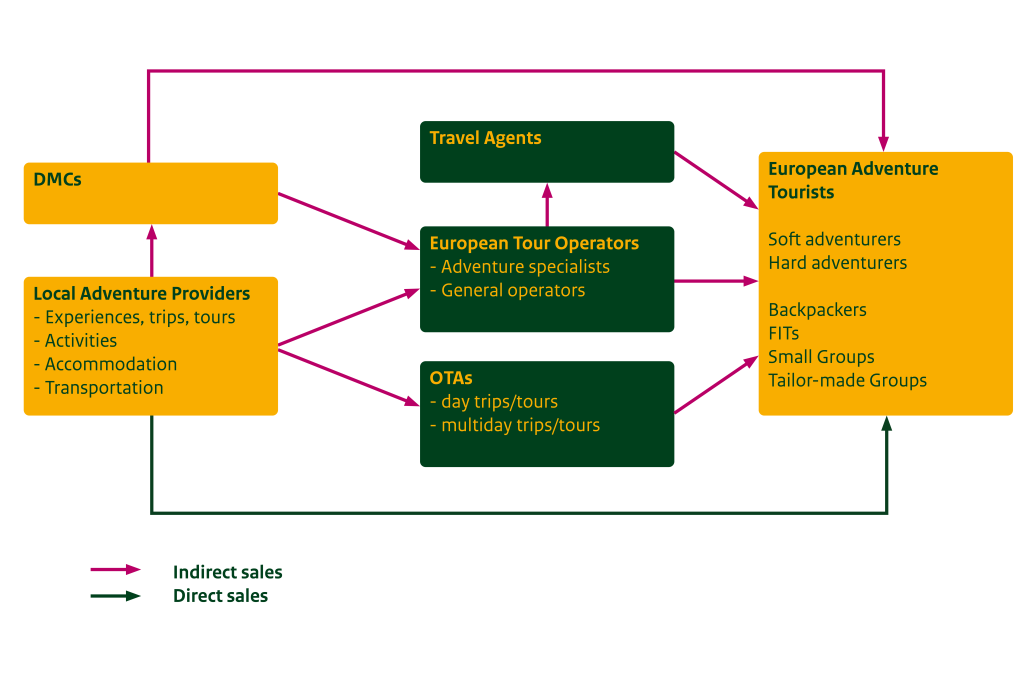
Source: Acorn Tourism Consulting, 2025
The main European sales channels in the adventure tourism segment include:
European tour operators (adventure specialists)
Adventure specialists cater to adventure tourists. They have a diverse range of holidays to destinations where they have expertise and knowledge. They also offer a variety of activities and experiences within a single package. Some operators focus on the ‘gap year’ market, others on the small group and tailor-made market. The larger operators target several markets – for example:
- Globetrotter Abenteuer, Diamir, World Insight (Germany)
- KE Adventure Travel, Wild Frontiers Travel, Rainbow Tours (UK)
- Nomade Aventure, Terre d’Aventure (France)
- Sawadee, Battuta Reizen, Better Places (Netherlands).
European tour operators (general operators)
General tour operators offer a range of package holidays, including adventure trips, often to beach or city destinations. German-owned TUI is Europe’s largest general tour operator, and its TUI Blue brand offers active adventures. The UK has many general tour operators like Audley Travel and Abercrombie & Kent that offer many different holiday themes.
Travel Agents, selling a wide range of tour operator-branded holidays to their customers. Examples are Trailfinders and Hays Travel (UK), and DER Tour (Germany). Der Tour also owns several brands that cover many different holiday experiences, like oni.
Online Travel Agencies (OTAs)
OTAs specialising in selling excursions, guided tours and experiences are the fastest growing sales channel in day and multi-day tours. Some well-known platforms are:
- Viator, Airbnb Experiences (Global)
- Responsible Travel, TourHub, Much Better Adventures (UK)
- GetYourGuide (Germany)
- Musement (Italy)
- Bonogo (France).
Similar to OTAs, there are online marketplaces that offer comparisons of travel-related services from a wide range of companies. These are also often called OTAs. The main difference is that they do not do the sales part. Instead, they transfer this to the tour operator, which then pays them a commission. Examples are SafariBookings (Netherlands) and TourHound (UK)
What is the most interesting channel for you?
As a local provider of an adventure tourism travel product, specialist tour operators and OTAs are the most interesting channels for you to work with.
Specialist tour operators usually create itineraries for small groups or tailor-made trips. These iteneraries offer a range of experiences within a single trip. Specialised tour operators look for local suppliers that can offer authentic experiences. These could include visits to a local community or heritage centre, and activities like white-water rafting or game drives in safari parks. Other experiences could include gorilla trekking, bird-watching trips, 4WD dune buggying, or a cycle ride/hike on a marked trail.
OTAs offer a good opportunity to access the FIT market. FITs are heavy users of technology and are most likely to book an experience online. But it is important that you weigh the pros and cons of working with an OTA and think about other routes to market as well.
Tips:
- Read the CBI study How to work effectively with OTAs and check out suitable OTAs to work with. It is best to choose one to start with and make sure you do it well before signing up with others.
- Download CBI’s 10 tips for finding buyers in the European tourism market. It is a useful source towards researching tour operators in the market and visiting trade and consumer fairs to make connections with specialist tour operators and other relevant organisations.
3. What competition do you face in the European adventure tourism market?
Destinations around the world are starting to see the benefits that adventure tourism can create for locals and the environment. That is why many are investing in adventure tourism, helping with product creation and destination marketing.
Adventure tourism has many niches, like horseback riding, fishing and wildlife. You will find that most local tour operators will sell at least one of these types of trips. This makes it a competitive field to work in.
Which countries are you competing with?
Adventure travellers look for destinations that have a good reputation for adventure, accessibility and affordability. This puts India, Kyrgyzstan, Peru and Zambia among the top competing destinations (see the table below). There are many more adventure destinations, and you should identify other key competitors in your region. Keep up-to-date with blogs and listings like National Geographic's 25 best places in the world to travel to in 2025 and Lonely Planet’s Best in Travel 2025.
India
The adventure travel market in India is large and diverse. The sector is expected to grow from US$14.4 million in 2023 to US$46.7 million in 2030. In 2025, the tourism sector was estimated to employ 9.1% of the total working population.
Most states offer lots of adventure travel activities. The Ministry of Tourism estimates that almost 500,000 foreign adventure tourists visit India every year. The most visited states for adventure tourism are Uttarakhand, Himachal Pradesh, Jammu & Kashmir, Goa and Rajasthan. The most popular activities, by type and in order of popularity, are:
- Land-based: wildlife/jeep safaris, hiking/trekking, camping, elephant/camel/horse/yak safaris, cycling, motorbike tours, rock climbing, artificial wall climbing;
- Water-based: water rafting, boat safaris, houseboat stays, kayaking, scuba diving;
- Air-based: parasailing, hot-air ballooning, paragliding.
There are around 25,000 adventure tour operators in India. There is also a countrywide association focused on the adventure tourism sector: Adventure Tour Operators Association of India (ATOAI). This association has over 750 members and aims to help create responsible and sustainable travel experiences. ATOAI also make collaborations and partnerships possible through networking. They offer lots of support to operators of all sizes to make sure their operations are in line with European standards.
India also faces challenges, like the poor implementation of health and safety guidelines by state governments and the growing number of unregistered and low-cost tour operators. In many remote regions, the lack of proper infrastructure also causes problems.
Kyrgyzstan
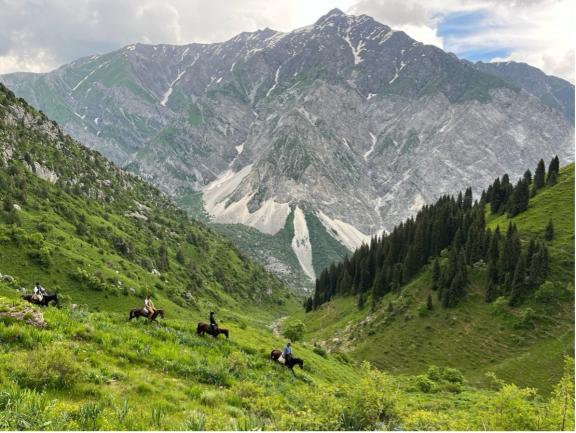
Kyrgyzstan has recently been put on the map as a popular destination for adventure tourists. It is known as the ‘Switzerland of Central Asia’. Hiking, horseback riding, community-based tourism (CBT) and homestays are the main forms of adventure tourism in Kyrgyzstan.
The country’s nomadic culture and rich Silk Road history make it a popular destination for adventure travellers who are looking for authentic experiences in remote locations. Mountain villages have become tourism hubs, with homestay guesthouses and yurts. They offer activities like backcountry skiing and snowshoeing in winter, and horseback riding, biking and hiking in summer.
In 2024 the country experienced a surge in tourism, with 8.9 million arrivals recorded. This was an increase of over 400,000 tourists from the previous year. This growth was driven by several reasons, like the support the government has given to the sector through investment and simplifying the visa entry systems. More tourists looking for unique and community-based tourism products have also supported this growth.
Figure 4: Horseback riding in Kyrgyzstan is a popular adventure activity
Source: Acorn Tourism Consulting, 2025
Colombia
Tourism in Colombia has grown by 1,200% since the year 2000. This growth is mainly due to the decrease in internal conflict and the growing worldwide recognition of the country as a safe destination to travel to. Colombia offers a variety of different ecosystems, cultural experiences and landscapes, and is the most biodiverse country in the world.
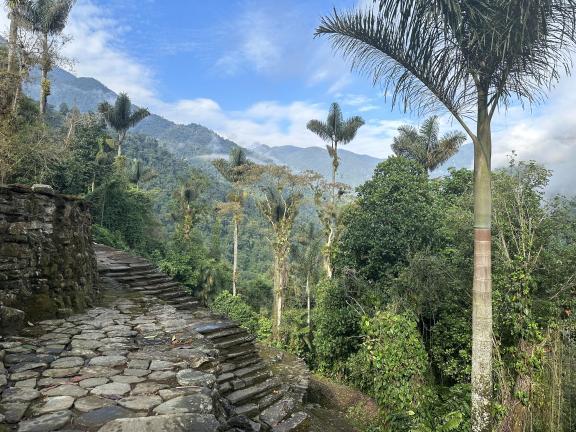
One popular adventure experience is hiking the Lost City trek, a 4-day hike in the Sierra Nevada National Park. At the end of the trek tourists reach the Lost City, an ancient archaeological site that can only be reached on foot. This experience is a more remote and less-visited version of popular sites like Machu Picchu. It is a truly unique, exclusive experience for guests.
Other activities, like bird-watching in the Amazon, exploring coffee regions and taking part in water activities, can also be found.
Figure 5: Hiking to the remote Lost City in Colombia
Source: Acorn Tourism Consulting, 2025
The Colombian government has recognised the importance of ecotourism as a key economic driver for the country. In recent years, they have put a lot of effort into promoting the sector to international markets and having a strong online presence. They have also developed manuals for local tour guides within different niche markets. The idea is to support them with capacity building and training on how to attract and cater to the growing inbound markets.
Malawi
Malawi, known as ‘the warm heart of Africa’, is one of that continent’s most diverse adventure tourism destinations. It offers a range of different activities, including hiking, safaris and water-based experiences. In 2025, Malawi was featured in ABTA’s Destinations to Watch category because of its diverse offering and newly reintroduced ‘big 5’.
Being a small country, Malawi offers travellers the chance to experience African culture, hike in beautiful landscapes, see the big 5 or enjoy the wonders of the second-largest lake in Africa. All these activities are within driving distances and with fewer tourists.
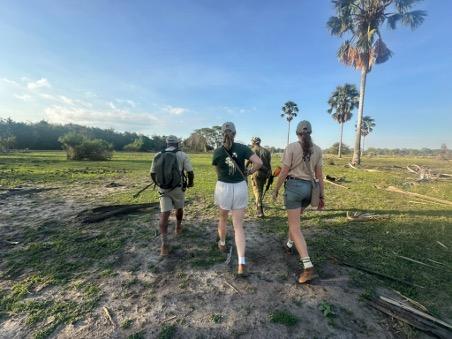
Key attractions include the newly appointed UNESCO World Heritage Site, Mulanje Mountains, where tourists can take a 3 or 4-day hike up southern Africa's tallest mountain. Other destinations include Majete and Liwonde National Parks for safari activities, and exploring Lake Malawi by kayak or doing other water sports.
Figure 6: Walking Safari, Malawi
Source: Acorn Tourism Consulting, 2025
The COVID-19 pandemic heavily impacted the tourism sector. But this sector is now experiencing a period of growth. There are several internationally funded projects in the pipeline to help grow the ecotourism sector. Tourism revenue is expected to reach around USD$260 million by 2028, a 2.7% annual increase from 2023.
Key takeaways
- Identify the USP (unique selling point) of your destination, like ‘nomadic travel’ or ‘trekking in the mountains’. Make sure your adventure travel product focuses on your USP to attract adventure travellers.
- Contact the tourist board and/or the Ministry of Tourism to find out what adventure tourism initiatives are being developed that you could get involved in.
- Avoid offering low-cost, poor-quality tours just to make a sale. Make sure that proper safety procedures are in place. If you do not do this, it will harm your reputation and you will lose buyers.
Which companies are you competing with?
The market for local tour operators offering adventures in developing countries is crowded, especially in places like India. This country has a long history of adventure tourism. Tour operators vary in size from small, family-run organisations to large operators and DMCs.
Companies in India
Snow Leopard Adventures offers many adventures, like river rafting, trekking, mountain biking, sea kayaking and trans-Himalayan jeep safaris. It is an ISO 9001:2015-certified organisation (ISO sets requirements for a quality management system) and is BS8848-compliant. To drive development of tours and experiences, it focuses on 4 ‘S’ factors: Safety, Skills, Sustainability and Service. The company is a founding member of the Adventure Tour Operators’ Association of India. It is also a member of other internationally recognised adventure tourism associations, including ATTA.
Encounters Asia is an well-known family-operated local tour operator. It has been operating in India, Nepal, Bhutan and Sri Lanka for over 30 years. Their primary motivation is creating exclusive and private journeys with a focus on experience-based travel. Examples are visiting lesser-known festivals and tracking the snow leopard. The company owns and operates camps and lodges in remote locations and wilderness areas.
Encounters Asia has worked hard to build relationships with its buyers and is a member of ATTA. It is also proactive about marketing its travel experiences, and has been mentioned in several blogs of international publications, including Forbes Life and Outside Magazine.
Its sustainability credentials are good, and the company works closely with the Tiger Trust. This organisation is actively involved in the conservation of the tiger and its natural habitat. It also supports the TOFT (Travel Operators for Tigers) campaign of training field guides. This campaign contributes to improving the standards of field guides, and this enriches the wildlife experience for clients.
Companies in Kyrgyzstan
Ecotour is operated by 2 Kyrgyz sisters. They have 3 main principles: pride for the country and its heritage; the need to operate sustainably; and promoting CBT so that locals benefit from tourism. These principles are a good USP for the operator, because they clearly help it stand out as a responsible provider of CBT. Europe is an important target market and the website is translated into several languages (Dutch, English and German). Testimonials from European clients are prominently shown on the site.
Its tours are aimed at small groups of 4 to 8 people. They are operated at a local level, renting yurts and horses from local communities, using locally sourced produce, and encouraging the purchase of local handicrafts. The operator offers a wide range of tours over different time scales. A heritage section of the website offers interesting information and helps improve the operator’s reputation as a local, experienced provider.
CBT Kyrgyzstan is a local directory of CBT and adventure experiences that connects local communities with adventure tourists. The operator supports member organisations through business training, capacity building and tourism training. If you offer CBT, check whether there is an online platform or other CBT associations that you could try to work with.
Kyrgyzstan is an emerging destination, so its people have opportunities to get involved in the tourism sector. Several Kyrgyz guides promote their personal guiding services on OTAs like Tours by Locals. This is a website that connects travellers with local guides. If you are a local guide, find out whether it would be useful for you to join one of these OTAs.
Companies in Colombia
Magic Tour Colombia is a locally owned operator that offers a range of different tour activities. It is also one of a handful of operators registered to run Lost City tours. They invest in the training of their guides to the highest degree and have a bilingual team, which allows them to serve different markets.
They have a strong focus on sustainability and give tourists a guide and policy to read and follow before starting their journey. What makes them stand out is their flexibility on payments. They offer guests the option to pay in instalments at no extra cost.
Expedition Colombia specialises in cycling, sailing, surfing, white-water rafting, kayaking, and mountain-climbing and trekking activities throughout Colombia. They offer activity packages ranging from a couple of hours to multi-day trips. They have an easy-to-use and clear website that offers details on what to bring, fitness level and other important information.
As an operator that specialises in extreme sports, safety is very important to them. They hold all the certifications that are required to operate within the sector.
Companies in Malawi
Adventures With Colby is a unique tour operator that has a real focus on taking travellers off the beaten track into untouched Malawi. They have strong sustainability principles and have worked hard over the years to support communities and involve them in their itineraries. This has been done by gaining funding from development agencies to support the development of community camp sites along their hiking routes.
They offer a large range of tour options, with activities like hiking, biking, safari and community visits. They also serve different group sizes. The high-quality images on their website and social media pages help promote their offerings in a professional way.
Kayak Africa is a small water-based tour operator located on the shores of Lake Malawi. They have a variety of package options available on their website. Their main offering is for guests to experience the lake by Kayak, staying in their rustic island accommodation along the way. But they also make other adventure experiences part of their packages.
Their packages and tour offerings are very reasonably priced and unique to the destination. This gives them a competitive advantage over other local operators. They also have a strong online presence with a clear website and regularly updated social media platforms
Key takeaways
- Being a member of an adventure tourism association or other suitable organisation in your destination will improve your reputation as a local adventure tour operator. Make sure you clearly mention any memberships on your website, as this shows that you are a professional business.
- Be sure to give enough detail about your adventure product. This way, potential customers are able to make a booking, otherwise they will find another provider. If you can include information about your destination and its history, this will make you an ‘expert’ and enhance your reputation. It will also improve your SEO (search engine optimisation) and help your website rankings.
- It is important that you know what your USP is. You need to make sure that it is clearly shown on your website so that you are competing effectively in the marketplace.
- Show good customer quotes and/or testimonials on your homepage. This is known as ‘user generated content’ (UGC). Potential customers trust UGC more than content produced by businesses. So, it is very valuable.
- Make the most of your social media platforms. This will drive more customers to your website.
What products are you competing with?
The adventure travel sector is one of the largest segments in the tourism industry. It includes a wide range of activities, making them all potentially competing products. The challenge for you as a local operator is to find the competing products in your own region or area and target your own products appropriately.
This is why it is important that you study the niche activities so that you are clear on what an adventure activity is. You will then be well able to identify your competition. Adventure activities fit into numerous categories, and many will cross over. The table below offers a guideline to the sort of competing adventure experiences that are often available in developing countries.
Table 1: Categories and related activities of competing adventure tourism travel products
| Category | Example Activities |
|---|---|
| Land-based sports and outdoor activities | Hiking, cycling, mountain biking, skating, sledging, sandboarding, volcano boarding, rock climbing, mountaineering, caving, trekking |
| Water-based sports and outdoor activities | Paddleboarding, surfing, white-water rafting, kayaking/canoeing, sailing, scuba diving, coasteering |
| Air-based activities | Small aircraft, helicopter, hot-air ballooning, sky diving, paragliding, parasailing |
| Nature and wildlife | Animal encounters, safaris, horseback riding, fishing, beekeeping, hiking, trekking, dolphin/whale watching, hot springs, walking safari, animal tracking, bird watching, turtle watching |
| Day cruises | Island cruise, night cruise, dinner cruise, sunset cruise, snorkelling, shipwrecks, reefs, glass-bottom boat tours, submarine tours, sea caves, river cruise |
| Culture, history and heritage | Architecture, historical sites, street art, archaeology, ruins, art, sightseeing, literary, city tours, guided tours in museums/galleries/attractions, music |
| Community-based tourism | Visits to villages and communities, homestays, immersive experiences with community groups, farming, harvesting, cooking meals, volunteering, conservation |
| Culinary and wine | Tastings, local markets, eating with locals, chocolate making, wine trails, wine tastings, coffee/tea tours, street food, visits to distillers/brewers, visits to local producers |
| Learning | Cooking, handicrafts, dancing, painting, pottery, yoga, art, language, singing, heritage tours |
| Wellness | Mud baths, spas, fitness/boot camp, hot springs, Zen experiences, Tai Chi, yoga, meditation |
| Tour Types | City tours, classic car tours, full-day tours, half-day tours, tours by horse and carriage, motorcycle tours, train tours, photography tours, skip-the-line tours, sustainable tours, volunteer tours, walking/hiking tours, overnight tours, multi-day tours, eco tours, 4WD/ATV tours |
| Festival-themed tours | Christmas, National Holidays, New Year, Valentine’s Day, Day of the Dead (Mexico), Chinese New Year, Diwali (India), festivals |
Source: Acorn Tourism Consulting, 2025
Understanding how to use categories so you can compete effectively is useful as a marketing tool. It helps you target your trips to the most appropriate buyer or traveller. For example:
- Family groups may be interested in a water-based activity, like a kayaking trip, or in a land-based safari. These activities suit all age groups and have an educational element.
- OTAs like to promote ‘experiences’ that are historical, cultural, sporting and nature-based, which have wide appeal to FITs.
- A wine tasting and culinary experience might be appealing to specialist operators in the luxury market.
A street food tour may appeal to a specialist operator conducting small group trips and FITs.
4. What are the prices for adventure tourism travel products on the European market?
Prices of adventure holidays and trips have many different components. The longer the holiday, the more components there will be, and accommodation will probably make up a substantial portion. Day trips have fewer elements; transportation will probably make up a significant portion. The main components of a packaged adventure holiday usually include:
- Accommodation: could be as much as 60% of the overall cost, depending on the type of accommodation.
- Excursions: usually include entry fees to attractions/national parks, plus fees for guides/porters.
- Local transportation.
- Food and beverages (where included).
The table below gives an idea of prices for trips and holidays on the European market.
Table 2: Prices for adventure trips on the market in 2025
| Adventure | Country | Duration | Price per person (€) |
|---|---|---|---|
| Day/Part-Day Trips | |||
| Transparent Kayaking Tour in the Mangroves | Colombia | 2 hours | 46.00 |
| Archaeological Mountain Bike Tour | Colombia | 4 hours | 73.00 |
| Jeep Safari, Gir National Park | India | 3 hours | 89.00 |
| Burana Tower and Konorchek Canyons | Kyrgyzstan | 1 day | 95.00 |
| Zomba Plateau Day Hike | Malawi | 1 day | 140.00 |
| Multi-Day Trips (2-6 days) | |||
| Lost City Hike | Colombia | 4 days | 75.00 |
| Snowshoeing in Sethan Village | India | 3 days | 165.00 |
| Kayaking in the Kerala Backwaters | India | 3 days | 368.00 |
| Nomadic Adventure Issyk-Kul & Altyn Arashan | Kyrgyzstan | 4 days | 729.00 |
| Southern Malawi Highlands | Malawi | 5 days | 2,300.00 |
Multi-Day Trips (7+ days) | |||
| Pearl of the Heavenly Mountains | Kyrgyzstan | 7 days | 1,372.00 |
| The Ultimate Adventure Through Colombia | Colombia | 10 days | 2,700.00 |
| Cycle Kerala & Tropical India | India | 14 days | 2,883.00 |
| Small Group Safari Tour | Malawi | 10 days | 3,999.00 |
Source: Acorn Tourism Consulting, 2025
Tips:
- When setting your prices, research what your competitors’ prices are for similar products. Only set a higher price if you believe you are offering a better service than your competitor. Read CBI’s 10 tips for organising your tourism services export to Europe to find out more about setting prices.
- Do your own research to find out what your competitors are charging for adventure trips. Many are offering discounts and risk-free booking options with generous cancellation/rescheduling policies to attract adventure tourists. If you decide to do this, be sure you can manage it and live up to your promises.
- Be open about your fees with your buyer. Be fair – remember, the margins are small, and offering a discount for bulk bookings could lead to a stronger relationship.
- You can do your own research into adventure experiences and trips that are on the market at the moment. OTAs and travel portals to research include Airbnb Experiences, Responsible Travel and Viator.
Acorn Tourism Consulting Limited carried out this study on behalf of CBI.
Please read our market information disclaimer.
Disclaimer: The statistics quoted throughout this study are drawn from a range of sources. Due to variations in data collection and presentation methods, figures may not always be directly comparable.
Search
Enter search terms to find market research
Do you have questions about this research?
Strong imagery/video content is an important marketing tool – and showcasing the unusual. What might seem commonplace to you can also be powerful. Storytelling through imagery is what hooks people onto partaking in an adventure trip in the first place, so continuing that and capitalising on it is great.

Charlie Darlington, Sustainability and Nature Positive Lead at Scott Dunn