

What is the demand for grains, pulses and oilseeds on the European market?
Europe has a large market for grains, pulses and oilseeds. It offers many opportunities for exporters from developing countries. The region depends heavily on imports to meet demand for a range of sustainable food ingredients. This is especially true for Spain, Italy, the United Kingdom, the Netherlands, Germany and France. Although Europe produces some crops locally, its shift toward healthy, plant-based and sustainable foods drives demand for imported grains, pulses and oilseeds.
Contents of this page
1. What makes Europe an interesting market for grains, pulses and oilseeds?
Europe relies on outside supply to meet its large demand for grains, pulses and oilseeds. Although Europe grows some crops itself, its need for healthy, plant-based and sustainable foods keeps imports high. This makes it an attractive market for suppliers from developing countries. Spain, Italy, the UK, the Netherlands, Germany and France are especially promising markets.
Scope of products and regions
This study is about grains, pulses and oilseeds. When it comes to grains and oilseeds, the focus is on products used for human consumption in the food sector. This is why soybeans, maize and barley are not included in this study. But the selected products are also applied outside the food sector in animal feed (for example, sorghum and some oilseeds) and industry (for example, biofuels).
In this study, ‘Europe’ means the 27 countries in the European Union (EU), plus the United Kingdom (UK) and the EFTA countries (Switzerland, Norway, Iceland and Liechtenstein).
‘Developing countries’ includes all countries on the OECD-DAC list.
Europe's mature and diversified market offers stability for suppliers
Europe is a mature and diverse market for grains, pulses and oilseeds. It is home to:
- Three of the ten largest grain importing countries: Spain, Italy and Germany;
- Two of the ten largest pulse importing countries: Spain and Italy;
- Seven of the ten largest oilseed importing countries: the Netherlands, Bulgaria, Spain, Germany, France, Italy and Hungary.
Figure 1: Rice shelf in a Spanish supermarket, May 2025
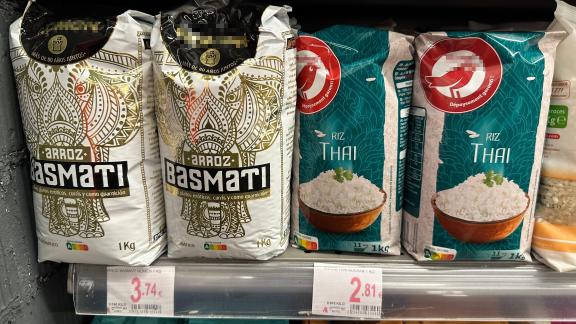
Source: GloballyCool (May 2025)
Large markets like the United States grow a lot themselves and rely less on imports. This makes Europe one of the largest import regions. In 2023, Europe was responsible for 19% of the world’s grain imports, 38% of oilseed imports and 15% of pulse imports.
Source: GloballyCool, based on UN Comtrade (September 2025)
Figure 2 shows that imports to East and Southeast Asia make up a large share of the global market. This is mostly because the countries in these regions do not produce a lot of wheat, so they need to import it.
Grains: imports from developing countries are relatively small
Europe imports most of it grains from within Europe itself. Volumes depend on the size of the harvest. Weak harvests lead to more imports; strong harvests lead to less. This pattern can also be seen in the imports of each European country.
Source: GloballyCool, based on UN Comtrade (September 2025)
After relatively low imports in 2021 and 2022, 2023 and 2024 set new records with total import volumes of 59 million tonnes and 61 million tonnes, respectively.
Spain, Italy, the United Kingdom and the Netherlands are Europe’s main importers of grains from developing countries. Together, these four countries make up about 70% of European imports. Many European countries import similar products from developing countries, including wheat and durum wheat, wheat flour, rice, sorghum and millet.
Pulses: dried peas are the largest product group
Pulses are produced locally and imported from outside Europe. The largest product group in this subsector is dried peas, making up 30–40% of total European imports per year. Dried broad and kidney beans follow. Together, they make up 25–33% of European imports.
Source: GloballyCool, based on UN Comtrade (September 2025)
Imports of pulses from developing countries went down by 2.3% per year on average. This was because of a sharp drop in dried pea imports from Ukraine, caused by the war with Russia. Imports have gone up since 2023, but they are not back to pre-war levels.
However, other pulses did grow:
- Egypt: kidney beans, broad beans;
- India: lentils, beans, chickpeas, adzuki beans, broad beans, peas, cow peas;
- Brazil: kidney beans, leguminous vegetables, cow peas;
- Kazakhstan: lentils, chickpeas, broad beans;
- Moldova: peas;
- Kenya: kidney beans;
- Uzbekistan: dried beans, kidney beans, lentils;
- Venezuela: dried beans, kidney beans, lentils;
- Nigeria: dried beans;
- Tanzania: kidney beans, chickpeas, cow peas.
Pulse imports from the ‘rest of the world’ into Europe showed a sharp and unusual peak in 2023. This was mainly linked to a large rise in pea and chickpea shipments from Russia to Spain and Italy. Russia exported much higher volumes of yellow peas and chickpeas that year. This was partly because of strong harvests, competitive pricing and the rerouting of agricultural exports amid geopolitical and trade shifts. In 2024, import levels were closer to normal. This showed that the peak was market-driven and temporary.
Oilseeds: sunflower seeds dominate trade
Sunflower seeds are the largest category of oilseeds imported by Europe. They make up 60–70% of total imports (excluding soybeans). Until 2021, most oilseed imports came from within Europe. In 2022, the share from developing countries rose to 45% because Ukrainian sunflower seed exports were disrupted. These jumped from 63,000 tonnes in 2021 to 1.9 million tonnes in 2022. They fell to 506,000 tonnes in 2023 and remained fairly stable in 2024. Developing countries supplied about 1.7–3.4 million tonnes of oilseeds per year, with a 25–45% share between 2020 and 2024.
Source: GloballyCool, based on UN Comtrade (September 2025)
Groundnuts are the second-largest category of oilseeds imported into Europe. They mainly come from developing countries. Sesame seeds are another important oilseed category that is mostly sourced from developing countries.
The Netherlands is Europe’s largest importer of oilseeds from developing countries. Most imports are groundnuts, followed by sunflower seeds and sesame seeds. Romania and Bulgaria mainly import sunflower seeds from developing countries, especially from Ukraine. Germany and Spain also import large volumes. Germany imports groundnuts, sesame seeds, sunflower seeds and mustard seeds. Spain, meanwhile, imports sunflower seeds, groundnuts, sesame seeds and other oilseeds. Greece stands out as Europe’s largest importer of sesame seeds, and Italy and Portugal import large volumes of groundnuts and miscellaneous oilseeds.
Forecast and recent developments: import volumes may grow slightly
Europe will continue to depend on imports of grains and oilseeds from developing countries. European production volumes are expected to remain stable despite EU policies that promote self-sufficiency and sustainable protein crop production under the new CAP. This entered into force in 2023. It incorporates the Green Deal, Farm to Fork and biodiversity strategies.
Pulse imports will probably go down in the long term
The short to medium term forecast for pulse imports seems stable. In the long term, the EU’s pulse output will probably rise because of policies that support plant proteins and farmer incomes. Demand will stay strong for niche crops not grown in Europe, like quinoa, teff, fonio and adzuki beans. But weather conditions may still disrupt individual crop volumes from year to year.
Premium products are still affected by past inflation
Higher costs and inflation have affected consumption since 2022. Higher-priced items like organic and special grains have been most affected. This can be seen in Figure 7, which shows that the organic import volume in 2024 was still lower than in 2020 despite some recovery in 2023.
Figure 6: Organic gluten-free puffed quinoa in a Dutch health food store (September 2023)
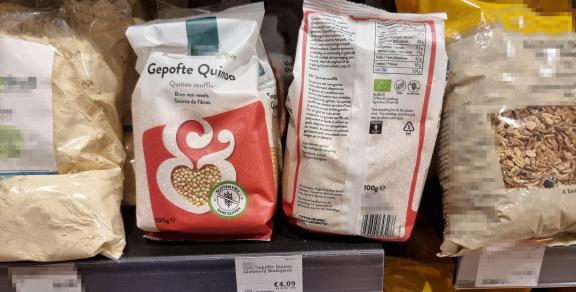
Source: GloballyCool (July 2023)
Moderate growth in short to medium term
Weather conditions are a major driver for Europe’s imports. Poor harvests in Spain and Italy in 2023 and weather issues in 2024 kept imports high. With modest economic growth and lower inflation in the EU, import demand should grow moderately by 1–3% per year.
Tips:
- Read about long-term expectations in the OECD-FAO Agricultural Outlook 2025–2034. There are sections for several product groups.
- Look at trends that could create opportunities or risks in the European grains, pulses and oilseeds market.
- Learn about the European market’s rules by reading our study on the requirements for grains, pulses and oilseeds in the European market.
Import of sustainably produced grains, pulses and oilseeds will pick up again
European imports of organic-certified grains, pulses and oilseeds are still dominated by the Netherlands, Italy, Germany, Belgium and France. This reflects both high demand and a large base of certified importers.
Source: GloballyCool, based on TRACES (September 2025)
Between 2020 and 2024, the EU’s total imports of organic grains, pulses and oilseeds went up and down a lot. They dropped from a record 426,000 tonnes in 2020 to 298,000 tonnes in 2022 because of rising costs and inflation. Since then, they have picked up again, reaching 378,000 tonnes in 2024. This translated to an overall compound annual growth rate (CAGR) of -2.9%.
Organic grains led by rice from India and Pakistan
Grains make up the largest share of organic imports. Rice is a key product. Volumes rose from 82,000 tonnes in 2020 to 109,500 tonnes in 2024 (CAGR +7.5%). Durum wheat and wheat are also key (CAGRs of -4.1% and -11%, respectively). Italy imported the largest volumes of organic grains (68,200 tonnes in 2024), followed by the Netherlands (65,200 tonnes) and Germany (30,100 tonnes). Indian and Pakistani rice contributed significantly, followed by wheat and durum wheat from Ukraine and Türkiye, and quinoa from Bolivia.
Pulses
Organic pulses showed mixed trends. Total EU imports went down from 73,000 tonnes in 2020 to 41,700 tonnes in 2022, before going back up to 61,100 and 57,200 tonnes in 2023 and 2024 (CAGR -5.9%). Major products bought from developing countries included lentils, chickpeas and peas from Türkiye, kidney beans from China, peas from Ukraine and kidney beans from Egypt. Italy and Germany import the most organic pulses, followed by the Netherlands, Belgium and France at quite some distance.
Oilseeds
Organic oilseeds went up and down because of the war in Ukraine. Total imports peaked in 2021 (144,600 tonnes) then collapsed to 83,000 tonnes in 2023. Among the main products were groundnuts from China, linseed from Kazakhstan, sesame seeds from Uganda, rapeseed from Ukraine, oilseeds from Paraguay, linseed from India and sesame from Egypt. The Netherlands is still the largest importer of organic oilseeds (44,200 tonnes in 2024, mainly groundnuts and sesame seeds), followed by Germany (sesame seeds, linseeds and chia seeds), Poland, Czechia and Austria.
Outlook
Despite the temporary slowdown in 2022–2023 because of high inflation, predictions for 2025–2026 are positive. The improved economy, combined with consumers’ growing preference for organic and sustainably produced foods, supports the expectation of moderate growth in imports. Countries with a lot of organic certified importers offer the greatest market opportunities for exporters. These include Germany, Italy and the Netherlands. Certification is necessary to trade organic products in Europe. The most significant organic import products from developing countries will be:
- Wheat;
- Rice;
- Lentils;
- Chickpeas;
- Quinoa;
- Groundnuts;
- Sunflower seeds.
Besides organic food, European consumers seek more and more ethically and sustainably produced products. Fairtrade is the main certification scheme. Only certified traders can sell Fairtrade products. These are generally placed in the medium-to-high-end retail segment. But Switzerland and some UK chains also offer lower-priced Fairtrade options.
The largest markets are Switzerland and Germany, where EcoTerra plays a major role in cereals and oilseeds. Germany and Switzerland have the highest number of certified traders, followed by Italy and France. This makes these countries the most promising markets for exporters of Fairtrade-certified grains and oilseeds.
Figure 8: Private-label Basmati rice with a Fairtrade certification
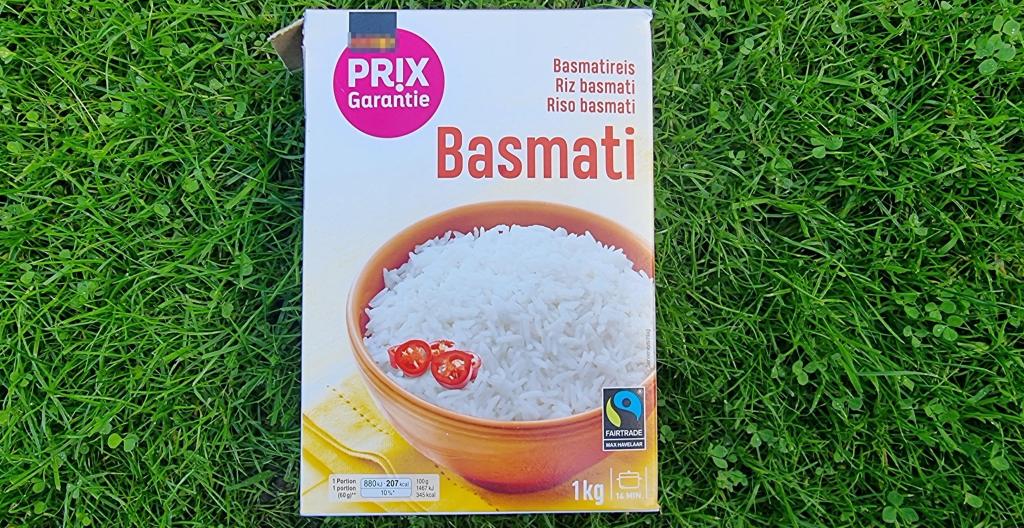
Source: GloballyCool (July 2023)
Tips:
- See organic as a speciality. If your region is not suitable for organic production, focus on producing the cleanest produce possible and think about other sustainability standards.
- Read about the organic legislation in the CBI’s study on European buyer requirements for grains, pulses and oilseeds.
- Read about Fairtrade developments in the Fairtrade Annual Report 2024.
2. Which European markets offer most opportunities for grains, pulses and oilseeds?
Europe’s top markets for grains, pulses and oilseeds from developing countries are Spain, Italy, the United Kingdom, the Netherlands, Germany and France. These six countries combine large imports, big total markets and demand for organic or Fairtrade-certified products.
Source: GloballyCool, based on UN Comtrade (September 2025)
These countries mainly import grains, but their profiles differ. The Netherlands imports a lot of oilseeds, but Italy and the UK are stronger markets for pulses.
Source: GloballyCool, based on UN Comtrade (September 2025)
Tips:
- Study these six markets.
- Visit important European trade fairs like Anuga, Sial, Biofach and Fi Europe (food ingredients).
- Spread your risk across several countries.
- Learn who the main retailers in Europe are. For more information, see our tips for finding buyers.
Spain: largest importer of grains from developing countries
With an estimated 5,400,000 tonnes, Spain was still Europe’s leading buyer of grains, pulses and oilseeds from developing countries in 2024. These made up around 56% of its total imports. Most of these imports were destined for Spain’s domestic market. The country trades with Portugal, France and Italy, but its re-exports are relatively small. Spain’s market importance is clear because it is one of the three largest European importers for a range of products (see Table 1).
Table 1: Products from developing countries for which Spain is one of the three largest European importers
| Grains | Pulses | Oilseeds |
|---|---|---|
| Brown rice (husked), white rice (semi-milled), broken rice, durum wheat, maize starch, maize flour, rye, canary seed, rolled or flaked oats, miscellaneous cereal flours | Kidney beans | Miscellaneous oilseeds |
Source: GloballyCool, based on UNComtrade (September 2025)
Spain mostly imports grains from developing countries (96%). Oilseed and pulse imports are relatively small (2.7% and 1.3%, respectively). Although the import volumes of pulses from developing countries do not show it, the pulse market in Spain is huge. Legumes are a big part of Spain’s diet. Dry formats are most popular, but shelf-stable options (especially canned) keep getting more popular as convenience demand rises. Interest in plant-based eating and limited domestic supply, especially of dry beans, create opportunities for imports.
There are a few products from developing countries for which Spain experienced consistent import growth from 2020 to 2024. Maize starch from Serbia increased from 0 to 5,230 tonnes in 2024, and miscellaneous cereal flour (most likely quinoa flour) from Ecuador grew from 0 to almost 40 tonnes in 2024.
Imports from CBI countries
Table 2 shows CBI countries. It lists which of these countries and products have strong positions in Spain. It shows that there are good opportunities for exporters from these countries. Egypt is listed twice, because Spain is an important destination for Egyptian kidney beans and broad beans.
Table 2: Products of CBI country origin for which Spain is a leading European destination
| Product | Origin | Volume (tonnes) |
|---|---|---|
| Brown rice (husked) | Morocco | 1,580 |
| Kidney beans, dried | Egypt | 10,440 |
| Kidney beans, dried | Ethiopia | 576 |
| Sesame seeds | Burkina Faso | 710 |
| Broad beans, dried | Egypt | 1,547 |
Source: GloballyCool, based on UNComtrade (September 2025)
Spain is also slowly developing small-scale production in select speciality grains, like quinoa. Companies like Salutef show how domestic processors combine ‘made in Spain’ lines with imported, health-oriented ingredients. This offers an opening for value-added speciality-grain suppliers, because local production is not enough. Imports come from Bolivia and Peru (4,230 tonnes and 1,300 tonnes of quinoa in 2024), India (2,950 tonnes of amaranth and smaller volumes of grains like quinoa), Ethiopia and South Africa (400 and 130 tonnes of teff, respectively).
Small organic market
Spain is still a small market for organic and Fairtrade compared to Italy, the Netherlands, Germany and France. The country only imported 3,600 tonnes of organic-certified products in 2024. Imports dropped by 10% on average per year because of inflation and higher prices, leading to lower consumption of premium products.
The organic import profile is pulse-heavy. It is dominated by Türkiye (combined lentil and chickpea imports are approximately 1,000 tonnes), and China provides a steady supply of buckwheat. Pakistan’s organic broken rice supplies were down (from 750 to 300 tonnes), and so were Paraguay’s oilseeds (sesame seeds) and Bolivia’s quinoa supplies. Overall, Spain’s organic sourcing seems unstable and price sensitive. Where present, certified products are concentrated in specialised organic chains (for example, Veritas) and premium retail niches.
Italy: leading destination for pulses from developing countries
Italy imported 1,770,000 tonnes from developing countries in 2024, or 16% of total imports. Around 90% of the volume were grains. 8% were pulses and 2% oilseeds. Italy’s food industry mostly buys grains from developing countries, but demand for pulses is steady.
Italy is Europe's largest importer of pulses from developing countries. It acts as both a major consumer market and a logistics hub. Around 10% of arrivals are re-exported, mainly to Germany, France, Spain, Belgium, the Netherlands and Austria. But domestic use is still the main driver. Table 3 shows that Italy is an important destination for several types of pulses.
Table 3: Products from developing countries for which Italy is one of the three largest European importers
| Grains | Pulses | Oilseeds |
|---|---|---|
| Durum wheat, sorghum, miscellaneous cereals and flours (incl. teff, quinoa), maize starch, millet | Chickpeas, lentils, broad beans, peas, adzuki beans, leguminous vegetables | Cotton seeds, copra |
Source: GloballyCool, based on UNComtrade (September 2025)
The country is also one of Europe’s largest grain importers from developing countries, especially wheat and durum wheat. But they import on a smaller scale than Spain. Italy is Europe’s largest rice producer by far (about 50–55% of EU output) and a notable soy grower. Pasta makers are starting to diversify recipes with ancient grains and pulse flours. This adds to niche demand for non-gluten cereals and legumes.
Figure 11: Chickpea spaghetti, product of the specialised Italian gluten-free pasta producer Andriani
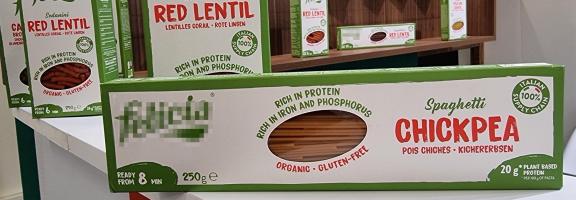
Source: GloballyCool (July 2023)
Weather-related issues since 2022 have made Italy rely on external supply more. This means that Italy’s imports from non-European origins (for example, grain from Ukraine, Türkiye and Kazakhstan) and developing-country suppliers have gone up. This pushed the developing-country share above 15% in 2023, where it has remained. There is one product of two origins that had consistent growth from 2020 to 2024: miscellaneous cereal flour from Senegal (most likely fonio flour, 57% average yearly growth, to 360 tonnes) and Nepal (most likely amaranth flour, +200% to 30 tonnes).
Imports from CBI countries
Table 4 shows Italy’s main imports from CBI countries. There are good opportunities for exporters from these countries. Egypt stands out: the country exports a lot of white rice, dried kidney beans, sesame seeds and dried broad beans to Italy.
Table 4: Products of CBI country origin for which Italy is a leading European destination
| Product | Origin | Volume (tonnes) |
|---|---|---|
| White rice | Egypt | 500 |
| White rice | Sri Lanka | 400 |
| Kidney beans, dried | Egypt | 16,140 |
| Kidney beans, dried | Ethiopia | 6,500 |
| Sesame seeds | Egypt | 690 |
| Miscellaneous oilseeds | Ethiopia | 1,820 |
| Miscellaneous cereal flours | Senegal | 360 |
| Broad beans, dried | Egypt | 2,680 |
| Cotton seeds | Benin | 1,490 |
Source: GloballyCool, based on UNComtrade (September 2025)
The growing gluten-free segment creates opportunities for gluten-free grains like quinoa, teff and fonio. Italy is a large market for organic grains, pulses and oilseeds. This market is quite well developed because Italy has a large organic agriculture and food production base. But Fairtrade is still small. This is clear from the large number of organic-certified and low number of Fairtrade importers in Italy.
Organic imports up by 3.3% per year
Italy’s organic imports rose to 88,000 tonnes in 2024 (CAGR +3.3%). They mainly consist of cereals and pulses needed by Italian millers and pasta producers. This growth shows the Italian market is resilient; Italian consumers are more willing to pay for good food than most other European consumers. Türkiye drives Italian organic cereal and pulse imports, exporting 25,600 tonnes of durum wheat and 7,300 tonnes of lentils in 2024.
Pakistan is Italy’s main rice partner, exporting more and more milled and parboiled long-grain rice. China is important for kidney beans, despite the market going up and down. Canada’s wheat durum exports grew in 2024, as did Egypt’s sesame and beans. Quinoa from Peru and Bolivia is a niche but resilient market.
United Kingdom: leader in rice and highly diversified imports
The United Kingdom imported around 900,000 tonnes from developing countries in 2024, 19% of the total import volume. 78% was grains. Pulses and oilseeds made up 12% and 11%, respectively. The UK’s large grain imports and meaningful pulse/oilseed components show its diverse food and ingredient demand.
The growing trend of veganism in the UK, coupled with the large population of people from diverse cultural backgrounds, has driven demand for pulses, lentils, peas and beans. Products like chickpeas and kidney beans are only produced in limited volumes in the country. This means food companies import a lot of pulses (105,000 tonnes in 2024) for products. These products include standalone tins, pouches of cooked chickpeas and packets of dried pulses. With this volume, the UK is Europe’s largest pulse importer.
About 40% of the UK’s imports are re‑exported, either directly (transit trade, mostly to Ireland) or after processing. The share of imports from developing countries has gone up and down a lot because of Brexit. At first, it went down to 17.5% in 2021. Then, it went up to almost 24% in 2023. In 2024, there was a sharp drop to 19%, caused by major growth in wheat imports from within Europe. Without wheat, the share of developing country growth would have continued in 2024. The UK is a leading market in Europe for rice and several other products from developing countries (Table 5).
Table 5: Products from developing countries for which the United Kingdom is one of the three largest European importers
| Grains | Pulses | Oilseeds |
|---|---|---|
| Brown rice (husked), white rice (semi‑milled), broken rice, oats, millet | Chickpeas, lentils, beans, broad beans, cow peas, adzuki beans, bambara beans | Groundnuts, poppy seeds, mustard seeds, soya‑bean flour & meal |
Source: GloballyCool, based on UNComtrade (September 2025)
A range of products from developing countries saw import growth to the UK in the 2020–2024 period (Table 6). These successes show that there are a lot of opportunities for exporters in the grain, pulse and oilseed sector. These products serve as inspiration for other exporters looking to try their luck on the UK market.
Table 6: Products from developing countries with consistent import growth, 2020–2024
| Product | Origin | Volume 2024 (tonnes) | CAGR |
|---|---|---|---|
| Lentils, dried | India | 16,800 | 122% |
| Lentils, dried | Sierra Leone | 180 | 63% |
| Broken rice | Vietnam | 1,560 | 127% |
| Miscellaneous oilseeds | Türkiye | 600 | 40% |
| Wheat or meslin flour | Thailand | 340 | 58% |
| Wheat or meslin flour | Nigeria | 110 | 337% |
| Broad beans, dried | India | 380 | 202% |
| Bambara beans, dried | India | 184 | 40% |
| Kidney beans, dried | Tanzania | 113 | From 0 in 2020 |
Source: GloballyCool, based on UNComtrade (September 2025)
Imports from CBI countries
The UK is a leading European destination for several products from CBI countries. This shows there are good opportunities for exporters from these countries. Ghana is listed twice in Table 7. The UK is an important destination for Ghanaian oilseeds (miscellaneous, most likely shea) and broad beans.
Table 7: Products of CBI countries origin for which the UK is a leading European destination
| Product | Origin | Volume (tonnes) |
|---|---|---|
| White rice | Sri Lanka | 820 |
| Broken rice | Egypt | 500 |
| Miscellaneous oilseeds | Ghana | 1,430 |
| Miscellaneous oilseeds | Ethiopia | 960 |
| Beans, dried | Nigeria | 850 |
| Miscellaneous cereal flours | Kenya | 420 |
| Broad beans, dried | Ghana | 840 |
Source: GloballyCool, based on UNComtrade (September 2025)
Main market for fairtrade-certified oilseeds
The UK is an especially good market for Fairtrade-certified oilseeds. There are about ten Fairtrade-certified importers in the country. The organic market in the UK is also quite well developed. There are good opportunities for exporters from developing countries. For example, WholeFoods and PlanetOrganic are specialised organic retail chains in the UK.
Tips:
- Stay up to date with non-EU free-trade agreements with the UK on the GOV.UK website. One specific page is dedicated to providing updates on the EU-UK trade agreement.
- Check out the latest Soil Association Organic Market Report.
The Netherlands: hub for conventional and organic produce
As a European trade hub, the Dutch profile is broad and oriented towards re-exports. Large volumes are redistributed to Belgium, Germany and France, either as transit flows or after processing. The Netherlands is one of Europe’s five largest importers of grains, pulses and oilseeds from developing countries. The top performers are rice and cereals, groundnuts and various other oilseeds, and a wide range of beans and chickpeas (Table 8).
Table 8: Products from developing countries for which the Netherlands is one of the three largest European importers
| Grains | Pulses | Oilseeds |
|---|---|---|
| Brown rice (husked), white rice (semi‑milled), broken rice, miscellaneous cereals, maize starch, flour, and other processed maize, buckwheat, millet | Beans, kidney beans, chickpeas, Adzuki beans, peas, cow peas, Bambara beans, leguminous vegetables | Groundnuts, sunflower seeds, sesame seeds, miscellaneous oilseeds, cotton seeds, soya‑bean flour and meal, canary seed |
Source: GloballyCool, based on UNComtrade (September 2025)
The Netherlands imported 861,000 tonnes from developing countries in 2024, or 11% of total imports. Close to 60% of the volume is grains, 38% is oilseeds and 4% is pulses. There are three product origins that experienced consistent import growth in the 2020–2024 period:
- Groundnuts from Paraguay: 3,828 tonnes in 2024 with a +35% CAGR;
- Miscellaneous cereal (mostly quinoa) flours from South Africa: 320 tonnes in 2024 with a +80% CAGR;
- Maize flour from Mexico: 70 tonnes in 2024 with a +55% CAGR.
Imports from CBI countries
The Netherlands is a leading EU destination for several CBI countries (Table 9), especially sesame. The strong supplying country positions for sesame, groundnuts and kidney beans show that there are good opportunities for exporters from these countries.
Table 9: Products of CBI countries origin for which the Netherlands is a leading European destination
| Product | Origin | Volume (tonnes) |
|---|---|---|
| Sesame seeds | Uganda | 3,550 |
| Sesame seeds | Egypt | 2,630 |
| Sesame seeds | Nigeria | 1,450 |
| Sesame seeds | Burkina Faso | 330 |
| Groundnuts | Egypt | 1,520 |
| Kidney beans, dried | Egypt | 370 |
Source: GloballyCool, based on UNComtrade (September 2025)
Largest European destination for organic grains, pulses and oilseeds
The Netherlands is the largest European organic importer by far, with 117,000 tonnes in 2024 (CAGR -2.4% since 2020). The stand-out story for organic supplies from outside Europe is India. Its organic long-grain brown rice supplies to the Netherlands went up sharply from 1,900 to 23,500 tonnes, with broken and milled rice also growing. Besides rice, flows are diverse. Groundnuts from China went back up in 2024, while Ukraine supplied wheat and rapeseed, and Moldova’s sunflower and rapeseeds re-emerged. Türkiye’s pulses eased, and Bolivia’s quinoa stabilised after earlier drops.
Dutch buyers like Tradin Organic, Do-It Organic and Rhumveld are strong entry points for organic produce. The same is true for niche and ancient grains (for example, quinoa, teff and fonio) and speciality oilseeds (for example, sesame and chia seeds). Organic‑certified grains, pulses and oilseeds are sold in organic and health retail chains like Odin and Ekoplaza, and more and more often in the big supermarkets like Albert Heijn, Jumbo and Poiesz.
Germany: untapped potential for supplies from developing countries
Germany sourced 484,000 tonnes from developing countries in 2024, good for a 4.9% share of its total imports. Grains take 60% of the volume, followed by oilseeds with a relatively large share of about 33%, and pulses with only 8%. This shows Germany’s sizeable processing base and oilseed-using industries. The country is also the world's biggest producer of rye, and a large consumer and exporter of speciality grains with added value. Overall, Germany is a large market where developing country volumes are stable. But there is strong competition from EU suppliers.
Germany’s supply mainly comes from within Europe. This means that direct shares of developing countries are relatively small. Within the developing-country mix, grains are driven mainly by rice, and oilseeds by groundnuts and sesame seeds, for which Germany is Europe’s second largest importer. Within pulses, the focus is on lentils, kidney beans, peas and cow peas for ethnic and convenience segments (Table 10). A lot of these imports are re‑exported, either directly through transit trade (mostly to the Netherlands, followed by Austria, Belgium, Italy and France) or after processing.
Table 10: Products from developing countries for which Germany is one of the three largest European importers
| Grains | Pulses | Oilseeds |
|---|---|---|
| Millet, processed maize, buckwheat, cereals other, cereals - processed, maize and flour made of miscellaneous cereals | Lentils, kidney beans, peas, cow peas, leguminous vegetables | Groundnuts, sesame seeds, sunflower seeds, mustard seeds, miscellaneous oilseeds, poppy seeds, soya‑bean flour, cotton seeds |
Source: GloballyCool, based on UNComtrade (September 2025)
Several products from developing countries experienced ongoing import growth to Germany in the 2020–2024 period (Table 11). These successes show there are good opportunities for exporters. The products serve as inspiration for other exporters looking to try their luck on the German market.
Table 11: Products of developing country origin with consistent import growth in 2020–2024
| Product | Origin | Volume 2024 (tonnes) | CAGR |
|---|---|---|---|
| Oilseeds other | Paraguay | 4,880 | 23% |
| Miscellaneous cereal flours (made of teff) | Ethiopia | 390 | 27% |
| Miscellaneous cereal flours (made of rice) | Thailand | 820 | 7.2% |
| White rice (semi/wholly milled) | Argentina | 840 | 21% |
| Oats - processed | Ukraine | 480 | 47% |
| Maize - starch | Türkiye | 340 | 45% |
| Kidney beans, dried | Brazil | 310 | From 0 in 2020 |
| Beans, dried | Egypt | 150 | 97% |
| Peas, dried | India | 120 | 110% |
Source: GloballyCool, based on UNComtrade (September 2025)
Imports from CBI countries
Germany is a leading European destination for sesame seeds from several African CBI countries (Table 12). These strong positions show that there are good opportunities in Germany for exporters from these countries. Sesame and chia (included in miscellaneous oilseeds) seeds offer especially good opportunities, given the number of origin countries in Table 12.
Table 12: Products of CBI country origin for which Germany is a leading European destination
| Product | Origin | Volume (tonnes) |
|---|---|---|
| Sesame seeds | Nigeria | 6,590 |
| Sesame seeds | Chad | 5,400 |
| Sesame seeds | Uganda | 4,030 |
| Sesame seeds | Egypt | 2,260 |
| Sesame seeds | Burkina Faso | 450 |
| Kidney beans, dried | Egypt | 500 |
| Miscellaneous oilseeds | Ethiopia | 2,290 |
| Miscellaneous oilseeds | Egypt | 1,170 |
| Miscellaneous oilseeds | Uganda | 580 |
| Miscellaneous cereal flours | Ethiopia | 390 |
| Broad beans, dried | Jordan | 330 |
Source: GloballyCool, based on UNComtrade (September 2025)
Main market for fairtrade-certified and organic produce
Germany is the largest European market for organic and Fairtrade-certified food products. It has the largest number of Fairtrade-certified importing companies (nine for cereals and 21 for oilseeds). The country is also home to 150 organic-certified importing companies of grains, pulses and oilseeds. There are also several organic retail groups like Biomarkt, DM and Alnatura. But it is the third-largest importer of organic products from outside Europe, behind the Netherlands and Italy.
German organic imports of grains, pulses and oilseeds went back up to 72,000 tonnes in 2024 (CAGR -0.6% since 2020). Wheat from Ukraine jumped to 12,300 tonnes in 2024. Türkiye is still the leading supplier of pulses (lentils 9,300 tonnes, chickpeas 2,700 tonnes). India supplies a growing volume of long-grain rice, and Bolivia is strong in quinoa (4,100 tonnes in 2024). Egypt and Uganda strengthened their performance in sesame, while China’s mixed basket (oilseeds, pulses and worked grains) went down overall.
Tip:
- Check out the offers of German organic retailers. For example, you can use the search function of Alnatura organic retail group to find their range of organic products of your interest.
France: third-largest European importer of rice
France imported 413,000 tonnes of grains, pulses and oilseeds from developing countries; about 18% of total imports. Grains make up 75% of this total, followed by oilseeds (close to 20%) and pulses (8%). This mix reflects France’s broad food industry demand, with notable shares for high-value segments. The highlights per category are as follows.
- Grains: France is a large market for rice. It depends on imports because local production is not enough to meet local demand. Because drought caused lower outputs in recent years, France has been the second-largest market for rice imports in Europe, together with the Netherlands and behind the UK.
- Oilseeds: France is a main destination for groundnuts from Togo, Benin and Peru. But Argentina dominates the supply with 23,090 tonnes. Sunflower seeds from Moldova are a large category (14,980 tonnes) as well.
- Pulses: Although pulses are a relatively small segment, the market in France has seen increasing attention due to growing consumer demand for plant-based proteins and the environmental benefits of pulse cultivation (for example, nitrogen-fixing properties). The largest volumes are imported from Argentina and Egypt (8,030 and 3,000 tonnes of kidney beans, respectively), Türkiye (3,160 tonnes of lentils), Mexico (2,200 tonnes of chickpeas), and Myanmar and Madagascar (1,800 and 1,360 tonnes of dried beans, respectively).
Aside from rice, France is a top-three destination for only a few other products from developing countries: durum wheat, sesame seeds and copra. When we look at growth, a few products from developing countries stand out (Table 13). These successes show that there are good opportunities for exporters. Each product is inspiration for other exporters looking to try their luck on the French market.
Table 13: Products of developing country origin with consistent import growth in the 2020–2024 period
| Product | Origin | Volume 2024 (tonnes) | CAGR |
|---|---|---|---|
| Kidney beans, dried | Egypt | 3,000 | 216% |
| Groundnuts | Togo | 440 | 126% |
| Groundnuts | Benin | 390 | Starting from zero |
| Groundnuts | Peru | 180 | Starting from zero |
Source: GloballyCool, based on UNComtrade (September 2025)
France is one of the largest European producers of wheat, rapeseed and sunflower seeds. It exports these products to other European countries as well. This makes France an important trade partner for several European countries, like Belgium, the Netherlands, Spain and Italy.
Imports from CBI countries
France is a leading European destination for several products from CBI countries (Table 14). These strong positions show that there are good opportunities for exporters from these countries. Sesame seeds, groundnuts and kidney beans offer the best opportunities.
Table 14: Products of CBI country origin for which France is a leading European destination
| Product | Country | Volume (thousand tonnes) |
|---|---|---|
| Groundnuts | Egypt | 410 |
| Groundnuts | Benin | 390 |
| Kidney beans, dried | Egypt | 3,000 |
| Kidney beans, dried | Ethiopia | 350 |
| Sesame seeds | Nigeria | 1,070 |
| Sesame seeds | Egypt | 960 |
| Sesame seeds | Uganda | 770 |
| Miscellaneous cereal flours | Senegal | 500 |
| Broad beans, dried | Egypt | 370 |
Source: GloballyCool, based on UNComtrade (September 2025)
Unstable organic imports
There is a small market for organic and Fairtrade-certified products in France. Most of these products are available in outlets of specialised organic retail formulas, including Biocoop, Naturalia, La Vie Claire, Les Comptoirs de la Bio, Bio C’Bon and NaturéO. But the organic market has been under pressure. France’s imports of organic-certified grains, pulses and oilseeds went down to 19,000 tonnes in 2024 (CAGR -11% since 2020).
The organic rice supply is split between Pakistan (parboiled growth to 1,900 tonnes) and Thailand (stable at about 1,200 tonnes). Non-rice origins are mixed. Egypt’s sesame rose sharply to 700 tonnes, Türkiye’s lentils and chickpeas stayed stable around a combined 3,000 tonnes. Bolivia’s quinoa is below its 2019–2021 highs. Ukraine contributed mixed volumes of rapeseed and processed cereals in 2023–2024. Overall, France is still smaller and more volatile than other large organic markets in Western Europe.
3. Which products from developing countries have the most potential in the European grains, pulses and oilseeds market?
Previous sections gave general and country-specific insights. For exporters from developing countries specifically, the most promising products are: semi-milled or wholly milled rice, miscellaneous oilseeds, miscellaneous cereal flours, sesame seeds, miscellaneous cereals and dried lentils.
Opportunities in the European grains, pulses and oilseeds market
Specific opportunities in grains, pulses and oilseeds depend heavily on your supply capabilities: volume, quality, price positioning and certification. These factors determine which markets and segments you can realistically focus on. Looking at European imports from developing countries, the strongest performers over 2020–2024 were:
- Semi-milled or wholly milled rice;
- Miscellaneous oilseeds;
- Miscellaneous cereal flours;
- Sesame seeds;
- Miscellaneous cereals;
- Dried lentils.
This selection was based on European import volumes from developing countries and the number of supplying countries with consistent and near-consistent growth in exports to European countries. This was combined with a review of market trends.
Table 15: High-potential grains and pulses imported by Europe* from developing countries, import volumes in thousand tonnes (2020–2024)
| 2020 | 2021 | 2022 | 2023 | 2024 | CAGR | |
|---|---|---|---|---|---|---|
| Semi-milled or wholly milled rice | 948.3 | 798.1 | 1,209.9 | 1,278.8 | 1,304 | 8.3% |
| Miscellaneous oilseeds | 84 | 94.7 | 97.3 | 85 | 103.6 | 5.4% |
| Miscellaneous cereal flours | 13.2 | 15.9 | 17.3 | 19.2 | 23.1 | 14.9% |
| Sesame seeds | 142.1 | 154.3 | 119.3 | 130 | 149.3 | 1.2% |
| Miscellaneous cereals | 37 | 34.4 | 33.4 | 33.8 | 51.1 | 8.4% |
| Lentils, dried | 75.4 | 59.2 | 56.6 | 79.6 | 88.7 | 4.1% |
Source: GloballyCool, based on UN Comtrade (September 2025)
For some grains, pulses and oilseeds, the number of supplying countries and the consistency of their quality is still limited for certain European buyers. This presents an important opportunity: these buyers may be open to sourcing from new origins to diversify and reduce supply risks. Although several countries export grains, pulses or oilseeds, most still only offer a small range of commodities.
Tip:
- Take a look at our product factsheets on topics like chickpeas, cowpeas, dried beans, dried mung beans, pigeon peas, sesame oil and sunflower seeds. There are many opportunities for developing-country suppliers of many grains, pulses and oilseeds, simply because Europe depends on imports. These studies show where demand is growing and what buyers expect. If you can offer steady quality and supply, there is real space to grow.
Semi-milled or wholly milled (white) rice
About half of Europe’s rice demand is filled by European production. The other half is imported. Traditionally, Europeans prefer white rice.
Figure 12: White rice from Vietnam
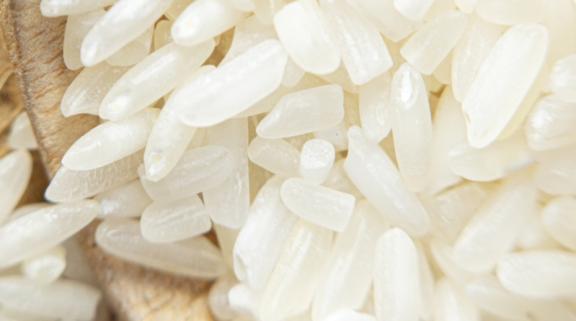
Source: GloballyCool (July 2023)
In 2024, Europe imported around 1.3 million tonnes of white rice from developing countries. Imports grew by an average of 8.3% per year since 2020, although growth slowed to around 2% in 2024. France and the UK were the main importing countries. France imports 180,000 tonnes per year, and the UK imports 140,000 tonnes. The Netherlands, Italy, Spain and Germany import much less. Their volumes are between 80,000 and 120,000 tonnes per year.
Table 16: Top developing countries supplying white rice to Europe, volumes in thousand tonnes, 2020–2024
| Supplying country | Export volume | CAGR |
|---|---|---|
| Cambodia | 275.7 | 15.6% |
| Thailand | 261.7 | 2.7% |
| Myanmar | 232.5 | 9.1% |
| Pakistan | 207.1 | 11.9% |
| India | 204 | 6.6% |
| Vietnam | 87.3 | 9.7% |
| China | 9.5 | -0.1% |
| Guyana | 6.7 | -10.4% |
| Suriname | 4.7 | 8% |
| Argentina | 3.3 | -5.7% |
Source: UN Comtrade (September 2025)
EU imports of organic rice reached a record high of 39,400 tonnes in 2024. They mainly come from India and Pakistan, followed by Cambodia and Thailand. The Netherlands dominates (12,100 tonnes), ahead of Italy (10,000 tonnes), France (6,100 tonnes) and Germany (5,200 tonnes). If divided by the total imports of the EU countries (excluding the UK and EFTA countries), the share of organic rice in total imports has been stable to slightly declining, going up and down between 2.9 and 4.5% per year. The most important Fairtrade markets for rice are the UK, Switzerland and Germany.
Tip:
- Consider focusing on speciality rice. Our study on the opportunities for specialty rice in Europe gives an idea of the European market potential.
Miscellaneous oilseeds
Miscellaneous oilseeds (HS code 120799) are a collection of oilseeds that are not included in other HS codes. They include chia seeds, pumpkin, jatropha, moringa, tung, neem and kapok seeds. European imports from developing countries went up by 5.4% per year. A relatively large number of supplying countries managed to increase their exports to European countries (almost) every year.
The largest market in Europe is Spain (27,100 tonnes in 2024), followed by Germany (18,200 tonnes), the Netherlands (10,700 tonnes) and the UK (8,100 tonnes). China and Paraguay dominate supply. In total, 14 countries exported more than 1,000 tonnes to Europe in 2024, and another seven countries exported 100–1,000 tonnes.
Table 17: Top developing countries that supply miscellaneous oilseeds to Europe, volume in thousand tonnes, 2020–2024
| Supplying country | Export volume | CAGR |
|---|---|---|
| China | 44.4 | 3.6% |
| Paraguay | 18.8 | 18.9% |
| Ukraine | 9.3 | 12.5% |
| Ethiopia | 6.8 | 14.7% |
| Argentina | 4.1 | 13.5% |
| Kazakhstan | 4.0 | 90.3% |
| Bolivia (Plurinational State of) | 2.6 | -3.1% |
| Türkiye | 1.8 | 26.8% |
| Peru | 1.8 | -4.8% |
| Uganda | 1.7 | -3.7% |
Source: UN Comtrade (September 2025)
EU imports of miscellaneous organic oilseeds reached a record high of 14,100 tonnes in 2024. Paraguay was the largest supplier of organic chia seeds by far. The country supplied 7,400 tonnes in 2024, ahead of China (2,800 tonnes) and Bolivia (1,300 tonnes). Germany is the largest importing country (6,800 tonnes), ahead of the Netherlands (3,900 tonnes) and France (1,100 tonnes). If divided by the total imports of EU countries, the share of organic oilseeds in total imports has been stable to slightly increasing, going up and down between 8.8% and 11.6% per year.
The outlook for this group is positive, driven by growing demand for plant-based, high-protein foods and chia seeds. This means there are opportunities for developing countries to increase their exports to the European market.
Tip:
- Read more about the European market potential in our study on chia seeds.
Cereal flours made of rice, quinoa, teff and fonio
Flours of cereals like quinoa, teff, fonio, oats, sorghum, barley, millet and rye offer opportunities for exporters from many different developing countries. In 2024, direct imports from developing countries to Europe were 23,100 tonnes. Import volume increased by 15% every year from 2020 to 2024. Almost all of these imports are conventional products. The volume of organic certified flours (mostly quinoa flour) was down almost every year since 2020. It is very small compared to total import volume.
Supplying countries from Asia lead rice flour and amaranth flour exports. African countries offer other flours, like Ethiopia and South Africa with teff and Senegal with sorghum.
Table 18: Top developing countries supplying cereal flours to Europe, volume in tonnes, 2020–2024
| Supplying country | Export volume | CAGR |
|---|---|---|
| Thailand | 6,350 | -2.2% |
| India | 5,640 | 28.6% |
| Myanmar | 1,200 | 115.7% |
| Brazil | 1,130 | 126.7% |
| Senegal | 1,100 | 27.0% |
| Ethiopia | 930 | 165.1% |
| Kenya | 875 | 806.5% |
| China | 740 | 24.8% |
| Cambodia | 680 | -1.6% |
| South Africa | 660 | 15.5% |
Source: UN Comtrade (September 2025)
The UK (5,600 tonnes), France (4,100 tonnes) and Germany (3,100 tonnes) are the three largest destinations, with a total share of 55% of European imports. The Netherlands, Spain and Italy import smaller quantities (2,300, 1,600 and 1,100 tonnes, respectively).
Most of this group of cereal flours is gluten free, in general. In practice, in the EU, this means gluten content needs to be below 20 PPM (parts per million). Gluten-free flours are made of cereals like oat, sorghum, millet, teff, fonio and quinoa. They are a major ingredient of gluten-free products. These are essential for people with gluten-related disorders like coeliac disease, wheat allergy and non-celiac gluten sensitivity. Europe is one of the largest markets for gluten-free flours. The market will continue to grow because many Europeans are diagnosed with coeliac disease every year.
The gluten-free market in Europe is quite diverse. Only a few brands sell across the whole region, like Schar from Italy and Orgran from Australia. Most companies focus on their own national markets. Nearly every European country has local producers of gluten-free foods. This means that a higher number of products without gluten is available every year.
Tip:
- To understand the European market potential better, take a look at our studies on specialty grains with added value and healthy snacks. These reports give detailed insights into new trends, what consumers like and the growing demand for these products across Europe.
Sesame seeds
Demand for sesame has grown recently because there is more interest in healthy and vegan diets. This is expected to continue. Sesame is also a traditional ingredient in the bakery industry. The diaspora population in Europe consumes relatively large volumes of sesame. They use it in traditional Eastern European sweets, Asian dishes, tahini and hummus, for example. Europe imports almost all of its sesame. This makes it an interesting market. European imports from developing countries totalled 149,000 tonnes in 2024.
The organic-certified volume makes up a relatively high share: 12–16% of total EU imports per year. The Netherlands and Germany dominated imports with 9,000 and 8,100 tonnes, respectively, in 2024. Together, this makes up more than 75% of the EU total. There were 12 countries that exported more than 100 tonnes of organic-certified sesame to Europe in 2024, but Uganda (8,600 tonnes), Egypt (6,300 tonnes) and Pakistan (3,700 tonnes) dominated the supply.
Greece imports the highest volume (37,800 tonnes), ahead of Germany (34,700 tonnes), the Netherlands (22,100 tonnes) and Poland (12,500 tonnes). Greece’s imports grew fastest (+5.2% per year) of all the large markets. But the Netherlands seems to offer the most opportunities for new suppliers. This is because it had the highest number (12) of supplying developing countries with close to consistent growth between 2020 and 2024. Most sesame seeds come from India and Nigeria. Nigeria’s supplies grew quickly in 2020–2024, and India’s dropped considerably.
Table 19: Top developing countries supplying sesame seeds to Europe, volume in thousand tonnes, 2020–2024
| Supplying country | Export volume | CAGR |
|---|---|---|
| India | 29.6 | -18.4% |
| Nigeria | 25.7 | 13.8% |
| Pakistan | 11.4 | 92.1% |
| Türkiye | 11.2 | 5% |
| Uganda | 10.1 | 20.4% |
| Chad | 8.4 | 164.3% |
| Egypt | 8.4 | 38.8% |
| Sudan | 6.1 | -13.4% |
| Brazil | 5.4 | 30.2% |
| Guatemala | 4.8 | 3.6% |
Source: UN Comtrade (September 2025)
Entering the European sesame market can be difficult because of strict quality requirements, especially around salmonella. Türkiye’s shipments of sesame seed to Europe face a 20% increase in checks on salmonella. Exports from Ethiopia (50%), Nigeria (50%), Sudan (50%) and Uganda (20%) have had more checks too, but with the additional requirement of a health certificate and a certified analytical test report. India also faces more checks because of pesticide residues.
Tip:
- Read more about the European market potential in our study on sesame.
Miscellaneous cereals
The group of unprocessed miscellaneous cereals includes all cereals except rice, wheat and maize. Imports of these cereals grew to 51,000 tonnes in 2024, thanks to a strong increase in imports from Ukraine. The supply of this group of cereals is quite balanced. Countries in South America (quinoa) and Africa (teff, fonio) are among the main suppliers to Europe, and so is India (amaranth).
The share of organic certified cereals in the EU is quite high, at 29–53% per year. This volume is going down, however. Germany dominates EU imports with 40% (5,700 tonnes in 2024), followed by the Netherlands (20%, 2,900 tonnes), France (16%, 2,300 tonnes) and Italy (12%, 1,700 tonnes). Bolivia is the largest supplier by far, with 8,800 tonnes of quinoa in 2024. Peru is second (3,800 tonnes quinoa), followed by India (1,300 tonnes, most likely amaranth).
Figure 13: Organic fonio from Burkina Faso available in a Dutch webshop
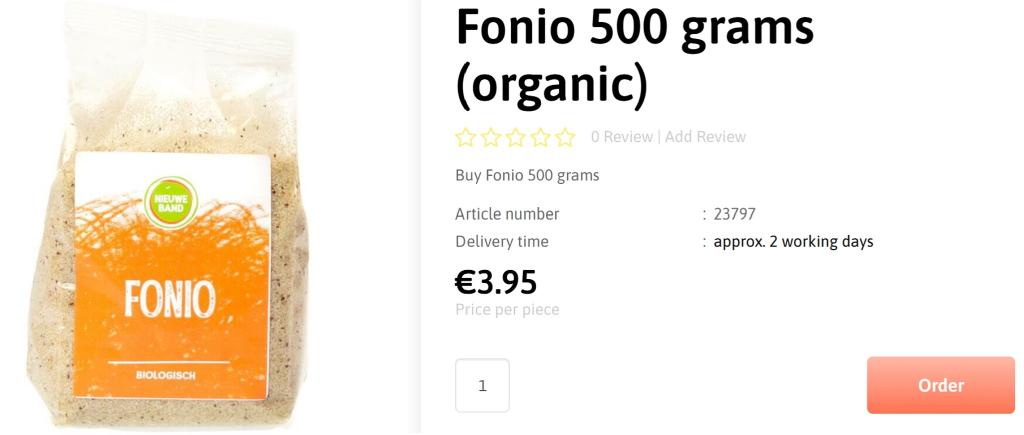
Source: GloballyCool (October 2025)
Thanks to the large rise in imports from Ukraine, Germany strengthened its position as the leading importer from developing countries. The country imported 27,800 tonnes in 2024. This places it far ahead of the Netherlands (4,400 tonnes), Italy (3,800 tonnes), France (3,000 tonnes), the UK and Spain (both 2,800 tonnes).
Table 20: Top developing countries supplying miscellaneous cereals to Europe, volume in tonnes, 2020–2024
| Supplying country | Export volume | CAGR |
|---|---|---|
| Ukraine | 19,916 | 150.6% |
| Peru | 13,429 | -6.1% |
| Bolivia (Plurinational State of) | 10,195 | -1.9% |
| India | 4,688 | -1.6% |
| Argentina | 658 | 16.5% |
| South Africa | 539 | -11.8% |
| Morocco | 303 | 100.9% |
| Ethiopia | 234 | 0.9% |
| Djibouti | 184 | 41.4% |
| China | 147 | -7.3% |
Source: UN Comtrade (September 2025)
Most of the grains in this group are gluten free. This can only be used as a unique value proposition in the European market if the product has less than 20 PPM of gluten. In practice, most of the products in this category are sold with a legally required disclaimer stating that they may contain traces of gluten.
Tip:
- Read more about the European market potential in our studies about speciality grains with added value, fonio, quinoa and teff.
Dried lentils
Lentils are some of the most popular pulses in the European market. Imports from developing countries went up 4.1% per year, reaching 88,700 tonnes in 2024. This was driven by rising consumer demand for plant-based proteins and health-conscious diets. The largest market is the UK (27,600 tonnes), followed by Germany (16,800), Italy (14,600 tonnes) and the Netherlands (8,400 tonnes). Italy has a particularly strong tradition of lentil consumption, both in local cuisine and through its large canning industry.
Imports to the UK and the Netherlands grew quite quickly. Still, the UK is the most interesting market by far. It is the only market for which exports of two supplying developing countries showed consistent growth in the 2020–2024 period. Also, eight countries had almost consistent growth (apart from one year). The UK has Europe’s largest ethnic population. This is an important driver of the lentil market. Lentils are a key ingredient in South Asian and Middle Eastern cooking, which many people in the UK enjoy.
Volume of lentils from developing countries seems large, but Canada dominates the European lentil market. It supplies about half of extra-European exports. The United States is another large supplier, with 13% of total European imports (37,000 tonnes). Within the group of developing countries, Türkiye dominates with 54,400 tonnes. In total, 14 developing countries supplied more than 100 tonnes of dried lentils to Europe in 2024.
Table 21: Top developing countries supplying dried lentils to Europe, volume in tonnes, 2020–2024
| Supplying country | Export volume | CAGR 2020–2024 |
|---|---|---|
| Türkiye | 54,424 | -0.5% |
| India | 20,638 | 68.5% |
| Kazakhstan | 7,499 | 12.3% |
| Ukraine | 2,180 | -7.5% |
| China | 992 | -36.4% |
| Myanmar | 394 | -0.4% |
| Egypt | 375 | 47.6% |
| Lebanon | 292 | 1% |
Source: UN Comtrade (September 2025)
The market for organic lentils is quite large. It has a relatively stable 12.5% share of the total market. Türkiye dominates organic supplies. Europe’s largest organic markets are Germany (10,200 tonnes in 2024) and Italy (7,500 tonnes), followed France (3,400 tonnes) and the Netherlands (3,300 tonnes) at quite some distance. With the ongoing shift towards plant-based proteins, the demand for lentils is expected to stay strong. This will create opportunities for established exporters and new suppliers from developing countries.
Tip:
- Get a better understanding of the European market by reading our study on dried lentils. This study offers valuable insights into market trends, consumer preferences and potential growth areas in Europe for lentil imports.
GloballyCool carried out this study on behalf of CBI.
Please read our market information disclaimer.
Search
Enter search terms to find market research
Do you have questions about this research?
The plant-based food market is growing, especially for meat substitutes, but it is also becoming more competitive with more players entering the market. This competition, alongside shifting production to the East, shows that the European market is evolving.

Willem Barend van Os of AgriFood Ingredients
Webinar recording
7 April 2021