

Entering the Italian and Spanish market for apparel
End consumers in Italy and Spain appreciate style and design. Italians focus more on quality and brand image, and the Spanish focus more on modern, affordable and practical styles. Both countries prefer local brands. Italy and Spain are home to some of Europe’s largest fashion retailers. These retailers operate thousands of stores worldwide, meaning they have a major influence even outside of their local economies. These include Spain’s Inditex (Zara, Massimo Dutti, Bershka) and Mango, and Italy’s Piazza Italia, OVS and Benetton.
Both countries also have strong local apparel industries. These are supported by well-known retail networks and trusted brands. This means competition is tough for foreign exporters. Italy’s apparel industry is known for craftsmanship, luxury and design. Regions like Tuscany and Lombardy have high-end ateliers and fast-fashion factories. Some of these factories are managed by a Chinese community in Prato. Spain’s Galicia and Catalonia support fast, affordable production for brands like Zara and Mango.
Contents of this page
- What requirements and certifications must apparel meet to be allowed on the Spanish and Italian markets?
- Through which channels can you get apparel on the Spanish and Italian markets?
- What competition do you face on the Spanish and Italian apparel markets?
- What are the prices of apparel on the Italian and Spanish markets?
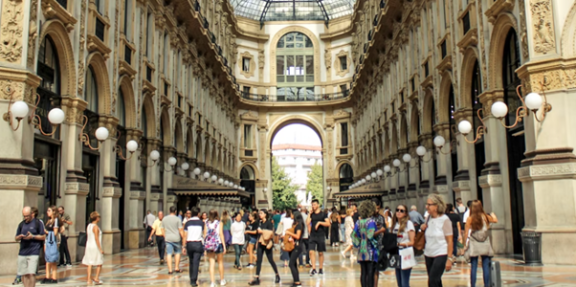
Figure 1: Both Italy and Spain have warm summers, mild winters and strong local apparel brands popular in other European countries
Source: Kristijan Arsov on Unsplash
1. What requirements and certifications must apparel meet to be allowed on the Spanish and Italian markets?
You need to comply with several requirements to export apparel to Italy and Spain. These include legal requirements based on European Union (EU) laws and regulations, as well as national laws and regulations.
What are mandatory requirements?
There are many legal requirements for exporting apparel to Europe. There are, among others, EU regulations around product safety, use of chemicals (REACH), quality and labelling. Children’s wear has special EU consumer safety requirements (see below). Check the EU Access2Markets online helpdesk for an overview.
Follow these steps to ensure that your product complies with the relevant legal requirements:
- Make sure your product complies with the EU’s General Product Safety Directive (GPSD: 2001/95/EC). If your buyer supplied the product design, it is their responsibility to guarantee it is legally safe for consumers to use.
- Make sure you comply with the EU’s REACH Regulation. This restricts the use of chemicals in apparel and trims, including certain Azo-dye, flame retardants, waterproofing and stain-repelling chemicals, and nickel. Test input materials before production to prevent non-compliance.
- Pay particular attention to the following safety standard that applies to apparel for children: EN 14682. It contains requirements to ensure that cords and drawstrings are placed safely on apparel for children up to 14 years.
- Specify the material composition of every apparel item that you export to the EU, in line with Regulation (EU) 1007/2011.
- Do not violate any intellectual property (IP) rights and do not copy or share designs with other buyers. If your buyer provides the design, they will be liable if the item is found to violate a property right.
National regulations
On top of EU-wide rules and regulations, there are a few national laws that apply to apparel exports to Italy and Spain. The Italian Consumer Code (Codice del Consumo, Legislative Decree No. 206/2005) says that all required label information must be provided in Italian. This includes fibre composition and the name of the importer or marketer. Spain has a similar law (Real Decreto 928/1987).
At the moment, Italy and Spain are working on introducing national Extended Producer’s Responsibility (EPR) schemes. This is in keeping with EU-wide EPR-proposals. It is alsosimilar to other national schemes, like in France, Sweden and the Netherlands. This means that any importer or marketer of apparel in Spain must help with the collection, sorting and processing of textile waste. Italy has had a mandate on the separate collection of textile waste since 1 January 2022.
Italy and Spain do not have extra national rules and regulations for apparel importers and marketers around social and environmental due diligence. But it is important to know that many Italian and Spanish apparel brands and retailers sell in other European markets. Some of these markets do have national regulations. This is true for multinationals like Zara and Benetton, but it also applies to smaller brands popular outside Italy and Spain. These apparel companies need to comply with national laws and regulations no matter where they are active in the EU.
Tips:
- Read the CBI study on buyer requirements for an extensive overview of the legal, non-mandatory and niche requirements you will face as an exporter of apparel to Europe.
- Check the EU Access2Markets online help desk for an overview of all legal requirements in the EU that apply to your product.
What additional requirements and certifications do buyers often have?
Spanish and Italian buyers may confront you with other, company-specific terms and conditions. Such requirements are usually written in a buyer manual. By signing a contract with your buyer, you confirm that you will follow all the requirements listed in the manual. You will be responsible in case of a problem after the delivery of an order. If a buyer does not have a manual, make sure all terms and conditions are clear and agreed upon beforehand to avoid unpleasant surprises.
The following topics may be included in a buyer manual.
Payment terms
For first-time orders, Spanish and Italian buyers may give you a down payment via bank transfer (for instance 30%). They will pay the rest (70%) after the order has been completed, again via bank transfer. Buyers may also give you a bank guarantee. This statement guarantees that the sum will be paid at a certain date.
Another payment method is the L/C (Letter of Credit). With an L/C the buyer’s bank must pay the supplier when both parties meet the conditions they have agreed upon. This is the safest payment method for a manufacturer. An L/C can also be used to get funds to purchase materials. But many buyers avoid L/C payments, because they block their cash flow. Administrative costs in case of changes in delivery terms are also high. Be aware that L/Cs do not offer financial protection against bankruptcy.
For any further orders, most European buyers will ask for a TT (Telegraphic Transfer/Open Account) after 30, 60, 90 or sometimes even 120 days. This means you as a manufacturer finish the production and hand over the shipment to the buyer, including the original documents, before payment is due. The payment will be made after the number of days that you have agreed on with the buyer. This is a risky payment agreement because you, as the manufacturer, take full financial risk.
Delivery terms
Free on Board (FOB) is the standard Incoterm used by buyers and sellers to agree on delivery of goods. With FOB, the buyer becomes responsible for the goods once you have delivered them to the vessel. Because of rising shipping costs and risky sea travel via the Red Sea, some buyers may ask you to agree to Delivery Duty Paid (DDP). This means that you, as a seller, are responsible for the goods throughout the entire journey, except for when the buyer is unloading. This is the riskiest Incoterm for you as a manufacturer, so be aware.
Nominated suppliers
Some buyers may require you to source materials (fabrics, trims, labels, packing materials) from a specific supplier. This means that you are responsible for the ordering, delivery and payment of the materials. You are not, however, responsible for the quality, as this is confirmed beforehand by the buyer. Needing to get materials from a specific source may negatively impact your flexibility, cost, speed and liquidity. Discuss locally available solutions with your buyer to possibly replace recommended suppliers.
Acceptance quality limit
To guarantee product quality, your buyer may set an acceptance quality limit (AQL). This refers to the worst quality level that is still acceptable. For instance, AQL 2.5 means that your buyer will reject a batch if more than 2.5% of the items are defective. Defects are classified as critical, major and minor defects. Buyers will specify their expectations in the inspection protocols. Industry network Eurofins gives the following general definitions:
- Critical: a defect that fails to meet mandatory regulations and/or affects the safety of (end) consumers;
- Major: a defect that leads to product failure and reduces the product’s useability and/or saleability;
- Minor: a defect that shows deviation from quality standards but is not likely to reduce the useability or saleability of a product.
Packaging requirements
Typically, your buyer will instruct you how to package the order. If you agree on delivering Free on Board (FOB), your buyer will clear customs in the country of import. It is their responsibility to ensure the instructions on the packaging comply with EU import procedures. Make sure to reduce the environmental impact (and financial cost) of packaging materials. You can, for example, try using materials made from recycled cardboard (including hangers) or biodegradable plastics (polybags).
Restricted substances
Ask your buyer if they use a Restricted Substances List (RSL). These lists are often based on the guideline on safe chemicals use from the Zero Discharge of Hazardous Chemicals (ZDHC) foundation. Download the ZDHC Conformance Guidance.
Transparency
Supply chain transparency is important for the European apparel industry. It is motivated by the ever stricter laws at EU and national levels. The EU’s new Corporate Sustainability Due Diligence Directive (CSDDD) and the Corporate Sustainability Reporting Directive (CSRD) require larger apparel companies to report on how they manage social and environmental risks. Disclose information about your own operations to buyers, but also help them gain insight into their (and also your) entire supply chain.
Equality
Italian and Spanish buyers may require that you pay special attention to diversity and inclusion in your workforce. All individuals in your company should have equal opportunities, regardless of gender, race, religion or other characteristics. This can result in more creativity, innovation, and problem-solving.
Animal welfare
If you use wool, animal welfare is an important concern. Buyers may require that you only use RWS-certified wool. If you use merino, buyers may require that you only use non-mulesing wool.
Regenerative agriculture
The use of organic cotton is popular among fashion brands throughout Europe. Efforts to make cotton production more sustainable have expanded to include ‘regenerative agriculture’. This is a concept focused on phasing out harmful fertilisers and pesticides and ‘regenerating’ nature, including biodiversity, soil health and water. Inditex in Spain and Diesel in Italy, among others, have set goals in this area. Control Union has introduced the first certification for regenerative agriculture: regenagri.
Carbon footprint
Many Italian and Spanish brands have committed to climate neutrality. Check, for instance, Mango´s climate goals, which have been verified by the Science Based Targets Initiative. Calculating the CO2-footprint of an apparel item is a complicated process. It starts with carefully measuring your emissions before reducing them. Several organisations have set benchmarks for certain materials and/or products. Check the CBI study Tips to go green for more information.
Recycling
The EU is introducing new legal measures to increase circularity. These measures include new directives on durability and ecodesign of textile products and a ‘right to repair’. The EU is also working on an EU-wide EPR for apparel (extended producer responsibility). These make companies responsible for the way their products are disposed of, recycled or repaired. Recycling and repurposing materials helps your buyers reduce waste and save resources. Italy, especially, has a long history of recycling textile waste, centred around Prato.
Certification
Most Spanish and Italian buyers require suppliers to get certified for sustainable and/or fair production or the use of sustainable materials. BSCI, SA8000 and Sedex are the most popular standards in Italy and Spain. The Responsible Wool Standard (RWS) and Recycled Claim Standard (RCS) are widely recognised material standards in both countries. GOTS is widely used in Italy for organic cotton and wool. It is used a little less in Spain.
Certifications like Fair Wear Foundation (FWF) and Fair Trade are far less recognised in Italy and Spain. These standards are almost exclusively used by smaller apparel brands with sustainable profiles. The same is true of B-Corp certification. Inditex, Mango and Benetton, for example, are not B-Corp certified. These companies mostly have their own codes of conduct or use Amfori BSCI or Sedex.
For a more elaborate overview of popular standards, check the CBI study on Buyer requirements.
Table 1: Popular standards in Italy and Spain
| Name of standard | Logo | Type of compliance | Further information on how to get certification |
|---|---|---|---|
| Amfori BSCI | 
| Social | On invitation by buyers. Amfori provides a list of organisations that can perform an audit |
| SA8000 | 
| Social, environmental | Check the SA8000 certification process. |
| Sedex | 
| Social, environmental | Check the Sedex certification process |
| GOTS | 
| Social, environmental (organic production) | GOTS provides a list of organisations that can perform an audit |
| OEKO-TEX® STeP | 
| Social, environmental | Check the OEKO-TEX® STeP application process |
| Responsible Wool Standard | 
| Animal welfare, Environmental | Check how to get RWS certified |
| Recycled Claim Standard | 
| Environmental (material recycling) | Check how to get RCS certified |
Source: FT Journalistiek
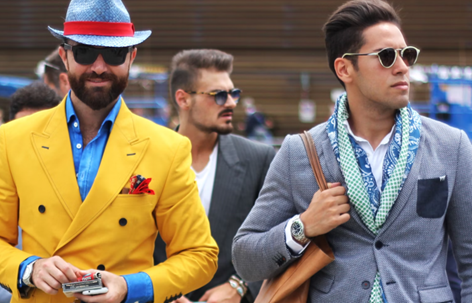
Figure 2: Fashion in Italy and Spain shares creativity and craftsmanship
Source: Mariya Georgieva on Unsplash
Product design and development
Fashion in Italy and Spain shares creativity and craftsmanship. But there are small differences between both countries in characteristics like styling, design and material use.
Italian fashion is widely related to elegance, luxury craftsmanship and perfect tailoring. Silhouettes often all are about clean lines, sculpted forms and a balance between classic shapes and more unusual ones. Italian brands often rely on high-quality natural materials like fine wool, silk, cashmere and premium leather. Many of these materials are sourced from inside Italy (Prato, Biella).
Italy is also a leader in textile innovation. It experiments with recycled fibres, bio-based fabrics and sustainable dyeing techniques, especially within the luxury sector.
Spanish fashion is known for its boldness and trend-driven aesthetic. It is very much influenced by the success of fast-fashion retailers like Inditex and Mango. Silhouettes are often useful in different situations and designed for everyday wear. They have vibrant prints, colour contrasts and playful details. Spanish fashion is traditionally more mass-market oriented. The use of sustainable fabrics, like organic cotton, recycled polyester and regenerated fibres, is growing.
Table 2: Apparel design characteristics in Italy and Spain
| Italy | Spain | |
|---|---|---|
| Styling | Stylish and modern, with a mix of classic and trendy looks. | Bold designs, in line with the latest fashion trends. |
| Material use | Focus on high-quality fabrics and materials including cotton, fine wool, cashmere, silk and premium leather. | Spain’s fast-fashion giants uses a greater share of cotton, synthetics, and blends to support trend-driven, affordable collections. |
| Functionality | Clothes are made to be both beautiful and comfortable for everyday life. | Designed for everyday wear, with vibrant prints, colour contrasts, and playful details. |
| Sustainability | Growing mainstream focus on (locally sourced) eco-friendly and innovative materials. | The use of eco-friendly materials is growing, mostly used by smaller brands targeting a younger audience, like Ecoalf and Thinking Mu. |
| Silhouettes | Slim and elegant shapes are common, but relaxed fits are also popular in summer. | Spanish brands favour relaxed fits, layering, and trendy shapes suited for everyday wear. |
| Craftsmanship | ‘Made in Italy’ stands for a strong tradition of excellent sewing, tailoring, and handmade details. | A balance between regional crafts and mass-market efficiency. |
Source: FT Journalistiek
Communication
Smooth communication is crucial. Always reply to email within 24 hours, even if it is just to confirm that you have received the email and will send a longer reply later. If you have a problem with a production order, immediately let the buyer know and offer a solution. Create a critical path for every order and share it with your buyer. This will help you manage expectations and keep an eye on progress. It is also the best guarantee of on-time delivery.
Flexibility
If you want to start a business relationship with an Italian or Spanish buyer, be prepared to accept complicated orders first. Buyers will want to test your factory before giving you large, easy orders. Make sure from the start that a buyer will not place only difficult orders with you, and convenient orders elsewhere. Expect a European buyer to require for their first order:
- High material quality and impeccable workmanship;
- Order quantities below your normal minimum order quantity (MOQ);
- A lower price level than you would normally accept for small-quantity orders.
To increase flexibility, factories can install a sample room (to produce small orders) or a modular production setup (an ‘island’ instead of a production line). You can also U-shaped set-up, where employees can control several machines at the same time.
What are the requirements for niche markets?
The Italian and Spanish apparel markets offer several interesting niches. Be aware that niche buyers usually offer smaller orders and require a relatively high level of service. This means you need to adjust your manufacturing and sourcing setup if you want to make a profit.
Tailored fashion
These are custom suits made especially for one person. Italy is famous for high-quality tailoring. People who want the perfect fit and style choose made-to-measure suits. This is a small but important market. Supplying to this market requires high flexibility and excellent tailoring skills.
Premium leather products
Italy is known for excellent leather products, like bags, belts and shoes. These products use the best materials and require a lot of skill to produce. Luxury leather goods are popular with rich customers who want something special.
Stylish sportswear
Italian sportswear combines fashion and comfort. Products like stylish tracksuits, sports jackets and shoes are popular. They are made with high-quality fabrics and look good both for sports and casual wear. Check the CBI study on sportswear for more information about the requirements.
Flamenco dresses
These are traditional Spanish dresses used for flamenco dancing. They have bright colours, ruffles and special designs. Flamenco dresses are popular for festivals and shows. There is always demand for new styles.
Sustainable casual wear
Spain has a growing market for eco-friendly clothes. Casual shirts, dresses and trousers made from organic cotton or recycled materials are becoming popular, especially with young people.
High-quality swimwear
Both Spain and Italy have many beaches, so swimwear is important. High-quality swimsuits with fashionable designs and materials are in demand. Local brands often create unique styles that suit the Mediterranean lifestyle. Read the CBI study on swimwear for more information about requirements.
Tips:
- Focus on the product category that meets your manufacturing capabilities best.
- Investigate which sustainable fabric options you could offer buyers, including organic cotton, Ecovero™ Viscose and rPET. Try to offer your buyers verifiable data about the environmental impact of these materials.
2. Through which channels can you get apparel on the Spanish and Italian markets?
Before you approach Italian and Spanish apparel buyers, you need to decide what market segment fits your company best. You should also choose a sales channel or channels through which you want to sell your product.
How is the end-market segmented?
Italian and Spanish apparel buyers can best be classified by price/quality level.
Table 3: Apparel consumer segments
| Consumer type | Price level | Features | Material use | Functionality | Order Quantities |
|---|---|---|---|---|---|
| Luxury consumers | Very high retail prices | High comfort, fashionable designs and shapes | Natural, luxury materials | Very high requirements around durability | Low order quantities |
Mainstream fashionable consumers | Medium retail prices | Combination of practical multi-purpose items, and fashion | Good quality, often made from sustainable materials | High requirements around comfortability | Medium/high order quantities |
Price-conscious consumers | (Extremely) low retail prices | Basic styles with a focus on comfort | Medium-low quality materials | Low functionality | High order quantities |
Source: FT Journalistiek
Luxury consumers
High-fashion consumers shop at luxury brands and retailers and high-fashion brands. These consumers expect elegant and unique designs, focused on style and quality. Brands in this segment offer top-quality materials and manufacturing, the latest technical innovations and very comfortable designs. Order quantities are small, and quality requirements and retails prices are high.
Mainstream fashionable consumers
Brands and retail companies in the middle market sell fast-changing collections that are created around a brand image. They offer good-quality products for mid-level prices. Products need to have the technical look of a high-end product but be comfortable and suitable for different occasions. Sustainable materials are appreciated. Social compliance is a must.
Price-conscious consumers
The budget market caters to price-conscious consumers. Design, quality and sustainability are less important. But apparel items need to give the impression that they are fit for purpose and in line with the latest fashion trends. Prices are low and competition is strong in this market segment, when it comes to both retail and manufacturing. Order quantities are high because products sell fast.
Tips:
- Check online shopping platforms like Privalia (Spain), El Corte Ingles (Spain), Yoox (Italy) and LuisaViaRoma for inspiration on styles and designs from Italian and Spanish fashion brands.
- Work with Italy and Spain-based distributors, wholesalers or retailers to gain market access. Remember to choose an entry strategy, whether exporting to retailers directly, taking part in trade fairs or establishing a local presence.
Through which channels does a product end up on the end market?
There are many different ways to sell apparel to Italian and Spanish buyers, depending on their place in the apparel value chain. Each type of buyer has unique requirements. Always be aware of what type of buyer you are dealing with and see if you can meet their demands.
Table 4: Apparel sales channels in Europe
| Sales channel | Who’s your buyer? | Requirements | Examples |
|---|---|---|---|
| 1 | European end-consumer | You can target European end-consumers directly with your own online shop (with promotion via social media), or indirectly via existing platforms. You will need to invest in an online shop, stock, order management and customer service. Your biggest challenges will be return policies and a lack of brand awareness.
Note that online B2C-platforms may require a percentage of each sale and/or a monthly fee.
You need a legal representative in Europe to ensure compliance with the EU’s General Product Safety Regulation (GPSR: 2023/988). |
|
| 2 | Online multi-brand platform | Online multi-brand platforms sell existing brands and often develop their own private collections, mostly value brands. They can detect market interest very quickly and will immediately react to sales data.
Usually, such companies will place a small test order first. If the item is selling well, they will place the actual production order. Fast delivery is a must. |
|
| 3 | Retailer | Apparel is sold by big retail chains in shops and online and by smaller boutique shops that can be found in almost every European city. Retailers sell existing brands and may order collections specially developed and manufactured for them. | |
| 4 | Brand | Apparel brands develop a collection 6 to 9 months in advance. You will need a sample room, as brands require salesman samples (SMS) of each collection style. Every salesman sample needs to be actual: it must look exactly like the product will in the shop. It may take many months before orders are placed. |
|
| 5 | Intermediary | Agents, traders, importers and private label companies sell your product on to buyers up the value chain. They are extremely price focused and require flexibility in quantities and qualities.
Some are located near or in the production countries and primarily do sourcing and logistics, others work from Europe and also do market research, design and stock keeping. Their service level determines the commission rate they charge. |
|
Source: FT Journalistiek
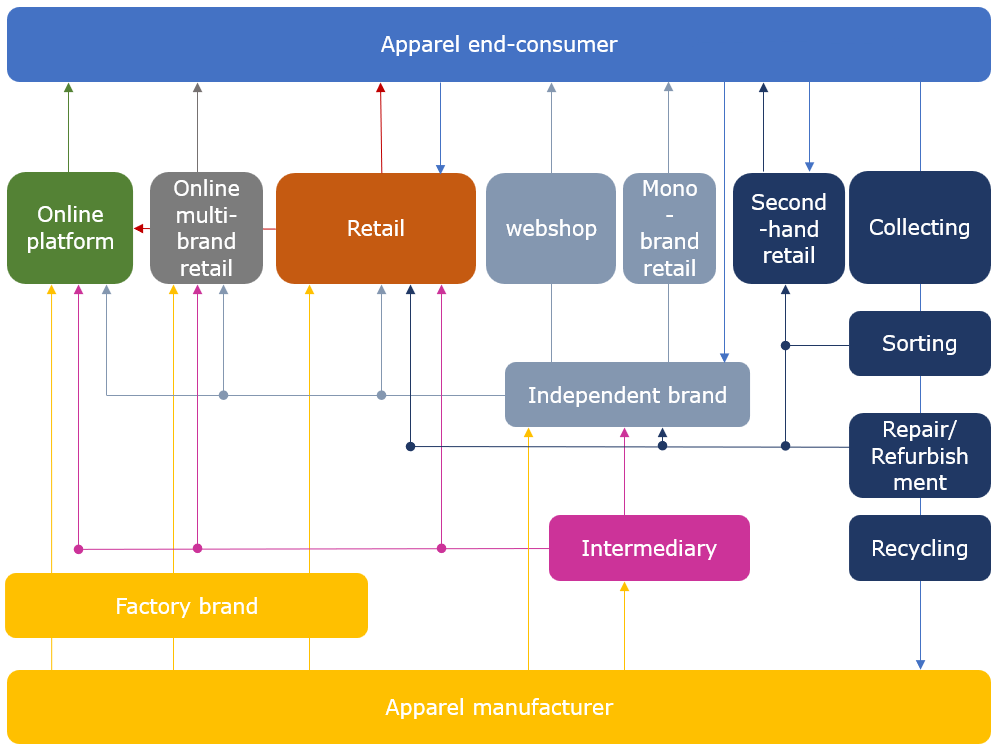
The figure below shows the many ways you can get your product on the Italian and Spanish markets. It can either be done via an intermediary, your own brand, or via brands, retailers or online (multi-brand) platforms. Notice how, ideally, consumers return their apparel items to the seller after use, to be reused, repaired, refurbished or recycled.
Figure 3: Apparel market value chain
Source: FT Journalistiek
Tips:
- Read the CBI study 11 Tips for Doing Business with European Buyers to learn how to approach and engage buyers. This report also describes how you can get practical help to understand European business culture, analyse your USPs and do business with European buyers.
- Focus on participating in niche trade fairs and target smaller companies with growth potential.
- Fast and flexible delivery is a must across all sales channels. Read the CBI study 7 tips on how to increase efficiency in an apparel factory. It will show you how to lower inputs, increase your output, generate less waste, increase quality and become more competitive overall.
What is the most interesting channel for you?
As you move higher up the value chain, your margin will increase. But the service level that your buyer will require from you also increases. When you have little experience with exporting to Europe, intermediaries and brands are likely the best starting point for you. These companies have the largest market share and they service every price/quality segment of the market. They are also used to working with suppliers in different production countries worldwide.
Tips:
- Find potential buyers on the exhibitor lists of apparel trade fairs and events like Pitti Immagine (Florence, Italy), Milan Fashion Week (Milan, Italy), Micam (focused on shoes and leather goods in Milan, Italy), Barcelona Fashion (Barcelona, Spain), Momad (fashion trade fair with clothes, shoes and accessories in Madrid, Spain) and Futurmoda (leather goods fair in Madrid).
- You can find intermediaries that specialise in apparel using an online search engine. Use keywords like ‘full service’, ‘garment’ or ‘apparel’ plus ‘solution’. Traders’ websites usually show which brands they work with.
- Make sure you stay up to date about new technical developments in the market. If you can be an advisor as well as a producer, this gives you advantages over the competition.
3. What competition do you face on the Spanish and Italian apparel markets?
Apparel is made around the world, so you will probably face strong competition. The most important ways to gain a competitive advantage over manufacturers in other countries are: technical knowledge, service level, flexibility to accept lower MOQs, efficiency and beneficial trade agreements.
Which countries are you competing with?
Italy and Spain’s biggest trading partners include China, Bangladesh, Türkiye and India. Italy and Spain import a relatively large amount of apparel from developing countries.
Table 5: Apparel-producing countries, their strengths and weaknesses
| Country | Strengths | Weaknesses | Image in Europe | Future developments |
|---|---|---|---|---|
| China |
|
| Still dominant in apparel manufacturing but facing increasing regulatory scrutiny and trade barriers | Shifting to higher value-added apparel products, automation and selective sourcing for specific product categories |
| Bangladesh |
|
| Global hub for cost-competitive volume apparel production but challenges with CSR and compliance | Massive investments in sustainable and compliance-driven manufacturing; diversification into technical textiles. |
| Türkiye |
|
| Preferred nearshore supplier for fast fashion and high-quality apparel, especially for smaller runs | Growing focus on sustainable production, product innovation and expanding exports to the US market. |
| Morocco |
|
| Emerging as a nearshore apparel sourcing hub for Europe, good for medium-quality and fast turnaround | Investments in upgrading textile machinery, boosting sustainable practices and expanding vertically integrated supply chains. |
| Tunisia |
|
| Recognised for quality mid-range apparel, especially for European brands seeking nearshoring | Focus on improving digitalisation, sustainable certifications and local fabric production capabilities. |
| Egypt |
|
| Emerging supplier with increasing appeal for basic and mid-tier apparel production | Modernisation of production facilities, development of sustainable apparel segments and expansion of export-oriented free zones. |
Source: FT Journalistiek
Tips:
- Study the countries you are competing with. Compare their strengths and weaknesses to yours and advertise the advantages of doing business with you. Besides GSP, think about factors like distance to Europe, ease of doing business, transparency, political stability and general CSR compliance.
- Check if and how other countries benefit from the Generalised Scheme of Preferences on the EU’s website on international trade.
- Most online search engines will let you create a news alert on a topic. This way, you can automatically follow the latest developments in the apparel industry in a specific country.
Which companies are you competing with?
Many Italian and Spanish fashion brands and retailers have long-standing business relations with apparel factories around the world. But they are always looking for factories that can offer special designs, styles or very good prices. Always make sure your company fits the requirements that a potential buyer has before contacting them.
T&C Garments (Egypt)
T&C Garments is a joint venture between Tolba Group and Turkish Tay Group. It specialises in denim garments for leading global brands. Its factory is large (68,000 m²), and has several production lines, R&D, a laboratory and modern laundry/finishing facilities. T&C Garments focuses on sustainability (wastewater treatment, waste recycling, energy‑efficient operations) and has good practices in corporate governance. It exports to more than 30 countries, including Spain and Italy.
Tunicotex (Tunisia)
Tunicotex Group is a high-end knitwear manufacturer based in Soliman, Tunisia. It was founded by an Italian family in 1993. Thanks to its deep roots in Italian design and Tunisia’s proximity to Europe, the company serves big European brands with high-quality knitwear and accessories. Tunicotex produces sweaters, dresses, hoodies, scarves and more. The company uses 95% certified raw materials and aims to use 100% renewable energy by 2026. Certifications include GOTS, GRS, BCI, RWS and ISO 14001.
Lotus Garments Co. (Egypt)
Lotus Garments Co. is an Egyptian manufacturer of denim and non-denim jeans, trousers, shorts and skirts. Based in the Port Said Free Zone, it is well connected to Europe. The company was founded in 1994. It operates over 57 production lines with more than 12,000 workers and produces up to 54,000 pieces per day. It primarily exports to Europe and the US. Lotus Garments complies with SMETA, Higg Index and ZDHC. The company also invests in solar energy. This saves 620 tonnes of carbon dioxide per year.
Tips:
- Look at the free online database Open Supply Hub. This website lets you look up the suppliers of hundreds of European fashion brands.
- Identify organisations that manufacture similar products for the same target market, and try to cooperate with them.
- Diversify your fabric sourcing portfolio to offer buyers more choice in fabrics.
Which products are you competing with?
Trousers and shorts, knitwear, outerwear and T-shirts are the most common product categories that developing countries export to Italy and Spain. Together, these 4 categories are 60% of all apparel exports from developing countries to Italy and Spain.
Trousers and shorts are the largest export category. Bangladesh dominates exports, and denim is an important niche. Both Italy and Spain focus on sustainable denim production. Companies from both countries are developing biobased fabrics, water-saving dyeing techniques and recycled fibre solutions.
Knitwear is another large export category. China and Bangladesh are the main suppliers. Italy is famous for premium wool, cashmere and silk knitwear.
Outerwear relies heavily on synthetic fibres. This prompts innovation in recycled materials like ECONYL® and SEAQUAL. This category offers opportunities for skilled manufacturers that have access to well-developed supply networks for outerwear fabrics.
T-shirts, shirts/blouses, and underwear/nightwear represent smaller but interesting segments. Bangladesh and China are the leading exporters. Sustainability is being integrated more often across the categories, with recycled, organic and bio-based fibres being used.
Tips:
- Research the growing second-hand market to understand consumer requirements for second-hand apparel. Read, for example, the Circular Design Guide by the Ellen MacArthur Foundation for inspiration on designing items that are easy to recycle and reuse.
- Check the CBI study on Recycled Fashion for more background information on recycled materials and circular business models.
4. What are the prices of apparel on the Italian and Spanish markets?
The factory price of your product is influenced by many factors. These include the cost of materials, efficiency of your employees and your overhead and profit margin. For a step-by-step guide on how to calculate the FOB-price of an apparel item, check the CBI study on cost price calculation.
The average cost breakdown of your FOB price (Free On Board) should look like this:
Source: FT Journalistiek
Retail pricing
The retail price of an apparel item is on average 4-8 times the FOB price (this is called the ‘retail markup’). It follows that the FOB-price is on average 12.5-25% of the retail price of the product. There are exceptions. In the budget market, some large European retail chains may only double the FOB price markup. Retailers markup the FOB-price by 4-8 times because they need to account for various things. These include import duties, transport, rent, marketing, overhead, stock keeping, markdowns, and VAT (15-27% in EU-countries).
These percentages may vary per factory, per order and in time. Some factories accept lower profit margins during the offseason, or when order volumes are high. Besides this, the percentages for labour versus fabrics may differ. This depends on the efficiency and wage level of the workforce and the price of the materials. Higher costs due to inflation, increasing taxes, sustainability requirements, lower quantities or near-shoring can also lead buyers to adopt bigger margins.
Source: Eurostat, 2025
Italy’s and Spain’s average apparel retail prices compared
According to Eurostat’s 2024 comparison of retail prices for apparel in Europe, Denmark has the highest price point in the EU compared to the European average (132.8). Looking at Europe’s biggest importers of apparel, Italy has the highest apparel retail prices (107.8), followed by Poland (103) and Germany (101.4). Spain, in contrast, has the lowest average retail prices for apparel of all big apparel importers.

Tips:
- Read this CBI study on cost-price calculation for a step-by-step guide on how to calculate your FOB price and how to develop a pricing strategy.
- Read the CBI study 11 Tips for Doing Business with European Buyers to learn how to approach and engage buyers.
FT Journalistiek carried out this study in partnership with Giovanni Beatrice on behalf of CBI.
Please review our market information disclaimer.
Search
Enter search terms to find market research
Do you have questions about this research?
The Italian and Spanish apparel markets are struggling, but there’s still potential for small and medium-sized companies to succeed, particularly if they focus on quality, creativity, and niche markets. Italy is also an excellent gateway for exporting to the rest of Europe.

Martino Forcella, global apparel sourcing expert