
The Italian and Spanish market potential for apparel
Italy and Spain make up almost a quarter of the European Union’s total population (23.8%). The 2 countries together imported around €36.6 billion worth of apparel in 2024, up from €31.3 billion in 2019. They ranked fourth and third in the EU in terms of apparel import value in 2024.
Contents of this page
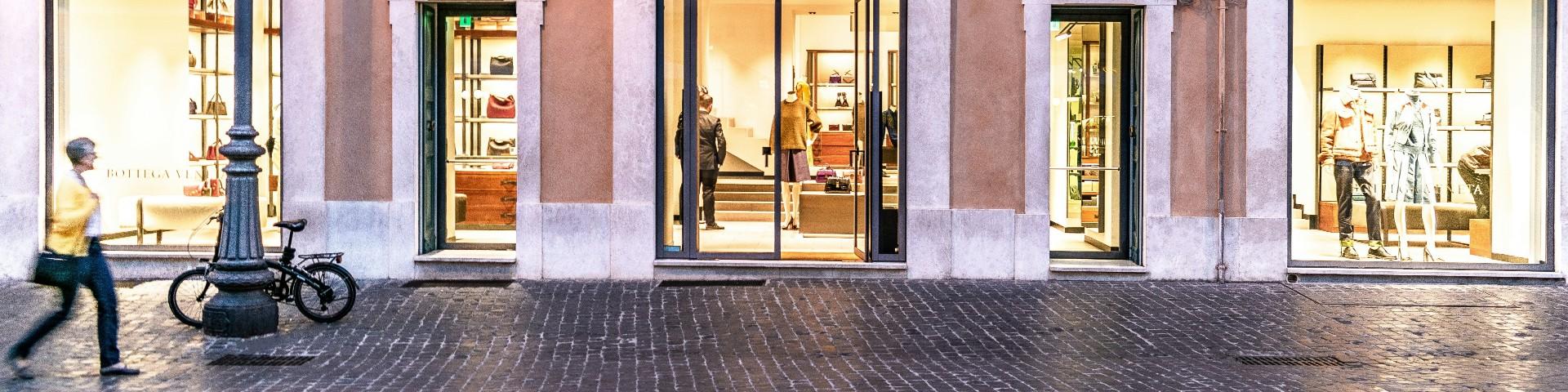
Figure 1: Italy and Spain enjoy warm, sunny summers and mild winters
1. Country description : Italy and Spain
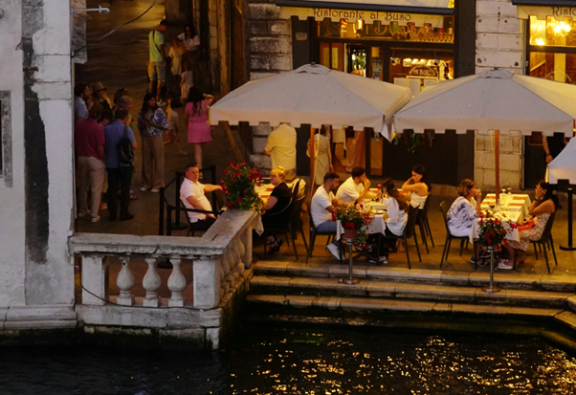
Spain and Italy have separate identities, but they both have certain values that are the foundation of the Mediterranean ‘lifestyle’. They have a similar approach to work-life balance, and both cultures see leisure time and social connections as important. Socialising outside is a high priority for people in both countries.
Business in both countries depends on personal relationships and trust. People prefer to do business with people they know and like. Building good relationships is very important. It is essential to get to know a potential business partner before talking about business. Spending time on building relationships is often more important than keeping to strict schedules.
Source: World Population Review, 2025
2. What makes Italy and Spain interesting markets for apparel?
Italy and Spain have the third and fourth-largest populations in the EU and are the 25th and 32th-largest countries in the world. Combined, they represent more than a fifth (20.3%) of all apparel imported into the European Union in 2024. This is just 1.4% less than Germany, which is the most populated country in the EU and also the world’s second-largest importer of apparel, behind the US.
Table 1: Top-20 EU countries by population 2025; ranked by import value 2024 and share of EU imports
| Country | Population (million) 2025 | Rank (world) population 2025 | Rank EU population 2025 | Share of EU apparel imports 2024 | Rank apparel import value (EU) 2024 |
|---|---|---|---|---|---|
| Germany | 84.0 | 19 | 1 | 21.7% | 1 |
| France | 66.6 | 23 | 2 | 12.9% | 2 |
| Italy | 59.1 | 25 | 3 | 9.5% | 5 |
| Spain | 47.8 | 32 | 4 | 10.9% | 3 |
| Poland | 38.1 | 42 | 5 | 8.1% | 6 |
| Romania | 18.9 | 69 | 6 | 1.5% | 14 |
| Netherlands | 18.3 | 71 | 7 | 9.9% | 4 |
| Belgium | 11.7 | 83 | 8 | 3.9% | 8 |
| Sweden | 10.6 | 91 | 9 | 2.6% | 10 |
| Czechia | 10.6 | 92 | 10 | 2.2% | 11 |
| Portugal | 10.4 | 93 | 11 | 1.7% | 12 |
| Greece | 9.9 | 95 | 12 | 1.2% | 15 |
| Hungary | 9.6 | 97 | 13 | 0.9% | 18 |
| Austria | 9.1 | 99 | 14 | 3.9% | 7 |
| Bulgaria | 6.7 | 110 | 15 | 0.5% | 21 |
| Denmark | 6 | 114 | 16 | 2.7% | 9 |
| Finland | 5.6 | 118 | 17 | 0.7% | 19 |
| Slovakia | 5.4 | 123 | 18 | 1.1% | 16 |
| Ireland | 5.3 | 125 | 19 | 1.6% | 13 |
| Croatia | 3.8 | 130 | 20 | 1.0% | 17 |
Sources: Trademap, World Population Review, 2025
Together, Italy and Spain imported around €36.6 billion worth of apparel in 2024, up from €31.3 billion in 2019. This is equal to 5.5 billion units of clothing (down from 5.6 billion). Of the total value of imports in 2024, 49.5% was trade in knitted/woven apparel (up 2.5% since 2019) and 50.5% was in non-knitted/woven apparel (down 2.5% since 2019). During the same period, the market grew by an average of 3.2% per year.
Source: Eurostat, 2025
Italy and Spain are strong apparel markets despite lower purchasing power
Compared to Western and Northern European countries in the EU, Italy and Spain have lower GDP per capita (12th and 14th of the 27 countries) and lower average wages (12th and 13th). This does not, however, mean that apparel import prices are lower as well. The average price paid by Italy and Spain for apparel imported from developing countries is higher than that paid by 5 of the other top-10 EU apparel importers.
According to Eurostat’s 2024 data, in 2022, Spanish people spent an average of just 3.5% of their total expenditure on clothing and footwear. This is the second-lowest among the 10 largest European importers of apparel. It is also well below the EU average of 4.3%.
Spanish local consumption is low. Inditex, the world’s largest fast fashion retailer, makes up a large part of Spain’s imports. They run 6 fashion brands: Zara, Massimo Dutti, Bershka, Pull & Bear, Stradivarius and Oysho. Inditex has 6,477 stores in 95 markets and sells online in 214 markets. 14 of Inditex’s 15 warehouses are located in Spain.
According to global consultancy company Kantar, 5 out of 6 Inditex apparel brands as well as international apparel brand MANGO are amongst Spain’s 15 largest brands across all sectors. Zara tops the list. It had a brand value of $33.9 billion (USD) in 2025. Zara and Massimo Dutti reported a year-on-year change in value of 36% and 50% respectively in 2025.
Italians, on the other hand, spent an average of 5.7% of their total spending on clothing and footwear. This is the highest of the 10 largest European importers of apparel.
Italy is a global leader in the fashion industry. It is known for its high quality, design, craftsmanship and luxury brands. The country has a long tradition of manufacturing apparel. It is the second-largest sector in Italy after tourism. Fashion is an important part of Italian culture. Italians appreciate and recognise beauty and quality in all aspects of life and believe that dressing well shows respect to others.
Table 2: 2024 average unit prices paid by Italian and Spanish importers
| Apparel imported from within the EU | Apparel imported from developing countries | Price difference (premium paid for apparel imported from EU) | |||
|---|---|---|---|---|---|
| Country | Intra EU average price 2024 | Intra EU 5-year price change | DC average price | 5-year price change | |
| Germany | €9.45 | €1.50 | €4.49 | €0.53 | €4.96 |
| France | €9.43 | €2.42 | €5.23 | €0.52 | €4.20 |
| Spain | €11.11 | €3.93 | €5.05 | €0.21 | €6.06 |
| Netherlands | €14.19 | €4.90 | €4.12 | €0.41 | €10.07 |
| Italy | €9.98 | €1.80 | €4.73 | €0.30 | €5.25 |
| Poland | €9.32 | €1.61 | €2.38 | €0.42 | €6.94 |
| Austria | €11.65 | €2.16 | €3.33 | €0.56 | €8.32 |
| Belgium | €8.82 | €0.54 | €5.12 | €1.65 | €3.70 |
| Denmark | €11.39 | -€0.26 | €5.27 | -€0.17 | €6.12 |
| Sweden | €15.66 | €4.29 | €4.51 | €0.18 | €11.15 |
Source: Eurostat, 2025. Calculated by dividing value by volume.
Real disposable income and household consumption are expected to increase in both Italy and Spain. This is because of employment growth and recovering real wages. Inflation in Italy is forecast to increase from 1.1% in 2024 to 1.8% in 2025, but then fall to 1.5% in 2026. Inflation in Spain is forecast to fall from 2.9% in 2024 to 1.9% in 2026.
Table 3: The 10 largest EU apparel importers 2024, with developing country share of imports and average annual growth
| Country | Import value 2024 (in billion €) | Import value growth (5-year average) | Imports from developing countries (% of total imports by value) | 5-year growth in imports from developing countries by value | Change in share by value 2019–2024 | Imports from developing countries (% of total imports by volume) | Change in share by volume 2019–2024 |
|---|---|---|---|---|---|---|---|
| Germany | 39.1 | 3.6% | 47.6% | 2.0% | -4.0% | 66.0% | -2.7 |
| France | 23.2 | 1.9% | 44.7% | 1.4% | -1.1% | 60.8% | 2.9 |
| Spain | 19.6 | 2.8% | 63.6% | 0.7% | -6.8% | 79.5% | 1.2 |
| Netherlands | 17.9 | 2.7% | 61.2% | 2.6% | -0.4% | 84.8% | 4.3 |
| Italy | 17.0 | 3.8% | 43.7% | 0.7% | -7.0% | 64.0% | -3.2 |
| Poland | 14.6 | 14.7% | 29.3% | 12.3% | -3.4% | 61.9% | -3.8 |
| Austria | 7.1 | 3.7% | 12.4% | -1.9% | -3.9% | 33.2% | -7.1 |
| Belgium | 7.0 | -2.6% | 47.0% | -5.1% | -6.5% | 60.6% | -12.7 |
| Denmark | 4.7 | 3.6% | 30.4% | 3.0% | -1.9% | 77.0% | -1.2 |
| Sweden | 4.6 | 2.8% | 50.5% | 2.3% | -1.3% | 78.4% | 4.5 |
Source: Eurostat, 2025
Sourcing from developing countries is established – Spain continues to diversify
Spain gets up to 63.6% of its apparel imports by value from developing countries (79.5% by volume). This is more than any other EU country except the Netherlands. The share of import value from developing countries is almost 20% higher than the EU average (43.9%). The share of import volume from developing countries is more than 15% higher than the EU average (63.1%). But Italy’s sourcing from developing countries is in line with the EU average at 43.7% (value) and 63.9% (volume).
Albania and Tunisia have traditionally been important sourcing destinations for Italy. This is because of their geographic proximity and historical ties. For similar reasons, Morocco has long been an important sourcing destination for Spain. But all of these countries are losing market share.
Between 2019 and 2024, of the top-10 importers, Italy and Spain recorded the largest drop in the share of apparel purchased from developing countries by value (7% and 6.8%). At the same time, the volume share of Italy’s developing-country imports fell by 3.2%. Spain’s went up by 1.2%.
Türkiye lost the biggest market share of Spain’s imports, falling by 6.8% between 2019 and 2024. Developing-country exporters to Spain that increased their share of exports included Bangladesh (by 0.8%), Cambodia (2.1%), Pakistan (0.8%) and Vietnam (0.7%).
No developing-country exporters to Italy increased their share of exports by a lot between 2019 and 2024. China lost up to 3.5% of its share by value between 2019 and 2024. But other EU countries, like Spain, the Netherlands and Germany, all gained significant shares (3%, 2.9% and 1.5%, respectively).
Italy’s statistics hide the fact that much of the country’s apparel imports from other EU countries are re-exports made in developing countries. This means that this portion is not in direct competition with imports from developing countries. China is still Italy’s top exporter of apparel. This is mostly because of Italian fashion’s requirements for high-quality raw materials, innovative techniques and skilled craftsmanship.
Table 4: Italian and Spanish apparel imports: major exporters (share of value)
| Country | Major exporters (% share) | Top DC (% share of all exports) | Top EU exporters (% share of all exports) |
|---|---|---|---|
| Italy |
|
|
|
| Spain |
|
|
|
Source: Eurostat, 2025
Italian and Spanish fashion brands add value through design and innovation
Italy’s textile and clothing sector is made up of 40,000 companies and employs 400,000 people. It has a turnover of around €64 billion. To keep its position, the sector continuously invests in technology, infrastructure, innovation and quality.
Spain’s textile and clothing sector is smaller (around 7,600 companies, employing 45,000 workers). It is especially focused on textile machinery and sustainable material technologies.
Suppliers that work with Italian and Spanish brands have access to the latest knowledge, materials, technical innovation and design insights. These drive global fashion and sustainability trends.
Tips:
- Fashion consumers in these countries are sharp. Even if you target the low price/budget segment, you may need to achieve a higher quality level than many other EU countries.
- If you target the Italian or Spanish markets, invest in building up the language capabilities of key personnel who will work closely with the buyers and technicians. Make sure they have a good understanding of Italian and Spanish cultures.
3. Which apparel items offer the most opportunities on the Italian and Spanish markets?
Trousers and shorts, knitwear, outerwear and T-shirts are the most common product categories that developing countries export to Italy and Spain. Together, these 4 categories have an import value of €11.8 billion (2024) from developing countries. This is almost 60% of all apparel exports from developing countries to Italy and Spain.
- The fastest-growing apparel categories exported by developing countries are ensembles, followed by sports and active wear;
- Both the outerwear and trousers and shorts categories are growing at average or below average growth rates for all apparel from developing countries;
- China’s market share of developing-country imports dropped for all categories except knitwear and T-shirts (by between 0.2% and 4.1%). This means there are opportunities for other developing-country suppliers. The highest drops happened in the sports and activewear, underwear and nightwear and outerwear categories;
- Sourcing is already spread out for many categories, especially for T-shirts, trousers and shorts, and shirts and blouses. China has a market share of more than 30% of developing-country exports to Italy and Spain in the sports and activewear, outerwear, suits and jackets, and knitwear categories. These categories have more complex and technical products or require high-quality raw materials.
Table 5: Italian and Spanish imports from developing countries by product category; price developments; top exporters
| Product category | Value 2024 | 5-year average growth | 2024 average price | 5- year price change | Top developing country exporters (market share of DC imports change 5 years) |
|---|---|---|---|---|---|
| Trousers & shorts | €4.6 bn | 0.7% | €6.67 | €0.49 |
|
| Knitwear | €2.8 bn | 2.7% | €6.44 | €0.59 |
|
| Outerwear | €2.4 bn | 0.5% | €16.61 | €1.26 |
|
| T-shirts | €1.9 bn | 0.8% | €2.44 | €0.25 |
|
| Shirts & blouses | €1.7 bn | -2.8% | €6.49 | €0.79 |
|
| Dresses & skirts | €1.5 bn | -1.5% | €8.31 | €0.45 |
|
| Underwear & nightwear | €1.3 bn | 2.7% | €2.23 | €0.14 |
|
| Suits & jackets | €739.0 m | 2.6% | €16.41 | €1.11 |
|
| Babywear | €426.9 m | -6.8% | No data | No data |
|
| Sports & active wear | €399.9 m | 4.6% | €4.97 | €0.27 |
|
Source: Eurostat, 2025
Trousers and shorts
The largest product category is trousers and shorts. It grew, on average, by 0.7% each year between 2019 and 2024. It makes up 23.2% of all Italian and Spanish apparel imports from developing countries. At €6.67, the average import unit price of trousers and shorts from developing countries is €0.02 lower than the EU average. This price has increased by €0.49 over the past 5 years.
Figure 4: Trousers and shorts are the largest import category into Italy and Spain from developing nations

Source: Duminda Perera on Unsplash
This is a volume category. Bangladesh is the largest developing-country exporter. It has a 28.7% share, which grew by 3.6% between 2019 and 2024. Denim is an important niche market in this segment. In 2024, denim made up almost 30% of the total value of trousers and shorts imports to Italy and Spain from developing countries.
The European Union is at the centre of global efforts to make denim more sustainable. Spanish and Italian companies are supporting this through technical innovation. For example, Italian premium denim fabric producer Candiani has developed COREVA™. This is the world’s first biobased and compostable stretch denim fabric. It solves the problem of what to do with stretch denim at end-of-life. The company also uses regenerative cotton certified by regenagri®, and post-industrial and post-consumer recycled denim.
Dry Indigo-dyed denim is a technique developed by Spanish denim fabric producer Tejidos Royo. It saves 100% of water, and uses 89% less chemicals and 65% less energy than traditional denim.
Spanish technology manufacturer JEANOLOGIA offers sustainable solutions for denim finishing. These solutions get rid of harmful processes for workers, use less water and chemicals, and stop the discharge of chemicals into the environment.
Denim-focused brands from Italy and Spain include Diesel (Italy), Versace (Italy), Brioni (Italy,) Lois (Spain), Pepe Jeans (Spain), Companion Denim (Spain) and Garcia (Spain).
For many other fashion brands and retailers (including Spain’s Inditex and Mango), denim is an important part of their main collections.
Knitwear
The knitwear category grew by 2.7% on average every year between 2019 and 2024. It makes up 14.3% of all Italian and Spanish apparel imports from developing countries. At €6.44, the average import unit price of knitwear from developing countries is €0.36 lower than the EU average. This has increased by €0.59 over the past 5 years.
Italy has a strong tradition of manufacturing high-quality knitwear using yarns like cashmere, wool and silk. Both Italy and Spain produce high-quality wool and wool products locally. Italian and Spanish consumers value high-quality knitwear made with premium raw materials. This preference applies to other types of yarns too. China is the largest developing-country exporter of knitwear. It has a share of 36.8% of developing-country imports. This number increased by 3.5% in the 2019–2024 period.
The second-largest exporter is Bangladesh, with a 24.1% share (a 1.4% reduction since 2019). This country servies the budget and middle market in both countries.
Knitwear made from synthetic fibres makes up the highest share of the import market, followed by knitwear made from cotton. Respectively, these make up 44.8% and 42.8% of the total value of knitwear imports to Italy and Spain from developing countries in 2024.
Italian and Spanish knitwear-focused brands include Loro Piana (Italy), Brunello Cucinelli (Italy), Missoni (Italy), Malo (Italy), Maglificio Gran Sasso (Italy), Babaà (Spain), Yerse (Spain), L’Envers (Spain) and Floca (Spain).
Outerwear
The outerwear category includes overcoats, car coats, cloaks, anoraks (including ski-jackets), wind jackets and similar articles. Outerwear makes up 12.2% of all Italian and Spanish apparel imports from developing countries. It grew by 0.5% on average each year between 2019 and 2024. The average import unit price of outerwear from developing countries is €16.61 (€0.88 higher than the EU average). This is a 5-year increase of €1.26.
China is still the largest developing-country exporter by far with a 42.1% share. But this share is going down, by 3.8% in the 2019–2024 period. Bangladesh is the second-largest exporter with an 11.1% share. This has been stable since 2019. Production is moving away from China and there is potential for further growth. This means that outerwear offers opportunities for skilled manufacturers that have access to well-developed supply networks for outerwear fabrics. Cambodia has already gained 8.3% market share since 2019.
Almost 75% of outerwear products imported into Italy and Spain from developing countries are made from synthetic fibres. Many outerwear products use a lot of synthetics to improve performance and functionality. Using synthetic materials can help, for example, with durability, water resistance, breathability and wind resistance. Synthetics have a clear negative environmental impact during production, use and disposal. This is why the industry is focusing more on developing recycled synthetic fibres, like the following branded recycled fibres.
ECONYL® by Aquafil S.P.A (Italy) is a regenerated nylon yarn made from fishing nets, fabric scraps, carpet flooring and industrial plastic waste. It has the same properties, performance and quality as new nylon. Aquafil’s 2024 sustainability report shows that around 1,900 brands use ECONYL® and that revenue growth from ECONYL® sales grew by 6.9% between 2019 and 2024.
SEAQUAL (Spain) is a recycled polyester yarn made from ocean plastic waste. Until now, 2,500 brands and manufacturers from more than 80 countries have joined the SEAQUAL Initiative.
Internationally well-recognised brands from Italy and Spain that produce outerwear include: Ecoalf (Spain), Zara (Spain), Massimo Dutti (Spain), Mango (Spain), Bershka (Spain), Stradivarius (Spain), Desigual (Spain), Pull & Bear (Spain), Diesel (Italy), OVS (Italy), Benetton (Italy), Max Mara (Italy) and Stone Island (Italy).
Companies specialising in outdoor wear (including outerwear for outdoor activities) include: Montura (Italy), La Sportiva (Italy), Salewa (Italy), Ternua (Spain), Trangoworld (Spain) and Izas (Spain).
T-shirts
T-shirts make up 9.7% of all Italian and Spanish apparel imports from developing countries. The category grew by 0.8% each year on average between 2019 and 2024. The average import unit price of a T-shirt from a developing country is €2.44 (€0.29 lower than the EU average). This is a 5-year increase of €0.25.
Bangladesh is the largest developing-country exporter with a 46.4% share. This is an increase of 4.9% since 2019. Türkiye is the second-largest, with a 14% share, down from 16.4% in 2019. This segment is very competitive. Niches include T-shirts made with sustainable fibres, such as organic and recycled cotton. You can also focus on higher-end T-shirts that use alternative fibres (like linen) and T-shirts woven with finer yarns.
Spanish company Recover™ is the global leader in mechanically recycled cotton.
Italian and Spanish brands that focus on quality basics like T-shirts include Ecoalf, Massimo Dutti (Spain), TwoThirds (Spain), Minimalism Brand (Spain), Weekend Max Mara (Italy) and Falconeri (Italy).
Shirts and blouses
Shirts and blouses make up 8.6% of all Italian and Spanish apparel imports from developing countries. The category went down by 2.8% on average each year between 2019 and 2024. The average import unit price of shirts and blouses from developing countries is €6.49 (€0.20 lower than the EU average). This is a 5-year increase of €0.79.
Bangladesh is the largest developing-country exporter with a 25.7% share. This is an increase of 4.4% since 2019. Morocco is the second-largest with a 15.9% share, up from 12.8% in 2019.
Underwear and nightwear
Underwear and nightwear make up 6.7% of all Italian and Spanish apparel imports from developing countries. The category grew by 2.7% on average each year between 2019 and 2024. The average import unit price of underwear and nightwear from developing countries is €2.23 (€0.12 higher than the EU average). This is a 5-year increase of €0.14.
China is the largest developing-country exporter with a 26.5% share. This is a decrease of 4.1% since 2019. Sri Lanka is the second-largest with a 21% share, up from 20.5% in 2019.
Italian and Spanish specialist women’s lingerie and sleepwear brands offer classic, elegant, well-made pieces made with premium materials. Luxury brands in this segment include: La Perla (Italy) and Andrés Sardá (Spain), premium brands include Marie-Jo (Italy), Cosabella (Italy) and Selmark (Spain). Middle market brands include Intimissimi (Italy) and Women'secret (Spain).
In the men’s underwear and sleepwear segment, luxury brands include Versace (Italy), Dolce & Gabbana (Italy) and Zegna (Italy). Premium brands include Emporio Armani (Italy). Middle market brands include Intimissimi Uomo (Italy), Giulio (Spain) and Calzoncillos Abanderado (Spain).
Tips:
- Denim manufacturers should find out about the latest trends in sustainable dyeing and finishing techniques. Look into innovators from Spain and Italy as they are most likely to have their innovations and technologies adopted by Spanish and Italian brands.
- If it is possible for your facility, take advantage of the shift away from China by supplying outdoor apparel that meets the quality and sustainability requirements of Italian and Spanish brands.
4. Which trends offer opportunities or pose threats on the Italian and Spanish apparel markets?
The Spanish and Italian fashion markets follow the general apparel industry trends and developments related to sustainability, circularity and corporate social responsibility. Policy initiatives that are part of the EU Green Deal are main drivers for this.
Fashion sustainability tops the agenda
According to the United Nations’ Global Sustainable Development Report (2024), Spain ranks 14th and Italy ranks 22th globally in terms of their progress towards achieving the UN’s 17 Sustainable Development Goals. Germany, France, Poland and the Scandinavian countries, on the other hand, are all in the top-10.
Some EU countries have introduced local laws that are stricter than the EU’s laws and regulations around sustainable textiles production (for example, Denmark, Germany, the Netherlands and France). But this is not true of Italy and Spain.
A 2021 study also reveals that Italian and Spanish consumers are less likely to consider fashion to be a top-3 sector for which sustainability is important compared to consumers in Germany, France and Scandinavia.
Almost 75% of Italian fashion consumers prefer to spend more on better quality items that last longer. But this is not necessarily due to progressive attitudes towards sustainability. It is more because of a long-standing appreciation of craftsmanship, luxury, quality and timelessness.
These values are also the foundation of Italy’s culture of manufacturing excellence. They also naturally align with sustainable practices like durability, repairability and resource efficiency. Because of this, the transition from ‘made well’ to ‘made sustainably’ is a natural step for most Italian manufacturers and brands. Italian companies also understand that extending their reputation for excellence in fashion beyond design and manufacturing to the sustainability arena makes good business sense.
Because of their size and reach, large Italian luxury and Spanish mainstream fashion brands need to meet sustainability expectations in key markets like Germany, France and Scandinavia. This drives sustainability innovation, ambitions and initiatives that may go further than domestic requirements.
Figure 5: Many Italian and Spanish brands and retailers operate across Europe, so sustainability standards are very high

Excellence in technical execution, quality and compliance
Spanish and Italian brands that work outside of the budget segment want to protect their reputation for superior design, innovation and quality. This is why they often have a lot of control over the design, development and production process. Brands often require suppliers to buy specific fabrics and trims that the brands select. This does not leave much room for suppliers to add value (or margin) through design, sourcing or R&D activities.
Successful suppliers show excellence in craftsmanship, technical execution and quality. They also follow all of the industry’s social and environmental requirements. These suppliers can communicate with buyers and technical experts effectively. They can also translate special designs into workable products, adopt new techniques and implement new technologies.
Tips:
- When targeting Italian and Spanish brands, find out which end-market they serve. Is it their home market or are you dealing with brands that export to other European markets? Be aware that consumer preferences vary in each country and even more from other European markets.
- Always check out your potential buyers. Check their collections, overall design ‘hand-writing’, target group and required certifications.
- Visit the websites of the brands that are active in your product categories. Understand the different types of facility level certification these brands require (like GOTS, GRS, RCS, Oeko-tex 100, Bluesign, ZDHC). Look into what is involved in achieving certification.
- Make sure your knowledge of design trends and innovations in materials and techniques is up to date. Even though Italian and Spanish brands control the design and R&D process, your knowledge will impress them and make them confident in your abilities.
FT Journalistiek carried out this study in partnership with Giovanni Beatrice on behalf of CBI.
Please read our market information disclaimer.
Search
Enter search terms to find market research
Do you have questions about this research?
The Italian and Spanish apparel markets are quite similar in terms of economic struggles, but Italy has a more fragmented market, with significant differences between small towns and big cities. Spain’s retail and business climate is also facing challenges, but the situation in Italy is arguably more complex due to the economic and bureaucratic hurdles.

Martino Forcella, global apparel sourcing expert