

Building regeneration into your tourism business
This report shows how regenerative tourism builds on sustainable tourism practices, but goes one step further. First, it explains what ‘regenerative’ means and how it works in tourism. Then it shows that sustainability and regeneration work in the same way and should not be seen as two different things. Next, the report provides a plan to help you get started. This includes a checklist of actions and tools with helpful examples. Finally, you will find case studies at the end. These real stories show how businesses and destinations use regenerative ideas in their daily work.
Contents of this page
1. What is regenerative tourism?
Regenerative and sustainable tourism have the same goal in mind: to sustain the tourism sector while having as few harmful effects as possible, keeping these effects in check while also having a positive impact. Sustainable tourism uses actions and practices that businesses can take and use to limit resource consumption, reduce pollution and waste, engage minorities and increase community engagement.
The most widely recognised definition of sustainable tourism according to the UNEP (United Nations Environment Programme) and UN Tourism is: ‘Tourism that takes full account of its current and future economic, social and environmental impacts, addressing the needs of visitors, the industry, the environment and host communities.’
To find out more about this definition of sustainable tourism, download the guide 'Making tourism more sustainable: a guide for policy makers'.
Regenerative tourism is rooted in this vision. However, it also highlights place-based care, ongoing growth and room to strengthen the living systems that support tourism.
People have been learning about sustainability for more than 30 years. But regenerative approaches are still very new and are changing all the time. There is no accepted set of practices yet. We know that tourism needs to be sustainable to survive. But regenerative thinking is different. It is a new way of thinking. It is changing as a response to today’s many global crises, such as climate change, inequality and biodiversity loss.
Regeneration and the living system
Regenerative tourism sees that people, culture, land, nature and the economy are all connected. We call this a ‘living system’. The way all the parts of a system work together is more important than the parts on their own. Together, they create something bigger and better than just adding each part together.
In a living system:
- Everything works together;
- All parts help each other;
- Life grows and adapts.
If something happens to one part, the whole system is affected. The figure below shows how people, culture, land, nature, the economy and traditions all connect to form a single living system. If tourism cares for each element, the destination stays strong and healthy. This way of seeing the big picture helps to create deeper connections and long-term well-being for everyone involved.
Figure 1: Everything is connected in the living system

Source: Acorn Tourism Consulting, 2025
Taking a regenerative approach means thinking differently about the world. Instead of thinking about the world as a machine, with different parts that can be controlled, we should think of it as a network where everything is connected. Understanding how nature works is a key part of regeneration.
This change will take time. It also means that we need to question old ideas and to unlearn bad habits. Only then can we start to build systems that truly support all forms of life.
Insights from leading voices
Mario Socatelli and Anna Pollock are two important experts who work in regenerative tourism. Mario is well known for his work in Costa Rica, and Anna is an expert from the UK. People around the world respect their ideas, research and work. That helps places, businesses and communities to understand this new approach. Look at what they say about regenerative tourism.
Expert insight: Mario Socatelli’s regenerative philosophy – Costa Rica

"Tourism with a regenerative focus is not just another type of tourism. It is a way to change how hosts and visitors see the world. Regeneration cannot be turned into a simple method or system. It comes from a shared spirit, big-picture thinking and a strong belief to act with purpose, not from duty.
This approach moves from explaining places to immersing people in them. Visitors become part of the experience, so it stays with them at a deeper level. It values ‘being’ over ‘doing’, and process over product. Its main goal is to heal the relationship between people and nature through a caring and active way of treating each place."
Find out more about Mario’s work via the Turismo Regenerativo website. It is in Spanish, but most browsers have a translation function.
Expert insight: Anna Pollock’s vision of regenerative tourism – UK

"Regeneration is not a product or a method, and certainly not a buzzword. It is a way of seeing, being and doing that involves a fundamentally different understanding of how the world works – not as an external machine or resource that can be controlled or extracted, but as a complex set of living systems of which human systems (including the tourism system) are a vital part.
The role of tourism changes from extracting resources and providing trips and experiences to benefit a few to providing trips and experiences that contribute to the well-being and growth of the whole. This means the ecology, economy, culture and health of the places where hospitality is given and received."
Core features of regenerative tourism
For tourism businesses, regenerative tourism offers clear benefits. It creates stronger connections with people and nature, builds healthier destinations and gives a competitive edge. By taking on regenerative principles, you can:
- Build stronger links with local people, nature and culture;
- Give visitors deeper experiences that they will remember for longer;
- Support jobs and training for local people and protect traditions;
- Restore and protect nature and cultural places in your area;
- Gain trust and avoid greenwashing through real action;
- Stand out from competitors and attract responsible travellers;
- Keep your business and community strong for the future.
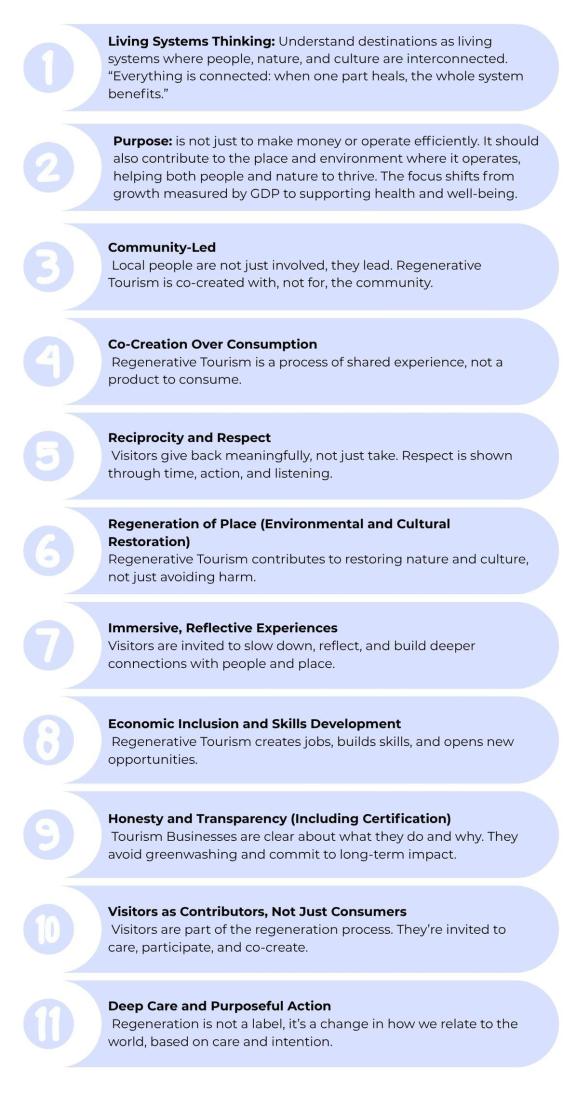
The following features bring together the main ideas shared in this report. They summarise the values and ways of working that define regenerative tourism.
Tourism businesses can use these features to guide decisions, improve their impact and build stronger connections with people, nature and the local culture. You do not need to follow all of them perfectly. However, the more your activities show these features, the closer you are to practising truly regenerative tourism.
Figure 2: Core features of regenerative tourism
Source: Acorn Tourism Consulting, 2025
Tip:
- Study these features carefully. Assess what you already do in your business and look for ways to improve how you do it. Think about what other features you could include. Remember: it is a journey. Do not expect to put everything in place at the same time.
2. From sustainability to regeneration – a shared path
Instead of thinking of sustainability and regeneration as different or separate, it is better to see them as closely linked and as supporting each other. Regenerative tourism does not replace sustainability, it grows from it. Both share a commitment to care, continuity and future well-being. If sustainability is not fully embedded in your business, you cannot be regenerative.
Regenerative tourism is not something you do all at once. Nor is it a single action. It is a journey that takes time. Every tourism business is at a different point on this journey. Some are still working to create sustainability actions. Others are starting to use regenerative ideas. What matters is that you move forward, with care and a clear purpose, towards sustainable regeneration.
The steps below can help you see where you are and what you can do next. They are not rules, but a simple guide to help you move from sustainability to regeneration. Each step is fully explained below.
Figure 3: A shared path towards regeneration

Source: Acorn Tourism Consulting, 2025
- Understand your current situation – Start by looking at what your business is doing now. What effects do you have on the environment, people and the local economy? Are you already taking steps to become more sustainable, or just starting out? This step helps you see where you are, so that you know what to do next. Read the CBI studies 'What are the requirements for tourism services in the European market?', and 'How to be a successful tourism business online' for tips and ideas on how to improve and learn more about your business.
- Use sustainable practices in all parts of your business – Make sure that your business works in a way that protects nature, helps people and supports the future. This means using less energy and water, reducing waste, buying local products and treating staff and guests fairly. Sustainability always comes first.
- Show your efforts with a certification – To prove that you care, work towards gaining a trusted sustainability certificate like Travelife, Green Tourism or Good Travel Seal. A certificate helps you learn how to improve and save money, while also making you more visible to travellers. And it shows that you are not just using the word ‘eco-friendly’, but are really acting. It builds trust and helps you avoid greenwashing (making false claims about sustainability actions). If you do greenwash, you will be found out and it will harm your business. Read this blog about 10 companies that were called out for greenwashing.
- Change how you think about tourism – Regenerative tourism is not only about what you do. It is also about how you think. Try to see tourism as part of nature and your community. Everything is connected: people, land, culture and the economy. This new way of thinking helps you to act with more care and purpose.
- Work with local communities to help people and nature – Create tourism experiences with local people. Let them share their stories, culture and knowledge. When you work as a team, tourism can bring more benefits to the community and the environment. This could mean offering home stays, local tours or supporting community projects. The goal is to help the whole place become stronger and healthier. Read the CBI study 'What are the opportunities for community-based tourism from Europe?' to help you create sustainable tourism products.
This path moves you from basic awareness to fully sustainable tourism actions with a regenerative approach.
Why certification matters
Certification is just one step in the sustainability and regenerative journey. It means that you apply international standards, measure your actions and are not just saying that you are sustainable and regenerative.
Today, many people talk about being ‘eco-friendly’ or ‘green’. But if you cannot prove it, then that is greenwashing. Certification helps you avoid greenwashing and build trust.
In Europe, more travellers want to see businesses prove that they are working to improve the environment. They want to know that your business is really doing good things for nature and local people. The European Union is also making new rules so that ‘green’ claims must be proven and clear. Certification helps you meet these expectations.
Getting certification helps you to:
- Track your progress each year;
- Learn how to improve your business;
- Save money and energy;
- Be more visible on travel websites;
- Gain trust from travellers and partners;
- Show that you are truly committed to sustainability.
Examples of certification schemes
There are a lot of certifications schemes available. Some of the internationally recognised ones are listed in the table below. Read more about them to see which would best suit your business needs. Remember, there may also be regional certification schemes in your area, like Costa Rica’s Certification for Sustainable Tourism (CST) and Tanzania’s Responsible Tourism Tanzania (RTTZ). Contact your tourist board to see if it knows of any schemes in your destination.
Table 1: Examples of certification schemes
| Certification scheme | Details |
|---|---|
Travelife for tour operators and travel agents 
| This is one of the industry’s leading certification schemes and it is well known across Europe. |

| Green Destinations manages this scheme. It is easy and good value for small tourism businesses in developing countries (accommodation, restaurants, tour operators, etc.). |

| This scheme is aimed at hotels and other accommodation providers. Travelife (see above) also has a scheme for accommodation providers. |

| A global organisation that supports sustainable destinations, businesses and communities. |

| The world’s leading scientific benchmarking, certification and advisory group for travel and tourism. It is mostly used by bigger businesses and has high standards. |
Source: Acorn Tourism Consulting, 2025
Tip:
- Read more about the journey toward certification in the CBI study 'How to be a sustainable tourism business'.
3. Getting started
As mentioned before, regenerative tourism is not about ticking boxes on a list. Every tour operator and destination has its own path, based on careful listening and thoughtful planning. These examples, tables and checklists are only guides to help you imagine what is possible. Real regeneration comes from actions that match your own place and community.
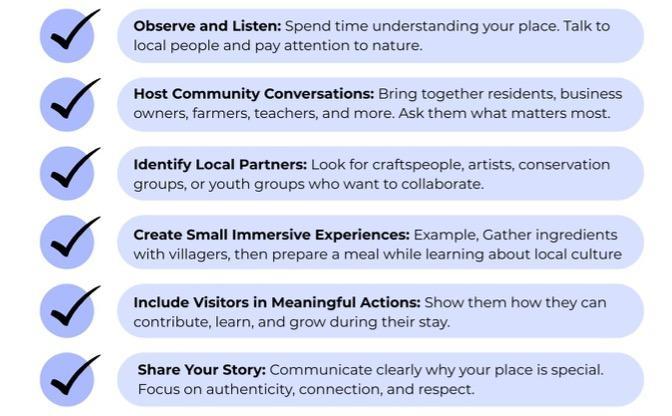
The checklist below can help you start, but remember that it is just for inspiration – there are no strict rules. Every destination and business is different, so you need to adapt these ideas to your local needs.
Figure 4: Checklist to start your journey towards regenerative tourism
Source: Acorn Tourism Consulting, 2025
4. Tools for the regenerative journey
The tools in this section offer ideas to help you move forward. You can use them to strengthen your connection with the community, support local culture and nature and create meaningful experiences for visitors. They are flexible. Use what fits you best and build from there.
Tools for transformation and putting it into practice
To put regenerative ideas into practice, you need to understand why they matter and what purpose they serve. Look at the tools in the table below and think about how you could put them into practice.
Table 2: Tools for transformation and putting them into practice
| Tool/method | Why this tool matters | Purpose |
|---|---|---|
| Supporting communities through visitor contributions | Tourism money helps local communities and the environment. | Encourage guests and the tourism business to donate or invest in local projects (e.g. reforestation, cultural programmes). Example: Love Wanaka & Queenstown |
| Community-led initiatives | Local people can protect heritage and guide visitor experiences. | Give local groups the power to shape experiences, share stories and decide how tourism is managed. Example: La Comuna 13 |
| Certification and standards | Prove that you meet trusted rules and build confidence with guests and partners. | Show real commitment and help to avoid greenwashing. Example: Tiger Mountain Pokhara Lodge |
| Slow, immersive experiences | Encourage visitors to stay longer, spend more and connect deeply. | Help visitors form deeper connections to nature and culture. Example: Adventures with Colby |
| Local training and capacity building | Build skills and jobs so that tourism benefits the community in the long term. | Teach local people leadership, hospitality and conservation skills. Example: Playa Viva Mexico |
Source: Acorn Tourism Consulting, 2025
Challenges in moving into regenerative tourism and how to overcome them
Every place is different, but some challenges are common, like paying for new projects or meeting visitor needs. The table below shows some of the most common problems and simple ways to deal with them.
Table 3: Possible challenges and suggested solutions
| Challenge | Possible solution |
|---|---|
| Costs of adopting new practices | Start small: seek local grants or partnerships. |
| Limited local skills/expertise | Provide training, invite mentors or NGOs (non-governmental organisations) to help. |
| Resistance to change | Hold community meetings, explain long-term benefits. |
| Maintaining authenticity | Involve local leaders to guide decisions, keep it real. |
| Visitor expectations | Educate guests through stories and clear messaging. |
Source: Acorn Tourism Consulting, 2025
5. Case study examples
Moving to regenerative tourism is a special journey for every organisation and business. Regeneration always starts with the local place, its people, its challenges and its possibilities.
The case studies below show how local businesses have adopted different ways to make this change. They highlight key ideas and practices that have led to good results. These include restoring ecosystems, forming community partnerships and creating immersive experiences for visitors.
However, these studies are not models to copy entirely. They are examples of what is possible when tourism takes a regenerative approach. If people simply repeat what others do without understanding the reasons behind those actions, they will not achieve the same results. Regenerative tourism only works when we change how we see our role in the system, not just what we do.
We offer these stories as inspiration, not instructions. The goal is not to follow them step by step, but to think about what regeneration could mean for your community. Each place has its own people and priorities. What they share is a commitment to care, connection and renewal.
| Case study 1: Playa Viva Mexico – Regenerating ecosystems and community-led |
|---|
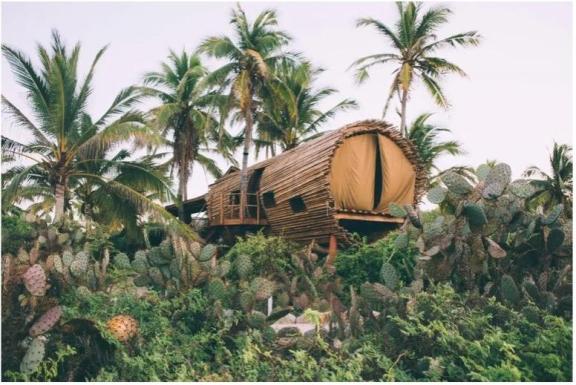
Located on Mexico's Pacific coast, Playa Viva is an eco-luxury resort committed to regenerative practices. The resort works off-grid. It generates 100% of its energy from solar power and actively engages in land restoration and community development.
Playa Viva's initiatives include estuary regeneration, reforestation and supporting local health and education programmes. Guests are invited to take part in these efforts, creating a transformative experience that fosters a deep connection with the environment and local culture. |
Key regenerative features adopted:
|
Business insight: "In a regenerative approach, the guest-host relationship should be fair and balanced. Guests should not expect the comforts of home. They should come ready to engage with the local culture, values and way of life. It is not about extraction but exchange: sitting, listening and learning from each another, whether with a street vendor or a Michelin-starred chef.
One powerful example at Playa Viva is the turtle release activity. For guests, it can be a life-changing moment. For local team members who lead this every day, it might feel routine, but seeing how deeply the experience moves visitors and realising the good they are doing reminds them how meaningful and impactful their work is. This shared recognition is where true reciprocity emerges.
The base of regenerative travel is a shared and equal relationship between the host and guest; being a good guest is as important as being a good host."
David Leventhal, Playa Viva |
| Case study 2: Tiger Mountain Pokhara Lodge – Integrating conservation with hospitality |
|---|

Perched above the Pokhara Valley in Nepal, Tiger Mountain Pokhara Lodge is a good example of regenerative tourism because it combines conservation with hospitality.
The lodge works with local communities in social and environmental matters, offering authentic Nepali cuisine sourced locally and supporting local schools and health posts. Guests are encouraged to explore the surrounding nature and culture, creating a sense of place and connection. |
Key regenerative features adopted:
|
Business insight: "To us, regenerative tourism is really nothing more than ‘tourism done properly’, where all stakeholders thrive and can define their benefits from the operation. They could be government, adjacent communities, the natural environment, the built environment, employees, guests or owners. If all have a positive vision of the why, what and how of a tourism venture, then the stage is set for something regenerative, where benefits are felt, perceived and grow over time on more than just the economic front.
Our biggest lesson has been not to rush into covering all areas at once: start small with manageable elements – perhaps power consumption – and grow from that. Second, to create baseline data for whatever you choose to do and monitor the impacts after that. Being able to prove positive impact is essential for all involved in the business and beyond it. Finally, empowering employees to make suggestions and develop their own departments/niches into regenerative pathways will create the greatest results, enthusiasm and commitment."
Marcus Cotton, Owner, Tiger Mountain Nepal |
| Case study 3: LAK Tented Camp – Back to nature and cultural regeneration |
|---|
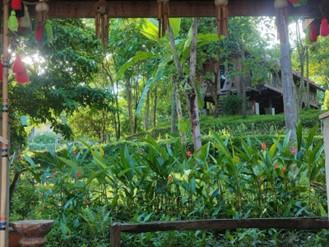
LAK Tented Camp is an ecolodge on the shores of Lak Lake in Vietnam’s Central Highlands, designed to offer low-impact, culturally immersive experiences. What makes it a good example of regenerative tourism is its strong focus on environmental restoration and cultural revitalisation.
The camp makes reforestation and organic farming part of its operations. This helps to restore local ecosystems. At the same time, it preserves and celebrates M’nong heritage by employing local staff, offering traditional craft workshops and hosting cultural activities like gong performances. Guests are encouraged to disconnect from technology and connect with the land and local community, benefiting both people and nature. |
Key regenerative features adopted:
|
Business insight: "Regenerative means healing and restoring. From the terrace at Y LAK restaurant, we look out at what used to be dry, rocky ground; it is now lush and vibrant woodland. We trust that local livelihoods, too, will grow deep roots."
Do Phuong, Co-Founder and Business Development Manager, LAK Tented Camp |
| Case study 4: Love Wanaka & Queenstown – Funding local regeneration |
|---|
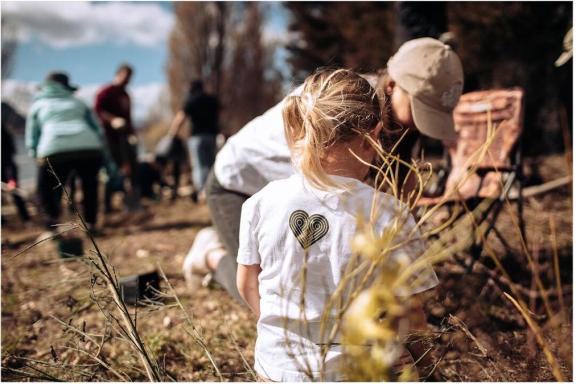
In the tourist destinations of Wānaka and Queenstown in New Zealand, tourism businesses have created the Love Wānaka and Love Queenstown funds to enable visitors to give. Guests are invited to donate when they book or during their trip, contributing to local projects that focus on environmental restoration, climate resilience and cultural heritage.
The donation system is simple and digital, built into booking platforms across accommodation, transport and tour providers. The process is transparent, inclusive and directly connects the tourism economy with community care. |
Key regenerative features adopted:
|
Business insight: "By inviting our visitors and our visitor industry to give back and play a part in the protection and regeneration of our environment, we can transform tourism’s capacity to enrich our homes, build stronger, more resilient businesses and change the visitor experience from one of passive participation to active engagement."
Ash Bickley, Community Fund Coordinator, Love Wanaka & Love Queenstown |
| Case study 5: Palenque Tours – Regenerating through story, art and mobility |
|---|

Once known for violence, Comuna 13 in Medellín, Colombia, has become a centre of culture, art and local tourism. Its regeneration journey includes infrastructure such as escalators and cable cars, but more importantly, it is powered by the voices and creativity of the community.
Tourism is led by local groups, including youth collectives and women’s organisations, who guide visitors through street art, rap, storytelling and community histories. Projects like Proyectarte and Las Berracas de la 13 show how tourism can support dignity, expression and economic inclusion. |
Key regenerative features adopted:
|
Business insight: "Tourism is the perfect tool to approach and discuss sensitive topics between our native people and visitors. It is a beautiful and complex two-way learning process where one person talks and the other listens, questions and learns. For this reason, at Palenque, we want to encourage the exchange of knowledge."
Markus Jobi, CEO and Founder, Palenque Tours |
| Case study 6: Adventures with Colby – Regenerating communities and landscapes through immersive, locally-led tourism |
|---|
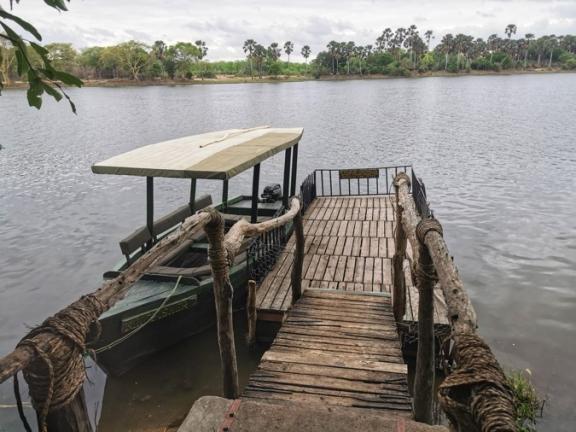
Adventures With Colby, based in Blantyre, Malawi, is a company that blends outdoor discovery with sustainable, community-rooted practices. It offers a range of experiences, such as hiking, wild camping, team building, cultural village visits and safaris. It is active in places like Mulanje Massif, Nyika and Lake Malawi. What makes its approach regenerative is its inclusion of local people in every part of the business. It hires local guides and porters, takes part in community-based tourism projects and puts profits into supporting cultural exchanges and local livelihoods.
They focus on true engagement, taking travellers into wild places and hosting them at community campsites, sharing traditional stories and practices and fostering cross-cultural understanding – all of which benefit local ecosystems and people. This model means that tourism actively uplifts local communities, protects natural landscapes and ensures long-term cultural and ecological resilience. |
Key regenerative features adopted:
|
Business insight: "Prioritise building authentic relationships with local communities and actively make them part of your initiatives. This approach supports their well-being and promotes sustainable, mutually beneficial tourism development."
Violet Mzembe, Co-founder/Business Development Manager, Adventures with Colby |
| Case study 7: Slow Travel Hue – Designing for connection, not consumption |
|---|
In central Vietnam, Slow Travel Hue offers deep, personal travel experiences co-created with local families and artisans. Activities like cookery, traditional crafts and village walks are slow-paced and reflective. They encourage visitors to engage deeply and respectfully with the people and the place.
Time is treated as a tool. The pace of travel is intentionally slowed, allowing space for dialogue, learning and genuine connection. Hosts are trained to listen, share and co-create experiences rather than simply perform for visitors. |
Key regenerative features adopted:
|
Business insight: "We shift the model from satisfying all the travellers’ needs and measuring the volume of arrivals and tourism revenue to caring for the host community and the well-being and resilience of the places. When considering a potential tourism destination, our goal is not just to create a possible tour, but to craft a multi-layered immersion that engages tourists at multiple levels, including cultural, historical, social and personal dimensions."
Do Nguyen Phuong, Founder and Director, Slow Travel Hue |
6. Conclusion: regeneration is a living commitment
This report shows that regeneration can happen in many ways. It might start by rethinking how you welcome visitors or by working with farmers, artists or local elders. It also shows how communities can share their stories or repair damaged places. In every case, regenerative tourism focuses on caring, connecting and creating together.
There is no single path. Each journey depends on the place, people, nature and history. The first step is to act, not just for profits or visitors, but to help the life of the place.
Small and medium-sized businesses, especially in developing areas, have a unique opportunity. They often have close ties with the land, local customs and community life. This closeness can become their strength. With clear purpose, these businesses can quietly lead a powerful change: they can offer experiences that heal, teach and inspire while protecting the places they call home.
Regenerative tourism is not about doing more. It is about doing things differently. It asks us to act with more care, host with more meaning and imagine a future where tourism is truly good for life.
Acorn Tourism Consulting Limited carried out this study on behalf of CBI.
Please review our market information disclaimer.
Search
Enter search terms to find market research
Do you have questions about this research?
Recognition that the economic engine of tourism, as currently practiced, is unsustainable, is slowly entering mainstream awareness. In times of such rapid and radical change on every front (environment, economy, politics, society and technology), tourism is proving far more vulnerable than many want to admit.

Anna Pollock, regenerative tourism expert
Webinar
Opportunities in the regenerative tourism market