
The European market potential for black cumin seed oil
Europe is a growing market for black cumin seed oil. Demand there is driven by an growing interest in plant-based, functional and traceable speciality oils. Key growth markets include the Netherlands, France, Spain and Italy. Trends that support this demand include a shift towards natural additives, the reduction of synthetic preservatives and an emphasis on sustainable sourcing and transparent supply chains.
Contents of this page
1. Product description: black cumin seed oil
Nigella sativa, or black cumin, is a small flowering plant native to the Mediterranean and southwest Asia. It is a member of the Ranunculaceae family. Its seeds have been used as a medicine and spice for thousands of years, to treat a wide range of conditions. They include digestive problems, respiratory problems and skin conditions. Black cumin is also believed to support overall well-being. Today, black cumin seed oil is being studied as a natural food additive. This is driven by three key factors: innovation in the European food and beverage industry; consumer demand for functional ingredients; and the clean-label movement.
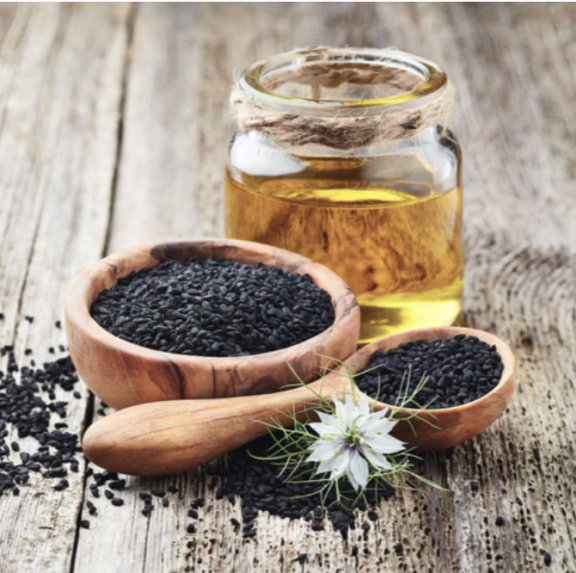
Figure 1: Black cumin plant, seed and oil
Source: Medikonda, 2025
Black cumin contains active compounds, essential fatty acids and antioxidants. These give the oil its characteristic spicy-hot, bitter taste and functional properties. It has an oil content of up to 47%, and is also rich in unsaturated fats like linoleic acid (up to 63%) and oleic acid (up to 24%). Chemically, black cumin seed oil contains high amounts of thymoquinone (the key active ingredient that makes the oil valuable as a natural food additive), flavonoids and polyphenols. They are responsible for its antioxidant and preservative properties.
Black cumin seeds are harvested mainly in regions with Mediterranean and Asian climates.
- Major producers: Türkiye, Egypt, Syria, India, Pakistan and Iran;
- Emerging producers: Morocco, Tunisia, Jordan, Afghanistan and Eastern European countries.
The cultivation period for black cumin seed is from November to April. Germination takes place 10-15 days after planting. The seeds mature in April and May, when they turn from white to black if exposed to air. The diversity of the growing regions results in different flavour profiles, and also different thymoquinone content. Varieties of black cumin seed oil can be categorised by their key characteristics.
Table 1: Black cumin seed oil classifications
Classification | Variety | Key characteristics | Primary uses |
|---|---|---|---|
| By processing method | Cold-pressed (or virgin) | Unrefined, full nutrient profile, cloudy appearance | Premium functional foods, supplements |
| Filtered | Clear appearance, milder taste, refined | General food applications, culinary oils | |
| Unfiltered | Contains seed particles, sharper taste | Traditional applications, ethnic foods | |
| By thymoquinone content | High concentration | 2.5-5% thymoquinone content, darker colour | Health products, supplements |
| Standard | 0.5-2% thymoquinone content, balanced profile | Food additives, culinary applications | |
| By quality grade | Food grade | Meets EU food safety standards, cold-pressed | Direct food use, functional ingredients |
| Supplement grade | Standardised active compounds | Capsules, health products | |
| Industrial grade | Lower purity, bulk processing | Non-food applications |
Source: ProFound, 2025
Food manufacturers select varieties of black cumin seed oil based on their own specific production requirements.
- Cold-pressed varieties – Work best for premium functional foods, to highlight natural processing.
- Filtered oils – Suit general food applications where consistent flavour and appearance are needed.
- High-thymoquinone varieties – Essential for products with antioxidant or shelf-life targets.
Sigma Oil Seeds, a major European company, prefers the term ‘virgin’ oil rather than ‘cold-pressed’ oil. This is because of inconsistent definitions and temperature limits during pressing. Sigma’s oil is typically pressed at less than 40°C, but occasional changes in temperature mean that the company avoids using terms which suggest that is always cold-pressed. Exporters need to be aware of these nuances when marketing to European buyers.
Food uses of black cumin seed oil
Food manufacturers are interested in black cumin seed oil because of its rich nutrient profile and antioxidant properties. It is seen as a functional ingredient with health benefits. The regulatory status for black cumin seed oil is verified. This, combined with consumer demand for functional foods, makes it an interesting ingredient in multiple food categories.
In food processing, black cumin seed oil serves two primary functions:
- Functional ingredient – Provides essential fatty acids, antioxidants and bioactive compounds like thymoquinone for health-focused products;
- Natural preservative – Offers antimicrobial and antioxidant properties that extend shelf life and keep the product quality.
The potential uses are supported by scientific literature. However, it has been quite hard to find actual examples of commercial products on the market. This gap between research potential and market reality represents a good opportunity for early adopters in the European food industry.
Figure 2: Potential applications of black cumin seed oil as a food additive

Source: ProFound, 2025
Trade data
For this study, we analysed two HS codes that cover the different forms in which black cumin seed oil enters the European market: as a food additive and as a functional ingredient.
Table 2: HS code classifications for black cumin seed oil
| HS code | Product classification | Description | Relevance to black cumin seed oil |
|---|---|---|---|
| 151590 | Other fixed speciality vegetable fats and oils | This code covers cold-pressed, unrefined speciality vegetable oils. They include black cumin seed oil in its food-grade form. Most black cumin seed oil for food use falls under this classification, as it is typically cold-pressed and not chemically modified. | Primary classification for food-grade oil |
| 090931 | Cumin seeds (neither crushed nor ground) | This code covers whole cumin seeds imported for processing within the EU. While not directly applicable to oil, this classification helps understand broader market demand for cumin and processing trends in European markets. | Market demand indicator |
Source: ProFound, 2025
We consider HS code 151590 as the primary classification. This is because black cumin seed oil for food applications is typically cold-pressed and used for its functional properties rather than as a volatile flavouring oil. We also look at the broader cumin seed market (HS 090931) in order to understand general European demand patterns. Note that this classification includes all types of cumin seeds, not just black cumin.
Tip:
- When exporting black cumin seed oil products, make sure that you understand which HS code applies to your specific product. Cold-pressed speciality oils for food use typically fall under HS 151590. Steam-distilled oils for flavouring may require different classifications.
2. What makes Europe an interesting market for black cumin seed oil?
Europe is an attractive market for black cumin seed oil due to its long history as a food ingredient. This gives you immediate market access. By contrast, many other functional oils face costly and time-consuming novel food approval procedures. Also, scientific research supports its use as a natural preservative. This makes it a good alternative for synthetic additives. Much of Europe’s food industry is now focusing on health-driven innovation. Black cumin seed oil’s antioxidant, antimicrobial and nutritional properties make it a high-potential ingredient for clean, functional food applications.
Black cumin seed oil has an established food use history in Europe
Black cumin seed oil has a long history of culinary use in Europe, dating back to before 1997. EU Regulation 2015/2283 states that it can be marketed and traded freely in EU member states without having to meet new food application requirements. This gives suppliers immediate market access. By comparison, suppliers of many other speciality oils must wait 2-5 years for newfood approval.
An analysis of 35 novel food dossiers submitted since 2018 reveals that approval takes an average of 2.5 years (minimum 1.6 years, maximum 5 years). Other functional oils, such as tigernut oil, coriander seed oil and allanblackia seed oil, must go through these extensive authorisation procedures before they can enter the European market. They can cost millions of euros and delay commercial use for years. There is also no way to make sure applications will succeed.
Black cumin seed oil avoids these obstacles completely. That makes it an attractive and flexible ingredient for European food manufacturers looking for product innovation. Despite black cumin seed oil not yet being widely used in food manufacturing, this advantage has three major commercial benefits.
- Immediate revenue generation – You can start trading immediately, without going through novel food procedures. Competing products may have to wait 2-5 years or more for approval;
- Faster market penetration – European manufacturers can start using your oil immediately. This creates stronger supplier relationships;
- Lower market entry costs – You avoid the high legal and technical costs associated with novel food approval.
European food manufacturers are actively seeking new functional ingredients to make their products stand out from the competition. As an example, early adopters and suppliers of ingredients like rosemary extract oil secured premium prices and long-term partnerships before competition increased. You have the same opportunity with black cumin seed oil. And because it requires no new food approval, you can enter the market immediately and establish buyer relationships ahead of competitors.
Despite these advantages, EU imports of whole cumin seeds from developing countries have declined in volume in recent years: from 17,187 tonnes in 2020 to 13,863 tonnes in 2024 (-19.4%). On the other hand, the total value of these imports has risen sharply (+61.6%). This change shows that more people are looking for traceable, premium-grade cumin. It seems that European buyers are willing to pay more for quality and added-value products. By processing black cumin seeds into oil at the source, suppliers can create more value and a distinctive product that meets European demand for processed, ready-to-use functional ingredients. This is more interesting commercially than competing on just raw seed exports.
Source: ITC Trade Map, 2025
Stricter limits on synthetic additives create opportunities for natural alternatives
Due to stricter rules, food manufacturers in Europe require more and more natural alternatives to synthetic preservatives. In October 2023, for example, the European Food Safety Authority (EFSA) reduced permitted nitrite levels in processed meats because of their health risks. From October 2025, maximum nitrite levels (E249-250) were lowered from 150mg/kg to 80mg/kg for general meat products, and from 100mg/kg to 55mg/kg for sterilised products. Nitrites are synthetic preservatives used in bacon, sausages and cured meats, but they can form cancer-causing chemicals (nitrosamines) when heated. The new limits have forced meat processors to find natural alternatives.
While solid data is still limited, scientific research has shown that black cumin seed oil offers a powerful combination of antioxidant, antimicrobial and nutritional properties. This makes it ideal for food manufacturers looking to replace synthetic additives. The table below shows results from studies of black cumin seed oil’s potential in food products.
Table 3: Findings from scientific papers on the use of black cumin seed in foods
| Application | Study findings |
|---|---|
| Pork patties (Wojtasik-Kalinowska et al., 2017) | Black cumin seed oil added to pork patties. After 8 days the treated patties showed 60% less oxidative degradation than untreated ones. No negative impact on taste or texture, so shelf life was extended without affecting quality. |
| Freshwater fish (Pierozan et al., 2024) | Essential oils (which include black cumin seed oil) reduced protein degradation and lipid oxidation in fish samples. These oils performed as well as synthetic sodium acetate, a standard preservative in frozen seafood. |
Source: ProFound, 2025
These findings support the use of black cumin seed oil as a natural preservative in bakery products, confectionery, dairy products, meat and plant-based alternatives. It contains thymoquinone, flavonoids and polyphenols. These help to stabilise and extend the shelf life of food products. For exporters, this represents a timely and high-value entry point.
European food manufacturers reformulate in response to regulatory and consumer pressure. Black cumin seed oil offers a proven, multifunctional solution that ticks a number of boxes.
- Natural preservation;
- Clean-label potential;
- Added nutritional value.
Market your oil as both a technical ingredient and a consumer-friendly label enhancer. This helps you as an exporter meet the evolving requirements of meat processors, plant-based brands and frozen-food producers across Europe.
European food manufacturers prioritise clean-label innovation
The European food and drinks industry generates an annual turnover of €1.2 trillion. This makes it the largest manufacturing industry in the EU. Manufacturers are constantly introducing new products and formulations to meet changing consumer preferences. Organisations such as FoodDrinkEurope actively support this by forming partnerships with EU governments and research institutions to make sustainability and health standards better across the food industry.
This creates a strategic opening for exporters of black cumin seed oil. The food industry seeks out multifunctional ingredients with proven health benefits and clean-label appeal. Because of this, the use of black cumin seed oil is increasing in a number of segments.
- Ready meals and spreads – To boost shelf life and nutritional value;
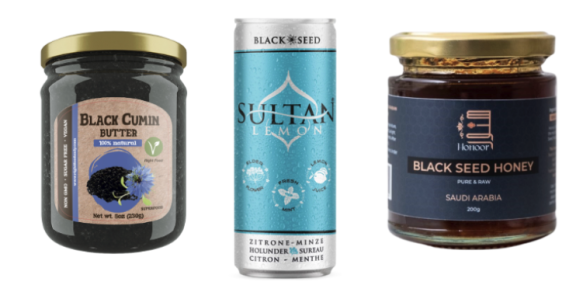
- Functional bakery goods – Amana’s Palestinian black cumin seed oil spread, for example, can be mixed with honey to make a sweet dip or added to cakes for flavour and stability;
- Fortified dairy alternatives – To enhance nutritional value thanks to its unsaturated fats and thymoquinone content;
- Savoury snacks and crackers – As a natural preservative and flavour enhancer;
- Meat products – To improve stability and support clean-label reformulations;
- Nutrient-enriched sauces and dressings – To meet high demand for oils with antimicrobial and antioxidant functions.
Black cumin seed oil also has proven health benefits, which range from anti-inflammatory effects to cardiovascular support. This sets it up to become an interesting ingredient in next-generation food innovation.
Figure 4. Applications of black cumin seed oil or extract in the European food and drinks market
Source: Right Food, Sultan, Riwaya, 2025
Tips:
- Use data from scientific studies – such as the ones mentioned above – to demonstrate your oil’s antioxidant and antimicrobial effects to food manufacturers who are reformulating their processed foods. Focus on sectors like meats, seafood, frozen foods and sauces, where synthetic preservatives are being phased out.
- Clearly state if your oil is cold-pressed, organic or produced with minimal inputs. These claims support both sustainability and clean-label positioning, which European buyers are actively seeking.
- When marketing black cumin seed oil, highlight benefits like heart support or anti-inflammatory effects. But avoid making exaggerated claims. Focus on nutritional composition (thymoquinone, linoleic acid) and refer to traditional uses that are supported by credible studies. Back this up with proper documentation, including a technical data sheet (TDS) showing exact compound levels, and certificates of analysis (CoA) proving batch quality. European buyers expect to see this documentation to verify your claims and to ensure that they comply with the rules.
- Demonstrate that you are aware of EU regulations and the shift away from synthetic additives by referring to current trends in reformulation and clean-label innovation. For example, mention the EFSA nitrite limits or consumer demand for natural preservatives. This builds credibility and shows that you are a proactive and informed supplier.
3. Which European countries offer the most opportunities for black cumin seed oil?
Europe offers strong growth potential for black cumin seed oil. Imports of speciality vegetable oils rose steadily from 2020 to 2024. The Netherlands, France, Germany and Spain stand out for their premium positioning and demand for clean-label ingredients. Countries like Sweden and Austria also offer niche opportunities in the organic and functional food segments.
Source: ITC Trade Map, 2025
Table 4: Vegetable oil import trends in leading European markets, 2020-2024
Country | Value in 2024 (€ thousands) | % change in value (2020-2024) | Volume in 2024 (metric tonnes) | % change in volume (2020-2024) |
|---|---|---|---|---|
| Netherlands | 159,787 | 19.93 | 72,732 | 23.28 |
| France | 208,297 | 54.64 | 69,372 | 36.65 |
| Spain | 136,783 | 150.4 | 58,018 | 189.9 |
| Austria | 65,131 | 33.38 | 55,975 | 14.6 |
| Sweden | 107,041 | 54.35 | 52,464 | 28.6 |
| Germany | 83,651 | -24.04 | 19,119 | -33.01 |
Source: ITC Trade Map, 2025
The Netherlands
The Netherlands is Europe’s most promising market for black cumin seed oil. This status is driven by strong demand for premium functional ingredients and an innovative food industry. Between 2020 and 2024, Dutch imports of fixed speciality vegetable oils increased from 58,999 to 72,732 tonnes (+23.28%). Import values grew from €133.2 million to €159.8 million (+19.93%). These figures show stable pricing with volume-driven growth.
This is particularly relevant for suppliers of black cumin seed oil because of the specific trend in cumin seed imports. They almost doubled in value between 2020 and 2024, rising from €5.2 million to €10.3 million (+96.42%). Yet their volume increased by less than a quarter, from 1,887 to 2,301 tonnes (+21.94%). This indicates growing demand in the Netherlands for premium, higher-quality cumin varieties. So black cumin seed oil is set up well to be marketed as an added-value functional ingredient.
The Netherlands is also a gateway to the rest of the EU food market. Moreover, Dutch food manufacturers make innovation a priority. The Cultivate at Scale initiative promotes cultured and plant-based foods, which creates demand for clean-label bioactive ingredients – like black cumin seed oil – that are both functional and have consumer appeal. Futura Ingredients recently created a technical hub in Wageningen, a town renowned for agri-food science, to expand its research and development and to co-create new product formulations. Initiatives like this demonstrate the Netherlands’ commitment to finding innovative ingredient solutions.
Key players include:
- Sigma Oil Seeds – one of Europe’s leading importers of black cumin seed oil. Sigma has been working with suppliers in Egypt for more than five years to develop high-quality, fully traceable oil for the European market. The company is organically certified and supplies both cosmetics manufacturers and food product formulators;
- Vehgro – supplies FSSC 22000-certified cold-pressed organic black cumin seed oil in several forms;
- De Lange – supplies Egyptian black cumin seed oil for food applications;
- Z-Company – offers wholesale black cumin seed oil solutions;
- DSM-Firmenich – a leading nutrition, health and beauty company that is working on plant-based and meat alternatives containing planet-friendly, sustainably sourced ingredients which extend shelf life.
France
France displays strong market potential for black cumin seed oil. This is driven by consumer demand for natural preservatives and by the country‘s leadership in organic food-manufacturing innovation. Between 2020 and 2024, France experienced a 36.63% increase in the import volume of speciality vegetable oils (from 50,768 to 69,372 tonnes). Over the same period, their value grew by 54.61% (from €134.7 million to €208.3 million). This indicates a rising price per tonne, due to a shift towards higher-value oils.
As for cumin seeds, their import volume grew by 2.53% while their import value increased by 65.55% (from €5.2 million to €8.7 million). This significant value-over-volume difference confirms French manufacturers’ preference for premium, higher-quality cumin products. So black cumin seed oil is in a good position to be marketed as a speciality functional ingredient.
French consumers are highly sensitive to food safety and nutrition: 68% actively seek healthier product labels and 64% avoid synthetic preservatives, according to the Consumer Protection Agency’s February 2024 report. The Ministry of Agriculture reports that adoption of organic preservatives increased by 32% across the food manufacturing sector in 2024. France’s food preservative market is projected to grow from USD 50.0 million in 2024 to USD 68.42 million by 2031 – a CAGR (compound annual growth rate) of 4.0%. This trend is being driven by the increasing demand for natural ingredients.
Key players include:
- Bio Planète – supplies black cumin oil for vitality applications.
- OLVEA – offers speciality seed oils for food and cosmetics applications.
- Botanic Healthcare – supplies black cumin seed oil compliant with TGDA, MEDSAFE and EU guidelines.
- Naturex – a global leader in speciality plant-based natural ingredients.
Spain
Spain is a very interesting market for black cumin seed oil. This is apparent from the rapid growth of its speciality oil imports and rising demand for premium functional ingredients. In fact, Spain recorded remarkable growth in its speciality vegetable oil imports between 2020 and 2024. They nearly tripled in volume, from 20,013 to 58,018 tonnes (+189.91%), and their value more than doubled, from €54.6 million to €136.8 million (+150.44%). These figures indicate that Spain is a dynamic, expanding market with relatively modest price increases.
Imports of cumin seeds dropped in volume during this period, however, from 2,563 to 1,894 tonnes (-26.13%). But their value rose from €4.9 million to €7.6 million (+54.10%). This shift towards higher-value, lower-volume imports reflects Spanish food manufacturers’ preference for speciality ingredients. That creates ideal conditions for suppliers of black cumin seed oil.
The Spanish market is driven by increasing demand for organic foods, rising consumption of processed and packaged foods and supply-chain complexity management. Food additive manufacturers face growing demand from food producers who want to preserve the freshness, safety, taste, appearance and texture of processed foods. Spanish companies are increasingly promoting clean-label ingredient benefits in response to consumer interest in healthy eating habits and ingredient transparency.
Key players include:
- EVESA – which developed Bordantix, a natural rosemary-based antioxidant for clean-label applications. This is relevant because its positioning is similar to that of black cumin seed oil.
- Alvinesa – an innovator of speciality oils as food additives. For example, grapefruit oil and olive fruit oil as clean-label alternatives for use in bakery products, cakes, beverages, spreads and cheeses.
Austria
Austria represents a premium-focused market for black cumin seed oil. It is characterised by strong growth in demand for organic food growth and consumer preference for high-quality clean-label ingredients with selective sourcing strategies. Austria’s speciality vegetable oil imports have risen by 14.61% in volume (from 48,842 to 55,975 tonnes) and by 33.34% in value (from €48.8 million to €65.1 million). This indicates both growing demand and a shift towards premium-priced refined oils.
Cumin seed imports have declined significantly, though, with their volume dropping by 60.34% (from 179 to 71 tonnes) and their value falling 37.85% (from €576,000 to €357,000). This steep reduction suggests that Austrian food manufacturers are consolidating to select high-quality suppliers rather than pursuing broad volume approaches. This creates opportunities for premium black cumin seed oil positioned as a speciality ingredient.
Austria’s organic food market reached €2.687 billion in turnover in 2022. And it continues to expand, particularly in the dairy, fruit and butter categories. This growth is driving demand for organic preservative oils that serve a dual roles in nutrition and in extending product shelf lives. Austrian consumers favour minimalist, transparent ingredient lists and they highly value clean-label products free from artificial preservatives. They like to see only ingredients that they recognise. Cold-pressed black cumin seed oil naturally fulfils these clean-label requirements, and also meets Austria’s premium quality standards.
Key players like VFI Oils operate as importers and manufacturers of high-quality speciality vegetable oils. So they represent good potential partners for suppliers of black cumin seed oil who are seeking to enter Austria’s selective, premium-oriented market through established distribution channels.
Sweden
Sweden also offers good opportunities for suppliers of black cumin seed oil. Demand there is driven by the Nordic region’s leading position in removing synthetic ingredients from food products. Sweden has imported 28.59% more speciality vegetable oils by volume during the past five years (up from 40,795 to 52,464 tonnes). The value of these imports has risen by 54.35% over the same period (from €69.3 million to €107 million). This growing market shows a preference for higher-value oils, which reflects evolving consumer demand for healthier, premium-positioned products.
In the case of cumin seeds, import volume rose modestly from 16 to 17 tonnes (+6.25%). But their import value jumped from €92,000 to €120,000 (+30.43%). Although absolute quantities remain low, then, the increase in value is in line with the broader EU trend towards the import of higher-grade speciality ingredients for functional food manufacturing.
Sweden ranks second in Europe for ultra-processed food consumption. Representing approximately 42% of calorie intake, this creates substantial opportunities for natural preservatives like black cumin seed oil. The Nordic region is in step with Europe’s trend of removing synthetic ingredients from food products. That is forcing manufacturers to find natural replacements, while maintaining the convenience Swedish consumers expect. Sweden is also demonstrating significant consumer preference shifts towards clean-label and organic food products. This trend is driven by increasing health consciousness and environmental awareness.
AAK is a leading Swedish plant-based oils and fats specialist, which works with food businesses on product innovation. This makes it a potential strategic partner in finding uses for black cumin seed oil.
Germany
Germany plays a strategic role in the European speciality vegetable oil trade, as both a major consumer market and a distribution hub for supplies entering the EU via the Netherlands. Between 2020 and 2024, Germany recorded a 33.02% decline in speciality vegetable oil import volumes (from 28,540 to 19,119 tonnes). During the same period, values fell by 24.07% (from €110.1 million to €83.7 million). This drop in both volume and value contrasts with trends in other key European markets, suggesting reduced domestic demand for speciality imported vegetable oils.
As for cumin seeds, Germany saw their import volume fall by 37.28% (from 2,470 to 1,549 tonnes) between 2020 and 2024. Yet their value rose by 12.77% (from €6.92 million to €7.81 million). This sharp difference shows a move towards higher-value, premium imports. Which in turn underlines the potential for black cumin seed oil positioned as a speciality functional ingredient that can command premium prices in a selective and competitive market.
Market dynamics are also being shaped by new investment. In 2024, Canada-based Bioriginal Food & Science Corp entered the German vegetable oil market through its acquisition of Kroppenstedter Ölmühle, a processor of conventional and organic oilseeds for the food, cosmetics and pharmaceuticals industries. Kroppenstedter Ölmühle already offers Egyptian black cumin seed oil in smaller retail quantities, and now there is potential for upscaling within Bioriginal’s speciality oil portfolio.
Key players include:
- Gustav Heess – offers Egyptian black cumin seed oil in organic and cold-pressed formats.
- All Organic Treasure – supplies cold-pressed black cumin seed oil, high in linoleic acid. EU Organic and Kosher certified, with a 24-month shelf life.
- Oleador – offers black cumin seed oil with certifications including EU Organic, Bio, Halal, HACCP, GMP, Agriculture Biologique, Vegan and Kosher.
- Henry Lamotte – provides black cumin seed oil high in natural vitamin E and linoleic acid. Suppliers must adhere to the firm’s code of conduct.
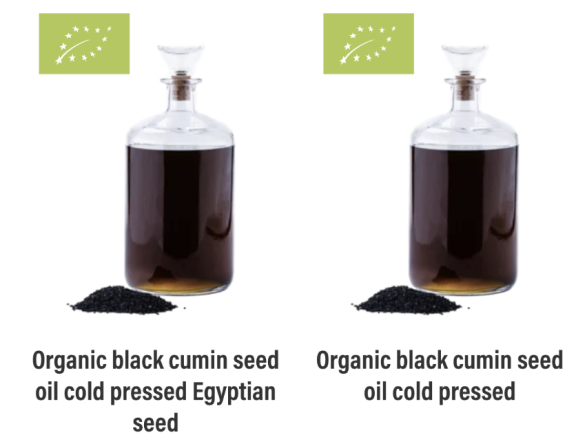
Figure 6: Examples of bulk organic black cumin seed oil sold on the EU market
Source: Gustav Heess, 2025
Tips:
- Focus on gateway markets like the Netherlands and Germany. Their strong demand for premium functional ingredients and their innovative food sectors make them ideal entry points into the EU.
- Countries like Spain and France show strong value-over-volume trends. So promote your oil there as high-quality, organic or cold-pressed.
- Explore smaller markets with a premium focus, like Austria and Sweden. They show strong demand for organic and high-quality oils, which could be ideal for small-batch or boutique producers.
- Adapt to country-specific product preferences. Spain and Italy focus on functional bakery and processed foods, while France and Austria emphasise organic and minimalist labels. Adjust your pitch accordingly.
- Despite no longer being part of the EU, consider the UK as a potential target market. Companies like O&3 supply Turkish black cumin seed oil as part of their comprehensive product portfolio.
4. What trends offer opportunities or pose threats in the European black cumin seed oil market?
More and more European buyers and consumers value functionality, clean-label ingredients and ethical sourcing. These trends are creating new opportunities for natural oils – including black cumin seed oil. This is especially true for those with strong health claims, traceable sourcing and multifunctional benefits. Suppliers who can offer clear nutritional value and transparency are well positioned to succeed.
Increasing demand for functional foods with multiple benefits
The functional food market in Europe is projected to be worth €147 million by the end of 2030. That represents an expected annual growth rate of 8.7% between 2024 and 2030. European consumers want multifunctional products that taste good, are convenient and benefit their health. This demand is reflected in the rise of plant-based shots, infused oils, functional snack bars, protein-enriched ice creams and spreads that deliver measurable benefits.
Black cumin seed oil fits directly into this market as a multifunctional ingredient for food products. Supported by studies that show its antioxidant, anti-inflammatory and antimicrobial properties, black cumin oil has potential to help with a range of health goals. These range from immunity and heart health to healthy ageing. The oil’s high content of thymoquinone and unsaturated fatty acids makes it attractive for formulators seeking multifunctional ingredients.
This trend is especially prominent in the following European countries.
- Germany – Shoppers prefer clinically proven ingredients targeting digestion and immune support;
- France – Buyers favour functional dairy products, bakery goods and drinks with natural ingredients;
- Italy – Growing interest in dairy products, omega-enriched bakery goods and drinks that aid digestion and heart health;
- Spain – Consumers are buying functional cereals, energy drinks and weight management products;
- Netherlands – Growing interest in natural ingredients and plant-based options;
- Austria – Consumers have a strong preference for natural and organic products.
You could introduce black cumin seed oil into these markets through functional spreads, dairy-free drinks, fortified sauces or snack bars. For example, Clif Bars (Germany) uses tocopherol-rich extracts to provide antioxidant benefits. Unlike tocopherol, black cumin seed oil also provides anti-inflammatory support and so offers even broader benefits.
Europe’s ageing population is also pushing demand for products that promote health. Benefits they are looking for include maintaining bone density, reducing inflammation and supporting cognitive function. Personalised nutrition is another emerging subtrend, with brands developing food products that are tailored to individual health needs.
Growing pressure for sustainable sourcing and upcycled value
Ethical sourcing is fast becoming a legal requirement for exporters to Europe. The EU’s Corporate Sustainability Due Diligence Directive (CSDDD) and Corporate Sustainability Reporting Directive (CSRD) clearly explain how large European companies must now identify, prevent and address human rights and environmental risks in their supply chains. More and more regulators, retailers and consumers are demanding ethical sourcing, environmental responsibility and traceability.
For exporters of black cumin seed oil, this presents an opportunity to stand out. Their product fits well with Europe’s growing demand for sustainable and multifunctional ingredients. Its production is often low-input and smallholder-driven, and by-products such as seed cake can be upcycled for animal feed or natural skincare. These factors are attractive at a time when European brands are judged not only for product quality, but also for the sustainability of their entire value chain.
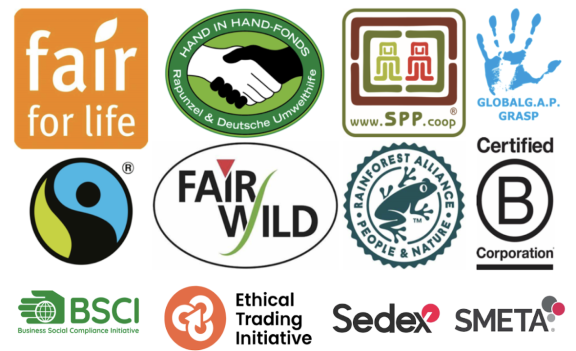
Certifications and sourcing standards matter to buyers. Major distributors of raw ingredients like Gustav Heess actively seek partnerships that are in line with what they do for sustainability. It highlights certifications that show its sustainability efforts, including Naturland, EU Organic, UEBT, Sedex, AöL, ISO 9001, ISO/IEC 17025 and Kosher.
OLVEA publishes an annual Corporate Social Responsibility Report. One of its key focal areas is the UN Sustainable Development Goals (SDG 17), and it fosters it global partnerships to help achieve them. OLVEA undergoes external audits and has earned recognition from Ecovadis, SMETA and CDP. Other notable businesses prioritising sustainability are Henry Lamotte, O&3 and All Organic Treasures.
Figure 7: Certifications that show your commitment to social responsibility
Source: ProFound, 2025
Ethical sourcing improves your competitiveness and export potential in Europe. Black cumin seed oil suppliers with sustainable, traceable products can help European food manufacturers and companies across broader European markets (including the UK and Switzerland) to achieve their own sustainability goals. Some ways in which ethical sourcing can help your business:
- Enhanced brand loyalty – Consumers support brands that share their values. If brands can say that their black cumin seed oil comes from a sustainable and socially responsible supplier, they win trust. So if you can prove ethical practices in your production (organic farming, fair wages and upcycling, for example), you become more attractive to those brands.
- Futureproofing against regulation – Ethical sourcing is becoming a requirement for European companies. By aligning now with traceable and ethical sourcing standards, you avoid being disqualified later when buyers need to prove compliance.
- Increased investor interest – Many food brands and manufacturers rely on funding from ESG investors (environmental, social and governance-led). These investors also want proof that the entire supply chain is responsible. If you can demonstrate that your black cumin seed oil complies with ESG standards, your buyer has greater investment appeal and that puts you in a stronger selling position.
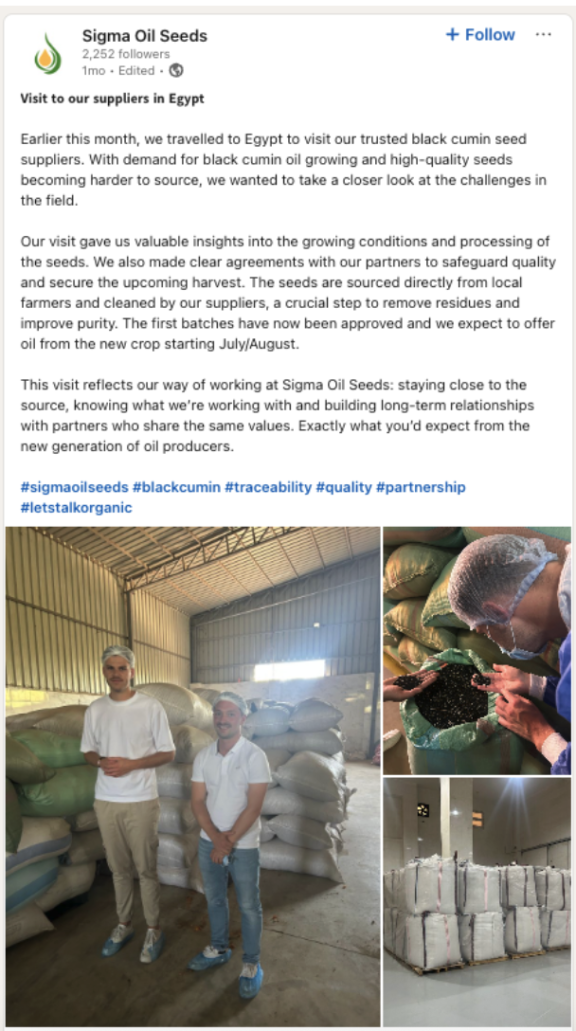
More and more businesses are publicising their sustainability efforts on LinkedIn and sharing progress. Sigma Oil Seeds is an example of a European importer that controls sourcing from farm to finished oil. It sources exclusively from around five small, family-run farms in Egypt. Sigma representatives visit them several times each year, communicate daily via WhatsApp and organise meet-ups during international trade fairs like BIOFACH. For exporters, importers of this kind can provide direct access to the European market. But in return they expect full transparency and strict adherence to agreed quality standards, volumes and pricing.
Figure 8: Example of a European importer, Sigma Oil Seeds, visiting its black cumin seed oil suppliers in Egypt
Source: Sigma Oil Seeds LinkedIn, 2025
Exporters from developing countries are also demonstrating how to communicate their sustainability efforts to European buyers. Chakka Origins, an Ethiopian black cumin seed oil supplier, uses a conservation-based sourcing model that highlights its work in Ethiopia’s biosphere reserves. On its website, it clearly explains its commitment to regenerative practices, biodiversity protection and community engagement. It is transparent about its sourcing locations, partnerships with local communities and environmental impact. This type of clear, evidence-based communication – showing where products come from, how communities benefit and what environmental practices are in place – is just what European buyers look for when evaluating suppliers. By making its sustainability information accessible and specific rather than vague, Chakka Origins has positioned itself as a credible partner for buyers who need to demonstrate supply-chain responsibility.
Tips:
- Make sustainability part of your sales story. And prove it using photos, third-party audits and data about, for example, upcycling practices, smallholder impact or reduced-input farming.
- Obtain certification from at least one recognised scheme. But check first with potential buyers to find out what they are looking for. Normally, buyers expect at least HACCP or ISO2200 certification before they will start talking to a supplier.
- Depending on how closely they want to work with suppliers, some buyers may invest more in developing partnerships. Sigma Oil Seeds, for example, is doing this with its organic sesame from Burkina Faso.
Consumer scepticism toward uncommon ingredients creates positioning challenges and opportunities
In markets such as Germany, the Netherlands, France and the UK, growing concerns over ultra-processed foods are driving a strong shift toward natural, minimally processed alternatives. Nearly half of European consumers now actively avoid processed foods. More than two-thirds closely inspect the ingredients listed on labels. This presents an initial challenge for your black cumin seed oil, because many European shoppers remain sceptical of ingredients they might not recognise – especially when health claims are not widely understood or when unfamiliar names appear on ingredient lists.
However, this trend can be turned from a barrier into a business opportunity. Many processed foods are now being updated to meet the demand for 'clean labels'. Claims such as 'no additives', 'natural' and 'organic' are increasingly influencing consumer behaviour. This in turn is forcing food manufacturers to seek natural, recognisable alternatives to artificial preservatives and complex additives.
As a supplier, you can turn scepticism into a competitive advantage through strategic positioning. Black cumin seed oil may be unfamiliar to European consumers, but it becomes highly attractive when framed as a natural solution to Europe’s reformulation needs.
Food manufacturers want ingredients that meet both regulatory requirements and consumer demand for clean labels. Your challenge is to ensure that your marketing efforts emphasise the oil’s natural preservative properties and traditional history of use in food. That is more effective than making complex health claims.
Tips:
- Educate industry buyers about your ingredient. One good example comes from O&3, which offers a downloadable folder including a Material Safety Data Sheet, product specification sheet, manufacturing flow, product statement sheet, product marketing sheet and allergen declaration.
- Frame your oil as a solution to a familiar problem. Instead of saying that you sell ‘black cumin seed oil’, for example, market it as "a natural, effective alternative to synthetic preservatives that aligns with clean-label reformulations".
Demand for halal and inclusive food products is increasing
Europe’s Muslim population now exceeds 25 million and demand for Halal-certified health-conscious products is growing rapidly. Not just at ethnic stores, but also in mainstream retail. This translates into a significant market opportunity. Europe’s halal food and beverage market was worth €13.3 billion in 2024 and is growing at 5.61% annually. It is projected to reach €17.2 billion by 2029. This growth is being driven by both the increasing Muslim population in Europe and Muslim tourism. They are creating broader demand for halal products.
Major supermarkets are responding to this demand. Sainsbury’s now has a complete halal section on its website, with over 160 products. This shows how mainstream retailers are embracing that market. Black cumin seed oil holds cultural relevance and is used in traditional Islamic medicine and cuisine. For exporters, obtaining Halal certification can unlock both niche and mainstream sales channels. Companies like HTN and NutriVolv have already established themselves as Halal-certified black cumin seed oil product formulators. They demonstrate the market viability of this approach.
Figure 9: Halal certification

Source: Halal Certification Services, 2025
Tips:
- Explore the Halal Certification Europe site, and partner with recognised Halal certification bodies early in your process. Buyers want to see credible third-party verification.
- In conversations, show that you understand both clean-label trends (like nitrite limits and opposition to ultra-processed foods) and the growing mainstream demand for Halal-certified ingredients.
ProFound – Advisers In Development carried out this study on behalf of CBI.
Please review our market information disclaimer.
Search
Enter search terms to find market research
Do you have questions about this research?
We have a strict supplier approval process. New partners must pass our quality audits, agree on binding prices and volumes and complete a trial order. We send samples from the first batch to independent labs for testing, which is essential for black cumin seeds because they are sensitive to contaminants.

Timo van Dorland, General Manager of Sigma Oil Seeds