

Entering the United Kingdom market for cocoa
West Africa is the most important partner for the UK cocoa industry. However, as British consumers’ tastes change, there are also new opportunities for cocoa producers in other countries. To export to the UK, you need to follow British import regulations. These rules are very similar to EU standards, but you will need to check for updates regularly. If you want to enter this market, understanding the rules and trends is important for success.
Contents of this page
1. What requirements and certification must cocoa meet to be allowed on the United Kingdom market?
The United Kingdom has strict food safety, traceability and sustainability requirements for cocoa and cocoa products. Exporters need to comply with mandatory legal requirements before products can enter the market. Many buyers also have their own requirements around quality, sustainability and traceability. Requirements are becoming stricter because of growing consumer interest in ethical sourcing, climate change and deforestation risks.
The United Kingdom is no longer part of the European Union (EU), but many UK cocoa buyers still follow EU standards. They do this because they trade with EU markets or belong to multinational companies that do business throughout Europe. The UK has also established its own trade agreements with many countries, mostly using the terms that previously applied under EU membership.
For exporters, this means both EU and UK rules are relevant. The two are well aligned in many cases. It is also good to know that British importers can re-export cocoa to other European markets. This could bring additional destination-specific requirements around certification and standards. This will depend on the final market and associated sales channel. See for example the CBI studies on interesting export markets, like Belgium, Eastern Europe, France, Netherlands, Scandinavia, Spain, Switzerland and Italy.
Buyer requirements can be divided into:
- Mandatory requirements;
- Additional requirements that buyers often have; and
- Requirements for niche markets.
The highlights for these requirements are given below, specified for the British market when relevant.
What are mandatory requirements?
Following sustainability rules is a basic requirement, not a choice. Under the Environment Act (2021), British companies are not allowed to use cocoa produced through illegal land use or illegal deforestation. Companies will also need to do relevant due diligence checks and report on how they manage these risks every year. Because of this, UK buyers will ask you to provide proof that cocoa is produced legally. Buyers can ask for information about farm locations, GPS coordinates, land ownership documents and traceability records.
At the same time, EU rules that are part of the European Green Deal, particularly the EU Regulation on Deforestation-free Products (EUDR), are increasing the need for traceable and deforestation-free cocoa. These rules can also affect cocoa sold to the UK, because many UK buyers also sell products on the EU market.
The EUDR bans imports of cocoa products into the European Union (EU) from land that was deforested after 31 December 2020. This means that all companies that import cocoa into the EU need to make sure their products did not cause deforestation. Companies also need to provide data on the geolocation and legality of where their cocoa was grown.
These rules will be applied from 30 December 2026 (or 30 June 2027 for SMEs). Companies that sell cocoa on the EU market need to prove their supply is deforestation‑free and legally produced. The cocoa should also be traceable to the exact plot of land where it was grown. Exporters will need to do their due diligence. This includes geolocation mapping, legal compliance checks and risk mitigation measures.
UK companies are under pressure to report on their own cooperate sustainability measures because of laws like the Modern Slavery Act and the new sustainability reporting standard. Large multinationals that do business in the UK need to comply with the EU’s Corporate Sustainability Reporting Directive (CSRD) and the Corporate Sustainability Due Diligence Directive (CSDDD).
The Corporate Sustainability Reporting Directive (CSRD) says there needs to be standardised ESG (environmental, social and governance) reporting. This law applies to firms with 1,000 to 1,750 workers and a turnover of €450 million. The first reports are due between 2028 and 2029.
The Corporate Sustainability Due Diligence Directive (CSDDD) also says large companies need to address human rights and environmental risks across supply chains. This law applies to firms that have over 5,000 workers and a turnover of €1.5 billion or more.
To make sure they follow these laws, buyers will more often ask you for information on your labour practices any and farmer income programmes that you join. You must also measure and report on your greenhouse gas emissions, and on any community engagement activities, and show how you prevent deforestation. Read the CBI study 8 tips on how to reduce carbon footprint in the cocoa sector to learn how to measure and report your carbon emissions.
Read the CBI studies What trends offer opportunities or pose threats in the European cocoa market?, 8 Tips on how to become EUDR-compliant in cocoa and New EU rules reshape the cocoa industry for more information about these regulations. There are also other mandatory requirements around food safety, contaminants, extraction solvents, quality, labelling, packaging and payment and delivery terms. These are explained below.
Food safety and contaminants
All cocoa and cocoa products imported into the United Kingdom need to comply with UK food safety legislation. These legislations are mostly in line with the EU’s General Food Law (Regulation (EC) 178/2002) and hygiene standards. Products need to be safe for human consumption and free from harmful contamination.
There are limits on pesticide residues (MRLs) and other contaminants. The United Kingdom largely follows standards they already had from EU legislation. Check current pesticide residue limits using the UK government pesticide database and retained EU food legislation. Several contaminants are also regulated in cocoa products, based on advice from the European Food Safety Authority (EFSA). Examples are heavy metals (e.g. cadmium), pesticide residues, mycotoxins (e.g. ochratoxin A), polycyclic aromatic hydrocarbons (PAHs), microbes and foreign matter.
If you follow these regulations there are usually fewer rejections because of quality issues like free fatty acids limits. If the cocoa you supplied contains more than 1.75%, chocolate makers will reject the cocoa. In the EU, products from countries that cannot comply with these standards more than once are put on a list in the Annex of European Commission Implementing Regulation (EU) 2019/1793.
The EU Solvents Directive 2009/32/EC also regulates the use of extraction solvents in food production. For cocoa, there is a maximum residue limit of 1 mg/kg of 2-methyloxolane in cocoa butter extraction. This solvent is often used in the production or fractionation of fats, oils or cocoa butter.
Proper hygiene during handling and storage affects the quality of cocoa beans. The guide Cocoa Beans: Chocolate & Cocoa Industry Quality Requirements offers advice on cocoa growing, post-harvest practices and quality evaluation methods that help improve cocoa quality. Not having the right quality can lead to losses.
Labelling and packaging requirements
Cocoa and cocoa products sold in the UK need to follow the general UK food labelling rules. Like the EU Labelling rules for cocoa, they make sure that consumers get essential information. The information the labels provide needs to be easy to understand, see and read, and written in a language that is easily understood by the buyer. This is mostly English.
Labels should include the following items to make sure individual batches can be traced:
- Product name;
- Grade;
- Lot or batch code;
- Country of origin;
- Net weight in kilograms.
If your cocoa is organic and/or Fairtrade certified, the label should contain the name or code of the inspection body and certification number.
While there are no specific packaging regulations for cocoa or cocoa products, all food packaging needs to follow Regulation (EC) no. 1935/2004 on food contact materials.
Cocoa beans are traditionally shipped in jute bags, which can weigh between 60 and 65 kilogrammes. On the mainstream market, the bulk shipment of cocoa beans has become more popular. This means cocoa beans are loaded directly into the ship’s cargo hold or in shipping containers containing a flexi-bag. Larger cocoa processors often use this mega bulk method. These processors work with cocoa beans of standard qualities. Jute bags are still common in the specialty cocoa segment. For very high-quality micro lots, vacuum-sealed GrainPro packaging can be used.
Payment and delivery terms
Most cocoa trade with UK buyers follows international commercial terms (Incoterms). These are often:
- FOB (Free on Board);
- CIF (Cost, Insurance and Freight).
Payment terms vary depending on buyer relationships and risk levels. Common systems include:
- Advance payment;
- Letters of credit;
- Partial pre-financing;
- Payment after delivery.
Long-term relationships and certification often make access to better payment conditions easier. A proposed EU rule suggests a 30-day maximum for payment of all food products.
Tips:
- Read the CBI study on buyer requirements for cocoa in Europe for more details on requirements.
- Check the Food Standards Agency website for more detailed information about the regulations around imports of non-animal products into the United Kingdom.
- Read more about the quality requirements of the European industry for cocoa beans on the Cocoa Quality website.
- Learn more about maintaining the quality of your cocoa during transportation on the website of the Transportation Information Service(TIS). You can also read more about delivery and payment terms for your cocoa bean exports in the CBI study on organising cocoa bean exports to Europe.
What additional requirements and certifications do buyers often have?
Besides meeting mandatory requirements, many UK buyers expect suppliers to meet additional standards related to food safety, quality management, traceability and sustainability. These additional requirements help buyers reduce risks, ensure product quality and show responsible sourcing to consumers and regulators. The exact requirements depend on the buyer, the product and the target market.
Food safety and quality management requirements
Many buyers require exporters to put systems in place that guarantee food safety, product quality and traceability throughout the supply chain.
One common requirement is the use of Good Agricultural Practices (GAPs). The main international standard is GLOBALG.A.P., which promotes safe and traceable agricultural production. Although GLOBALG.A.P. certification is voluntary, many certification schemes and buyers have made GAP principles part of their sourcing requirements.
Buyers often require suppliers to have a Quality Management System (QMS). At the level of cocoa storage, handling and processing, systems based on Hazard Analysis and Critical Control Points (HACCP) are often seen as the minimum standard. Exporters of semi-finished cocoa products are sometimes also expected to obtain internationally recognised food safety certifications for their processing facilities, like International Featured Standards: Food (IFS) and British Retail Consortium Global Standards (BRCGS).
Sustainability certification
Many UK buyers require cocoa to be certified under sustainability schemes. The most common certification systems are Rainforest Alliance, Fairtrade International and Organic certification.
These certifications focus on environmental protection, responsible pesticide use, farmer livelihoods, child labour prevention, traceability and sustainable farming practices. Fairtrade is especially important in the United Kingdom because consumers are very aware of ethical sourcing and farmer welfare issues.
Fairtrade generated over £28 million in premium for farmers and workers in 2024. Cocoa is a cornerstone in the global Fairtrade system. It makes up 26% of all Fairtrade farmers and 22% of the total Fairtrade farmer and worker population. For the 2026 season, Fairtrade has updated its Minimum Price to $3,500/MT (USD) for conventional cocoa to protect farmer livelihoods better.
Chocolate is one of the most popular Fairtrade certified product categories in the country, alongside coffee and bananas. The accredited certifier for Fairtrade is FLOCERT. SPP (Small Producers’ Symbol) is another, less common standard on the British market.
Rainforest Alliance is also one of the most recognised sustainability labels in the UK food market. Its consumer awareness is estimated at around 58% according to a 2023 report. In 2024, the UK imported 135,000 tonnes of RA-certified cocoa.
Generally, organic retail sales are growing in the UK and were valued at €4,125.6 million in 2024 (Figure 1).
Source: Research Institute of Organic Agriculture FiBL, 2026.
Organic cocoa is no longer considered as niche due to its rising market share and growth. The UK’s organic cocoa market is also growing. It is valued at $167.01 million (USD) in 2024, and it is projected to nearly double to $320.82 million by 2033. The UK contributes 6.42% to the global organic cocoa products market. Organic cocoa powder makes up the largest share of imports.
To market your cocoa as organic in the British market, it needs to comply with the UK’s regulations. The following regulations apply: Retained Council Regulation (EC) 834/2007, Retained Commission Regulation (EC) 889/2008, Retained Commission Regulation (EC) 1235/2008 and the Organic Products Regulations 2009.
An accredited certifier needs to audit your growing and processing facilities. Check this list of control bodies and control authorities that are recognised in the United Kingdom to make sure that you always work with an accredited certifier. To become organic certified, you need an annual inspection and audit. The aim of these is to make sure that you comply with the rules on organic production. It is good to know that private labels like Soil Association are very popular on the British market. You can find the specific standards of this label on its website.
All organic products imported into Great Britain (England, Scotland, Wales and their associated islands) need to have an appropriate electronic GB Certificate of Inspection (COI). If you want to export to Northern Ireland, you will need an EU electronic COI. You can complete this by using the European Commission’s electronic Trade Control and Expert System (TRACES). A control authority must give out all COIs before the departure of a shipment. If this is not done, your product cannot be sold as organic in the UK. It will then be sold as a conventional product.
Supplier codes of conduct
Large UK and multinational chocolate companies often require you to follow their codes of conduct. These can include labour standards, child labour monitoring, environmental protection, anti-deforestation commitments and human rights policies. They can also require regular audits and supplier assessments.
Tips:
- Check the International Trade Centre Standards Map or the Global Food Safety Initiative website to learn about the different food safety management systems, hygiene standards and certification schemes.
- See the CBI study on certified cocoa for more information about the demand for sustainable cocoa on the European market, trends and specific trade channels.
What are the requirements for niche markets?
Niche markets in the United Kingdom focus on products that offer extra value beyond conventional cocoa and chocolate. These markets target consumers who are willing to pay higher prices for specific attributes, like fine flavour characteristics, unique origins, artisanal production methods and stronger sustainability credentials.
Premium and fine flavour cocoa
UK consumers are willing to pay more for high-quality chocolate that offers the best flavour, unique origins, artisanal production methods and strong sustainability credentials. The Cacao of Excellence Guide lists the international protocols and benchmarks used to assess, describe and demonstrate fine flavour cocoa quality.
To supply this segment, exporters should focus on consistent bean quality, good fermentation and drying practices, low defect rates and full traceability. Buyers often look for fine-flavour cocoa varieties, unusual flavour profiles and clear information about the cocoa’s origin and production methods.
Single-origin cocoa
Single-origin cocoa comes from one specific country, region or even community. Single-origin chocolate is one of the fastest-growing niche segments in the UK chocolate market, with growth of 6.76% per year expected until 2031.
Buyers in this niche segment require a high level of traceability and often expect detailed information about farmer groups, production practices and post-harvest handling. Storytelling about the origin, culture and sustainability impact of the cocoa can add a lot of value. The storytelling can be about topics like agroforestry systems, regenerative agriculture, biodiversity conservation programmes and carbon-reduction initiatives.
Exporters targeting this niche should be prepared to give evidence of environmental and social impact, including information on deforestation risk, carbon footprint reduction, biodiversity protection and farmer livelihoods. Strong traceability systems and transparent reporting are becoming more and more important for this market segment.
Tips:
- Find companies that specialise in organic products on the Organic-bio website.
- If you produce cocoa according to a fair trade scheme, find a specialised British buyer who is familiar with sustainable and/or fair trade products, for example using the FLOCERT customer database. The Fairtrade UK website also has a lots of its British partners.
2. Through which channels can you get cocoa on the British market?
Cocoa enters the UK through different channels that serve the confectionery, food, cosmetics and pharmaceutical industries. But the confectionery sector is still the most important destination for raw beans, where specialised processors turn cocoa liquor and butter into chocolate bars, tablets and bonbons. For exporters, identifying the right trade channel is essential for success. They can do this through large-scale international traders or direct-trade partnerships with artisanal bean to bar makers.
How is the end-market segmented?
Generally, supermarkets are the main sales channel for chocolate products. Supermarkets have a wide variety of chocolate products, ranging from low to higher-end products. The largest retailers in the UK are:
The market share of overall private labels in British supermarkets reached nearly 60% in 2024. These private-label products are getting more popular because they offer the same quality and characteristics as branded products but are usually more competitively priced.
Low end
The low-end segment uses bulk cocoa. It is characterised by high volumes, low value and standard quality. The low-end segment offers cheap chocolate products with lower cocoa content. The products are often produced by large chocolate manufacturers, mainly using bulk cocoa from West Africa (Forastero variety).
Many chocolate manufacturers use mass balance sourcing for their cocoa. This means that certified cocoa and non-certified cocoa are mixed during shipping and manufacturing. So, certified cocoa may end up in non-certified products and the other way around.
The image below shows examples of brands and an indication of consumer chocolate prices (based on Sainsbury's retail prices in 2026) in UK supermarkets for lower-end products.
| Product | Image | Price (£/kg) |
|---|---|---|
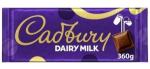
| £17.36 | |
| Stamford Street Co. Dark Chocolate 100 g | 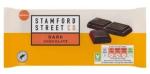
| £6.5 |
Middle range
The middle-range segment has chocolate products of good quality, which are often sustainably certified. Storytelling and the origin of the cocoa beans are important in this segment, mainly for marketing purposes.
Middle-range products are mostly sold through supermarkets and are usually retailers’ high-quality category. Supermarkets offer their own premium private label chocolate products more and more often. These products offer similar quality and characteristics as branded products, but usually at more competitive prices. Besides mainstream supermarkets, middle-range products can also be found in more specialised organic and fairtrade shops.
The table below gives some examples of middle-range chocolate brands, and an indication of consumer prices for these products (based on Sainsbury's retail prices in 2026).
| Product | Image | Price (£/kg) |
|---|---|---|
Tony's Chocolonely Milk Chocolate 180 g | 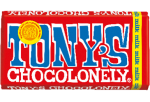
| £22.22 |
| Green & Black's 90 g Organic 70% Dark Chocolate Bar | 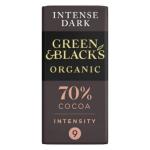
| £38.90 |
High end
Smaller, more specialised chocolate makers produce high-end chocolate products, mainly using fine flavour cocoa (usually Criollo and Trinitario varieties, and sometimes Forastero). These products are characterised by high cocoa content. It is important that the cocoa beans have a single origin, both for the taste and for the traceability of the cocoa. Single origin means that the buyer knows exactly where the cocoa beans are from and that it is a specific cocoa and not a blend. Bean to bar chocolate is a good example of a high end product.
High-end products are mainly sold at chocolate events and in specialty shops. E-specialty shops in the United Kingdom include Chocolate Trading Company, Chocolate Seekers and Cocoa Runners. The website of the Fine Cacao and Chocolate Institute (ICCR) and chocolatier give more examples of bean to bar chocolate makers and shops in the United Kingdom.
The table below gives some examples and an indication of consumer prices for high end chocolate products by British makers.
| Product | Image | Price (£/kg) |
|---|---|---|
| Solomon Islands, Guadalcanal 40% Chocolate Thins | 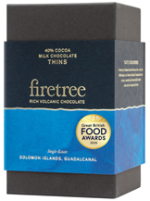
| £114.30 |
| Juthan Chocolate, Vanilla Bar 60% | 
| £132.70 |
High-quality cocoa beans are often used in premium chocolate products and can be sold at higher prices. But higher quality does not automatically mean a price premium. The price exporters get depends on bean quality but also on the buyer’s specific requirements and the terms they agreed before the sale.
For exporters, this means that producing higher-quality cocoa should be linked to clear market opportunities. Before investing in special fermentation methods, fine-flavour production or extra certifications, it is important to understand exactly what quality attributes the buyer requires and if they are willing to pay a premium for them. This is why good communication with buyers is very important. Without clear agreements on quality specifications and pricing, exporters sometimes need to pay extra production costs without receiving higher prices in return.
Tips:
- Learn about the best British chocolate brands in 2025.
- Read the CBI studies 10 tips on how to do business with European cocoa buyers and 7 tips on how to find buyers in the European cocoa market.
Through which channels does cocoa end up on the end-market?
As an exporter, you can use different channels to get your cocoa onto the British market. The way you enter the market will depend on the quality of your cocoa beans and how much you can supply.
It is important to realise that the European market is moving towards shorter supply chains. This means retailers and cocoa processing companies are more often sourcing their cocoa beans directly. The figure below shows the most important channels for cocoa beans in the United Kingdom.
Figure 2: Visualisation of the supply chain for bulk cocoa in the United Kingdom
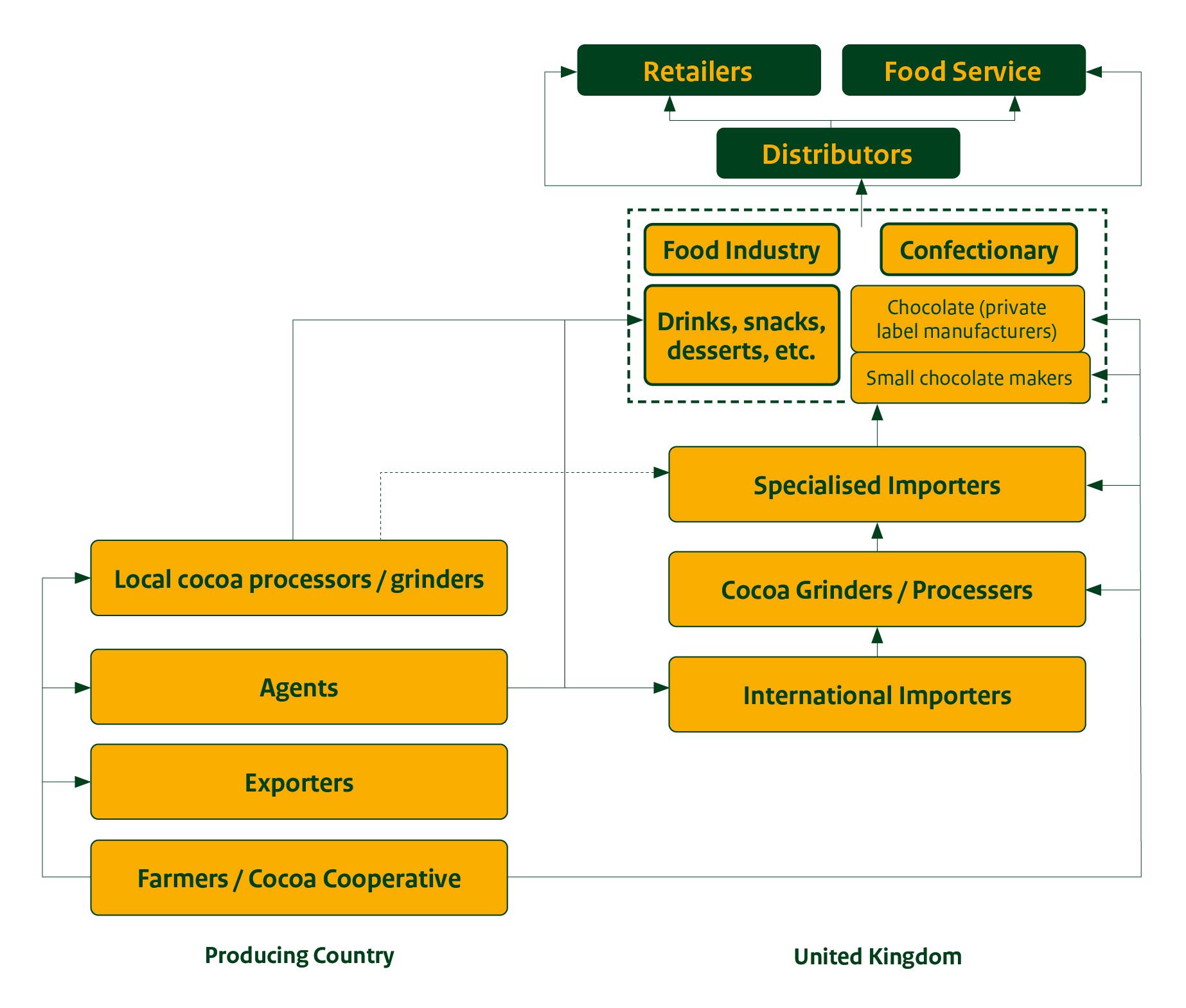
Source: Amonarmah Consults, 2026.
Cocoa bean processors/grinders
Large processors and grinders, like Cargill, Olam Food Ingredients (ofi) and Barry Callebaut, make up most of the UK market by sourcing bulk beans from producing countries directly. These companies vertically integrate importing and processing to supply cocoa mass, butter and powder to the confectionery, cosmetic and pharmaceutical sectors. Similarly, multinationals like Mondelēz and Nestlé manage integrated supply chains to manufacture end-consumer products for retail. This channel is most useful for exporters of high-volume, standard-quality bulk beans. This is because these grinders often operate their own buying stations in-country to make direct, large-scale trade possible.
Importers
Importers act as the primary gatekeepers to the British market. They bridge the gap between origin countries and UK manufacturers. These companies manage the complex logistics, customs and quality risks that come with international trade. Large-scale importers like Ecom often handle high-volume bulk cocoa and maintain long-term contracts with exporters to supply the mainstream food industry. At the same time, specialised importers like Twenty Degrees Cacao (part of the Olam Group) focus on the specialty segment, dealing in smaller quantities and putting direct, transparent partnerships with producer cooperatives first.
Large (private label) chocolate manufacturers
The largest industrial chocolate manufacturer in the world is Barry Callebaut. It has British production facilities in Moreton and Banbury. Other large chocolate manufacturers active on the British market include Mars, Mondelēz and Nestlé. These companies all have their own importing departments and get their cocoa directly from producing countries or have hybrid models. This means they sometimes also get their cocoa beans from importers.
Private-label manufacturers can also be an interesting entry point for your cocoa beans. These companies are growing in importance as it becomes more common for brands to outsource their production to specialised private label manufacturers. Whitakers and Davis Chocolate are examples of private-label manufacturers in the United Kingdom.
This is an ideal, high-margin channel for producers with exceptional bean quality and the technical expertise to manage the logistical and financial responsibilities of direct export in smaller, premium lots.
Small chocolate makers
The specialty and fine-flavour segment is driven by artisanal bean to bar makers who prioritise direct trade and ethical storytelling. UK-based makers like Bullion Chocolate, J.Cocoa and Río Nuevo want high-quality beans with unique flavour profiles. They often work with farmers directly or through specialised importers who safeguard traceability.
Targeting specialty chocolate makers directly is advised for producers and exporters that deal with specialty cocoa beans. This requires the financial means and technical know-how to organise export activities. You could also think about setting up local processing facilities to add more value to your cocoa beans. The CBI study Exporting semi-finished cocoa products to Europe talks about this subject in more detail.
Agents
Agents act as expert intermediaries. They bridge the gap between producers and UK buyers without taking physical ownership of the cocoa. Specialised firms like Amius use their market knowledge to evaluate buyers and negotiate contracts on behalf of their clients for a commission. This channel is particularly good for exporters with limited experience in the UK market or those that do not have the logistical resources to trade directly. Reputable agents can serve as trusted guides to working around the complexities of the British cocoa sector and find the right long-term partners.
What is the most interesting channel for you?
For exporters, choosing between the best channel depends on scale and quality. High-volume bulk suppliers benefit from the vast networks of global trading houses. Meanwhile, specialty or certified beans producers often find more value if they work directly with niche importers. This direct-to-importer path is a strategic gateway for cooperatives that want to connect with high-end chocolate makers. But they need to have the technical know-how to meet the UK chocolate sector’s premium requirements to do this.
Small chocolate makers
Producer groups that sell specialty cocoa can benefit from selling to specialised cocoa importers or high-end chocolate makers directly. For this, you need sufficient money and technical skills to manage the exports yourself. Otherwise, you can go through middlemen or agents.
Artisanal chocolate producers often look for high-quality, fine-flavour beans and are willing to pay premiums for unique profiles. They focus on direct trade with producers to ensure quality, traceability and sustainability. They often need detailed information on the cocoa’s origin, processing, and certifications like organic or Fairtrade.
Representative/Agent
Agents can play a very important role if you have limited experience with exporting to European countries. They are also interesting if you have limited amounts of non-specialty cocoa or do not have the financial and logistical resources to do trade activities. Working with an agent is also useful if you need a trusted partner with a good reputation in the cocoa sector.
Importers
Importers are an effective gateway to the UK market, particularly for standard-quality beans in high volumes, as direct processor access is rare. They use long-term supplier relationships to streamline market entry, make sure the rules are followed and share insights on quality and regulations. Focus on those that specialise in cocoa or niches, like organic products, for tailored expertise.
Online Retail
Online retail will probably grow at a CAGR of 7.05% through 2031, making it the fastest-growing sales channel in the UK chocolate market during the forecast period. This growth is supported by the growing use of digital shopping, demand for convenience, subscription-based gifting and direct-to-consumer strategies that premium chocolatiers and mainstream chocolate brands use.
This can be an interesting channel for chocolate makers from producing countries. This digital transformation is helping smaller, innovative chocolate makers to reach wider audiences without wide physical retail networks. Ghanaian Kabi chocolate and Divine chocolate, for example, sell chocolate to European countries, including the UK, through e-commerce. Large sites like Amazon.co.uk can offer user-friendly interfaces, secure payments and loyalty perks.
Tips:
- Read the CBI study on finding buyers on the European cocoa market.
- Attend trade fairs to meet potential buyers. Check upcoming international cocoa fairs on the International Cocoa Organisation (ICCO) website.
- Use industry associations to find potential buyers in the United Kingdom, like the British Bakers and Confectioners Association (B&CA). On an international level, there is the Federation of Cocoa Commerce, located in London.
- Read the CBI study on doing business with European cocoa buyers.
- Make yourself more visible with social media. Check out Dame Cacao’s series. It has guides on social media basics for small businesses, using Instagram for your business, creating better Instagram content, building an engaged Instagram audience and making effective Instagram ads.
3. What competition do you face on the British cocoa market?
The British cocoa market is very concentrated, with a small number of large companies dominating cocoa buying and processing. Although record-high cocoa prices in 2024 and 2025 put pressure on the profit margins of smaller businesses, the market still relies heavily on large volumes of cocoa, mostly from West Africa.
Which countries are you competing with?
West African cocoa still makes up most of the market, while cocoa from Latin America is growing quickly and creating new competition. Major suppliers like Côte d’Ivoire and Ghana still lead the bulk segment. These countries are the main sources for the UK’s massive industrial grinders.
Côte d’Ivoire is the most reliable volume leader, while Ghanaian beans often get a slight preference because people think they have a higher consistency in fat content and fermentation quality. But the specialty cocoa segment has become more and more dynamic. The large growth of origins like Ecuador and Peru shows a growing appetite for quality, flavour diversity and sustainability.
The buying of cocoa beans from origins like Nigeria suggests that UK processors are actively diversifying their supply chains to manage market volatility. This makes the landscape more competitive for bulk and fine-flavour exporters.
Below is an overview of important exporting countries you might be competing with.
Source: ITC calculations based on ITC and UN Comtrade statistics, 2026
Côte d’Ivoire: Leading exporter to the United Kingdom
Côte d’Ivoire is the undisputed leader of cocoa bean exports to the United Kingdom. Between 2021 and 2025, the country supplied a total of 264,209 tonnes to the British market. This makes up around 85% of all British cocoa imports. This dominance is supported by a well-established cocoa supply chain and local infrastructure.
But this very important supply line faces large long-term threats. Cocoa Swollen Shoot Virus Disease (CSSVD) is a worsening crisis. Recent studies found that about 50% of Ivorian cocoa farms were infected in the 2024/25 season. Quickly changing weather patterns and ageing plantations also continue to affect yields. Still, high global prices have motivated farmers to do more maintenance work.
The Ivorian cocoa sector is strictly managed by Le Conseil du Café-Cacao (CCC). It regulates pricing and oversees the sale of 70–80% of the crop before harvest begins. Cocoa trading in the country has been dominated by six global multinationals for a very long time: Cargill, Barry Callebaut, ofi (Olam), Ecom, Sucden and Touton. But the government now says that 20% of export contracts must be reserved for local Ivorian exporters. Leading local players that are now competing on the international stage include AWAHUS Services and S3C (Société de Commercialisation de Café et Cacao).
The Ivorian cocoa sector’s strength is becoming more defined by its output of processed derivatives, particularly cocoa butter and paste. Côte d’Ivoire is the UK’s main supplier of cocoa butter, with an average annual export of 19,925.2 tonnes. This makes secondary suppliers like Ghana (579.6 tonnes), Cameroon (477.4 tonnes) and Malaysia (425 tonnes) seem very small. This scale is partly the result of recent domestic processing investments that let the country ask higher prices than they would for raw bean sales alone.
Source: ITC calculations based on ITC and UN Comtrade statistics, 2026
In the cocoa paste segment, Côte d’Ivoire is again the largest, with an average of 7,068 tonnes, followed by Ghana (2,655.4 tonnes). Meanwhile, Latin American producers like Peru (52.4 tonnes) and Ecuador (22.2 tonnes) have a niche presence. They often serve specialty or single-origin markets. Côte d’Ivoire’s strong position is also helped by lower export taxes on processed cocoa products for companies that have grown their processing capacity. Instead of the fixed tax rate of 14.6%, the tax was reduced to 11% for cocoa butter, 13.2% for cocoa paste and 9.6% for cocoa powder.
Source: ITC calculations based on ITC and UN Comtrade statistics, 2026
Ghana: Second leading exporter of cocoa beans to the UK
Ghana holds a very important position as the second largest exporter of cocoa to the United Kingdom. While Côte d’Ivoire dominates in sheer volume, British chocolate manufacturers value Ghanaian cocoa beans for their high quality and fat content. As a result, they sell at a premium. Between 2021 and 2025, Ghana’s contribution has been very important to keeping up the UK’s supply diversity, particularly as British consumers demand ethically sourced confectionery more often.
Ghana’s strength in the UK market goes further than raw beans into the value-added segment. In the cocoa paste category, Ghana is the UK’s second largest supplier. In the cocoa butter and cocoa powder segments, Ghana has a steady presence with annual averages of 579.6 tonnes and 100.6 tonnes, respectively. This ability to export a diverse portfolio of semi-finished products shows the strategic expansion of Ghana’s domestic grinding capacity, aimed at capturing more value before products leave West African shores.
But the Ghana’s cocoa sector faces serious long-term problems and environmental challenges. Like Côte d’Ivoire, the Cocoa Swollen Shoot Virus Disease (CSSVD) has been a threat for decades. Recent data suggests that over 590,000 hectares of cocoa farms are currently infected. This level of infection leads to big changes in production from one year to the next. This biological crisis is made worse by ‘galamsey’, or illegal mining. It competes with cocoa farming for land and water. Unstable rainfall has also disrupted the harvest cycle in the past. Together, these problems have put a lot of pressure on the Ghana Cocoa Board (Cocobod) to keep export levels stable.
To keep its market share safe, Cocobod has intensified its National Cocoa Rehabilitation Programme, focusing on cutting down diseased trees and replanting with drought-resistant varieties.
Ghana is also a frontrunner in traceability. The Ghana Cocoa Traceability System (GCTS) is currently being grown to make sure that every bag of cocoa can be traced back to its farm of origin. This is particularly relevant as the UK is getting ready to apply its own Forest Risk Commodities regulations (FRC). This makes Ghana an attractive partner for UK buyers focused on sustainability and compliance.
The trade is overseen by a regulatory framework. Cocoa is bought by Licensed Buying Companies (LBCs), ranging from local firms to subsidiaries of multinationals, like Barry Callebaut and the Cocoa Marketing Company(Ghana) (CMC). Notable organisations like Kuapa Kokoo still play a big role in organising smallholder farmers. This helps make sure that the ‘Ghanaian origin’ remains synonymous with quality and social responsibility in the British market.
Source: ITC calculations based on ITC and UN Comtrade statistics, 2026
Nigeria: Third largest origin exporter of cocoa beans to the UK
Nigeria is coming up as a significant player in the British cocoa bean market. While imports were very small between 2022 and 2024, they went up dramatically in 2025, to 3,038 tonnes. This makes Nigeria the third largest supplier to the UK.
But the Nigerian sector faces challenges around quality consistency. Unlike Ghana’s standardised quality, Nigerian beans often suffer from variable post-harvest practices. Improving fermentation and drying techniques is essential for Nigerian cocoa to get higher prices in the UK. Nigeria also gets a lot of criticism from environmental groups. It has one of the highest deforestation rates in the world. This makes it very difficult to comply with the upcoming UK Forest Risk Commodities regulations.
Big local players like Sunbeth Global and Olatunde International are getting more active, while multinationals like Barry Callebaut maintain a strong presence. To make sure they keep long-term access to the UK, Nigerian stakeholders are now prioritising farm mapping and geolocation to prove legal, deforestation-free sourcing.
Ecuador: Large producer of fine flavour cocoa
Ecuador has become the fastest-growing supplier of premium cocoa beans to the United Kingdom. Exports went up from a modest 51 tonnes in 2021 to 694 tonnes in 2024. They stayed at a similar volume of 694 tonnes in 2025. This shows a massive average annual growth rate, driven by the UK’s growing appetite for high-end, single-origin dark chocolate. As the world’s leading producer of fine-flavour cocoa (specifically the Arriba Nacional variety), Ecuador is the UK’s primary Latin American partner for specialty confectionery.
Despite this growth, the industry faces pressure from El Niño weather patterns and ageing plantations. These threaten the delicate flavour profiles the UK market demands. Strict regulations on cadmium levels are also still a technical barrier for some Andean volcanic soils. The Standards and Trade Development Facility (STDF) project that ran from 2020 to 2024 tried to deal with this. It helped Ecuador meet the strict EU rules on cadmium levels in chocolate and cocoa products. The project got support from the World Trade Organization (WTO), FAO and Ecuador’s Ministry of Agriculture.
Traceability initiatives like PROAmazonía also make sure that beans are high-quality and deforestation-free. Leading exporters like COFINA and UNOCACE are very important in connecting Ecuadorian smallholders to premium British buyers.
Peru: Niche leader in organic and high-quality cocoa
Peru has a steady, specialised presence in the British market. The country focuses on organic and certified high-quality beans. While volumes have gone up and down, with exports of 135 tonnes to the UK in 2025, Peru stands out for its high percentage of Trinitario and Criollo varieties. Around 75% of Peruvian cocoa is classified as fine flavour. This makes it a very important secondary source for UK craft chocolate makers who want diverse flavour profiles.
Peru’s competitive advantage lies in its position as a global leader in organic cocoa production area. This aligns perfectly with the UK's ‘Ethical Consumerism’ trend. However, like Ecuador, Peru needs to work around cadmium restrictions and the complexities of the new UK forest regulations. Organisations like APPCACAO and exporters like Norandino play an important role in Peru’s strategy. They focus on agroforestry farming methods and support farmer cooperatives. This helps Peru to keep supplying organic cocoa beans to the UK’s premium and health-conscious markets.
Venezuela: Fifth top exporter of cocoa paste to the UK
Venezuela is respected in the UK market because of its fine-flavour cocoa, strong origin reputation and unique cocoa varieties. These qualities help the country play a niche role in global cocoa paste exports. The country has limited processing capacity compared to large cocoa producers in West Africa. But some companies produce cocoa paste with fine flavour for the UK’s premium chocolate markets.
For example, Grupo Kacaoil processes fine aromatic cocoa into cocoa paste for exports to the UK. Although Venezuela’s export volumes are small, specialty and bean to bar chocolate makers that focus on high-quality ingredients value its cocoa paste.
Although Venezuela has the advantage of unique cocoa flavour characteristics, the country faces several major challenges. These include political instability, weak logistics and limited production volumes. These problems make it difficult for the country to become a large or reliable supplier. They also create opportunities for other cocoa origins to present themselves as more stable and scalable alternatives.
What companies are you competing with?
The UK cocoa market is well developed and very competitive. It includes large industrial processors and a growing number of small bean-to-bar chocolate makers. These smaller companies use high-quality cocoa beans to make premium chocolate in small batches. Depending on your business model, you will need to deal with competition among global giants or specialised artisanal makers.
Major multinational corporations and processors
The UK’s mainstream chocolate sector is dominated by a few worldwide giant companies that control the vast majority of the market. These companies often operate their own processing facilities or have deep-rooted partnerships with massive international grinders. Large manufacturers like Mondelēz, Nestlé and Mars (which acquired Hotel Chocolat) use their large size to buy cocoa in bulk. They also use their own sustainability programmes, such as Cocoa-Life, to help secure a steady cocoa supply.
These large companies are supported by global cocoa processors that have a strong presence in the UK, like Barry Callebaut, Cargill, ofi and GCB Cocoa. These processors handle large-scale cocoa grinding and supply industrial chocolate to manufacturers.
Small and medium-sized bean to bar producers
The UK has a growing craft chocolate sector made up of small, specialised producers. These producers focus on clear information about where their cocoa comes from, sustainable practices, and new or distinctive flavours. Pump Street Chocolate in Suffolk is unique: they bridge the gap between bakery and chocolatier. They make award-winning bars that often contain their own sourdough or sea salt. Duffy’s Chocolate, a pioneer in the British bean to bar movement, works around traditional fair trade by paying significant premiums for rare, heritage cocoa.
In the luxury segment, Firetree Chocolate focuses on the distinct terroir of volcanic soils from remote islands. Luisa’s Vegan Chocolate also supports social impact through direct partnerships with female growers. This diverse landscape is made even better by regional leaders like Bullion (Sheffield), Bare Bones Chocolate (Glasgow) and J. Cocoa. All of these companies compete by offering ethical, high-quality alternatives to mass-produced chocolate.
Tips:
- Think about teaming up with other cocoa companies in your area if your business is small or your cocoa supply is limited. Who the best partners are will depend on the market segment you want to target. This can help you win bigger orders, share operations and costs, and improve the reach of your financing and marketing.
- When teaming up, agree on specs, standardised fermentation/drying, collection points and a shared warehouse standard. You should also look at joint brand, shared website/catalogue, target buyers, and how you will split costs and share revenue. Do a test with a single shipment, review the results, then reinvest in shared tools.
- To sell your cocoa products in competitive markets like the UK, you need to stand out. Focus on what makes you special, what you are good at and communicate consistently.
Amonarmah Consults carried out this study in partnership with Molgo Research and Ethos Agriculture on behalf of CBI.
Please read our market information disclaimer.
Search
Enter search terms to find market research
Do you have questions about this research?
A strong market position comes from combining compliance, traceability, quality and origin stories into one clear narrative. Together, these factors help smaller companies differentiate themselves from larger competitors.

Sophie Jewett, Managing Director at York Cocoa Works