
The European market potential for outerwear
The European outerwear market follows the overall apparel industry trends and developments around sustainability, circularity and corporate social responsibility. Policy initiatives under the EU Green Deal are the main drivers for these trends. For more information, see the CBI study on trends in the apparel market.
Contents of this page
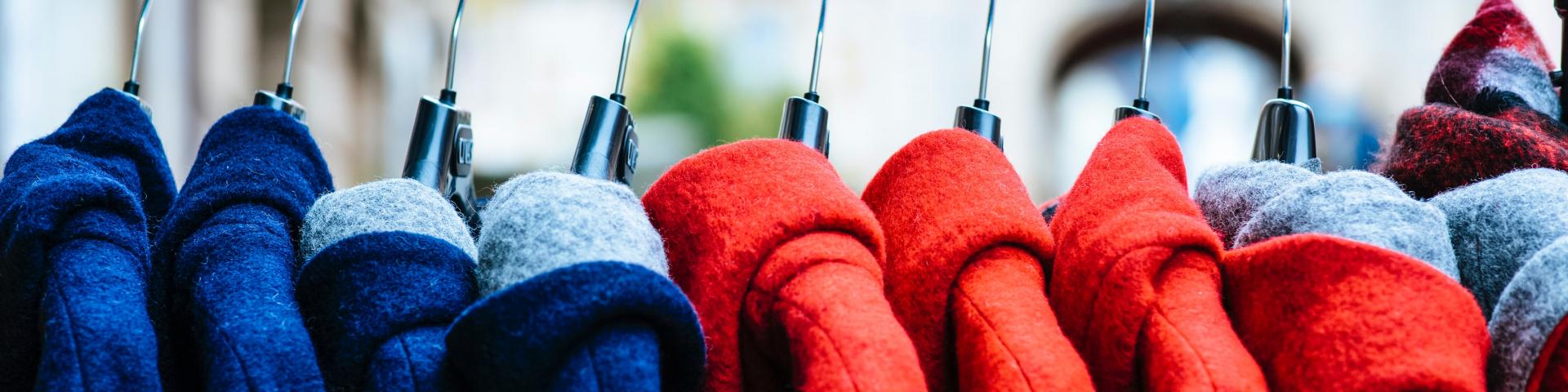
Figure 1: Most outerwear items exported to Europe are coats and jackets made with synthetic materials (>70%)

Source: Horváth Attila on Unsplash
1. Product description: outerwear
The outerwear segment includes overcoats, car coats, capes, cloaks, anoraks, ski jackets, windcheaters, wind-jackets, raincoats and similar articles. The HS Code classification system further breaks it up by fabric construction (knitted or woven/non-knitted) and fibre type (wool/fine animal hair, cotton, man-made, other). Prior to 2022, the HS code classification separated outerwear in 2 broad subcategories (garment type):
- More formal coats (overcoats, car coats, capes, raincoats, cloaks and similar articles);
- Outdoor wear/outerwear for outdoor activities (anoraks, ski jackets, windcheaters, wind jackets and similar articles).
The HS codes for these subcategories have been combined for non-knitted outerwear since 2022. This means that it is no longer possible to analyse data by garment type. But it is interesting that coats made up 31.9% of the market in 2021 (the last year of available data) and outdoor outerwear 68.1%.
The largest fibre category in the outerwear segment is man-made (synthetic). It makes up 72.9% of outerwear imported into Europe. This is followed by cotton with a 15.3% share. The highest average annual growth in the 2019–2024 period was in the ‘other’ textile fibre segment (11.8% average per year) and the man-made fibre segment (4% average per year).
Table 1: Outerwear HS Codes
| HS Code | Gender | Fabric construction | Fibre type | Coats/outdoor wear | Years for which data is available |
|---|---|---|---|---|---|
| 61012010 | Men/boys | Knitted | Cotton | Coats | 2019–2024 |
| 61012090 | Men/boys | Knitted | Cotton | Outdoor wear | 2019–2024 |
| 61013010 | Men/boys | Knitted | Man made | Coats | 2019–2024 |
| 61013090 | Men/boys | Knitted | Man made | Outdoor wear | 2019–2024 |
| 61019020 | Men/boys | Knitted | Other | Coats | 2019–2024 |
| 61019080 | Men/boys | Knitted | Other | Outdoor wear | 2019–2024 |
| 61021010 | Women/girls | Knitted | Wool/fine animal hair | Coats | 2019–2024 |
| 61021090 | Women/girls | Knitted | Wool/fine animal hair | Outdoor wear | 2019–2024 |
| 61022010 | Women/girls | Knitted | Cotton | Coats | 2019–2024 |
| 61022090 | Women/girls | Knitted | Cotton | Outdoor wear | 2019–2024 |
| 61023010 | Women/girls | Knitted | Man made | Coats | 2019–2024 |
| 61023090 | Women/girls | Knitted | Man made | Outdoor wear | 2019–2024 |
| 61029010 | Women/girls | Knitted | Other | Coats | 2019–2024 |
| 61029090 | Women/girls | Knitted | Other | Outdoor wear | 2019–2024 |
| 62011100 | Men/boys | Woven/non knitted | Wool/fine animal hair | Coats | 2019–2021 |
| 62011210 | Men/boys | Woven/non knitted | Cotton | Coats | 2019–2021 |
| 62011290 | Men/boys | Woven/non knitted | Cotton | Coats | 2019–2021 |
| 62011310 | Men/boys | Woven/non knitted | Man made | Coats | 2019–2021 |
| 62011390 | Men/boys | Woven/non knitted | Man made | Coats | 2019–2021 |
| 62011900 | Men/boys | Woven/non knitted | Other | Coats | 2019–2021 |
| 62012000 | Men/boys | Woven/non knitted | Wool/fine animal hair | Both | 2022–2024 |
| 62013010 | Men/boys | Woven/non knitted | Cotton | Both | 2022–2024 |
| 62013090 | Men/boys | Woven/non knitted | Cotton | Both | 2022–2024 |
| 62014010 | Men/boys | Woven/non knitted | Man made | Both | 2022–2024 |
| 62014090 | Men/boys | Woven/non knitted | Man made | Both | 2022–2024 |
| 62019000 | Men/boys | Woven/non knitted | Other | Both | 2022–2024 |
| 62019100 | Men/boys | Woven/non knitted | Wool/fine animal hair | Outdoor wear | 2019–2021 |
| 62019200 | Men/boys | Woven/non knitted | Cotton | Outdoor wear | 2019–2021 |
| 62019300 | Men/boys | Woven/non knitted | Man made | Outdoor wear | 2019–2021 |
| 62019900 | Men/boys | Woven/non knitted | Other | Outdoor wear | 2019–2021 |
| 62021100 | Women/girls | Woven/non knitted | Wool/fine animal hair | Coats | 2019–2021 |
| 62021210 | Women/girls | Woven/non knitted | Cotton | Coats | 2019–2021 |
| 62021290 | Women/girls | Woven/non knitted | Cotton | Coats | 2019–2021 |
| 62021310 | Women/girls | Woven/non knitted | Man made | Coats | 2019–2021 |
| 62021390 | Women/girls | Woven/non knitted | Man made | Coats | 2019–2021 |
| 62021900 | Women/girls | Woven/non knitted | Other | Coats | 2019–2021 |
| 62022000 | Women/girls | Woven/non knitted | Wool/fine animal hair | Both | 2022–2024 |
| 62023010 | Women/girls | Woven/non knitted | Cotton | Both | 2022–2024 |
| 62023090 | Women/girls | Woven/non knitted | Cotton | Both | 2022–2024 |
| 62024010 | Women/girls | Woven/non knitted | Man made | Both | 2022–2024 |
| 62024090 | Women/girls | Woven/non knitted | Man made | Both | 2022–2024 |
| 62029000 | Women/girls | Woven/non knitted | Other | Both | 2022–2024 |
| 62029100 | Women/girls | Woven/non knitted | Wool/fine animal hair | Outdoor wear | 2019–2021 |
| 62029200 | Women/girls | Woven/non knitted | Cotton | Outdoor wear | 2019–2021 |
| 62029300 | Women/girls | Woven/non knitted | Man made | Outdoor wear | 2019–2021 |
| 62029900 | Women/girls | Woven/non knitted | Other | Outdoor wear | 2019–2021 |
Source: Eurostat, 2025
2. What makes Europe an interesting market for outerwear?
Europe is one of the more important outerwear importers. In 2024, value of outerwear imports to Europe was €20.4 billion, up from €16.8 billion in 2019. This was around 914 million units of outerwear in 2024 (down slightly from 916 million units in 2019). Between 2019 and 2024, value of the EU’s outerwear imports grew by an average annual rate of 3.9%.
In 2025 and further into the future, the drivers of growth are expected to change. According to the McKinsey State of Fashion 2025 report, apparel growth in Europe will be driven by volume, not price. This means that standing out with new designs and new niches will become an important factor in getting a market share.
Table 2: European Union outerwear imports in 2019–2024, value in billion €
| Year | 2019 | 2020 | 2021 | 2022 | 2023 | 2024 |
|---|---|---|---|---|---|---|
| Value | €16.8 bn | €14.6 bn | €16.4 bn | €22.3 bn | €20.2 bn | €20.4 bn |
Source: Eurostat, 2025
The EU is a large exporter and re-exporter of outerwear. In 2024, it exported €18 billion worth of outerwear apparel (up from €13.5 billion in 2019). EU outerwear exports grew at an average yearly rate of 5.8% between 2019 and 2024. The biggest EU exporters in 2024 were Italy (€4.59 billion), Germany (€3.18 billion), the Netherlands (€1.85 billion), Spain (€1.62 billion), France (€1.55 billion) and Poland (€1.5 billion). Together, these 6 countries make up 79.5% of the EU’s outerwear apparel exports.
Source: Eurostat, 2025
Poland and France have seen the strongest export growth within this group. They had an average yearly increase of 17.4% and 8.9%, respectively. On the other hand, Spanish export growth was a lot lower than the EU average of 5.8% per year (1.9%).
Source: Eurostat, 2025
In 2024, outerwear imports from inside the EU made up 57.8% of the total value of European outerwear imports, up from 47.9% in 2019. Developing-country suppliers made up 39.9% of all outerwear imports into the EU in value (down from 52.1% in 2019) compared to 43.9% for apparel imports overall. Suppliers from the rest of the world made up just 2.3% (down from 4.3% in 2019).
The value of European Union outerwear imports from developing countries was €8.1 billion in 2024. It has grown at an average yearly rate of just 0.2% since 2019. During the same period, outerwear imports from within the EU grew at a rate of 7.9%.
The data reflects growing interest in intra-EU trade and premium, value-added products. But these trade statistics do not show that some intra-EU trade is in products originally exported to the EU by developing-country suppliers, which are then re-exported as branded products. This means that this portion is not in direct competition with imports from developing countries.
The 5 largest intra-EU exporters are also in the top-6 importers of outerwear. This shows that certain EU countries are becoming more important as regional distribution hubs. Direct and indirect trade with developing countries is expected to continue growing in the future. This creates new opportunities for these countries.
Source: Eurostat, 2025
China, Bangladesh, Vietnam, Myanmar and Cambodia dominate Europe’s extra-EU outerwear imports. Together, these 5 countries account for 33.6% of all outerwear imports into the European Union. China is the largest exporter of outerwear to the EU, with 18% of the EU import value in 2024, followed by Bangladesh (5.1%), Vietnam (4.1%), Myanmar (3.6%) and Cambodia (2.8%). Other extra-EU outerwear exporters have market shares of less than 1.5% of the overall outerwear import value.
Of the 10 largest extra-EU exporters to the EU, only Bangladesh, Vietnam, Cambodia and Pakistan increased their market share over the 2019–2024 period (0.3%, 0.2% and 1.2% and 0.2%, respectively). China and the United Kingdom, on the other hand, experienced the biggest loss of market share (7.9% and 2.1%, respectively). In average annual growth, imports from Bangladesh, Vietnam, Cambodia and Pakistan all grew by more than 3.9% (the overall EU outerwear segment import growth rate).
Table 3: 10 largest extra-EU outerwear exporters to the European Union, with value in billion € and average yearly growth
| Country | Value (€) | 5-year growth |
|---|---|---|
| China | 3.6 bn | -3.4% |
| Bangladesh | 1 bn | 5.2% |
| Vietnam | 833 m | 4.9% |
| Myanmar | 745 m | -0.8% |
| Cambodia | 571 m | 16.1% |
| Türkiye | 257 m | 3.1% |
| Morocco | 214 m | -4.9% |
| United Kingdom | 159 m | -20.0% |
| Pakistan | 155 m | 12.2% |
| Indonesia | 122 m | -3.5% |
| TOTAL EU IMPORTS | 20.4 bn | 3.9% |
Source: Eurostat, 2025
Intra-EU outerwear trade is dominated by Germany, Italy, Poland, the Netherlands and Spain. Together, these 5 countries make up 40.1% of all outerwear imports into the European Union. Germany is the largest intra-EU exporter of outerwear with 12.9% of the total EU import value in 2024. It is followed by Italy (8.1%), Poland (7%), the Netherlands (6.2%) and Spain (5.9%).
All these countries increased their market shares during the 2019–2024 period. Their exports grew at a much higher rate than the overall EU outerwear sector import growth rate. Poland increased its share by 3.1% and the country achieved an annual average growth rate of 16.8% during the same period.
Table 4: 10 largest intra-EU outerwear exporters to the European Union, with value in billion € and average yearly growth
| Country | Value (€) | 5-year growth |
|---|---|---|
| Germany | 2.63 bn | 6.1% |
| Italy | 1.66 bn | 8.3% |
| Poland | 1.42 bn | 16.8% |
| Netherlands | 1.26 bn | 9.0% |
| Spain | 1.21 bn | 5.7% |
| Belgium | 801 m | 5.6% |
| France | 620 m | 4.8% |
| Czechia | 422 m | 13.7% |
| Romania | 385 m | 5.0% |
| Denmark | 384 m | 7.2% |
| TOTAL EU IMPORTS | 20.4 bn | 3.9% |
Source: Eurostat, 2025
Leading the way in sustainable apparel
The European Union is home to some of the apparel industry’s most influential apparel brands and designers. It also plays host to many of its most important trade shows and events. Examples are Texworld (France), Première Vision (France), Paris Fashion Week (France), Milan Fashion Week (Italy) and Copenhagen International Fashion Fair (Denmark).
Besides design trends, these trade shows increasingly focus on trends and developments in fashion sustainability. The February 2024 edition of Première Vision saw more than 34,500 visitors, of which 70% were international.
The Circular Economy Action Plan is part of the EU Green Deal (a set of policy initiatives aimed at making the EU climate neutral by 2050). It has identified the textiles and clothing sector as a priority sector for the EU’s move towards sustainability and circularity. It is no surprise that the European Union is at the centre of industry efforts to make apparel more sustainable.
Tips:
- Read online sources like Sourcing Journal, Euratex and FashionUnited for facts, figures and news about the European apparel market.
- Set up Google Alerts to automatically get the latest news and information about the European apparel market, competitors or any other interesting keywords you like.
- Watch this video by the European Commission about the background and policy goals of the European Green Deal on Youtube. Also read our study for more information about how the Green Deal affects exporters to the EU.
3. Which European countries offer the most opportunities for outerwear?
Western European markets are usually much larger and better developed than Central and Eastern European markets in supply chain organisation and quality control. The top outerwear import markets in make up 74.5% of outerwear imports in the EU and grew at an average rate of 4.8% per year in the 2019–2024 period.
Table 5: Top-10 European Union importers of outerwear, with 2024 value in billion €, average yearly growth and developing country imports
| Country | Value (€) | 5-year growth | Developing country share 2024 | Developing country imports 5-year growth | Developing country imports change in share 2019–2024 | Developing country imports average price 2024 (€) |
|---|---|---|---|---|---|---|
| Germany | 4.4 bn | 4.0% | 42.7% | -0.3% | -10.1% | 16.04 |
| Italy | 2.4 bn | 3.3% | 46.5% | -0.4% | -9.3% | 25.31 |
| France | 2.3 bn | 1.9% | 34.5% | 0.1% | -3.2% | 15.10 |
| Spain | 2.1 bn | 1.0% | 61.8% | -2.0% | -9.8% | 12.80 |
| Netherlands | 1.9 bn | 3.2% | 53.9% | 1.8% | -3.9% | 17.80 |
| Poland | 1.8 bn | 15.2% | 24.7% | 11.2% | -4.8% | 9.84 |
| Belgium | 837 m | -1.0% | 51.4% | -3.6% | -7.4% | 20.01 |
| Austria | 823 m | 5.3% | 7.0% | 0.8% | -1.7% | 9.15 |
| Sweden | 503 m | 0.2% | 44.1% | -1.6% | -4.4% | 20.82 |
| Czechia | 496 m | 9.1% | 19.8% | 9.7% | 0.6% | 18.65 |
| EU TOTAL | 20.4 bn | 3.9% | 39.9 | 0.20% | -8% | 15.73 |
Source: Eurostat, 2025
Of the 10 largest importers, Spain, the Netherlands and Belgium stand out with their developing-country sourcing. Over half of their outerwear imports come from developing countries (61.8%, 53.9% and 51.4%, respectively).
Poland and Czechia grew their imports from developing countries by an average of 11.2% and 9.7% per year in the 2019–2024 period (compared to the EU average growth of just 0.2%). But Czechia is the only top-10 country for which developing-country imports went up in market share.
The average price of European imports of outerwear from developing countries increased by €1.72 between 2019 and 2024, from €14.01 to €15.73.
China is still the main sourcing country for outerwear for the top-5 EU importers. It has a market share of between 18.6% and 26.7%. But China’s market share in Spain and Italy is going down at an average rate of 3.4% and 10.3% per year, respectively. In Poland, on the other hand, China is not one of the main suppliers at all. Because production moving away from China and there is potential for further growth, outerwear offers opportunities for skilled manufacturers in other developing countries.
Germany: Europe’s largest importer of outerwear
Germany is the largest outerwear import market in Europe by far. In 2024, the value of its outerwear imports reached €4.4 billion (up from €3.6 billion in 2019). This was equal to 195 million units of clothing. Between 2019 and 2024, the value of Germany’s outerwear imports grew on average by 4% per year. Import volumes went down by 0.1% per year. At the same time, the value of Germany’s imports from developing countries went down by 0.3% per year on average. Outerwear from developing countries made up 42.7% of Germany’s imports in this product segment. This is higher than the EU average of 39.9%.
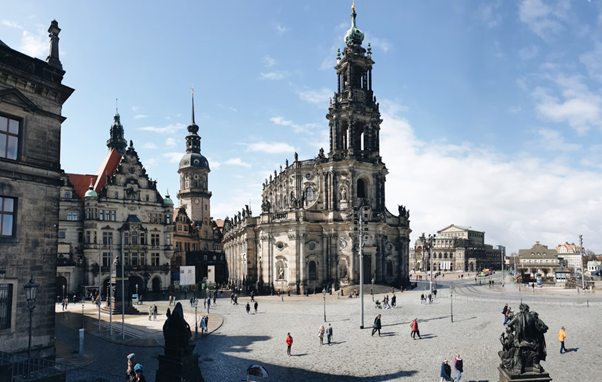
Figure 5: Germany is Europe’s largest import market for outerwear. The country sources 42.7% of its outerwear imports from developing nations
Source: Vasily Malygin on Unsplash
Strict on sustainability
Germany has strict and increasing sustainability requirements, driven by national legislation and policies. Some German legislation around harmful chemicals goes further than EU REACH legislation. It also has its own social and environmental standard, the Grüner Knopf. Its logo is shown on garments at the point of sale. For this standard, you will need to make investments in chemical management and get certification. But it offers opportunities for creating higher quality and sustainable products in the coming years.
Table 6: 2024 imports of outerwear to Germany by origin country with 5-year growth, market share, average import unit price and 5-year price evolution.
| Origin developing country | 2024 Value (€) | 5-year growth | Average unit price | 5-year price change | Market share 2024 | Change in market share |
|---|---|---|---|---|---|---|
| China | 835 m | -3.2% | 17.60 | 1.69 | 18.6% | -8.1% |
| Bangladesh | 247 m | 0.6% | 11.14 | 0.98 | 5.5% | -1% |
| Vietnam | 204 m | 2% | 25.82 | 5.05 | 4.6% | -0.5% |
| Myanmar | 188 m | -1.3% | 10.86 | 0.42 | 4.2% | -1.3% |
| Cambodia | 110 m | 2% | 14.22 | 5.29 | 2.5% | -0.2% |
| Türkiye | 104 m | 12.3% | 19.36 | 2.03 | 2.3% | 0.7% |
| TOTAL | 4.4 bn | 4% | 22.97 | 4.19 |
Source: Eurostat, 2025
Well-known German brands and retailers that produce and sell outerwear include Hugo Boss, Adidas, Escada, Tom Tailor, Jil Sander, Joop! and PUMA.
Companies that specialise in outdoor wear (including outerwear for outdoor activities) include Vaude, Jack Wolfskin and Ortovox.
Italy: Global leader in luxury and design
Italy is the second-largest outerwear import market in Europe. In 2024, it imported €2.4 billion in outerwear, up from €2 billion in 2019. This was 44.7 million units of clothing. Between 2019 and 2024, the value of Italy’s outerwear imports grew at an average rate of 3.3% per year, while import volumes went down by 0.9% per year.
At the same time, the value of Italy’s imports from developing countries went down by 2.5% per year on average. Outerwear from developing countries made up 46.5%. This was well above the EU average of 39.9%.
Italy pays the highest average unit price of the 6 largest importers. It pays the highest price for imports from China, Vietnam and Myanmar, and the second-highest price for imports from Bangladesh after the Netherlands. Prices for luxury outerwear imported from Moldova and Armenia are about double the highest prices paid by other top importers from any developing country.
Table 7: 2024 imports of outerwear to Italy by origin country with 5-year growth, market share, average import unit price and 5-year price evolution.
| Origin developing country | 2024 Value (€) | 5-year growth | Average unit price | 5-year price change | Market share 2024 | Change in market share |
|---|---|---|---|---|---|---|
| China | 603 m | -3.6% | 26.11 | 3.23 | 24.8% | -10.3% |
| Myanmar | 127 m | 10.4% | 13.54 | -0.57 | 5.2% | 1.5% |
| Vietnam | 84 m | 0.6% | 39.13 | 6.28 | 3.5% | -0.5% |
| Moldova | 49 m | 6.3% | 77.57 | 25.19 | 2% | 0.3% |
| Bangladesh | 48 m | 3.6% | 12.72 | 4.05 | 2% | 0% |
| Armenia | 44 m | 4.1% | 79.28 | 10.07 | 1.8% | 0.1% |
| TOTAL | 2.4 bn | 3% | 32.62 | 6.2 |
Source: Eurostat, 2025
Well-known Italian brands and retailers that produce and sell outerwear include Stone Island, Fila, Miss Sixty, Rinascimento, Diesel, Missoni, Motivi, Prada, Dolce & Gabbana, Benetton, Max Mara, Yoox, Rinascente and OVS.
Companies that specialise in outdoor wear (including outerwear for outdoor activities) include Montura, La Sportiva and Salewa.
France: A volume market with increasing sustainability requirements
France is the third-largest outerwear import market in Europe. In 2024, it imported €2.3 billion in outerwear, up from €2.1 billion in 2019. This was equal to 97 million units of clothing. Between 2019 and 2024, the value of France’s outerwear imports grew at an average rate of 1.9% per year. Import volumes went down by 1.6% per year.
At the same time, the value of France’s imports from developing countries grew by 0.1% per year on average. Outerwear from developing countries made up 34.5% (below the EU average of 39.9%).
Prices paid by French importers for outerwear sourced from the top Asian developing countries (China, Bangladesh, Vietnam and Myanmar) are among the lowest within the group of the EU’s top importers. France also has a large market for more value-added products. These are mainly produced in nearby French-speaking countries, like Tunisia and Morocco.
Stricter sustainability requirements
France is making more laws around sustainability, especially chemical legislation. French law requires you to inform customers about products that contain at least 1 substance on the REACH Substances of Very High Concern (SVHC) list at point of sale. While it will become harder to comply with French buyer requirements, we will see increased demand for more sustainable products.
Table 8: 2024 imports of outerwear to France by origin country with 5-year growth, market share, average import unit price and 5-year price evolution.
| Origin developing country | 2024 Value (€) | 5-year growth | Average unit price | 5-year price change | Market share 2024 | Change in market share |
|---|---|---|---|---|---|---|
| China | 446 m | -4% | 14.97 | -0.36 | 18.8% | -6.6% |
| Bangladesh | 108 m | 20.2% | 10.66 | 2.3 | 4.6% | 2.6% |
| Vietnam | 89 m | 3.2% | 17.53 | 6.51 | 3.8% | 0.2% |
| Myanmar | 32 m | 1.2% | 9.68 | -2.34 | 1.5% | 0% |
| Tunisia | 24 m | 2.8% | 34.11 | 0.6 | 1.2% | 0.1% |
| Morocco | 22 m | -0.7% | 39.92 | 11.76 | 0.9% | -0.1% |
| TOTAL | 2.3 bn | 1.9% | 24.42 | 3.89 |
Source: Eurostat, 2025
Well-known French brands and retailers that produce and sell outerwear include: Camaieu, Louis Vuitton, Chanel, Dior, Givenchy, Yves Saint Laurent, Balenciaga, Hermès, Balmain, Lacoste, Sézane, Zadig & Voltaire, La Redoute, The Kooples, Sandro, Rouje and Galeries Lafayette.
Companies that specialise in outdoor wear (including outerwear for outdoor activities) include: Decathlon, Salomon, Rossignol, Millet, Lafuma and Eider.
Spain: A budget market that is home to some of the largest international retailers in Europe
Spain is the fourth-largest outerwear import market in Europe. In 2024, it imported €2.1 billion in outerwear, up from €2 billion in 2019. This was equal to 126 million units of clothing. Between 2019 and 2024, the value of Spain’s outerwear imports grew at an average rate of 1% per year. Import volumes went down by 2% per year.
At the same time, the value of Spain’s imports from developing countries went down by 2% per year on average. Outerwear from developing countries makes up 61.8% of Spain’s imports in this product segment, the highest among the top EU importers by far.
A few large retailers
A lot of Spain’s imports go to a few large international fast fashion retailers. The import statistics may not reflect the country’s relatively low GDP, low average wages and underperforming local market. Prices are very competitive.
The average price that Spanish importers pay for outerwear is the lowest of the 6 largest importers, at just €16.71. Spanish import prices for outerwear from China and Vietnam are also the lowest of the top importers. The average price for products imported from Bangladesh is higher only than the price paid by Polish importers. More value-added products are sourced from nearby Morocco.
Table 9: 2024 imports of outerwear to Spain by origin country with 5-year growth, market share, average import unit price and 5-year price evolution
| Origin developing country | 2024 Value (€) | 5-year growth | Average unit price | 5-year price change | Market share 2024 | Change in market share |
|---|---|---|---|---|---|---|
| China | 473 m | -2.1% | 14.95 | 1.00 | 20.1% | -3.4% |
| Cambodia | 240 m | 36.2% | 12.70 | 2.46 | 11.3% | 8.8% |
| Bangladesh | 222 m | -0.7% | 8.67 | 0.97 | 10.5% | -0.9% |
| Morocco | 164 m | -6.2% | 24.56 | 2.15 | 7.7% | -3.4% |
| Vietnam | 117 m | 2.4% | 14.26 | 1.24 | 5.5% | 0.4% |
| Myanmar | 57 m | -23.8% | 9.80 | -2.50 | 2.7% | -8.4% |
| TOTAL | 2.1 bn | 1.0% | 16.71 | 2.31 |
Source: Eurostat, 2025
Well-known Spanish brands and retailers that produce and market outerwear include: Massimo Dutti, Mango, Zara, Loewe, Bershka, Stradivarius, Desigual, Pull & Bear, Adolfo Dominguez, Bimba y Lola, Ecoalf, SKFK and El Corte Ingles group.
Companies that specialise in outdoor wear (including outerwear for outdoor activities) include Ternua, Trangoworld and Izas.
The Netherlands: A distribution hub
The Netherlands is the fifth-largest outerwear import market in Europe. In 2024, it imported €1.9 billion in outerwear (up from €1.6 billion in 2019). This was 81 million units of clothing. Between 2019 and 2024, the value of Dutch outerwear imports grew at an average rate of 3.2% per year. Import volumes went down by 0.3% per year.
At the same time, the value of Dutch imports from developing countries grew by 1.8% per year on average, faster than other Western European top importers. Outerwear from developing countries made up 53.9% of the Netherlands’ imports in this product segment. This was well above the EU average of 39.9%.
Prices paid by Dutch importers for outerwear are relatively high, especially compared to those paid by other non-luxury markets like France, Spain and Poland.
The Netherlands has a good business environment that makes it easy to import and export. It is also close to the sea and has harbours, so it is an ideal route for importing into Europe. This is why many apparel brands based in other places have their headquarters in Amsterdam.
Table 10: 2024 imports of outerwear to the Netherlands by origin country with 5-year growth, market share, average import unit price and 5-year price evolution.
| Origin developing country | 2024 Value (€) | 5-year growth | Average unit price | 5-year price change | Market share 2024 | Change in market share |
|---|---|---|---|---|---|---|
| China | 522 m | -2.5% | 20.04 | 1.66 | 26.7% | -8.8% |
| Vietnam | 169 m | 12.7% | 21.7 | -0.84 | 8.6% | 3.1% |
| Bangladesh | 143 m | 6.5% | 14.38 | 4.32 | 7.4% | 1.1% |
| Cambodia | 63 m | 42.2% | 11.64 | 2.39 | 3.3% | 2.6% |
| Myanmar | 35 m | -9.9% | 10.24 | -0.25 | 1.8% | -1.8% |
| Indonesia | 35 m | 8.0% | 17.38 | -3.77 | 1.8% | 0.4% |
| TOTAL | 1.9 bn | 3.2% | 23.99 | 3.89 |
Source: Eurostat, 2025
Well-known Dutch brands and retailers that produce and sell outerwear include: WE, C&A,Anna Van Toor, G-Star Raw, Daily Paper, Hema, Profuomo, America Today and Studio Anneloes.
Companies that specialise in outdoor wear (including outerwear for outdoor activities) include: Cortazu, Open wear and Brunotti.
Poland: Fastest growing economy in Europe
Poland is the sixth-largest outerwear import market in Europe. In 2024, it imported €1.8 billion, up from €918 million in 2019. This was equal to 104 million units of clothing. Between 2019 and 2024, the value of Poland’s outerwear imports grew at an average rate of 15.2% per year. Import volumes grew by 12.3% per year.
At the same time, the value of Poland’s imports from developing countries grew by 11.2% per year on average. This shows a loss in market share of 4.8%. Outerwear from developing countries still makes up just 24.7% of Poland’s imports in this product segment. This is well below the EU average of 39.9%.
Poland’s purchasing is still developing. It uses more indirect distribution channels for more complicated products (for example, European importers/wholesalers). In the future, as Poland’s economy grows and domestic brands become more established, Poland will probably import more from developing countries.
Poland has a low GDP and wages, and is far behind Western Europe in sustainability. So, it is not a suitable market for more value-added or sustainable products yet. The average prices Polish importers pay for more basic outerwear from Bangladesh, Myanmar and Cambodia are extremely low at just €7.51, €8.00 and €8.14, respectively.
Table 11: 2024 imports of outerwear to Poland by origin country with 5-year growth, market share, average import unit price and 5-year price evolution.
| Origin developing country | 2024 Value (€) | 5-year growth | Average unit price | 5-year price change | Market share 2024 | Change in market share |
|---|---|---|---|---|---|---|
| Myanmar | 159 m | 30% | 8.00 | -1.35 | 8.5% | 3.9% |
| Bangladesh | 63 m | 23.6% | 7.51 | 0.23 | 3.4% | 1.0% |
| Türkiye | 24 m | 55.7% | 19.5 | -3.93 | 1.3% | 1.0% |
| Vietnam | 12 m | 20% | 25.18 | 7.73 | 0.7% | 0.1% |
| Cambodia | 7 m | 53.1% | 8.14 | 0.64 | 0.4% | 0.3% |
| Pakistan | 4 m | 13.1% | 19.95 | 0.41 | 0.2% | 0% |
| TOTAL | 1.8 bn | 15.2% | 17.91 | 2.11 |
Source: Eurostat, 2025
Poland’s largest clothing manufacturer is LPP. It has an umbrella of brands, which include Reserved, House, Cropp, Mohito and Sinsay.
Companies that specialise in outdoor wear (including outerwear for outdoor activities) include Milo, Montano and 4F.
Figure 6: Jackets that can be worn in natural and urban environments are one of the most popular outerwear styles in Europe

Source: Francesco Giacomini on Unsplash
Scandinavia: Top innovator for sustainable outerwear
Scandinavia is a subregion of Northern Europe. It consists of 3 countries that share strong cultural, historical and linguistic ties: Norway, Sweden and Denmark. Each country has its own identity, but they all embrace certain values that form the basis of the Scandinavian ‘lifestyle’. This includes an appreciation of outdoor activities, even in cold, harsh weather. It is not surprising that Scandinavian outdoor brands lead the way in terms of quality, functionality, sustainability and innovation for the outerwear segment in Europe.
The population of the individual Scandinavian countries (Sweden, Denmark and Norway) is small. But when combined, Scandinavia ranks seventh in the EEA, UK and Switzerland region. The total population is larger than the Netherlands.
Norway is not an EU member state, unlike Denmark and Sweden. But it gets the same terms as EU member states for the free movement of goods under the EEA agreement.
Sweden and Denmark rank ninth and 11th within the EU in the value of their outerwear imports. Combined, however, these 2 countries would rank seventh (there is no Eurostat data for Norway). They source a high percentage of their outerwear from developing countries (Sweden 44.1% and Denmark 63.4%). They also pay higher than average prices (Denmark €16.09 and Sweden €20.82, compared to the EU average of €15.73).
Internationally well-recognised outdoor brands from Scandinavia include: Houdini (Sweden), Haglöfs (Sweden), Helly Hansen (Norway), Fjällräven (Sweden), Norrøna (Norway), Bergans of Norway (Norway), Didriksons (Sweden) and Peak Performance (Sweden).
Tips:
- Focus on the top import markets for outerwear whose developing-country sourcing is higher than the EU average: Germany, Italy, Spain, the Netherlands and Scandinavia.
- Check the websites of the main brands/retailers for each country to understand the requirements, styles and design for different outerwear types. Analysing online platforms like Zalando, ASOS and About You can be a valuable resource for market research. You can find detailed product descriptions, size guides, reviews and ratings there.
- Research your target markets to see which potential buyers would be a good fit for your business. Create a prospects database with useful information about them. Examples are location, size, product types, target consumer gender/age, price level, manufacturing locations materials used and whether they focus on sustainability.
4. Which trends offer opportunities or pose threats in the European outerwear market?
The European pants and trousers market reflects trends and developments in the wider apparel industry around sustainability, circularity and corporate social responsibility. Policy initiatives under the EU Green Deal are the main drivers for this. In this segment, the denim industry offers inspiration for innovation and sustainable production practices.
Sustainable technical outerwear has strong prospects for growth
Technical outerwear uses special fabrics, components and garment design. These offer better protection, movability, comfort and safety during outdoor activities. Features include thermal regulation (wicking, insulation, breathability, ventilation), protection from the elements (water resistance, wind resistance), light weight and safety (high visibility, flame resistance). Technical outerwear is an important category in the outdoor wear segment.
The European outdoor goods market was valued at $17.8 billion (USD) in 2023. It is projected to grow at a rate of almost 5% per year between 2024 and 2030. Europeans are getting more concerned about health and wellbeing and doing outdoor activities like hiking, camping and cycling. Outdoor apparel is the largest category within the outdoor goods market.
Outerwear for outdoor activities (for example, anoraks, ski jackets, windcheaters, wind jackets) makes up almost two-thirds of the European outerwear market. Outdoor and urban lifestyles are more often linked together, and there is more demand for versatile outerwear that can be used in different situations. This means that technical and performance features that were once only found in specialised outdoor apparel are now expected in everyday clothing.
A love for the outdoors and protecting the environment are important to outdoor consumers. This means that the outdoor apparel segment has been leading the way in innovation. It is also campaigning for increased environmental sustainability in materials, products and processes.
Commitment to the adoption of recycled materials
Over 70% of outerwear products imported by EU countries are made from synthetic fibres like polyester and nylon (polyamide). Most outdoor jacket products use synthetics to improve durability and performance functionality. This leads to a lot of negative environmental problems during production, use and disposal.
The EU has set a target that by 2030, textile products sold in the EU are “to a great extent made of recycled fibres”. In response to this, the European fashion industry as promised to use more materials made from recycled inputs. Examples of brand pledges include:
- By 2030, 90% of VAUDE’s products will contain at least 85% recycled or renewable materials.
- By 2025, 100% of the main fabrics used in Haglöfs products will be made from recycled or renewable materials.
- By 2025, at least 50% of Helly Hansen’s polyester and polyamide fibres will be recycled.
Popular branded recycled fibres include:
- ECONYL® (by Aquafil) uses nylon waste from old carpets, fishing nets, marine debris and pre-consumer waste to create regenerated nylon. This nylon has properties, performance and quality that are similar to new nylon.
- REPREVE® is the most widely adopted brand of performance polyester fibre made from recycled PET.
- PrimaLoft Inc. produces synthetic alternatives to down insulation, made from 100% recycled PET.
The market share of recycled fibre production is still relatively low because of current technical limitations (12.5% and 2% for polyester and polyamide/nylon in 2023). 98% of all recycled polyester feedstock does not come from polyester fabric/fibre but from recycled PET bottles. The EU is expected to set limits on the use of recycled PET bottles for recycled polyester textile fibres in future.
Examples of recycled polyester fibres on the market that are made entirely from polyester textiles (not PET bottles) include cycora® by Ambercycle and Syre.
There are a lot of incentives for EU brands and retailers are strongly encouraged to use suppliers with advanced fibre-to-fibre recycled materials sourcing and development capabilities.
Best practicee
Siatex from Bangladesh supplies outerwear and other apparel items to many European buyers. On the company’s website, you can see that they are very clear about the company’s history, values, certifications (BSCI, SEDEX, WRAP, ISO, OEKO-TEX) and products. Siatex offers an easy buying guide. It lists MOQs and easy instructions on how to request a quotation and place an order.
Tips:
- Look into getting RCS or GRS certification for your facility and products. There are many certifiers to choose from, including SCS and TÜV SÜD. Certification is more important for the EU market than ever.
- Where possible, design your products so that they meet the minimum requirements for recycled content and labelling. Visit the websites of key apparel brands and retailers in your focus market(s). Check what targets they have committed to and what approaches they take (certification, material innovations).
- Keep up to date with new innovations in recycled materials. Visit the websites of accelerator programmes that support research and development, like H&M Global Change award and Fashion for Good.
- Visit the ZDHC Roadmap to Zero website. ZDHC offers tools, formats and training to help you set up or improve your chemical management system.
FT Journalistiek carried out this study in partnership with Giovanni Beatrice on behalf of CBI.
Please read our market information disclaimer.
Search
Enter search terms to find market research