
Entering the European market for outerwear
Some of the world’s most interesting apparel markets are in Europe. But setting up a business relationship with a European buyer can be challenging. You need to research the different European markets and sales channels and set realistic goals to be able to measure your performance and success.
Contents of this page
1. What requirements and certifications must outerwear meet to be allowed on the European market?
You need to comply with legal and non-legal requirements to export outerwear to Europe. Other requirements are voluntary. Meeting them can give you a competitive advantage. Some requirements only apply to certain niches in the outerwear market.
What are mandatory requirements?
There are several legal requirements for exporting outerwear to Europe. This includes those on product safety, use of chemicals (REACH), quality, and labelling. Check the EU Access2Markets online helpdesk for an overview.
Follow these steps to ensure that your product complies with the relevant legal requirements:
- Make sure your product complies with the EU’s General Product Safety Regulation (GPSR: 2023/988). If your buyer supplied the product design, it is their responsibility to guarantee it is legally safe for end-consumers to use.
- Make sure you meet the EU’s REACH Regulation. This restricts the use of chemicals in apparel and trims. Restricted chemicals include certain Azo-dyes, flame retardants, waterproofing and stain-repelling chemicals and nickel. Test input materials before production to prevent non-compliance.
- Pay special attention to the following safety standard that applies to outerwear for children: EN 14682. It contains requirements to ensure that cords and drawstrings are placed safely on apparel for children up to 14 years.
- Specify the material composition of every item of outerwear that you export to the EU, in line with Regulation (EU) 1007/2011. Check the EU Access2Markets online helpdesk on how to do it.
- Do not go against any intellectual property (IP) rights and do not copy or share designs with other buyers. If your buyer provides the design, they will be legally responsible if the item is found to go against a property right.
One particular concern for outerwear manufacturers is the EU ban on the use of PFAS. This chemical is used to make fabrics waterproof. Denmark and France introduced regulations that limit or ban the import, export and marketing of apparel and shoes for consumers that contain PFAS on 1 January 2026. The EU will follow with a ban that applies to many PFAS chemicals. It will be launched later in 2026. Be aware that PFAS-free waterproofing materials may have a different look, feel and performance. It may come at a higher price point.
Tips:
- Read the CBI study on buyer requirements for an extensive overview of the legal, non-mandatory and niche requirements for the export of apparel to Europe. It includes specific national requirements.
- Check the EU Access2Markets online help desk for an overview of all the legal requirements for your product.
Figure 1: If you produce children’s apparel, make sure it complies with the EU’s special safety standards for children's wear

Source: Jonathan Taylor on Unsplash
Non-legal mandatory requirements
Buyers may have additional, company-specific terms and conditions. Such requirements are usually written in a buyer manual. By signing a contract with your buyer, you confirm that you will follow all the requirements listed in the manual. You will be held accountable in case of a problem after the delivery of an order. If a buyer does not have a manual, make sure all terms and conditions are clear and agreed beforehand to avoid unpleasant surprises.
The following topics may be included in a buyer manual.
Payment terms
For first-time orders, European buyers may give you a down payment via bank transfer (for instance 30%). They will pay the rest (70%) before shipment, again via bank transfer, or bank guarantee. Another payment method is the L/C (Letter of Credit). With an L/C, the buyer’s bank must pay the supplier when both parties meet the conditions they have agreed upon. This is the safest payment method for a manufacturer. An L/C can also be used to get funds to purchase materials.
For follow-up orders, most European buyers will ask for a TT (Telegraphic Transfer/Open Account) after 30, 60, 90 or sometimes even 120 days. This means that the payment will be made within the number of days you have agreed on with the buyer after you have handed over the shipment. You as the manufacturer take full financial risk.
Delivery terms
Free on Board (FOB) is the standard Incoterm used by buyers and sellers to agree on delivery of goods. Some buyers may ask you to agree on Delivery Duty Paid (DDP), due to rising shipping costs. This is the riskiest Incoterm for you as a manufacturer.
Nominated suppliers
Some buyers may require you to purchase materials from a recommended supplier. This means that you are responsible for the ordering, delivery and payment of the materials. This may negatively impact your flexibility, cost, speed and liquidity. Discuss locally available solutions with your buyer to replace recommended suppliers.
Acceptance quality limit
Your buyer may set an acceptance quality limit (AQL). This refers to the worst quality level that is still acceptable. For instance, AQL 2.5 means that your buyer will reject a batch if more than 2.5% of the items are defective.
Packaging requirements
Your buyer will instruct you how to package the order. If you agree on delivering Free on Board (FOB), your buyer will clear customs in the country of import. It is their responsibility to ensure the instructions on the packaging comply with EU import procedures. Reduce unnecessary packaging materials, use reusable packaging and choose packaging containing recycled materials or biodegradable plastics
Restricted substances
Ask your buyer if they use a Restricted Substances List (RSL). These lists are often inspired by the guideline on safe chemicals use from the Zero Discharge of Hazardous Chemicals (ZDHC) foundation or AFIRM.
Certification
Many European buyers require suppliers to get certified for sustainable and/or fair production or the use of sustainable materials. The following standards and certifications are most popular in Europe:
- Amfori BSCI is almost a standard requirement for many European apparel companies. Amfori provides a list of organisations that can perform an audit;
- Other popular standards include WRAP, SA8000, Sedex, B-corp, OEKO-TEX® STeP, GOTS, and Recycled Claim Standard.
Transparency
Share information about your own operations with buyers, and help them to gain as much insight as possible into your entire supply chain and the materials used. The new Ecodesign for Sustainable Products Regulation (ESPR, 2024) will introduce a Digital Products Passport: a digital identity card for garments and materials. Information on this card can include:
- The product’s technical performance;
- Materials and their origins;
- Repair activities;
- Recycling capabilities;
- Lifecycle environmental impacts.
Worker happiness
Your buyer may require that you pay attention to diversity and inclusion in your workforce. All individuals in your company should have equal opportunities, regardless of gender, race, religion or other characteristics. Watch the CBI webinar on worker happiness for background information and tips.
Animal welfare
If you use natural protein fibres such as wool (including specialty wools such as merino, alpaca, cashmere or silk), animal welfare is an important concern. Buyers may require that you only use RWS-certified wool. If you use merino, buyers may require that you use only non-mulesing wool.
Regenerative agriculture
Regenerative agriculture is a concept focused on phasing out harmful fertilisers and pesticides and ‘regenerating’ nature. Several large European apparel retail groups have set goals in this area, including H&M and Inditex.
Carbon footprint
Many European brands have committed to climate neutrality. Calculating the CO2-footprint of an apparel item is a difficult process that starts with carefully measuring your emissions before reducing them. Check the CBI study Tips to measure and reduce your carbon emissions for more information.
Recycling
The EU is introducing new legal measures to increase circularity. This includes new directives on durability and ecodesign of textile products and a ‘right to repair’. The EU is also considering the introduction of an EU-wide extended producer responsibility (EPR) for apparel. This makes companies responsible for the way their products are disposed of, recycled or repaired. Recycling and repurposing materials helps your buyers reduce waste and save resources.
Tips:
- Check the CBI study What requirements must apparel meet to be allowed on the European market for a comprehensive overview of buyer requirements.
- Read the buyers manual carefully. Don’t be afraid to negotiate terms and conditions before signing any agreement. These can be things like shorter payment periods or partial payments throughout production. Never agree to follow requirements you cannot realistically meet and never accept payment terms that are too risky.
- Do not take financial risks with new buyers. Check their credibility, insure your orders via an insurance company or insist on a Letter of Credit. If you agree to an extended payment, don’t forget to calculate and add interest.
- Consider factoring to finance materials. This means that you sell your order to a bank or factoring company that pre-pays you a certain percentage of the value of the order in exchange for a commission. The bank will perform due diligence on the buyer, which tells you if they are a trustworthy business partner.
- If inflation in your country is high, maximise local sourcing to cut costs. If your buyer has foreign nominated suppliers, try to advise about local alternatives. Also make sure that your buyers pay in USD or EUR. Getting paid in local currency will increase the risk of lower profits in case of inflation.
What additional requirements and certifications do buyers often have?
Besides mandatory requirements, there are many services that buyers expect, or at least very much appreciate, if you want to do business with them.
Product design and development
European outerwear buyers are always looking for special styles and innovative design features that make them stand out. You can also gain a competitive advantage by investing in new technologies that help you to produce outerwear faster, with less waste and with fewer workers. Reducing the production time and cost of a relatively expensive product will save money quickly. Table 1 gives an overview of innovative designs features, material use and production methods you could consider.
Table 1: Designs, materials and production methods that can give outerwear manufacturers a competitive advantage
| Design/functionality | Material use | Production |
|---|---|---|
| Stretch zones | Water resistant and water-proof materials and finishes | 3D digital pattern making and prototyping reduces the need for physical prototypes. This cuts lead times and material waste. |
| Hybrid styles, mixing blazer tailoring with puffer elements or coats with detachable quilted liners. | PFAS-free finishes, like plasma technology or natural ingredients (like beeswax or silica). | Automated robotic cutting, sewing and packing. Robots work fast and make fewer mistakes. |
| Patch pockets, zippers, and adjustable straps for extra functionality | Articulated/reinforced areas of garments | Seam sealing/taping replaces stitched seams with heat-bonded or taped seams for waterproof, windproof outerwear. |
| Convertible elements, like zip-off sleeves, zip-out inner jackets, detachable hoods, reversible coats | 2-way front zippers | Laser cutting makes very precise cuts with little waste. Ultrasonic welding joins fabrics without sewing, using sounds waves. It is faster and makes waterproof seams. Often used in rain coats. |
| Handwarmer pockets | Breathable/moisture permeable fabrics | Modular production means producing outerwear using as many standard parts as possible. This makes it easy to change colours, fabrics, or features like hoods or linings per style. |
| Media pockets | Down contour construction (allows down to form to the body to improve thermal performance) | 3D knitting/seamless knitting machines can knit a full jacket without seams, reducing waste and time. Often used in sportswear but also for jackets. |
| Chin flaps, storm flaps and wind flaps | Insulation with improved performance with moisture | 3D printing small parts like buttons, zippers, or prototypes. No need for moulds or extra tools. |
| Integrated cuffs | Recycled polyester, recycled down, responsible wool | Computerised quilting can create lightweight, complex quilting patterns with improved thermal properties. |
| Body-mapping insulation (places insulation where it delivers most benefit) | Natural, biodegradable fabrics | Digital printing on technical fabics makesr customisation and short production runs possible and reduces dye water use. |
Reflectors to increase visibility | Heating elements, sensors or e-textiles for functional outerwear | Automated embroidery makes precise branding or decorative features possible, using less manual labour. |
Source: FT Journalistiek
Buyers want to ensure quality, functionality and environmentally respectful production methods. This is why they sometimes require you to buy certain raw materials from a preferred supplier. Examples for this category include:
- Lenzing for Tencel®, Lenzing Viscose® or Lenzing Modal®;
- DuPont for Lycra®;
- Pima cotton;
- Woolmark wool;
- Gore for Gore-tex™ and Gore-tex Infinium™;
- ECONYL® for regenerated Nylon or Waste2Wear® for PET (recycled PET);
- Polartec for a range of performance fabrics including Power Air ™ and Power Shield®;
- Primaloft for insulations and performance fabrics including PrimaLoft ® PURE ™;
- YKK for AquaGuard® water-repellent zippers;
- CORDURA® for reinforced areas of garments;
- Teijin for ECOPET ™ fibres (recycled polyester fibre made of used polyester products);
- Framis for heat-sealed tapes.
It is important to know that some sustainable materials may not meet buyers’ expectations in terms and quality. Also, innovative materials often cannot compete with mainstream materials in price.
Eco-design
Today, designers need to think about products’ full life cycles, not just how they look. Many European buyers want designs that are easy to recycle, repair or reuse. They also need to be made with sustainable materials. When it comes to designing for circularity, there are 4 main strategies in eco-design:
- Design for low waste: Reduce how much fabric is thrown away during production;
- Design for low-impact materials and processes: Use materials and production methods that have a low impact on the environment;
- Design for longevity: Use designs and materials that make products last longer;
- Design for recyclability: Make it easier to recycle parts of the product.
The Ellen MacArthur Foundation has an overview of the basic principles of circular fashion design. Several assessment tools can help you evaluate materials. These include the Higg Materials Sustainability Index and the Preferred Fiber & Materials (PFM) Benchmark.
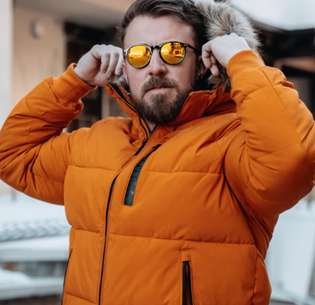
Figure 2: The puffer jacket is a staple in most Europeans’ wardrobes as it is comfortable, lightweight, stylish and warm
Source: Karsten Winegeart on Unsplash
Styles
There are many outerwear styles that are always in fashion, for example:
- Puffer jackets (down jacket): Popular because they are warm, light, soft, practical, stylish and sporty;
- Trench coats (often in beige or black): Popular because they are timeless, long, elegant, rain-resistant, casual and professional;
- Bomber jackets: Popular because they are timeless, short, lightweight sporty, cool and easy to style with jeans or sneakers;
- Parkas (often with fur or hood): Popular because they are very warm, perfect for snowy conditions or heavy wind, covering hips and legs;
- Raincoats: Popular because they keep people dry and being lightweight and packable. Using breathable materials is appreciated;
- Fleece jackets: Popular because they are soft, warm, lightweight and good for layering;
- Softshell jackets (sports and travel): Popular because they are wind and water-resistant, stretchy;
- Cabans (wool or wool-mix): Popular because they are warm and comfortable, elegant.
Printing
Digital printing makes polyester printed styles possible that can be made in small quantities. The digital printing technique has helped the apparel industry to be versatile and flexible. There are no minimum printing quantities involved. This helps out the growing made-to-measure market.
Communication
Smooth communication is crucial. Always reply to emails within 24 hours, even if it is just to confirm that you have received the email and will send a longer reply later. If you have a problem with a production order, immediately let the buyer know and offer a solution. Create a critical path of every order and share it with your buyer. A critical path is a list of every step in the production and delivery process and the time each step takes. This will help you manage expectations and monitor progress.
Flexibility
Be prepared to first accept complicated orders. Buyers will want to test your factory before giving you large, easy orders. Make sure at the start that a buyer will not continue to place only difficult orders with you and easy orders elsewhere. Expect a European buyer to require in their first order:
- High material quality and impeccable workmanship;
- Order quantities below your normal minimum order quantity (MOQ);
- A price level that is lower than you would normally accept for small-quantity orders.
Speed to market
Fast manufacturing and delivery are important requirements. European buyers try hard to minimise stock and order as late as possible. There are different ways to shorten lead times:
- Keep stock materials ready. Buy from fabric suppliers that work with stock yarns and that can help you reduce manufacturing times. Make sure you have all the materials you need, including fabrics, zippers, buttons (and other trims) and packaging materials, before you start a production run. This increases efficiency and speed.
- Confirm lab dips (a small swatch of fabric to define colour and its recipe before it goes for bulk dyeing), trims and style before the final order is placed.
- Ask buyers for a seasonal sales forecast and regular sales updates to help plan your production capacity.
Figure 3: Coats in textured materials like faux fur, bouclé or teddy fleece have been very popular in Europe in recent years

Source: Patrik Velich on Unsplash
What are the requirements for niche markets?
Today’s niche market may be tomorrow’s basics. Interesting examples are the upcycle market that influences fashion trends, like bomber jackets with a front panel from a sports jacket. Another growing segment is adjustable, modular styles, like outerwear jackets that can be turned into backpacks or waterproof sleeping bags.
Adjustable, modular outerwear
This niche includes jackets that can turn into backpacks, coats with detachable liners or hoods and garments with zip-off sleeves or reversible construction. You need to have skills in advanced pattern-making, precision assembly and using specialised hardware like zippers, snaps and magnetic fasteners. High product quality is very important to ensure functionality and durability.
Eco-performance raincoats
Made from recycled polyester or regenerated nylon with water-repellent coatings. Focused on sustainability and weather protection. You need to have seam-sealing, taping machines and eco-chemical finishing expertise to make sure your garments are waterproof without using harmful chemicals.
Technical outerwear
Multi-layer shells with synthetic insulation for lightweight warmth. These often include windproof, water-resistant shells with detachable liners. You need to able to handle complex construction, modular components (zippers, snaps, Velcro closings) and precision insulation quilting.
Lightweight packable down jackets
Ultralight nylon or polyamide shells with RDS-certified down or recycled down insulation. These styles are compressible for travel and outdoor use. You need precision down-filling systems, down-proof fabrics handling and experience in ultralight construction to prevent leakage.
Tips:
- If you decide to focus on a niche, investigate the specific requirements and make sure you can comply. Be aware that order quantities in niche markets are usually smaller than in mainstream markets. Try to become a specialist in the niche of your choosing.
- Try to think ahead in your product development if you service niche markets. New innovations are introduced almost daily. Try to find workable innovations that will not only give you the tools to diversify but also to cut expenses.
- Study the colours and trends in haute couture collections for inspiration. Check out Vogue.com, for example. This website lets you browse photo galleries of the latest fashion shows by many different haute couture designers.
- Build a relationship with your customer design department to share information on new trends and developments.
- Source new materials regularly and present the materials to your buyers before collection development.
2. Through which channels can you get outerwear on the European market?
Before you approach European apparel buyers, you need to determine what market segment fits your company best. You should also look at sales channel(s) through which you want to sell your product.
How is the end-market segmented?
European outerwear buyers can best be classified by price/quality level.
Table 2: Outerwear market segmentation
| Consumer type | Price level | Style | Material use | Functionality |
|---|---|---|---|---|
| Luxury consumer (luxury market) | Very high | From basic to very high | Wool, cashmere, recycled polyester, Tencel, organic cotton | High fashion or high performance outdoor |
Fashion conscious consumer (upper middle market) | High | From basic to high | Wool blends, cashmere blends, polyester, cotton | Fashionable but practical and durable |
Practical consumer (middle market) | Medium | From basic to medium | Wool/viscose, polyester, cotton, cotton blends | Machine washable and durable |
Price conscious consumer (budget market) | Low | From basic to medium | Synthetic, polyester, cotton blends | Machine washable |
Source: FT Journalistiek
Luxury consumers
In the luxury market, European brands like Versace, Gucci and Dolce & Gabbana sell extremely fashionable, luxurious outerwear at a very high retail price. The trends born here eventually also make their way to the lower segments of the fashion industry. Production mostly takes place in Europe because buyers have extremely high standards around design, workmanship, material quality and brand image. This segment shows growing interest in sustainable materials and upcycling.
Fashion-conscious consumers
The upper-middle market caters to fashion-conscious consumers. It is home to brands such as Zadig and Voltaire, Ted Baker and See by Chloe. Consumers appreciate brands for their brand image, original designs and high-quality materials. Smaller brands with a distinct sustainable profile such as Armed Angels, People Tree and KnowledgeCotton Apparel work in this segment. Product durability is a growing interest.
Practical consumers
Practical consumers shop in the middle market. Here you will find brands and retailers such as Zara or Benetton selling both fashionable and more functional styles. Focus is on washability, fit and medium-quality materials. Buyers may require organic fabrics.
Price-conscious consumers
Price-conscious consumers looking for both fashionable and more basic designs shop for outerwear at large retail chains. These are chains such as H&M (basic to fashionable), Primark (basic to fashionable), New Yorker (basic to fashionable), Piazza Italia (basic), HEMA (basic) and Carrefour (basic). Sustainable materials are in small demand, with notable exceptions such as C&A and Zeeman (organic cotton).
Tips:
- Check online shopping platforms for outerwear such as Yoox (luxury and upper-middle market segments) Zalando (all market segments) or Asos (middle and budget market) for inspiration on styles and colours. Such websites also are great databases for finding potential buyers in case you are a manufacturer.
- Focus on finding sustainable and innovative fabrics that add value to your product and differentiate you from the existing styles offered in the market. Search the databases of Material Connexion, Material District, and Fashion for Good or visit the Future Fabrics Expo for hundreds of innovative and sustainable fibres and fabrics.
- Find your inspiration in the luxury segment but never copy the styles. If you do copy designs or logos this can have negative legal consequences.
Through which channels does a product end up on the end-market?
Where they are on the value chain will determine how buyers do business with you. Each buyer requires a specific approach. Always try to find out in what part of the value chain your buyer is working, what challenges they face in the market and how you can support their sales strategy.
Table 3: European sales channels
| Sales channel | Who is your buyer? | Requirements | Examples |
|---|---|---|---|
| 1 | European end-consumer | You can target European end-consumers directly with your own online shop (with promotion via social media), or indirectly via existing platforms. You will need to invest in an online shop, stock, order management and customer service. Your biggest challenges will be return policies and a lack of brand awareness.
Note that online B2C-platforms may require a percentage of each sale and/or a monthly fee.
If you sell to European end-consumers directly, you need a legal representative in Europe to ensure compliance with the EU’s General Product Safety Regulation. |
|
| 2 | Online multi-brand platform | Online multi-brand platforms sell existing brands and often develop their own private collections, mostly value brands. They can detect market interest very quickly and will immediately react to sales data.
Usually, such companies will place a small test order first. If the item is selling well, they will place the actual production order. Fast delivery is a must. |
|
| 3 | Retailer | Outerwear is sold by big retail chains in shops and online and by smaller boutique shops that can be found in almost every European city. Retailers sell existing brands and may order collections that are specially developed and manufactured for them. | |
| 4 | Brand | Apparel brands typically develop a collection 6 to 9 months in advance. You will need a sample room, as brands require salesman samples (SMS) of each collection style. Every salesman sample needs to be actual: it must look exactly like the product will in the shop. It may take many months before orders are placed. | |
| 5 | Intermediary | Agents, traders, importers and private label companies sell your product on to buyers up the value chain. They are extremely price focused and require flexibility in quantities and qualities.
Some are located near or in the production countries and primarily do sourcing and logistics, others work from Europe and also do market research, design and stock keeping. Their service level determines the commission rate they charge. |
Source: FT Journalistiek
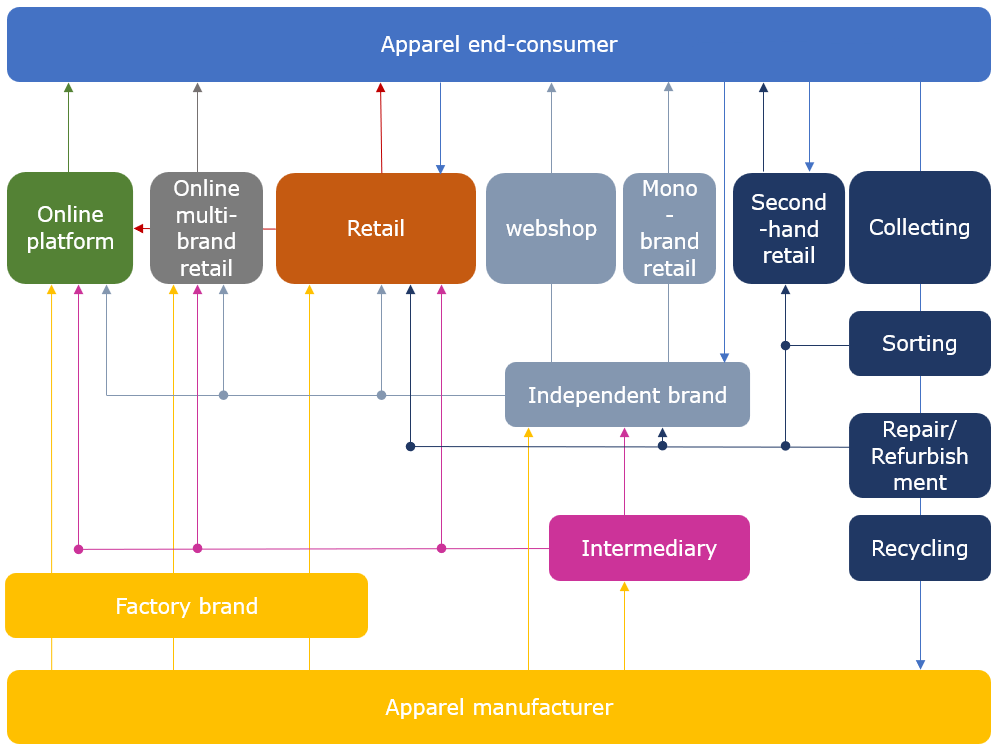
The figure below shows the many ways you can get your product on the European market. You can either do this via an intermediary, your own brand or via brands, retailers or online (multi-brand) platforms. Ideally, after use, consumers will return their apparel items to the seller, to be reused, repaired, refurbished or recycled.
Figure 4: Outerwear market value chain
Source: FT Journalistiek
Tips:
- Investigate potential buyers before you approach them. Make an overview of different European fashion companies by comparing their collections, target audience, MOQ requirements, margin expectations, need for product development input and the sustainability certifications they require. Focus on the buyers in the least risky sales channels first: intermediaries and small brands.
- Start with a few low-MOQ orders to small brands. This builds trust and gives you first-hand knowledge of buyer expectations before you scale up.
- Approach your local business support organisation to help find buyers.
- Take part in development programmes that can educate and match you with buyers. These include CBI, GIZ and UNIDO.
What is the most interesting channel for you?
As you move higher up the value chain, your margin will increase, but so will the service level that your buyer expects from you. When you have little experience with exporting to Europe, intermediaries and brands are likely the best starting point for you. Such companies have the largest market share and they service every price/quality segment of the market. They are also used to working with suppliers in different production countries worldwide.
Tips:
- Check out every new (potential) buyer and check carefully if you comply with their requirements. Do not make promises you cannot keep. Read the CBI study 10 Tips for doing business with European apparel buyers.
- Focus on taking part in niche trade fairs and target smaller companies with growth potential.
- Keep on top of new technical developments in the market. Be an advisor as well as a producer to give yourself an advantage over the competition.
3. What competition do you face on the European outerwear market?
Outerwear is made around the world, so you will probably face a lot of competition. The most important ways to give yourself an advantage over other countries and manufacturers are through technical knowledge, service level, flexibility (the willingness to accept lower MOQs), efficiency and beneficial trade agreements.
Which countries are you competing with?
China, Türkiye and Italy used to produce most outerwear for the European market. China and Türkiye are still popular sourcing locations for European buyers. But many other countries have started manufacturing outerwear as well because of price pressure.
Table 4: Competing countries
| Country | Strengths | Weaknesses | Image in Europe | Future developments |
|---|---|---|---|---|
China | Scale, technical innovation, high efficiency, excellent customer service and local availability of materials. | Inconsistent quality standards, rising labour and production costs and no General Scheme of Preferences (GSP). | Flexible, service-minded and innovative. | Shifting toward high-value, technology-driven and sustainable manufacturing. China’s advanced supply chains, automation, and innovation keep it central in sourcing strategies |
| Bangladesh | Scale, experience, low production and labour costs and the GSP. | Lower technical skill than China, relatively high MOQs and not up to date in compliance. | Fit for volume business. Inconsistency in labour standards. | Remains strong in volume basics, but also investments in very technical, sustainable production to address challenges in rising wages, energy costs, and compliance |
| Vietnam | High efficiency levels, relatively low production costs. No GSP, but a free-trade agreement with the EU. | High MOQs, lack of local fabrics, accessories and trims. | Volume business and mainly focussed on the US export market. | Rising challenges from U.S. tariffs, rising production costs, and competition from nearshoring. But it will remain a global hub by investing in compliance, digitalisation and sustainable materials. |
| Türkiye | High-quality, small quantities, fast delivery. European business culture and payment in Euros. | Relatively high labour and production costs. | High flexibility but becoming expensive due to inflation and increasing costs. | The apparel industry is expected to grow when the local economy stabilises. Benefitting from near-shoring and investments in automation. |
Source: FT Journalistiek
Unpredictable United States trade policy affects competitiveness
In 2025, the United States of America (USA) introduced trade tariffs on almost every country in the world. The tariffs have driven prices up, disrupted supply chains and put pressure on producers’ margins. The new tariffs started with a universal 10% rate, but the US also confronted countries that had a trade surplus with the US with extra tariffs.
Producers from countries with relatively low trade tariffs on apparel products may view the trade war as an opportunity. Importers will try to diversify their sourcing to these countries. Producers from China have been expanding their business in these countries and may increase their efforts even more.
You should also expect more competition when trading with Europe. This is because many export countries have tried to intensify trade with Europe as an alternative to trading with the US.
Tips:
- Study the countries you compete with. Compare their strengths and weaknesses to yours and advertise your competitive advantages. Besides GSP, think about factors like distance to Europe, ease of doing business and transparency.
- Check the freely accessible CSR Risk Check database to find out more about the social and environmental risks around apparel production in different countries, including your own. Use this information to reduce risks and advertise the advantages of sourcing in your country.
- Check if and how other countries benefit from the Generalised Scheme of Preferences on the EU’s website on international trade.
Which companies are you competing with?
Ginwen is based in China. It specialises in manufacturing down jackets and outdoor wear. The company offers a full-service approach. It is known for its flexibility and accepting small orders. Ginwen has a lot of experience with technical jackets, including waterproof and reflective designs. It holds ISO 9001 and BSCI certifications. Its unique selling point is that it combines flexible production with advanced technical knowledge.
Company Star Garment Group is based in Sri Lanka. It is a sustainable apparel manufacturer that works with global brands. The company produces a wide range of apparel, including jackets, dresses and sportswear. It has a strong focus sustainability and innovation. It offers eco-friendly materials and processes, operates an energy efficient factory and shares clear information on resource efficiency.
Vinatex is based in Vietnam. It is a major state-owned manufacturer that has large-scale textile and garment production. The company is vertically integrated. It designs and produces yarns, fabrics and finished clothing, including outerwear.
Tips:
- If you want to compete with the market leaders in outerwear production, you need to be flexible in your minimum order quantity, even if the product has a high level of quality and finishing standard. Innovate in product development and design, and offer excellent customer service.
- Look at the free online database Open Supply Hub. This website lets you look up the suppliers of hundreds of European fashion brands, including buyers of outerwear.
Which products are you competing with?
Warmer, less predictable winters in Europe reduce the need for warm and heavy coats. Longer changing seasons make lighter, versatile layers like knitwear, fleeces and ‘shackets’ more practical. Many Europeans want adaptable, multi-season outerwear rather than traditional winter coats or summer jackets. In cities, lifestyles are getting more casual. Commuting by bike, scooter or public transport also means lighter, flexible clothing are more popular.
Heavy knitwear/sweater coats
More and more Europeans wear thick wool and cashmere cardigans and oversized sweaters outside instead of jackets. These items offer a nice combination between comfort and style.
Fleece and technical mid-layers
Performance fleeces and insulated hoodies (often from outdoor/sports brands) are used as outer layers, especially in casual and activewear contexts.
Shackets (shirt-jackets)
Hybrid shirt-jacket pieces made from wool, flannel or padded cotton are popular lightweight alternatives to traditional coats, especially with younger end-consumers.
Tips:
- Work closely with your fabric supplier. By combining your expertise on product development, you will become more competitive.
- Combine categories to serve different buyers and different consumers.
4. What are the prices of outerwear on the European market?
The factory price of your product is affected by many factors. These are factors like cost of materials, efficiency of your employees, your overheads and profit margin. For a step-by-step guide on how to calculate the FOB price of an apparel item, read the CBI study on cost price calculation.
The average cost breakdown of your FOB price (Free On Board) should look something like Figure 5.
Source: FT Journalistiek
These percentages may of course vary per factory, per order and in time. Some factories accept lower profit margins during the off season, or when order volumes are high. Besides this, percentages for labour versus fabrics may differ depending on how much is invested in machinery, factory efficiency, wage level of the workforce and price of the materials. Higher costs due to inflation, increasing taxes, sustainability requirements, and lower quantities or near-shoring can also lead buyers to adopt bigger margins.
Retail pricing
The retail price of an apparel item is on average 4-8 times the FOB price (this is called ‘retail markup’). It follows that the FOB-price is on average 12.5-25% of the retail price of the product. Exceptions do occur. In the budget market, some European retail chains might only double the FOB price. Retailers mark up the FOB-price by 4-8 times because they need to account for (among other things) import duties, transport, rent, marketing, overhead, stock keeping, markdowns, and VAT (15-27% in EU-countries).
Source: Eurostat, 2025
According to Eurostat’s 2024 comparison of retail prices for apparel in Europe, Denmark is the EU-country with the highest price point compared to the European average (132.8).Switzerland, on the other hand, is the most expensive European country for apparel (143.4). Looking at Europe’s biggest importers of apparel, Italy has the highest apparel retail prices (107.8), followed by Poland (103) and Germany (101.4).

Tips:
- Read the CBI study on cost-price calculation for a step-by-step guide on how to calculate your FOB price and develop a pricing strategy.
- Read the CBI study 10 tips for doing business with European buyers to learn how to approach and engage buyers.
FT Journalistiek carried out this study in partnership with Giovanni Beatrice on behalf of CBI.
Please read our market information disclaimer.
Search
Enter search terms to find market research