

The European market potential for dried grapes
In the long term, the European market for dried grapes is expected to grow 1%–2%. Rising interest for healthy snacking is a big driver for this growth. There are also more innovative bakery and confectionery products that use dried grapes as a sugar replacement. The United Kingdom is the world’s largest importer of dried grapes, offering opportunities for developing country suppliers. Other attractive markets are Germany, the Netherlands, France, Italy and Poland. Suppliers that ensure high quality, food safety and sustainable sourcing will stay competitive in this evolving market.
Contents of this page
1. Product description: dried grapes
Dried grapes are the dried, ripe fruit of the grapevine (Vitis Vinifera) that are meant for food use. After grapes reach the desired sugar content, they are harvested, washed, dried, sorted and packed.
Before drying, grapes may be dipped into a chemical solution to remove natural wax from the skin of the fruit. This process shortens the drying time and gives the grapes a lighter skin colour. Traditionally, this solution is made of potassium carbonate and olive oil. Other substances are used too (such as ethyl esters).
Grapes can be air-dried (in the sun or in the shade) or dried in drying facilities. Sun-dried grapes have a darker skin colour compared to grapes dried in the shade.
Dried grapes can be treated by sulphuring with sulphur dioxide. This process preserves their colour, prevents browning, stops microbial growth and extends shelf life. Sulphuring is a common production process for the golden yellow types. However, sulphur dioxide cannot be used in the production of organic dried grapes. In order to prevent dried grapes from sticking together, they are often coated with vegetable oil.
Dried grapes are mostly used as an ingredient for bakery and other products. In English, all dried grapes are usually referred to as ‘raisins’. In the industry, dried grapes are divided into 3 main types, one of which is raisins (see Figure 1). This report covers all 3 types of dried grapes and includes:
- Raisins: Darker coloured, naturally dried grapes. The most used variety is light skin Thompson Seedless. Grape skin normally darkens during the drying process if grapes are not chemically treated.
- Sultanas: Seedless, dried, yellow-coloured grapes. Like raisins, sultanas are mostly produced from the Thompson Seedless variety. The light skin colour is preserved by dipping the grapes into a special solution or by treating them with sulphur dioxide.
- Currants: Purple-black dried grapes, originally produced from the seedless Greek Black Corinth variety. Currants should not be mistaken for berry fruit such as blackcurrants or redcurrants.
Countries may have different names and groupings for dried grapes.
Figure 1: Three main types of dried grapes on the European market. Currants (left): Small, reddish-blue; sultanas (middle): Golden yellow; raisins (right): Brownish-red to brown.

Source: Gesamtverband der Deutschen Versicherungswirtschaft e. V. (GDV)
Global dried grape production increased to 1.28 million tonnes in 2024, after falling to a 24-year low of 1.15 million tonnes in 2023. Türkiye is the leading producer of dried grapes, with a 25% share of the world’s production in 2024. It is followed by the United States of America (18%), China (13%), Iran (13%), South Africa (7%), Uzbekistan (5%) and Chile (4%).
European production of dried grapes is not self-sufficient. Greece is the leading European producer, mostly of currants. Spain also produces Málaga raisins in Andalusia. The European Union’s (EU) official GI register (eAmbrosia) lists ‘Pasas de Málaga’ (PDO) with the recognised producer group.
International trade in dried grapes is tracked with the help of the 6-digit Harmonised System (HS) code 080620. The EU uses three Combined Nomenclature (CN) 8-digit codes to track trade dried grapes in more detail.
Table 1: Products in the product group of dried grapes
| Combined Nomenclature Number | Product |
|---|---|
| 08062010 | Currants |
| 08062030 | Sultanas |
| 08062090 | Other dried grapes |
Source: Commission Implementing Regulation (EU) 2024/2522, 2025
In this study, ‘Europe’ refers to the 27 EU states, the United Kingdom (UK), Iceland, Liechtenstein, Norway and Switzerland. The term ‘developing countries’ means nations on the OECD-DAC list of aid recipients for 2025. Growth is expressed through compound annual growth rates (CAGRs).
2. What makes Europe an interesting market for dried grapes?
Europe is the largest market for dried grapes in the world. According to the International Nut & Dried Fruit Council (INC), it accounted for 50% of the world’s total imports in 2023.
European imports of dried grapes reached 367,210 tonnes in 2024, valued at €938.9 million. More than 76% of all European dried grapes imports are direct imports from developing countries. Internal European trade consists mainly of re-exporting imported dried grapes. The only major European producer is Greece with around 3% of European supply. Small amounts of dried grapes are produced in Cyprus, Spain, Italy and Bulgaria.
In the next five years, the European market for dried grapes is likely to slowly increase by an average annual growth rate of 1%–2%. This is less than most other dried fruit, because dried grapes are mostly used as an ingredient and less as a snack. Dried grapes are a traditional ingredient in bakery and confectionery products. However, the number of innovative products with dried grapes in Europe is increasing. This includes fruit bars, fruit and nuts snack mixtures and breakfast cereals.
Source: Autentika Global, Eurostat, ITC, 2025
The European market for dried grapes has 3 leading importers that have 57% of the total import share. In 2024, the UK was the leading importer in Europe, with a 23% import share, followed by Germany (18%), the Netherlands (16%), France (10%) and Italy (6%). According to the INC, the largest consumer of dried grapes in Europe is the UK, with an average consumption of over 80,000 tonnes. The Netherlands has the largest estimated per capita consumption in Europe, with an average consumption of 3.6 kg/year, according to the INC.
European demand for dried grapes is relatively stable. Changes in imports are mostly the result of variable production in the main supplying countries (mainly Türkiye). The European supply of dried grapes strongly depends on supply from Türkiye. In years when Turkish production is smaller due to weather conditions or other external factors, total European imports tend to be smaller too.
Source: Autentika Global, Eurostat, ITC, 2025
3. Which European countries offer the most opportunities for dried grapes?
Within Europe, the main importers of dried grapes (UK, Germany, the Netherlands, France, Italy and Poland) are also the leading consumers. Figure 4 shows apparent consumption, which includes industrial consumption.
The UK, Germany and the Netherlands are the largest European markets for dried grapes, followed by France, Italy and Poland. These 6 countries offer a lot of opportunities for emerging suppliers of dried grapes to Europe. Spain is another important growing market in terms of dried grapes imports and consumption.
Source: Autentika Global, Eurostat, ITC, 2025
Table 2: Estimated per capita consumption in 2023, kg/year
| Country | Consumption per capita |
|---|---|
| Romania | 6.28 |
| Netherlands | 3.60 |
| UK | 1.60 |
| France | 1.15 |
| Germany | 0.94 |
| Italy | 0.72 |
| Spain | 0.32 |
Source: Autentika Global, INC, 2025
The United Kingdom: The leading European market for dried grapes
From 2020 to 2024, imports of dried grapes to the UK decreased by an average of 3.6% annually, reaching 84,960 tonnes in 2024. At the same time, the value of imports increased by 3.5% annually to €217 million in 2024.
In the last 2 years, imports decreased as UK importers adjusted to a drop in sharp drop in retail sales. In December 2023, retail sales volumes in the UK fell to their lowest level since May 2020. The overall price of food and non-alcoholic beverages in the UK rose around 25% between January 2022 and January 2024. Food inflation affected both retail and industrial demand. Approximately 60%-70% of dried grapes are sold to the food processing and food service industries.
In 2024, the UK imported 66% of its dried grapes from Türkiye, followed by South Africa (12%), Greece (8%), China (7%) and Chile (4%). Uzbekistan is an emerging supplier that increased its annual exports to the UK by 56% between 2020 and 2024, to 753 tonnes. The most imported and consumed type of dried grapes in the UK in 2024 are sultanas (60%), followed by other dried grapes (31%) and currants (9%). Türkiye is the leading supplier of sultanas (an 86% share) and raisins (47%) while Greece leads the supply of currants with an 84% share.
The largest market shares are taken by private labels of retail chains such as Tesco, Sainsbury’s, ASDA, and Morrisons. Independent brands include Whitworths and Sunny Raisins (both owned by Whitworths), Fudco, Crazy Jack (organic) and Sun Maid (United States). Chocolate-coated dried grapes are a very popular snack in the UK. They are offered by many different brands, including Claybrooke Mill, Tesco, Nuts Pick, Highgrove and Rita Farhi.
The UK market offers specific opportunities for suppliers of Fairtrade-certified dried grapes, as the country is one of the largest Fairtrade product markets in Europe. There are currently approximately 5,000 Fairtrade-certified products for sale in the UK. Some retail chains, like Sainsbury’s, have launched snack mixes containing Fairtrade-certified dried grapes.
Figure 5: Dried grape product
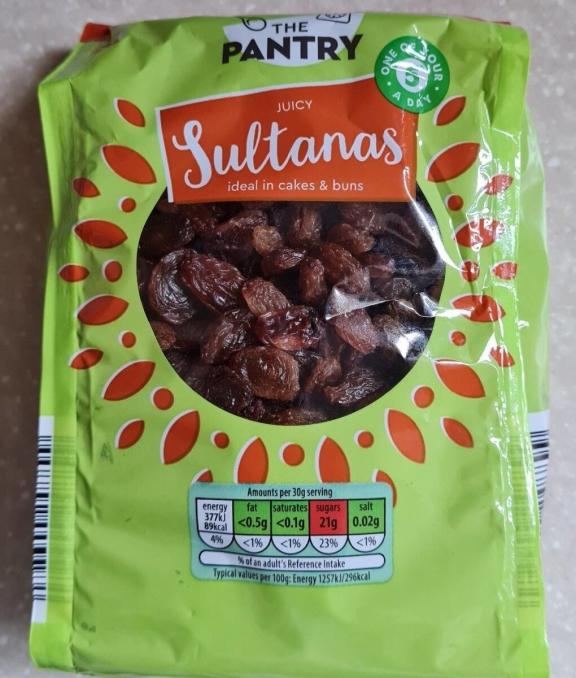
Source: kiliweb on Open Food Facts (licensed under CC BY-SA 3.0
Figure 6: A Fairtrade peanut and raisin product in the UK (Sainsbury’s private label)
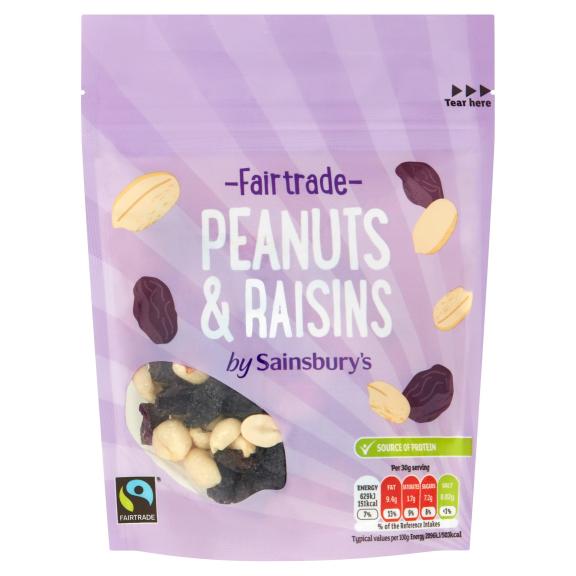
Source: Sainsbury’s
Germany: A large market for sultanas
From 2020, German dried grape imports fell by 4.9% per year, to 66,613 tonnes in 2024. Import values increased by 2.6% per year in the same period, to €166 million in 2024. Germany also re-exported more than 10,600 tonnes. This leaves around 56,000 tonnes for domestic consumption. The INC estimated German per capita consumption of dried grapes in 2023 at 0.94 kg/year. The most imported and consumed type of dried grapes in Germany are sultanas (92%), followed by other dried grapes (7%) and currants (1%). In 2024, Germany was the largest European market for sultanas, importing 61,260 tonnes.
In 2024, Germany imported 31% of its dried grapes from South Africa, followed by Türkiye (31%), China (11%) and the Netherlands (4%). Argentina is an emerging supplier with increasing dried grape exports to Germany. Argentina’s annual exports have increased by 83% per year, to 2,617 tonnes in 2024. Germany is the largest European market for South African dried grapes, mostly sultanas.
Large amounts of dried grapes in Germany are sold as private label, such as Belbake (by discounter chain Lidl), Trader Joe’s (by Aldi Nord), ja! (by REWE), Metro Chef and Fine Life by Metro and Gut & Günstig (by Edeka). Examples of independent brands include Seeberger, Farmer’s Snack, Meray and KLUTH. Dried grapes in Germany are also used in mixtures with nuts (Ultje), in bakery products (Harry), in breakfast cereals (Dr. Oetker), in chocolates (Ritter Sport) and in fruit-nuts bars (Corny).
Germany is a particularly attractive market for organic dried grapes, as the country is the largest European market for organic food. Organic dried grapes in Germany are sold as independent brands (for example, MorgenLand, Clasen Bio, Rapunzel, Reformhaus, Biofarm and Bioladen). They are sold as private labels of mainstream retail chains (for example, bio by ALDI SÜD, EDEKA Bio by EDEKA, and REWE Bio by REWE) or as brands of specialised chains selling organic food (for example, dm, Alnatura, BioMarkt, and Keimling).
Figure 7: An organic dried grapes product from Germany (dm)
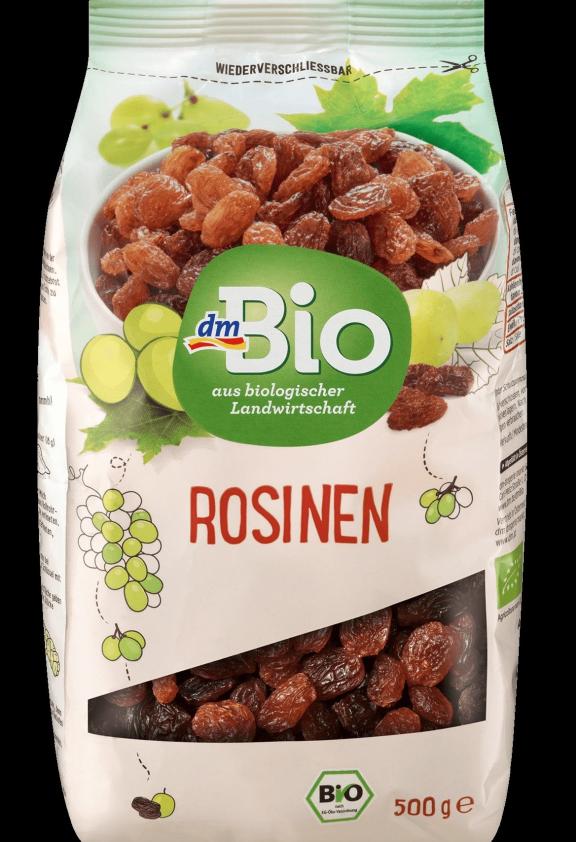
Source: dm
Figure 8: A bakery product with dried grapes in Germany (Harry)
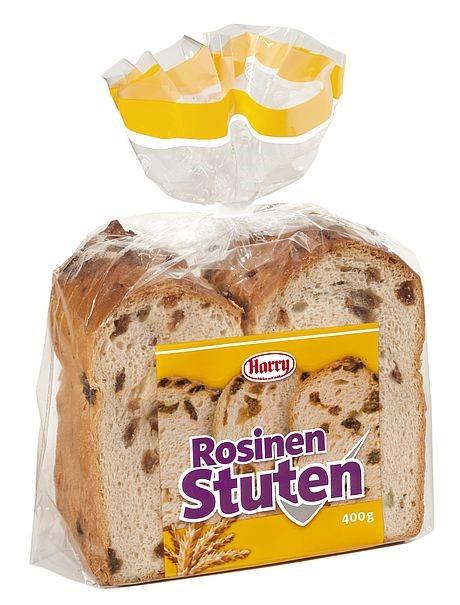
Source: Harry-Brot
The Netherlands: A large European per capita consumer
Imports of dried grapes in the Netherlands have been increasing since 2020. Rising at an average annual rate of 3%, these imports reached 58,058 tonnes and €138 million in 2024. In 2024, the Netherlands re-exported 12,811 tonnes of dried grapes, leaving 45,247 tonnes for domestic consumption. The Netherlands has one of the largest per capita dried grape consumption rates, at 3.6 kg/year in Europe. Currants ('krenten' in Dutch) and raisins ('rozijnen') are particularly popular dried grapes in the Netherlands. The country is the second-largest importer of currants in Europe.
In 2024, 46% of dried grape imports came from Türkiye, followed by China (15%), South Africa (15%), Chile (7%) and Greece (6%). The Netherlands is the world’s largest importer of dried grapes from China. China has been gaining market share in the Netherlands, increasing their supply from 3,859 tonnes in 2020, to 8,916 tonnes in 2024. Imports from China and South Africa grew annually at a rate of 23%, while imports from Iran grew by 15%.
The leading market for dried grapes re-exported from the Netherlands is Germany (30%), followed by France (20%) and Belgium (13%).
Dried grapes are a particularly popular snack among children in the Netherlands. Parents often give dried grapes to children as a kind of healthy snack. Brands such as Sundrop and AH (Albert Heijn’s private label) developed small snack portions which are attractive to children.
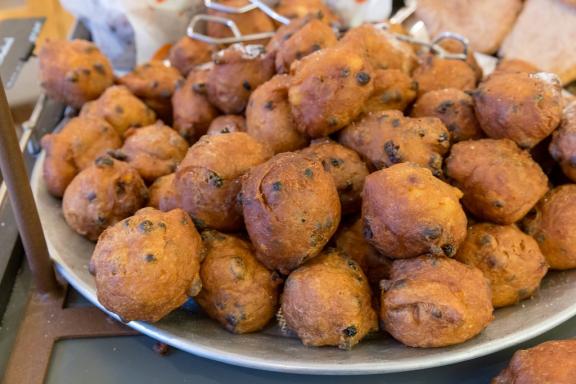
Most dried grapes in the Netherlands are sold under private labels. The leading retail companies selling dried grapes under their own label in the Netherlands include Albert Heijn (AH label), Aldi, Jumbo (Jumbo), Lidl (Belbake label) and CIV Superunie (g’woon label). The Netherlands has a very developed bakery industry, and dried grapes are largely used in bakery products. Some popular Dutch bakery products with dried grapes include bread with dried grapes (rozijnenbrood and krentenbrood) and oliebollen, a type of donut traditionally eaten on New Year’s Eve.
France: Stagnant import volumes
France has seen stagnant imports of dried grapes over the past 5 years. Between 2020 and 2024, French imports of dried grapes declined by 0.4% annually. French imports of dried grapes reached 26,059 tonnes or €71 million in 2024. The estimated total consumption of dried grapes in France is 24,500 tonnes or 1.15 kg/year.
France imports 51% of its dried grapes from Türkiye, followed by South Africa (15%), China (8%), Chile (6%) and Belgium (5%). Sultanas are the most imported type of dried grapes in France, accounting for 76% of all imports, followed by other dried grapes (22%) and currants (2%). Supermarket brands (private labels) in France use the Nutri-Score nutrition labelling system to label dried grapes. The nutritional value of dried grapes is usually labelled with C, meaning it has an average health score.
Similar to other European countries, large volumes of dried grapes are sold as private labels. This includes own labels from Carrefour (Carrefour, Carrefour Bio and Simpl), Leclerc (Marque Repère and Bio Village), Coopérative U (U), Intermarché (Mon Marché Plaisir) and Auchan (Auchan and Bio).
Independent brands include La Patelière, Vahine Bio, Daco Bello, Profruit, Belle France, Color Foods and Maître Prunille.
Figure 9: Oliebollen (Netherlands)
Source: Flickr
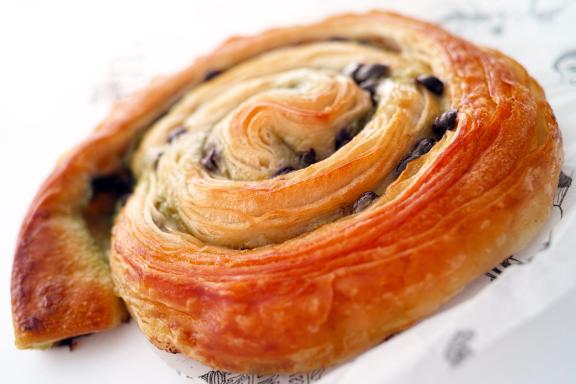
Figure 10: Pain aux raisins (France)
Source: takedahrs from Pixabay (licensed under the Pixabay Content Licence)
Italy: An expanding market with dominant Turkish supply
In 2024, Italy imported 21,655 tonnes of dried grapes with a value of €61 million. The country uses most imported dried grapes for domestic consumption with no significant re-exports. In Italy, per capita consumption of dried grapes is 0.72 kg/year. Sultanas were the most imported dried grapes (95%) in 2024, followed by other dried grapes (3%) and currants (2%).
In 2024, Italy imported 62% of its dried grapes from Türkiye, followed by China (11%), Australia (6%) and Iran (4%). Emerging suppliers of dried grapes to Italy include Iran and South Africa. Some 65% of sultanas are imported from Türkiye, while the leading supplier of other dried grapes is Chile (37%), followed by the Netherlands and South Africa. Currants are mostly imported from Greece (93%).
Sales are dominated by supermarket private labels, such as Coop, Esselunga, Conad and Carrefour. Independent brands include Fatina (Murano), Ventura, Noberasco and Life. According to trade press in Italy, dried fruit sales showed strong growth in 2024, with dates and figs standing out. A specific characteristic of the Italian retail segment is the sale of small snack packages in shops for €0.99.
Poland: A big importer from developing countries
Polish imports of dried grapes decreased at an annual rate of 0.8% over the last 5 years. Poland’s imports of dried grapes decreased from 15,869 tonnes in 2020 to 15,393 tonnes in 2024, with a value of €32 million. Polish consumption of dried grapes is estimated to be around 14,200 tonnes in 2024.
In 2019, Poland imported 72% of its dried grapes from developing countries. Türkiyeis the largest supplier with a 26% market share, followed by China (23%), Chile (20%), India (9%), Uzbekistan (6%) and Iran (5%). Raisins are the most imported type of dried grapes in Poland, with a market share of 48%, followed by sultanas (44%) and currants (8%). Türkiye is the leading supplier of sultanas to Poland, while Chile is the main supplier of other dried grapes. India is Poland’s leading supplier of currants.
In Poland, dried grapes are widely sold under retailers’ private labels such as Biedronka (Bakallino label), Lidl (Alesto label), Kaufland (K-Classic and K-Bio), Auchan (Auchan and Auchan Bio) and Carrefour (Carrefour and Carrefour Bio). Examples of independent brands in Poland include Makar (by Makar Bakalie), Bakaland, Helio, Kresto (by VOG), Sante and Hebar. Also, some grapes are sold unbranded by weight. Dried grapes in Poland are also used in traditional baking products, such as the Polish Christmas specialty Kutia.
Tips:
- Stay up to date on the dried grapes market in the United Kingdom by regularly checking the website of the National Dried Fruit Trade Association UK.
- Find German traders of dried grapes on the websites of the specialised German Association Waren-Verein and in the German business directory wer liefert was.
- Contact the French Association for Dried Fruit (SNFC) to learn about the French market for dried grapes.
4. Which trends offer opportunities or pose threats in the European dried grapes market?
Demand for fruit snack products is increasing and more dried grapes are being used in bakery and confectionery products. These are the main driving forces behind the huge consumption of dried grapes in Europe. Also, sustainable and ethical production is becoming an important aspect for European traders and consumers.
Healthy snacking and portion control in Europe
A major trend that is in line with increased consumption of dried fruit, including dried grapes, is healthy snacking. Consumers are searching for healthier alternatives for snacking between meals, or even for snacks that can replace meals in full. Younger consumers who are taking more care of their general health and wellness, no longer favour savoury snacks such as potato chips and other crisps. As a result, nuts, as well as dried fruit are becoming increasingly popular as a snack.
Europeans still snack a lot, but they want snacks that are easy to carry and portion-controlled. Europe’s snack market kept growing in value in 2024, and more Europeans snacked on the go than in 2023. Circana reported that the European snack market reached €234 billion in sales value in 2024. There was large growth in dried fruits and nuts, which grew by 4.9% to €160.2 million. Supermarkets dominate European snack sales, accounting for 50% of total sales in terms of value.
Consumers are looking for flexible, light and convenient snacking options that they can eat on the go more often. With their busy lifestyles, European consumers are replacing traditional lunch breaks with healthy snacking moments. European consumers say that healthy snacks are especially important in the morning, according to findings from a Innova Market insights report. Portion-controlled indulgence and plant-based alternatives are rising, according to the Circana market research.
Clean label plus tighter EU safety rules
European consumers and authorities are very careful about food safety. The EU Farm to Fork strategy under the Green Deal aims to halve synthetic pesticide use by 2030. A recent EU monitoring report found that the highest frequency (193 samples) of processed food product samples with multiple pesticide residues was reported in dried grapes.
Clean labels on dried fruit packs are especially important for consumers. ‘Clean’ means that there are no additives used during the production process. One important trend for dried grape exporters is demand for additive-free dried grapes. There is pressure to reduce sulphites, the main additive used to preserve the yellow colour of dried grapes. In 2022, experts from the European Food Safety Authority (EFSA) concluded that dietary intake of sulphites could be a safety concern for some consumers. Sulphur-free dried grapes are darker, as it is difficult to produce golden-yellow dried grapes without sulphur.
Dried grapes as a versatile industrial ingredient
Bakery products, cereals, chocolate snacks, fruit snacks and many other products use dried grapes as an important ingredient. Outlooks for 2024-2025 show these categories continuing to grow in value, even as volumes are flat. This supports the trend of a steady increase in the industrial use of dried grapes in Europe. This is good news for dried grape suppliers, as the European food industry uses dried grapes in buns, biscuits, granola and bars that use fruit instead of added sugar.
Europe’s baked goods market is forecast to grow by 3.2% per year between 2025 and 2032. Over 800 new bakery products containing raisins were launched in Germany in 2023. Sweet biscuits are the most popular and fastest-growing segment. Europe has a large and strong baked goods market.
Europe also accounted for 29.5% of the global breakfast cereal market in 2024. The market is expected to grow by 3.5% per year between 2025 to 2030. Importantly, a major driver of Europe’s breakfast cereal market is the increasing focus on health and nutrition. This means that European consumers are moving away from classic, sugar-rich cereals. They instead choose those with more natural ingredients, that are full of fibre, protein and whole grains. This presents an opportunity for dried grapes, as they are important sources of fibre and can serve as a replacement for added sugar.
Granola and muesli bars accounted for 52% of Europe's cereal bar market share in 2024. Energy and nutrition bars are predicted to see annual growth of 6.4% until 2030. Dried grape suppliers should keep an eye on the main trends in this segment. They include increased health awareness, demand for high-protein and fibre-rich products, fitness, and innovations in flavours and formats.
Climate change and supply chain volatility
Climate change is already disrupting dried grape production, and Europe’s suppliers are feeling the effects. Changing weather has caused yield losses and quality issues. This tightens global supply and drives up prices. European importers are responding by diversifying their sourcing (spreading out where they get their products from) and asking suppliers to improve resilience.
Problems are caused by more frequent extreme weather events in major dried grape production regions. In 2021, late frosts in Türkiye’s Aegean region (Manisa) damaged a portion of the sultana grape crop. In April 2025, Türkiye faced one of its worst frosts in years. Up to 50% of the grape harvest was destroyed in some areas. Such events are linked to climate change’s greater weather variability. As a result, they directly reduce export volumes or even the structure of dried grape exports to Europe. This is important as Türkiye is Europe’s largest raisin supplier.
Iran and Central Asian dried grape producers have faced intense heat and shifting rainfall. This can affect drying, as too much unexpected rain during sun-drying can cause mould. Meanwhile, California has battled long drought periods and heatwaves. Between 2020 and 2023, California’s raisin grape acreage shrank by about 8,000 hectares as farmers pulled out vines.
The use of sustainable farming practices is valued by European importers. South Africa’s Eksteenskuil small-farmer cooperative in Northern Cape adapted early to sustainability trends. The cooperative’s farmers grow raisins on approximately 200 hectares and sell dried grapes to Raisins South Africa, their main processing partner. Members are encouraged to share machinery, which helps to reduce greenhouse emissions. They can also rent farming equipment, which is serviced and maintained by the cooperative for a small fee.
Several sustainability initiatives are already present in dried grape production countries. Read more about these trends in the CBI processed fruit and vegetables trends study. In general, European consumers and retailers are more and more interested in sustainably produced fruit products. This includes dried grapes.
Tips:
- Promote dried grapes as healthy and nutritious in the European market. Explore creative ways of using dried grapes in home cooking and offer ideas through online promotion.
- Check out industry trends and product innovations at the leading European food trade fairs, such Anuga, SIAL and Food Ingredients Europe.
- Read our study about trends in the European processed fruit and vegetables market to find out more about general trends.
Autentika Global carried out this study on behalf of CBI.
Please review our market information disclaimer.
Search
Enter search terms to find market research