
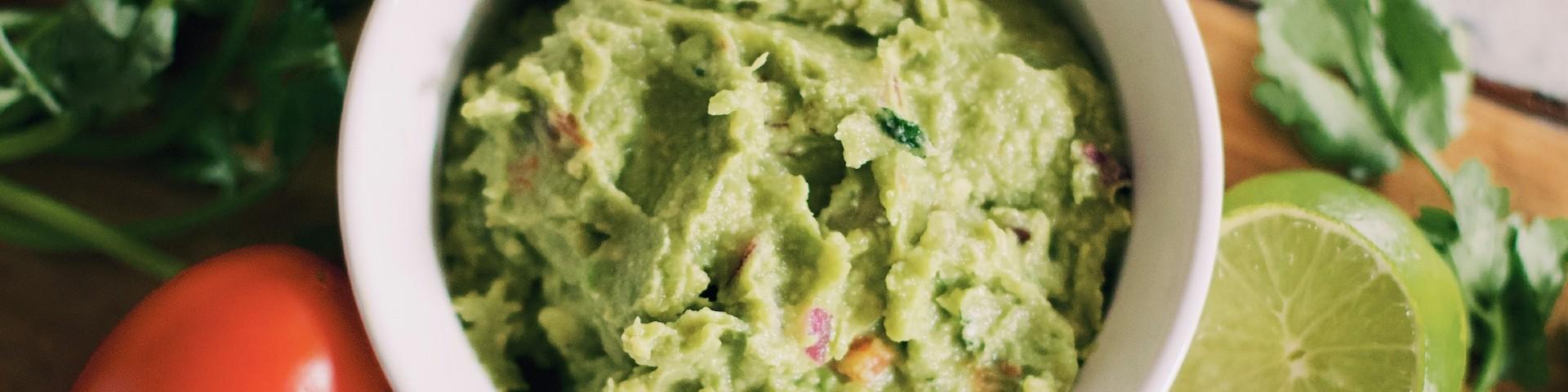
The European market potential for avocado pulp
Europe is an attractive and growing market for avocado pulp. Demand is rising as avocado consumption is increasing and buyers require more convenient processed products. Also, Europe still depends heavily on imports. The best opportunities are in markets that combine processing, distribution and final consumption, especially Spain, the Netherlands, Germany, France, the UK and Italy. Clean-label products, HPP (high pressure processing) technology and stronger sustainability requirements shape the market.
Contents of this page
1. Product description: avocado pulp
Avocado pulp is made from the edible flesh of ripe avocado fruit (Persea americana). The flesh is mechanically separated from the peel and seed and processed into a uniform or semi-uniform product. Avocado pulp is made mostly from Hass cultivar. It can be marketed as fresh, chilled or frozen. The product may contain permitted additives, but these should not change essential characteristics of the product. Avocado pulp can be a smooth paste or still have small fruit pieces.
The common processing steps are:
- Fruit reception: Washing and sorting (ripening may be part of this stage, depending on fruit maturity)
- Preparation: Cutting, destoning, peeling/scooping
- Pulping: Mixing to the target texture
- Preserving: Preservation without additives (either pasteurisation or freezing) or with additives (antioxidants, preservatives)
- Packing
In Europe, avocado pulp is mainly used as an ingredient in dip and spread products. It is mostly traded within the food service industry as a practical replacement for fresh avocado. Retail demand is also growing thanks to the popularity of Mexican-type snacks like nachos and quesadillas. The best-known product made with avocado pulp is guacamole. This is a dip made by mixing avocado pulp with ingredients like lime juice, salt, onions, tomatoes and chili. Avocado pulp is also used in smoothies, vegetable juices and baby foods more and more often.
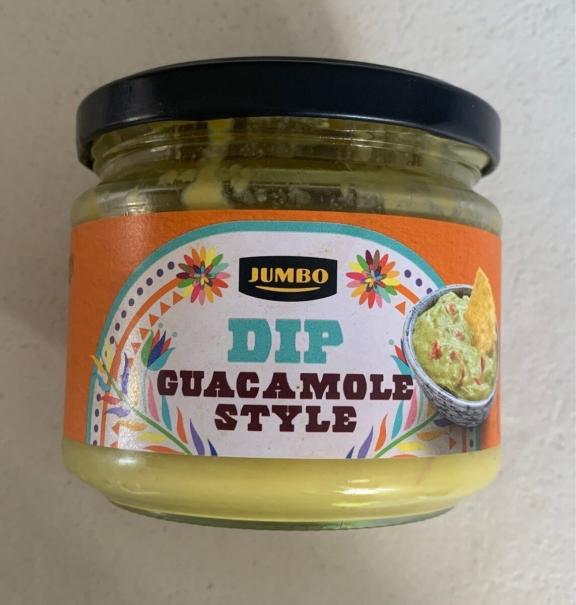
Figure 1: Guacamole-style dip, private label by Jumbo (Netherlands)
Source: Photo by kiliweb per Open Food Facts, licensed under CC BY-SA 3.0
There is no specific statistical code that exclusively covers avocado pulp. It is traded under many codes. Depending on the type of product, avocado pulp can be classified under the following codes: 20089999, 08044000, 08119095, 200897 or 210390. Because there is no precise classification, this study mainly relies on qualitative data and industry insights.
This study covers general information regarding the avocado pulp market in Europe that is of interest to producers in low- and middle-income countries. When the study refers to ‘Europe’, it means the 27 member states of the European Union plus the UK, Switzerland, Norway, Iceland and Liechtenstein. Low- and middle-income countries are defined as the countries that are listed as official development assistance recipients.
2. What makes Europe an interesting market for avocado pulp?
Europe is an attractive market for avocado pulp since the consumption of fresh avocados is rising. At home and in restaurants, fresh avocados are cut open, and the flesh is scooped out and then mashed for use in spreads and dips. Ready-made avocado pulp offers a more convenient option for both foodservice companies and consumers. Demand for avocados in Europe is strong and continues to grow. At the same time, Europe produces only a small share of what it needs, so it depends heavily on imports.
Organic and Fairtrade avocado pulp are still small premium niches in Europe. But there are opportunities for suppliers with steady and reliable supply. Wider growth of organic food sales and increasing buyer interest in certified, traceable and responsibly sourced ingredients supports demand. Opportunities are strongest in markets where organic or premium avocado products are already being sold, especially Germany, France and Italy.
Organic opportunities
There is no specific international trade code for avocado pulp and the product is traded under multiple classifications. Because of this, it is not possible see precisely how much is imported. According to avocado pulp suppliers and traders, European imports from non-European countries were estimated to be over 9,000 tonnes in 2025 and are expected to continue growing.
Besides pure avocado pulp, it is estimated that Europe will import even more guacamole (seasoned avocado pulp). In fact, the import of guacamole in 2025 is over 10,000 tonnes. Import growth rates are comparable to those of fresh avocados and are assessed to be 5% annually. This means that over the next 5 years, the import of avocado pulp is likely to increase by 2,000 tonnes by 2030. Avocado pulp imports are growing alongside European fresh avocado imports (Figure 2).
Source: Autentika Global, based on Eurostat data, 2025
Consumption of avocado pulp is growing in major European markets, and is also spreading to a wider group of consumers. The World Avocado Organisation reports that avocado volumes sold in Europe grew by 13.2% in 2024 compared to 2023, based on Europanel data. Between 2023 and 2024, per capita avocado consumption was 2.31 kg in France, 1.88 kg in Scandinavia, 1.71 kg in the UK, 1.48 kg in Germany and 0.81 kg in Italy.
Demand continues to benefit from the healthy image of avocados, even under inflation pressure. Processed avocado products also match the growing demand for convenient food options.
Tip:
- Read the CBI study on the market potential of fresh avocado to learn more about the major reasons behind avocado’s popularity in Europe.
- Adapt your positioning to the buyer’s needs. Frozen avocado pulp is suitable for processors and foodservice buyers that need stable quality, longer shelf life and easy use in recipes. HPP or chilled pulp can be positioned as a premium convenience product for buyers looking for a fresher taste and clean-label appeal.
3. Which European countries offer the best opportunities for avocado pulp?
Europe offers many different opportunities for avocado pulp exporters. Spain and the Netherlands are major processing and distribution hubs, while Germany, France and the UK provide a strong retail and foodservice demand. Italy is growing as an ingredient market while also developing local processing. The best opportunities are in frozen, aseptic (free of germs that can cause diseases) and premium chilled pulp, especially for suppliers that can guarantee reliable supply, good quality, traceability and sustainability practices.
Spain: Important avocado-processing hub
Spain is an interesting export market. This is because it combines domestic demand with an important role in processing and trading ready-to-eat dips and sauces. Several Spanish manufacturers import avocado pulp and process it. They then sell guacamole and avocado dips to retailers or supply the foodservice sector with larger packs. For exporters from low- and middle-income countries, Spain can be a practical first entry point.
Reliable import statistics for avocado pulp are not available, but industry estimates suggest that Spain imports over 1,500 tonnes of avocado pulp per year. This volume could increase to more than 2,000 tonnes over the next 3 to 5 years. A unique characteristic of Spain is that seasoned avocado pulp, mainly guacamole, makes up more than 70% of imported pulp, according to industry insights. This reflects Spain’s strong local avocado supply and processing base. Plain pulp is produced locally, while imported guacamole is often cheaper for retail and foodservice buyers.
Spain is not only an end market for avocado-based dips. It is also an important manufacturing and distribution base where imported ingredients are processed and packed into branded products for sale across European markets. After import, avocado pulp enters the Spanish market through specialised bulk traders (such as Lemon Concentrate). It is then processed and packed either under a private label (for retailers like Mercadona and Carrefour) or under an own brand (such as Goya avocado pulp).
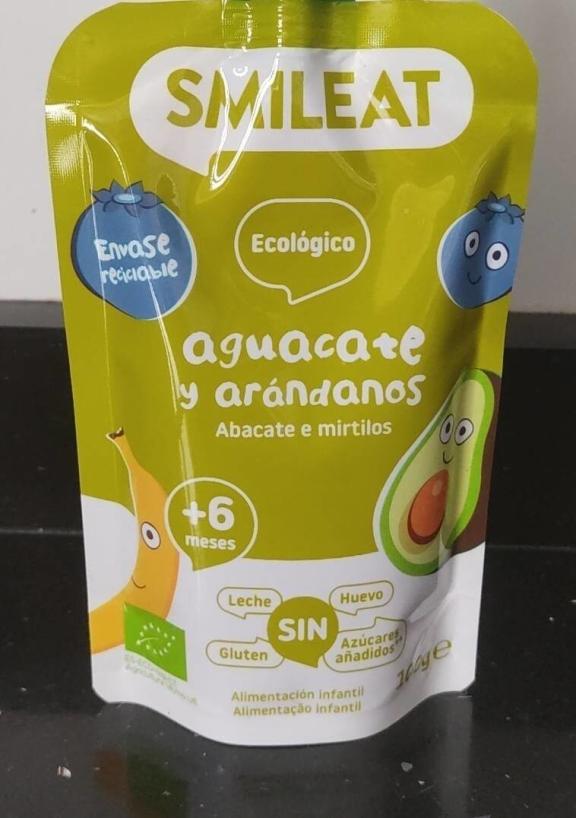
A good example of Spain’s avocado processing role is Old El Paso, a widely recognised Mexican-style retail brand in Europe owned by the US company General Mills. The Old El Paso products sold in Europe are made in a dedicated factory in Spain (San Adrián in Navarra). The factory produces tortillas as well as dips using avocado. Also, Spanish processors are innovative and launch products with avocado pulp as an ingredient in baby food (such as Smileat’s blueberry and avocado purée) and vegan spreads (Mercadona’s hummus with avocado and chickpeas).
The most promising formats of processed avocado are frozen (for the foodservice sector) and aseptic (for bulk industrial use). There is an increasing demand for chilled ‘fresh-like’ avocado pulp processed via HPP. A few Spanish companies (Montosa, Caña Nature) process avocados.
Figure 3: Blueberry and avocado baby purée (Smileat brand)
Source: Photo by kiliweb per Open Food Facts, licensed under CC BY-SA 3.0
Tips:
- Offer Spanish buyers 2 clear propositions: bulk frozen pulp for cost and availability, and premium HPP processed ‘fresh-like’ pulp for suppliers of chilled retail food.
- Use Spanish buyers as a gateway to Europe. Many Spanish companies sell in several European countries, and a processor in Spain can help you enter these markets as well.
Germany: Europe’s leading organic market with a strong chilled segment
According to industry insights, Germany’s avocado pulp imports can be roughly estimated at a level similar to Spain’s, exceeding 1,500 tonnes. Imports are also expected to continue growing and may reach more than 2,000 tonnes by 2030. Germany’s import structure is different from Spain’s. Frozen avocado pulp is the main product imported from avocado-producing countries, with Peru as leading supplier. Guacamole is imported more from Spain and other European processors than directly from avocado-producing countries.
Germany is a growing market for avocado pulp in both the retail and foodservice sectors. Guacamole and avocado-based salsa dips are widely available across mainstream retail channels, including supermarket chains (EDEKA, REWE) and discounters (Lidl, ALDI). In foodservice, Germany is an important market for avocado products used in local processing, while some traders (such as Henry Lamotte Food) also serve other European markets.
German consumers show an interest in foods that are seen as natural and nutritious. They look at front-of-pack labelling such as Nutri-Score, which has been adopted by major retail chains. The clean-label trend is also relevant in this market. Avocado dips are often marketed as products made with natural ingredients and spices, while colour is preserved with natural citrus juices like lime. These products are typically made from frozen avocado pulp or processed by using HPP. They are usually sold chilled and have a relatively short shelf life because of this.
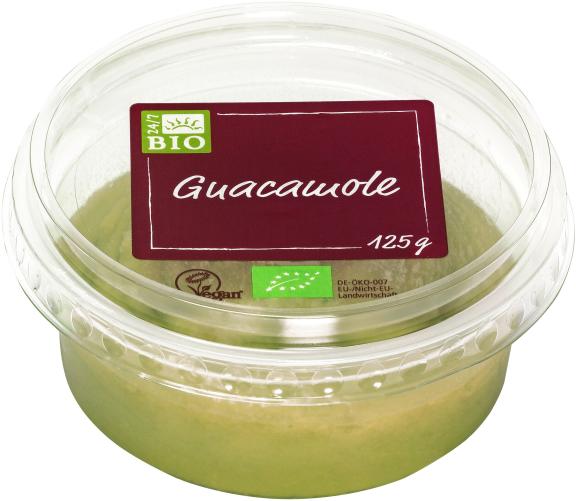
Germany can be an attractive market for exporters from low- and middle-income countries if they meet strict compliance and certification requirements. Organic certification is especially important, as Germany has the largest organic market in Europe and offers good opportunities in this segment. According to industry insights, the organic offer in the avocado pulp category is still relatively limited and includes only a few specialised companies (such as bio-verde). This creates room for suppliers targeting specialised organic retailers (such as BioMarkt, Alnatura).
Figure 4: An organic guacamole brand
Source: Photo by org-alnatura per Open Food Facts, licensed under CC BY-SA 3.0
In the foodservice segment, suppliers to restaurants position guacamole as a trendy dip and spread for burgers, wraps and other convenience meals. Foodservice manufacturers also sell guacamole in 1-kg packs. These manufacturers may be more open to products containing officially permitted additives like xanthan gum or acidifiers like citric acid.
Tip:
- Do not target German retailers directly. First contact importers and processors that supply organic brands and foodservice producers, and offer organic frozen pulp with full traceability, stable colour and samples for clean-label guacamole recipes.
United Kingdom: Strong demand for chilled dips and Mexican food
The UK market for avocado pulp is growing and is currently estimated at more than 3,000 tonnes. Over the next 5years, it is expected to increase to over 4,000 tonnes. Imports of aseptic and frozen pulp appear to be similar, at around 1,300–1,400 tonnes each. Most guacamole is either imported from Spain or produced locally, while South American suppliers account for only a small share.
The UK offers good opportunities for exporters of avocado pulp, as the popularity of Mexican food is among the highest in Europe. Consumer survey data show that British consumers choose Mexican cuisine more often than most other European consumers. The UK is a relatively well-developed market for products using avocado pulp, like sauces, dips, burritos and tacos. This popularity is also reflected in the foodservice industry: Mexican-inspired fast-food chain Taco Bell operates around 140 restaurants in the UK, making it one of its largest networks in Europe.
In the UK, avocado pulp-based dips and sauces are mostly sold as private label, but branded products are also presented as premium. They position themselves as clean-label and minimally processed. The UK market can be divided into 2 segments, one premium segment consisting of avocado pulp without additives and a mainstream segment containing the addition of preservatives and dried ingredients. You can explore both segments and offer a variety of avocado pulp formulations.
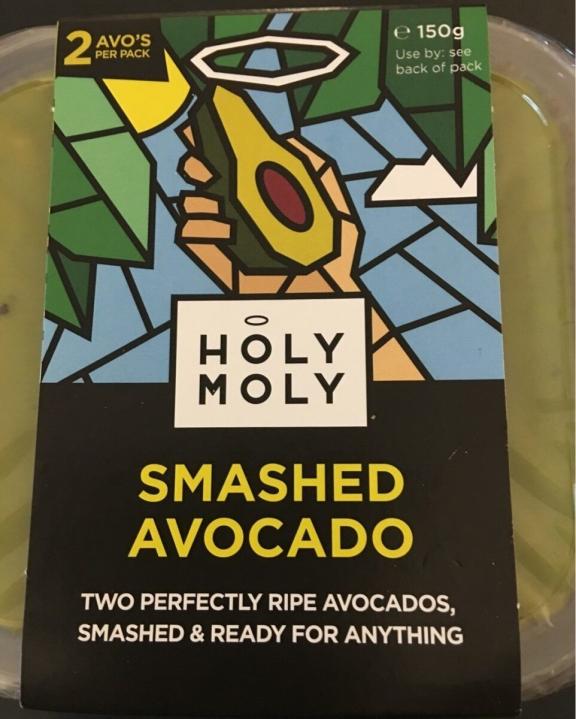
Another characteristic of the UK market is the presence of a relatively high number of traders, compared to other European markets. Traders range from wide-category wholesalers (such as Kiril Mischeff) to specialised foodservice suppliers (such as Food Fellas), frozen food traders (such as Florigin), Mexican food suppliers (such as MX Foods) and avocado dips specialists (such as Holy Moly).
Figure 5: An avocado pulp brand (Holy Moly)
Source: Photo by kiliweb per Open Food Facts, licensed under CC BY-SA 3.0
Socially conscious consumers represent a special niche in the UK. Fairtrade products are popular, with sales generating a significant Fairtrade Premium for producer communities. However, Fairtrade avocado pulp does not appear a lot in mainstream UK assortments. Exporters can research this opportunity as a targeted project and not as a standard requirement.
Tips:
- Diversify your offer to the UK market. Prepare one ‘value’ product specification for private label price pressure, plus a ‘premium’ specification for buyers from the premium segment.
The Netherlands: Guacamole trader with a strong focus on sustainable sourcing
The Netherlands is estimated to import nearly 1,000 tonnes of avocado pulp, with volumes expected to reach about 1,500 tonnes by 2030. Its guacamole trade is much larger, at around 4,500 tonnes, making it the leading European import and trading hub. However, this does not mean that the market is easy to enter for suppliers from low- and middle-income countries. Most volumes are handled by a few Mexican companies. One major example is RV Fresh Foods, which distributes through its Dutch company in Breda and sources from its Mexican processing operations.
The Netherlands offers strong opportunities for exporters of avocado pulp. It combines an active food industry, strong logistics, and specialist suppliers of avocado pulp and guacamole. The Netherlands also functions as a trade hub for food ingredients into other European markets. Dutch traders either re-export avocado pulp unchanged or after value addition, which can help emerging suppliers reach diverse European markets.
In the Netherlands, avocado pulp is equally traded through frozen fruit and specialised juice ingredient suppliers (such as SVZ), professional foodservice suppliers (such as LA Streetfood) and highly specialised avocado products companies (such as Salud Group). Dutch importers and processors use avocado pulp as a base for guacamole and other avocado preparations, then pack and distribute it in multiple pack sizes. Dutch retail chains use avocado pulp not only as a dip, but also as a component in ready-made meals and meal salads.
In the Dutch market, sustainability can strengthen the position of avocado pulp, especially when it is linked to clear and reliable stories. Fairtrade product sales in the Netherlands are increasing. This suggests that ethical labels are visible to consumers and can add value to your offer. Sustainability can also be communicated through waste reduction. Albert Heijn, a leading Dutch retail chain, shows that avocados can be used more efficiently. This is done by turning suitable batches into guacamole or individually quick frozen (IQF) products, while peels and pits can be reused or composted.
Tip:
- Offer a stable supply to Dutch importers all year to show your reliability and ability to reach other European markets through the Netherlands. You can achieve this by offering frozen pulp or HPP-treated pulp with natural ingredients like citrus juices.
France: Multi-channel market with premium potential
France’s imports of avocado pulp are estimated at approximately 1,000 tonnes, with predicted annual growth of 3–5% over the next five years. Peru appears to be the leading supplier, followed by Spain. A large share of avocado pulp imported into France is traded through European hubs like the Netherlands and Spain. This creates opportunities for exporters from low- and middle-income countries, as importers may seek to source more directly from origin.
France offers a stable, multi-channel route for avocado pulp exporters. Industry sources show a demand for aseptic and frozen pulp and for ready-to-use products like chilled or frozen guacamole. This divides market entry into two export routes: frozen pulp for processors and foodservice suppliers, and premium chilled or cold-processed products for organic and quality-led buyers. Exporters should focus on consistent colour, strong traceability and maintenance of the cold chain.
Avocado-based dips are widely available on the French market in different formats. Private-label products account for most sales, though independent brands have a stronger presence than in several other European markets. Retailers are also marketing their own avocado-based dips as similar-quality alternatives to branded products by offering both standard and premium lines. For example, French retailer Carrefour sells a standard guacamole dip containing preservatives, colourings and added water, as well as a ‘Guacamole Extra’ with 95% avocado content.
Frozen avocado pulp is the most traded form used by foodservice suppliers and processors. Frozen pulp is traded by different types of importers, including frozen food companies (such as Picard), specialised restaurant suppliers (such as SDV Les Marchés du Monde) and premium food manufacturers (such as Labeyrie Fine Foods).
Tip:
- Use French trade fairs to find avocado processors and distributors. Visit the SIAL Paris in October for leading bulk traders and Natexpo in September for organic food traders.
Italy: Ingredient market with an emerging local competition
The Italian market for avocado pulp is smaller than the five markets described above. Total import volume is estimated at less than 500 tonnes. Demand is expected to grow, mainly because of to healthy eating trends. There are also many specialised fast-food chains and foodservice operators that use avocado in sandwiches, salads, bowls and Mexican-style products. Growth is likely to remain moderate, at around 2–4% per year over the next 3–5 years. Italian specialised traders import most avocado pulp from Spain, Belgium and the Netherlands, rather than directly from avocado-producing countries.
Italy shows a specific development in offering avocado pulp in the retail segment. This is different from most other European markets, where guacamole is the main product sold to final consumers. Italy also has a strong foodservice demand for frozen avocado pulp. At the same time, it is developing its own avocado production and processing. Italy could become a new competitor in the HPP segment. In 2026, Masseria Fruttirossi presented 100% Italian avocado pulp sold under the brand Lome Super Fruit.
Sustainability claims are also becoming more important to Italian consumers. FederBio reports that organic product sales in Italy reached €6.9 billion in 2025, up by 6.2% compared with 2024. Domestic organic food consumption reached €5.5 billion, while organic consumption outside the home reached €1.35 billion. This supports buyer interest in clear sustainability communication, including traceability, recyclable packaging and plant-based formulations.
Exporters can improve their chances on the Italian market by offering strong proof of farmer support, labour conditions and organic certification. One example is La Bonanza Avocados from Mexico, which already exports avocado products to France. The company communicates that it sources from its own orchards and trusted family farms, listing buyer-relevant certifications like SMETA, BRCGS and USDA Organic. This shows that exporters should support sustainability claims with clear evidence, not only with general statements.
Italy is more than a simple guacamole market. For exporters, the main opportunity seems to be in supplying avocado pulp as an ingredient for further use, especially to foodservice suppliers and processors that prefer plain ready-to-use pulp over seasoned dips. This means that buyers may value a neutral taste, stable colour after thawing, suitable pack sizes and reliable year-round supply as much as the price itself.
Tip:
- Visit TUTTOFOOD to get in touch with Italian traders and processors or Marca by BolognaFiere to meet suppliers of retail chains.
4. Which trends offer opportunities or pose threats to the European avocado pulp market?
The European avocado pulp market is being shaped by 2 closely linked developments. On the product side, HPP supports the growth of fresh-like and clean-label avocado pulp. At the same time, sustainability is moving from a marketing claim to a market requirement, with buyers paying more attention to environmental and social risks, packaging and food waste. This means that exporters are more likely to succeed if they offer not only a good product but also reliable proof on quality, traceability and responsible sourcing.
Innovative processing technology supporting a fresh-like and clean label trend
HPP is becoming an important trend for avocado pulp. It is a non-thermal preservation method in which sealed avocado pulp is exposed to very high pressure without heat treatment. This allows avocado processors to produce fresh-like avocado pulp and to extend shelf life up to 60 days without adding preservatives, keeping a natural green colour. According to the HPP technology company Hiperbaric, HPP technology implementation is growing annually at a rate of 16%, processing 600 million litres of products.
This trend is following 2 developments in Europe: fresh-like convenience and a clean label. Buyers do not only want avocado pulp that is ready to use. They also want a product that requires fewer additives, has a stable colour and produces less waste in the chain. Natural avocado pulp is an excellent source of healthy monounsaturated and polyunsaturated fats, fibre, potassium, vitamin B6, vitamin C, vitamin E and carotenoids. With high temperature content these nutrients would decrease, meaning that HPP is an ideal solution for fresh-like products.
A recent European-wide sign of the clean-label trend comes from Innova Market Insights. Their report found that 1 in 2 European consumers prefer a natural or clean-label approach to healthy eating, while over half bought fresh and unprocessed foods in the past year. This trend is clearly seen in the European avocado pulp market. In the UK, Tesco markets its guacamole with ‘no artificial preservatives, flavours or colours’, while Waitrose sells its Holy Moly guacamole as ‘100% natural’ and ‘free from preservatives’. In the Netherlands, Salud Foodgroup markets HPP avocado products as clean-label, ready-to-use and designed for less waste.
A good practical example of how HPP technology is used is the Colombia-based company La Fábrica de la Felicidad. The company processes avocados and sells products under the brand name Juancamole. In 2022 they introduced HPP technology, which let them enter strict markets like Europe. Harmful bacteria develop quickly on avocados grown in the tropical conditions of the Colombian climate. This makes HPP a good solution that does not lower nutritional values.
The company has launched a very innovative product: a vacuum-packed avocado for food service use. Restaurants can open the pack and quickly prepare guacamole, creams, juices and other avocado-based dishes.
Sustainability is now part of product specification
Sustainability is no longer merely a marketing claim, but becoming part of the product specification for avocado pulp. European buyers are paying more attention to water use, labour conditions and land-use risks in avocado supply chains. ALDI SOUTH Group’s assessment of avocados from Peru identifies water scarcity, labour rights and working conditions as main challenges in sourcing. Climate Rights International also links avocado expansion in some regions to deforestation concerns.
European corporate sustainability due diligence rules require large companies to identify and address adverse human rights and environmental impacts across their value chains. In practice, this means companies with more than 5,000 employees and more than €1.5 billion in net turnover. For avocado pulp exporters, this means that more and more buyers need proof and not only general sustainability statements.
Packaging and food waste are adding further pressure. The EU Packaging and Packaging Waste Regulation entered into force on 11 February 2025 and will apply from 12 August 2026. It aims to make packaging on the EU market recyclable by 2030 and pushes companies to rethink packaging design and materials. For exporters of avocado pulp to Europe, the major implication is that from August 2026 food-contact packaging cannot be placed on the market if content of per- and polyfluoroalkyl substances is above 25 ppb.
At the same time, the 2025 amendment of the Waste Framework Directive introduced binding food waste reduction targets for 2030, including a 10% reduction in processing and manufacturing and a 30% per capita reduction at retail and consumption. For avocado pulp, this supports longer-life formats, better portion control and clearer packaging choices.
For exporters from low- and middle-income countries, this trend creates both opportunities and risks. Suppliers that can show traceability, good water management, labour safeguards and clear packaging data can improve their chances on the European markets. A useful example comes from the Dutch supplier Salud Foodgroup. Their 2024 sustainability report states that it uses the WWF Water Risk Filter to classify sourcing regions by risk level and offer tailored water-management support to producers.
In the short term, buyers are likely to require more questionnaires, audits and packaging information. In the longer term, digital traceability and regular reporting on water, climate and social issues are likely to become more common in supply contracts. Organic lines may also offer opportunities where the supply is steady and credible, as FiBL reports that organic retail sales in Europe have risen to nearly €60 billion.
Tips:
- Read Hiperbaric resources to learn more about the implementation of HPP technology in avocado pulp processing.
- Offer proof of sustainable processing related to water use, traceability and labour conditions, such as SMETA or BSCI, by sharing your audit reports with your buyers.
- Read more about sustainability, convenience and health trends in the CBI study on trends in the European market for processed fruit, vegetables and edible nuts.
- The CBI study on fresh avocados has more about trends related to the health claims on avocados.
Autentika Global carried out this study on behalf of CBI.
Please review our market information disclaimer.
Search
Enter search terms to find market research