

The European market potential for almonds
Europe buys around half of the world’s almonds because local harvests cannot meet the demand. Healthy and plant-based trends fuel snacks, drinks and bakery uses, while buyers now favour almonds that save water, are organic and carry proof of social compliance. Spain, Germany, Italy, France, the Netherlands and the United Kingdom are the largest markets, with Poland and other Eastern European markets growing fast. Exporters from developing countries that offer clean, certified or special premium cultivars can enter niche segments and attract buyers with strong quality control and clear origin stories.
Contents of this page
1. Product description: almonds
In this study, almonds are defined as the edible seeds (kernels) of the almond tree (Prunus amygdalus/Prunus dulcis), commonly referred to as a nut. Botanically, the almond fruit is called a drupe and has 3 main layers:
- Hull – outer green shell (50-60% of the total weight);
- Shell – hard seed (20-30%);
- Kernel – edible seed covered with skin (15-25%).
This study analyses mostly the almond kernels market, as it represents more than 95% of European trade. In-shell almonds are imported in smaller quantities, not as an edible product, but as a raw material for further processing. Most almond kernels are traded as dry, whole and with skin. They can be also traded without skin (blanched), cut into various shapes or ground into powder.
Almond processors use assorted equipment and technology, but the common processing steps are summarised below:
- Harvesting – in modern orchards, usually with mechanical shakers, although it can be done manually.
- Drying – naturally for 7 to 10 days below the trees in arid climates, or after almonds are transported to the processing facility.
- Pre-cleaning – removal of sticks, stones, twigs and other foreign materials.
- Hulling – with vibrating equipment to loosen and remove hulls.
- Shelling/cracking – classifying almonds by size and removing shells without damaging the kernel.
- Sorting and removal of defect kernels – commonly done with optical sorters.
- Sizing – according to industry standards.
- Pasteurisation – obligatory in the USA, but not always used in other almond-producing countries.
- Packaging – after the final check with metal detectors.
This study covers general information regarding the almond market in Europe that is of interest to producers in developing countries. When the study refers to ‘Europe’, it includes the 27 member states of the European Union (EU), plus the United Kingdom, Switzerland, Norway, Iceland and Liechtenstein. Developing countries are defined as the countries that are listed as official development assistance recipients.
For statistical analysis, the following combined nomenclature codes are used:
Table 1: Products in the almond product group
Combined Nomenclature number | Product |
|---|---|
| 08021290 | Fresh or dried sweet almonds, shelled |
| 08021210 | Fresh or dried bitter almonds, shelled |
Source: EU Regulation (EU) 2024/2522
2. What makes Europe an interesting market for almonds?
Europe is the largest importer of almonds in the world, accounting for approximately half of global imports. Among the top 10 global importers of almonds, 5 countries are from Europe. Europe is also the second-largest producer of almonds, and consumers are very familiar with this product. Still, European production is not enough to satisfy European consumer demand, which highly depends on imports, especially from the USA. To reduce the dependency on a single origin, some European traders are looking for possibilities to diversify sourcing.
Opportunities for almond suppliers from emerging origins can be found in various market segments, such as:
- Almond producers, packers and roasting companies (which often want to diversify their supply by importing from different origins);
- Food-processing companies (using almonds as ingredients in bakery and confectionery, ice cream, healthy snacks, breakfast cereals, plant-based milk substitutes and others);
- Nuts and dried fruit traders (supplying various industry segments).
The demand for almonds in Europe is driven by rising consumer interest in plant-based proteins, healthy snacking, vegan milk alternatives and sustainability. Those trends are specifically relevant for younger consumers. In addition to modern trends, almonds are also very popular as traditional salty and roasted snacks and as ingredient in the confectionary industry, to make products like chocolates, marzipan and nougat. Consumption is also strongly promoted by the leading suppliers, especially from California, who sometimes target specific markets.
Source: Autentika Global and ITC Trade Map, 2025
Over the last 5 years, the European market for almonds has grown by an average annual rate of 1% in quantity, but decreased by 5% in value. This difference indicates decreasing prices on the international almonds market. In 2024, European imports of almonds, including internal European trade, reached 472 thousand tonnes at a value of €2.1 billion. The leading intra-European supplier is Spain, while the USA is the main non-European supplier.
Almonds are mostly imported as shelled, but European countries also trade 50 to 90 tonnes of in-shell almonds annually. In-shell almonds are mostly used as a raw material for leading processing countries, and they are rarely imported from outside Europe. Most trading of in-shell almonds takes place between Spain, Italy and Portugal. Some of this trade is part of integrated companies with almond-growing activities in different countries.
It is also worth mentioning that, apart from sweet almonds, Europe also imports bitter almonds. Bitter almonds are a distinct variety of almond (from Prunus amygdalus var. amara) that is not typically consumed as food. This is due to their natural content of amygdalin, a compound that breaks down into hydrogen cyanide, which is toxic. They are used as an ingredient mostly in cosmetics, pharmaceuticals and the flavouring industry. Europe imports over 1.5 thousand tonnes of bitter almonds from Morocco, Afghanistan, Türkiye, Syria, Iran and Central Asia.
Consumption characteristics
Almond consumption in Europe shows a rising trend. However, real demand is difficult to estimate due to fluctuations in the global supply. In the years when the global supply runs out, it is reflected in consumption. In the years when production is lower than average and when there are not enough stocks, consumption is smaller simply because there is insufficient supply on the international market. Fluctuations also influence prices, and in years when harvests are low globally, almonds become more expensive.
Another difficulty in estimating exact consumption is the absence of reliable information on stocks in Europe. Leading producing countries usually report on their stocks and the total supply, but this information is not always available from European traders. In addition, commercial market intelligence sources report data on retail chains but often omit reliable information on sales in traditional open markets or ethnic supermarkets, or to food service and industry ingredient users.
According to INC data, the total European consumption of almond kernels is rising at a stable rate. In 2023, consumption in Europe reached a peak of 522 thousand tonnes. The leading market is Spain, followed by Italy, Germany and France. The Netherlands is the 4th almond consumer, but this may be a statistical overestimation because the Netherlands acts more like a transit country than a final consumer. Spain is also the strongest consumer per capita, with an estimated 4.6kg/year.
The consumption of almonds in Europe is connected to a number of things:
- A ‘healthy snack’ image;
- Increasing new product launches of plant-based protein snacks;
- A pleasant taste;
- Plant-based milk substitutes (almond milk);
- Gluten-free and dairy-free claims;
- The popularity of keto diets;
- An increasing availability of almond-based culinary ingredients (chopped almonds, almond powder, almond paste, etc.);
- A stable traditional use as a salty roasted snack, in ice cream toppings, and in nougat and marzipan products.
The import of almonds to Europe shows a seasonal pattern related to the Californian harvest, which usually takes place from late August, with more shipments in September and October. The seasonal pattern is also related to the higher consumption during the Christmas holidays. To be ready for the Christmas season, almonds are imported to Europe in larger volumes in October and November. During Christmas, almonds are consumed as a snack and as ingredient in traditional pastries such as ‘stollen’ in Germany and ‘banketstaaf’ in the Netherlands.
Source: INC, 2025
Tip:
- Become a member of the International Nut & Dried Fruit Council (INC) to be updated about almond production, consumption and international market developments.
3. Which European countries offer the most opportunities for almonds?
Spain, Germany, Italy, France, the Netherlands and the United Kingdom remain the core opportunity markets for developing-country exporters because they already absorb over four-fifths of Europe’s almond imports. Still, they provide different opportunities. Spain and Italy are almond-growing countries but need additional quantities for processing and re-export. Germany is Europe’s biggest user of organic almonds and a huge marzipan and plant-drink hub. The Netherlands is the logistics gateway. France and the UK reward suppliers that can deliver premium or innovative almond ingredients for dynamic pastry, snack and dairy-alternative segments.
Source: Autentika Global and ITC Trade Map, 2025
The leading European importer of almonds in 2024 was Spain, with a 21% share, followed by Germany (20%), Italy (15%), France (11%), the Netherlands (8%) and the United Kingdom (5%). Since 2020, the largest growth in almond imports was in Poland, at a stable rate of 10% annually – from 8.5 thousand tonnes in 2020 to 12.5 thousand tonnes in 2024. Other fast-growing markets are Portugal and countries in Eastern Europe (especially Bulgaria and Romania).
Source: Autentika Global and ITC Trade Map, 2025
The largest almond markets in Europe are also among the most attractive for suppliers from developing countries. As shown in Figure 3, these markets offer various opportunities:
- Spain and Italy are both major producers, but also rely on imports to supplement the domestic supply, particularly for processing and re-export;
- Germany is a leading consumer and processing hub, with a strong and growing demand for organic almonds;
- The Netherlands functions as a key trade gateway, re-exporting a large share of its almond imports across Europe;
- France and the United Kingdom stand out for their innovative food sectors and growing demand for natural and premium almond products.
These countries import large volumes plus align with trends such as health-focused consumption, sustainability and plant-based nutrition. All of these create promising entry points for developing-country exporters.
Germany: leading European importer of organic almonds and strong industry user
Since 2020, the import of almonds to Germany has dropped at an annual rate of 3%, mostly due to price inflation. In 2024 imports reached 95.6 thousand tonnes, at a value of €451 million. The leading supplier in 2024 was the USA, with a 57% import share, followed by Spain (26%), the Netherlands (5%), Australia (5%) and Italy (3%). The leading developing-country suppliers are Morocco and Türkiye. Türkiye is gaining market share in Germany, increasing its export from 22 tonnes in 2020 to 328 tonnes in 2024.
Although the German conventional almonds market is shrinking, the market for organic almonds keeps growing. In 2024, Germany imported 1.1 thousand tonnes of organic almonds from non-European countries, accounting for almost 90% of the total European import of organic almonds. Organic almonds are often sold under the private labels of Germany’s main retail chains, as well as under independent brands or private labels of specialised organic retailers like BioMarkt, Alnatura, tegut…, ebl-Naturkost, dm and SuperBioMarkt.
Almonds are a key ingredient in the German baking industry and are increasingly popular as snacks and in cereals. A rough estimate is that the German marzipan industry alone uses 15 thousand tonnes of blanched almonds to produce around 30 thousand tonnes of marzipan annually. The leading user is Niederegger, which produces up to 30 tonnes of marzipan per day. The fastest-growing almond ingredient segment is almond milk. As of early 2025, almond milk sales were up 43% year-on-year, far outpacing oat milk’s growth of 0.7%.
Many almonds arrive via the port of Hamburg, a historic hub for nut trade. Germany’s channels are quite consolidated. Large import volumes are handled by a few big companies, while numerous smaller wholesalers supply different market segments. Key segments in Germany include packing and roasting companies (like Omnitrade), independent brands (Seeberger, Kluth, Max Kiene) and industrial users (confectionery and bakery producers like Ritter Sport, marzipan manufacturers like Lübeck Marzipan, or biscuit makers).
Figure 5: A private label of ground almonds (Belbake private label by German discounter Lidl)
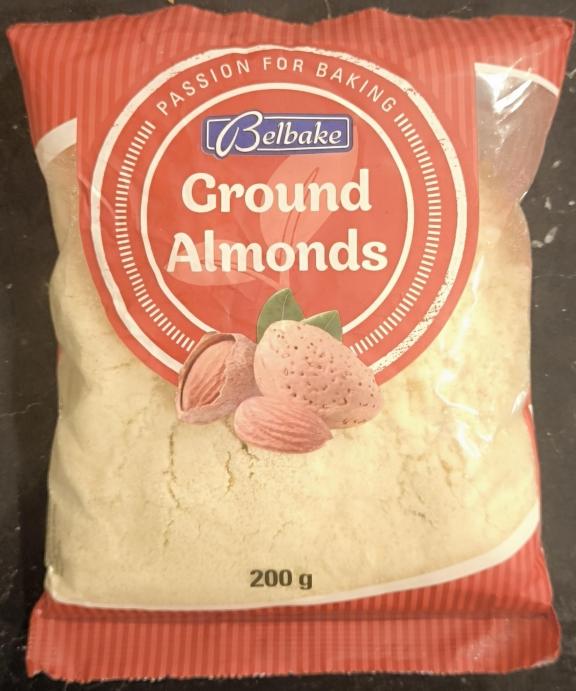
Source: Autentika Global
Tips:
- Consider organic certification to enter the German almond market more easily. To boost your chances in the organic German market, opt for advanced certification schemes like Naturland or Demeter.
- Raise the interest of German buyers by investing in sustainability (like water-saving irrigation, fair labour practices or carbon-neutral shipping). Water savings and a decreased carbon footprint can help you compete with large industrial suppliers from California.
- Find almond traders in Germany through the website of a specialised German trade association (Waren-Verein).
The Netherlands: trade hub
The Netherlands is a major European trade hub for almonds. Its strategic ports make it a key entry point to Europe for almond suppliers. As in other markets, Dutch import of almonds has been fluctuating due to a variable global supply. In 2024, the Netherlands imported 39 thousand tonnes of almonds, worth €175 million. The leading supplier is the USA with 91% of import share, followed by Spain, Australia and Vietnam. Suppliers from developing countries, including Morocco and Türkiye, are represented with a modest share.
As a trade hub, the Netherlands re-exports around 70% of all imported almonds to other European countries. Another feature of the Dutch market is its openness to new origins. Dutch importers will source almonds from California and Spain but also try new suppliers if the price and quality are right. In terms of pricing trends, the Netherlands benefits from scale and logistics efficiency. Almonds are often priced competitively here (Rotterdam is a major entry port with large volumes coming in).
The Netherlands has a relatively small population, but per capita the nut consumption is high, and almonds are popular as a snack and as almond paste in filled pastries. At the same time, the country keeps pace with modern trends. There is a growing use of almond milk, almond protein snacks, flavoured almonds (smoke, chili, herbs) and small-portion packs or mixes. Sustainability is a notable trend. Dutch buyers care about environmental impact, so issues like water use in almond farming and pesticide residues get attention.
Figure 6: Almond paste, private label by Albert Heijn
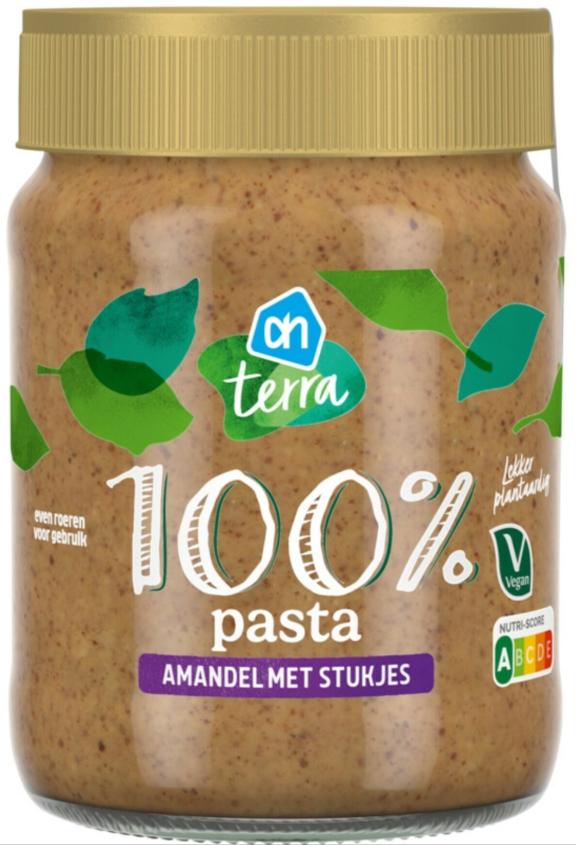
Source: boterman76 via Open Food Facts, under the Creative Commons Attribution-ShareAlike 3.0 Unported license
Opportunities include the country’s many importers, as they are often looking for competitive new sources. If an SME can offer reliable quality at a slightly better price, Dutch traders will be interested. Key players include large international companies (like Olam), wholesale importers (Rhumveld, Nutland, Tovano) and retail brands (private labels and independent brands like Duyvis). There is also an opportunity in supplying specific niches – for instance blanched almond meal for Dutch bakeries or organic fairtrade almonds for speciality health retailers.
Tips:
- Use the Netherlands as an entry point to Europe by building a relationship with Dutch trading partners. They can distribute your almonds onwards to multiple EU markets, multiplying your reach.
- Make sure that every batch has a certificate of analysis for aflatoxin and meets EU standards. A single failed test at Rotterdam can block your product across Europe.
- Be ready for volume and a quick turnaround. Dutch buyers often take large shipments and may request prompt delivery. Have a solid logistics plan and consider using Rotterdam’s cold storage or warehousing if you plan to supply on-demand to various clients.
Italy: deep roots of almonds in national cuisine and growing new uses
The demand for almonds in Italy is strong. While most of Italy’s imports in 2024 dropped, its almond imports continued to grow. Over the past 5 years, almond imports to Italy grew at an annual rate of 5%, reaching 71.4 thousand tonnes in 2024 at a value of €321 million. More than half (54%) of almonds were imported from the United States, followed by Spain (38%) and the Netherlands (4%), the latter acting as a transit country. In addition to import, Italy also produces over 20 thousand tonnes of almonds on average.
Almonds hold a special place in Italy’s culinary heritage. They are used in traditional sweets like confetti (sugar almonds at weddings), torroncini (nougats), amaretti cookies, and the famous Italian ice cream (gelato). This cultural affinity means a steady baseline demand. Consumption is also supported by trends like healthy snacking and almond milks (like Granarolo). Health awareness is rising among Italians: for example, nutritionists often recommend a daily handful of almonds as part of a Mediterranean diet.
Another trend is innovation in formats. In line with fitness and wellness trends, there are more almond bars, energy bites, and almond butter spreads in Italian organic shops. At the same time, there is price sensitivity. Italian confectioners closely watch almond prices, as a spike can hurt their margins. The Italian market is unique in promoting nuts through small packaging sold at €1. Locally produced almonds can achieve better retail prices and they are often promoted (with ‘100% Italian almonds’ labels) to support local growers.
Figure 7: 40g packaging of almonds sold for €0.99 in Italy (packed by Euro Company)
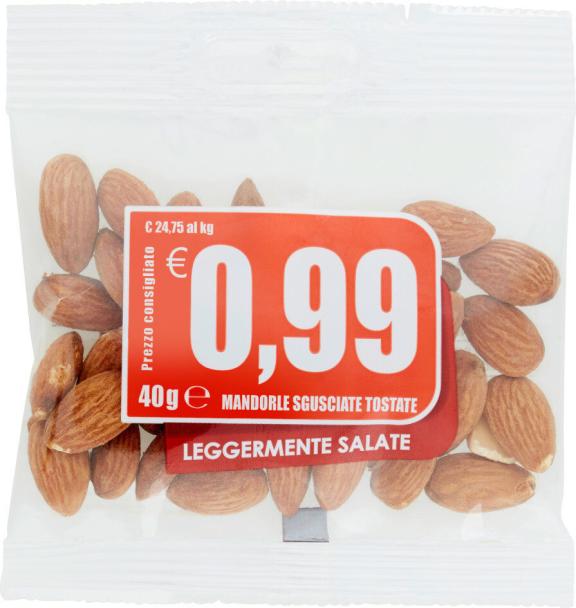
Source: kiliweb via Open Food Facts, under the Creative Commons Attribution-ShareAlike 3.0 Unported license
Italy’s almond channels are split between domestic production and imports. The key players on the import side include specialised traders, often based near port cities like Naples (Besana), and packers (Noberasco). Large confectionery companies (like Ferrero for products like Rafaello) also require almonds. In addition, many small pastry shops and gelaterias buy almonds (whole, sliced, flour, paste) from wholesalers. Italy was ranked among the top 10 countries for almond product innovations.
Tips:
- Meet the specific quality expectations of the Italian almond-processing industry. For example, offer samples showing your almonds’ sweetness or suitable size for confetti. Italy is a market where taste and appearance matter immensely.
- Align shipments with Italy’s Christmas demand. Ensure availability well before the Christmas confectionery production rush.
Spain: Europe’s largest almond producer and a top importer
Spain has a centuries-old almond cultivation tradition, national almond products (like marzipan from Toledo and Turrón from Alicante) and an almond-rich Mediterranean cuisine (like Ajoblanco). This means that almonds are deeply ingrained in the food culture. Spain’s own almond-growing area is expanding, but Spanish processors still rely on imports. On average, they import around 100 thousand tonnes per year. In 2024, the leading supplier was the USA with a 71% import share, followed by Portugal (20%), Australia (5%), Germany (2%) and the Netherlands (1%).
Spanish consumers, similarly to others, are embracing almond drinks as a lactose-free milk. This is often sold as ‘leche de almendra’ in supermarkets, along with regular milk. Another trend is export-oriented processing. Spain processes a lot of almonds into value-added forms (roasted, chopped, flour, oil) for domestic use and for export. On the sustainability front, Spanish producers promote their almonds as a local and bee-friendly choice, countering some of the criticism aimed at Californian almonds.
Spanish almond prices have traditionally been higher than Californian ones, which is why roasters sometimes prefer California for cheaper bulk. However, global oversupply has narrowed that gap, making Spanish almonds more competitive. Seasonality is also present, where every Christmas Spaniards consume large quantities of almond-based turrón and polvorones cookies. In summary, trends in Spain show a mix of leveraging tradition (quality almonds in sweets) and innovation (new almond drinks, spreads, even almond-based cosmetics).
Spain’s almond supply chain is unique as it involves a huge network of cooperatives and processors for domestic almonds as well as import flows. Major importers and nut traders like Importaco, Borges and Calconut are deeply integrated in the local and international supply chain, from tools to trace shipments to advanced packaging and roasting facilities. Mercadona, the leading Spanish retailer, sources a lot through Importaco. Roasters and packers (Frit Ravich, Frumesa) are also important in the retail supply chain.
Figure 8: A variety of traditional Spanish nougat, sold as the private label of Mercadona (Hacendado)

Source: kiliweb with additional modifications by alia via Open Food Facts, under the Creative Commons Attribution-ShareAlike 3.0 Unported license
The Spanish almond channel is a blend of domestic cooperative supply, large integrated nut companies, and dynamic import-export operations centred around Valencia and Alicante (for confections) and Catalonia (for snacks and ingredients). Almond product launches in Spain are among the most innovative in Europe. They include vitamin-fortified drinks (like those by El Almendro and organic producer Biogran), almond craft beers, new flavours (like truffle) or a combination of tradition and ‘health’ such as turrón, using 100% almonds.
Tips:
- Align shipments so they arrive well before peak production seasons (late summer for Christmas turrón manufacturing). Spanish buyers often stock up by August for year-end demand. Offer timely delivery to fit their schedule.
- Offer variety and flexibility. If you can supply different almond varieties or grades (for example premium large kernels or smaller kernels for grinding), highlight that. Spanish processors use multiple grades for different products, and being a one-stop supplier can be attractive.
France: preference for high quality with strong pastry industry demand
Over the past 5 years, French imports of almonds grew at an annual rate of 4%, with imports reaching almost 50 thousand tonnes at a value of €229 million in 2024. Unlike most other leading importers, France sources most of its almonds from Spain instead of California. In 2024, France imported 48% of its almonds from Spain, followed by the USA (33%), Germany (7%), the Netherlands (4%) and Italy (3%). Three emerging suppliers, though still with modest volumes, include Türkiye, Greece and Tunisia.
Almonds are ingrained in the French pastry industry (pâtisserie). France is Europe’s top consumer of almond meal (powdered almonds), using over 40,000 tonnes a year. Powdered almonds are used in traditional French sweets like macarons, frangipane (almond cream for galette des rois) and almond croissants. According to GFI research, in addition to traditional products, almond ‘milk’ is the leading plant milk in France, with a 35% share of milk plant alternative drink sales, ahead of soy and oat. Demand for organic almonds is also growing.
Most almonds reach France via specialised importers and nut packers. Many of them have facilities around the port of Marseille. Those packers supply significant quantities to the private labels of leading retail chains, but some of them also have their own brands, like Daco Bello, Sainte Lucie, Vahine and L’Amandaie.
For exporting SMEs from developing countries, the French market offers niches to exploit, but also strong competition. Opportunities include the growing demand for certified and speciality almonds. Importers and health-food brands are looking for organic and Fairtrade almonds to differentiate their range. For example, French companies like Agro Sourcing, Juste Bio and Vijaya are specialised in importing organic nuts, and they need reliable new sources. Another angle is offering speciality varieties (like Marcona) or origins (like Iran).
Tip:
- Check FranceAgriMer for market reports and wholesale almond prices in France (in French only).
United Kingdom: innovative market with a strong demand for almond milk alternatives
Imports of almonds to the UK have fluctuated due to variable global supply. In 2024, the country imported over 23 thousand tonnes of almonds, worth €113 million. New almond suppliers can find this market challenging, as it is dominated by the USA. In 2024, the UK imported 80% of its almonds from the USA, followed by Vietnam (8%), Spain (4%), Australia (4%) and Italy (1%).
Suppliers from developing countries hold only a small share of the UK market, with Vietnam in the lead. However, Vietnam does not grow almonds, it only processes them. Vietnam entered the UK almond market mainly through Olam International, a leading global supplier of cashews. Olam ships almonds, along with cashews, from its Vietnamese plant to the UK. This explains Vietnam’s almond exports.
Besides the traditional snack format, almonds appear in many innovative products. Their largest growth area is almond-based plant milks. Around 35% of British households buy plant-based drinks, and 1 in 4 coffees served in UK cafés now use plant milk. Alpro is a market leader in almond drinks, known for its unsweetened almond milk, while Plenish focuses on additive-free almond milks. Along with almond milk, UK companies create flavoured and coated almonds, almond butters, breakfast cereals, ketogenic nut bars and many almond-based sweets.
Figure 9: Forest Feast coated almonds
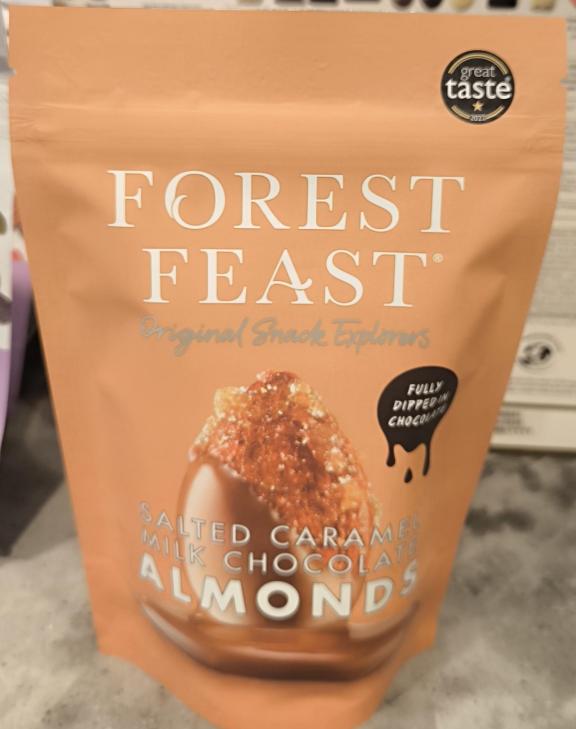
Source: Autentika Global
Most UK almonds are imported by specialised nut importers and wholesalers, then distributed to roasters, packers and food manufacturers. Some bulk importers are CG Hacking & Sons, Freeworld Trading and RM Curtis. Supermarkets predominantly sell almonds under private labels. Two major independent brands are Whitworths and Kestrel Foods (owner of the Forest Feast brand). The UK retail market is demanding. Buyers require BRCGS high-grade certification, pasteurisation and proof of social audits from almond suppliers.
Tips:
- Check the main requirements for exporting nuts to the UK market.
- Find almond traders in the UK through the database of the Nut and Dried Fruit Trade Association.
- Highlight the differences in your almonds (high sweetness, pesticide-free, unique origin, etc.) to differentiate your offer in this highly competitive market. UK buyers appreciate detailed product information and transparency (like lab test results and farming practices).
4. Which trends offer opportunities or pose threats in the European almond market?
European demand for almonds is rising, but buyers now look closely at how nuts are grown. They prefer almonds that use less water, come from organic farms and have a social compliance label. Healthy and plant-based eating trends drive sales of snacks, almond milk and protein products. As a result, quality, clean labels and positive stories about origin matter. Fast, flexible exporters from developing countries that offer certified, sustainable or special varieties can find good opportunities even when the basic market is crowded.
Sustainability concerns and organic growth in the European almond market
European buyers are increasingly prioritising sustainably produced almonds. This trend is driven by environmental concerns – especially water usage and climate impact – as well as growing consumer demand for organic and ethically sourced products. The European organic almond market is rebounding after a temporary drop in 2023 due to price inflation caused by the war in Ukraine. In 2024, the import of organic almonds from non-European countries reached 1.4 thousand tonnes, with Germany accounting for 87% of imports.
Source: EU, 2025
In Spain, for example, one-third of all almond orchards are now farmed organically. Also, most Spanish orchards are rainfed, without any irrigation. Without irrigation, Spanish production fluctuates and influences global prices, but Spanish producers like to highlight their water-saving approach and sustainability. From 1 January 2023, Spain even requires origin labels on almond packs to highlight local and sustainable sourcing and to differentiate domestic almonds from imported ones.
For developing-country exporters, aligning with this trend can be rewarding. For instance, Silk Road Organik Foods in Uzbekistan has grown from a small venture into a major organic almond supplier by using solar-powered processing and Fairtrade-certified cooperatives. Likewise, Afghan processor Ziba Foods targets eco-conscious buyers with wild-grown almonds, hand-picked by local women. Sustainable and organic almonds command premium prices and more secure market access in Europe.
The International Nuts & Dried Fruit Council is supporting sustainable almond and other nut practices with several initiatives. It published the INC Manifesto for the support and use of sustainable practices. The Manifesto includes improving water management techniques, reducing greenhouse gas emissions, increasing the use of precision farming, optimising soil management practices, and encouraging the use of ethically sourced products. In 2025, the INC introduced Sustainability Certification, a specific programme tailored to the nut and dried fruit industry.
Healthy and plant-based demand boost almond consumption
European consumers’ focus on healthy and plant-based diets continues to drive almond consumption upward. Almonds are seen as a natural, nutrient-dense snack, and as a plant-based alternative in everything from dairy-free milk to high-protein foods. Food manufacturers are responding by using almonds in more ‘clean label’ and healthy products. Almonds have become the number one nut ingredient in new European product launches, especially snacks and cereals. In fact, they are the top choice for chocolate and bakery inclusions – 86% of surveyed consumers believe almonds make chocolate bars more nutritious and healthier.
The rise of vegan and flexitarian diets also boosts demand for almond-based products like almond milk and almond protein powder. In addition to leading almond milk brands, such as Alpro, there is an increasing presence of organic almond milks with simple ingredients, without oil or gums. Almond milk is especially popular among younger consumers (aged 18-34) due to its mild taste and low calorie content. Western Europe has seen a 30% increase in new product launches featuring almond protein in the last 4 years.
This health trend offers strong opportunities for almond exporters who can cater to it. European buyers value almonds that are high-quality, safe and even novel in variety. Almonds naturally contain beneficial fats, fibre, magnesium and vitamin E, and these benefits are a selling point. Exporters can benefit from this by highlighting the nutritional profile and purity of their almonds. Stories and branding are important. Ziba Foods from Afghanistan, for example, markets its heirloom almonds as a superior ‘superfood’ with higher protein and micronutrient content than common varieties.
To promote the nutritional value of almonds, leading global producers are investing in clinical research and promoting innovative almond uses. For example, the Spanish Almonds Board (Almendrave) promotes almonds as a healthy ingredient in the Mediterranean diet. The Almond Board of California has published the Head-to-Toe Nutritional Benefits Guide. The Australian almond board publishes factsheets for health professionals targeted at diabetes, gut health, heart health, mood & cognition, and weight management.
Volatile supply, price pressure and shifting competition
Global almond market dynamics in the past 2 years have created both challenges and openings for exporters. After years of expansion, supply has at times outpaced demand, leading to periods of low prices. Massive harvests in California – which supplies roughly 80% of the world’s almonds – resulted in a price drop between 2022 and 2023. This improved affordability for buyers, but reduced margins for growers. In 2024, Californian almond prices were at their lowest level in history.
Lower prices stimulate the use of almonds in new products (which can benefit efficient suppliers), but exporters in developing countries may struggle to compete on cost against large-scale US, Spanish or Australian producers. Direct imports from developing countries are still modest, because market entry is difficult for them when prices in leading producing countries are low.
The situation does seem to be improving for almond suppliers. By mid-2024, global almond inventories started shrinking and prices started to rebound as demand caught up. Looking ahead, competition and trade shifts are expected to reshape the European market. Spain has rapidly increasing production. The 2024-2025 Spanish crop is forecast at about 374 thousand tonnes, which is a strong recovery from last year. Spanish growers now not only supply their home market, but also export processed almonds in bulk.
Political and legal developments are also changing trade flows. Notably, the EU has announced a new 25% retaliatory import duty on US almonds, effective from December 2025. European importers are already adjusting and many are rushing to stock up on Californian almonds before the tariff hits. In the longer term, such a tariff could make non-US almonds relatively more competitive in Europe. Emerging suppliers in the Middle East and Central Asia might use this opportunity to increase their market shares in Europe.
This could open a window of opportunity for developing-country exporters that can meet European standards. For instance, suppliers in countries like Uzbekistan, Türkiye or Morocco may find European buyers more open to new origins if US almonds become more expensive.
Exporters should also watch niche market shifts. When the mainstream almond supply is abundant and cheap, speciality almonds can offer opportunities. For example, the premium ‘Mamra’ almonds, grown in Afghanistan and Iran, have a distinctive high oil content and sweet taste, which can be attractive for certain buyers. Developing-country SMEs that focus on such niches (such as unique variety, superior quality or value-added forms) can find a place on the European market despite volatile commodity prices.
Tips:
- Invest in sustainability and certification to align your offer with European market values. Activities you can consider in almond harvesting and processing can be water-efficient irrigation, renewable energy use, certifications like organic or Fairtrade, and social audits (like SMETA or BSCI). Highlight these efforts in your marketing. For instance, obtain EU organic certification if possible and document your carbon footprint improvements.
- A good way to have strong proof of a sustainable approach is investment in national and more advanced organic certification such as Naturland (Germany), Bio Suisse (Switzerland), Demeter (Germany) or KRAV (Sweden). These certification schemes focus on organic agricultural practices plus incorporate stricter rules, like those on biodiversity or sustainable irrigation. They likewise include social responsibility aspects.
- Highlight quality, health and story. Inform consumers about nutrition (protein, vitamins, etc.) and ensure high quality (proper sorting, aflatoxin control, etc.). Use storytelling to your advantage. Share the unique origin of your almonds, traditional farming methods, or community impact.
- Differentiate your product and target niches. Do not compete with big producers on volume and price alone. Instead, find a niche or unique selling point. This could be a superior cultivar (for example extra-large or high-oil almonds for gourmet uses), innovative processing (seasoned almond snacks, almond flour, oil), or tailored services (flexible packaging, mixed nut assortments). By offering something different – whether it’s quality, format or service – you avoid the mass market and make it harder for buyers to replace you.
- Become a member of global or national nut and dried fruit industry bodies to monitor market developments in Europe and crop forecasts from major producers. Maintain open communication with your European importers about upcoming policies, like the due diligence legislation on supply chains or the US almond tariff situation. Adapt your strategy as needed. For example, if tariffs make certain origins less competitive, be ready to step in.
Autentika Global carried out this study on behalf of CBI.
Please review our market information disclaimer.
Search
Enter search terms to find market research