

The European market potential for workwear
The workwear market is worth around €3.4 billion in Europe. It is split between men’s workwear, which accounts for 84.7% of the value, and women’s workwear, which covers the remaining 15.3%. Synthetic fibres account for three quarters of products, with cotton accounting for a quarter. The market is growing at an average rate of 4.3% each year.
Contents of this page
The European workwear market is more regulated than most other apparel segments. Safety legislation creates stable, guaranteed demand across a wide range of industries. At the same time, sustainability requirements, chemical restrictions and public procurement standards are raising the bar for suppliers. This is particularly true for the Netherlands and Germany. They are some of the most advanced markets in Europe on all 3 points.
Construction is one of the largest sectors driving demand for protective workwear in Europe. After a period of decline, European construction output is expected to grow by 2.4% in 2026 and continue growing through 2028, according to the Euroconstruct November 2025 forecast.
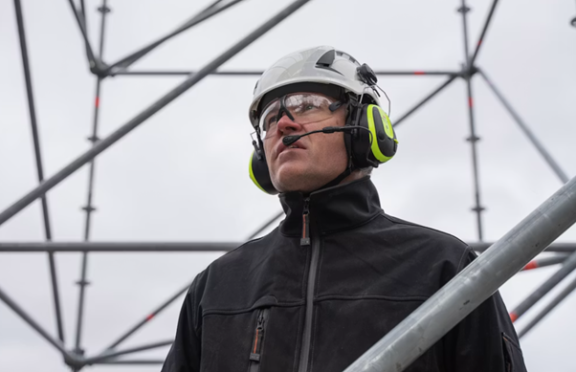
Figure 1: The European workwear market is growing at an average rate of 4.3% every year
Source: Photo by Jimmy Nilsson Masth on Unsplash
1. Product description: workwear
Workwear is apparel designed for use in the workplace. It protects the worker and/or identifies them as part of an organisation. This report focuses on industrial and occupational workwear, specifically jackets, trousers, overalls, bib-and-brace overalls and ensembles. These types of workwear are worn across a wide range of industries, including:
- Construction (builders, carpenters, roofers);
- Manufacturing (factory workers, machine operators, mechanics);
- Oil, gas and utilities (pipeline workers, engineers, technicians);
- Logistics (drivers, warehouse operatives, delivery workers);
- Healthcare (doctors, nurses, physiotherapists, care workers, maintenance staff);
- Hospitality (kitchen chefs, catering workers);
- Public services (postal workers, municipal staff, enforcement officers).
Unlike regular apparel, workwear is designed with specific functional features. Common features include: reinforced panels at the knees, elbows and seat; multiple pockets and tool loops; hammer and equipment holders; stretch panels for freedom of movement; breathable panels; water and stain resistance; high durability for industrial laundering; and colour-fast fabrics that retain their appearance after repeated washing.
Such garments may be classified as Personal Protective Equipment (PPE) under EU Regulation 2016/425, when the apparel is workers’ primary protection against safety hazards. Common PPE functions include high-visibility, flame and heat resistance, chemical splash protection, and electrostatic protection. PPE needs to carry CE marking before it can be sold in Europe. CE marking is a label that shows the product meets EU safety requirements.
These are the HS codes used for the statistical analysis in this report:
62032210, 62032310, 62032911, 62033210, 62033310, 62033911, 62034211, 62034251, 62034311, 62034331, 62034911, 62034931, 62113210, 62113310, 62042210, 62042310, 62042911, 62043210, 62043310, 62043911, 62046211, 62046251, 62046311, 62046331, 62046911, 62046931, 62114210, 62114310.
Workwear in Europe is mainly sold through specialist distributors. Many larger distributors operate well-developed online sales channels. These channels have become more important. Some brands also sell directly to business customers, particularly for large-volume orders.
The public sector is one of the largest buyers of workwear in Europe. Public institutions (including hospitals, emergency services, local authorities and infrastructure organisations) are required by European Union (EU) procurement regulations to source workwear through open tenders. This makes public procurement an important route to market, particularly in Germany, France and the Netherlands, where public sector workwear budgets are significant.
2. What makes Europe an interesting market for workwear?
Europe is one of the more significant importers of workwear in the world. According to Eurostat data, in 2024, the value of workwear imports to Europe was €3.4 billion, up from €2.7 billion in 2019. This was around 156 million units of workwear apparel in 2024 (down from 157 million in 2019). Over the last 5 years, the value of the EU’s workwear imports has grown on average by 4.3% annually.
Source: Eurostat, 2026
The European Union is also a large re-exporter of workwear. In 2024, it exported €2.12 billion worth of workwear (up from €1.63 billion in 2019).
Source: Eurostat, 2026
The biggest EU exporters in 2024 were Poland (€317 million), Germany (€273 million), Belgium (€218 million), the Netherlands (€162 million), Italy (€143 million) and France (€136 million). Poland, the Netherlands and Italy have seen the strongest export growth in this group, with an average yearly increase between 7.5% and 12%.
Table 1: European Union workwear exports in 2024, by country share
| Country | 2024 share |
|---|---|
| Poland | 15% |
| Germany | 12.9% |
| Belgium | 10.3% |
| Netherlands | 7.6% |
| Italy | 6.8% |
| France | 6.4% |
| Other EU countries | 41% |
Source: Eurostat, 2026
Currently, 53.4% of European workwear imports come from outside the EU countries and 46.6% from inside. In 2024, suppliers from low- and middle-income countries (LMICs) contributed 52.2% to all workwear imports into the EU in terms of value (down from 53.3% in 2019) and suppliers from the rest of the world accounted for just 1.3% of the import value (down from 2.6% in 2019).
The value of EU workwear imports coming from LMICs was €1.78 billion in 2024 and has grown at an average yearly rate of 3.9% since 2019. This means there is a strong demand for workwear from LMICs.
Source: Eurostat, 2026
Europe’s workwear imports from outside the EU are dominated by Tunisia(having overtaken China), China and Bangladesh. Together, these 3 countries account for 24% of all workwear imports into the EU. Tunisia is the single largest workwear exporter to the EU, accounting for 9.3% of the EU import value in 2024. It is an attractive sourcing location for workwear due to short lead times, flexibility, high quality and the ease of doing business (payment security and high levels of certification).
Tunisia is followed closely by China, with 9.1%, and Bangladesh, with 5.6%. Other extra-EU workwear exporters have market shares of less than 3.5% of the overall workwear import value.
Of the top 10 non-EU exporters to the EU, Bangladesh, Pakistan, Morocco and Bosnia and Herzegovina increased their market share between 2019 and 2024 (by 0.8%, 1.2%, 0.2% and 0.3%, respectively). Tunisia, China, Vietnam and Laos experienced a loss of market share (-0.7%, -2.7%, -0.6% and -0.3%, respectively). The UK (nineteenth in 2024) lost 1.4% market share between 2019 and 2024 (a decline in size of 19.8%) as the impact of Brexit continues to play out.
Table 2: Top 10 extra-EU workwear exporters to the European Union, 2024 € value, average yearly growth
| Country | Value | 5-year growth |
|---|---|---|
| Tunisia | €317 m | 2.9% |
| China | €312 m | -1.0% |
| Bangladesh | €191 m | 7.4% |
| Pakistan | €115 m | 14.2% |
| Vietnam | €110 m | 1.0% |
| Morocco | €99 m | 6.0% |
| North Macedonia | €93 m | 3.9% |
| Laos | €79 m | 1.7% |
| Bosnia and Herzegovina | €58 m | 7.9% |
| Sri Lanka | €56 m | 4.1% |
Source: Eurostat, 2026
The intra-EU workwear trade is dominated by Germany, Poland, Belgium, France and the Netherlands. Together, these 5 countries account for 25.5% of all workwear imports into the European Union. Germany is the largest intra-EU exporter of workwear, accounting for 7.8% of the total EU import value in 2024. It is followed by Poland (6.5%), Belgium (5.1%), France (3.4%) and the Netherlands (2.9%). Of these countries, only Poland and the Netherlands increased their market shares between 2019 and 2024 (by 2.3% and 0.3%, respectively).
Table 3: Top 10 intra-EU workwear exporters to the European Union, 2024 € value, average yearly growth
| Country | Value | 5-year growth |
|---|---|---|
| Germany | €266 m | 3.0% |
| Poland | €220 m | 14.1% |
| Belgium | €173 m | 2.7% |
| France | €109 m | 4.4% |
| Netherlands | €97 m | 6.5% |
| Sweden | €92 m | 1.8% |
| Denmark | €89 m | -0.2% |
| Italy | €77 m | 10.3% |
| Portugal | €71 m | 7.3% |
| Czechia | €50 m | 2.8% |
Source: Eurostat, 2026
Europe is leading the way in sustainable apparel
Under the EU Green Deal (a set of policy initiatives aimed at making the EU climate neutral by 2050), the Circular Economy Action Plan has identified the textiles and apparel sector as a priority sector for the EU’s move towards sustainability and circularity. So, it is no surprise that the European Union is at the centre of global industry efforts to make apparel more sustainable.
Suppliers that work with European brands and retailers will have access to the latest knowledge and technical innovation that drive global apparel trends, including workwear.
Tips:
- Check the EU’s Access2Markets website for the import requirements for your specific workwear product. Enter the product’s HS code and country of origin in My Trade Assistant to find information on tariffs, rules of origin, import procedures and product requirements.
- Check the EU’s Tenders Electronic Daily (TED) database for public workwear tenders (use the keywords ‘workwear’ or ‘protective clothing’). This lets you see what requirements public buyers have regarding products, certification, sustainability and delivery. You can also create search profiles and email alerts to find new opportunities.
- Visit the websites of the main workwear brands in each target market to understand their product range, price positioning and sustainability requirements before making contact.
3. Which European countries offer the most opportunities for workwear?
Western European markets are much larger and better developed than Central and Eastern European markets in terms of supply chain organisation and quality control. The top workwear import markets in the EU are Germany, France, Italy, the Netherlands, Belgium and Poland. These 6 countries together account for 64.6% of workwear imports in the EU and have grown at an average rate of 4.1% per year between 2019 and 2024.
Table 4: Top 10 EU importers of workwear, 2024 € value
| Country | Value | 5-year growth | LMIC share 2024 | LMIC imports 5-year growth | LMIC imports change in share 2019–2024 | LMIC imports ave price 2024 |
|---|---|---|---|---|---|---|
| Germany | €793 m | 4.0% | 58.7% | 3.3% | -2.1% | €25.51 |
| France | €465 m | 1.8% | 51.0% | 0.6% | -3.2% | €23.99 |
| Italy | €264 m | 6.8% | 72.5% | 4.7% | -7.5% | €10.51 |
| The Netherlands | €246 m | -1.8% | 40.6% | -0.2% | 3.2% | €17.67 |
| Belgium | €241 m | 4.8% | 50.3% | 3.2% | -4.0% | €24.78 |
| Poland | €195 m | 9.0% | 61.8% | 12.0% | 7.9% | €12.03 |
| Austria | €181 m | 5.3% | 41.4% | 9.9% | 8.0% | €24.58 |
| Spain | €172 m | 9.4% | 64.0% | 6.0% | -10.8% | €8.58 |
| Sweden | €159 m | 1.4% | 54.2% | -2.7% | -12.3% | €20.63 |
| Denmark | €113 m | 3.9% | 48.8% | 4.2% | 0.6% | €21.59 |
Source: Eurostat 2026
Of the top 10 importers of workwear, Italy, Spain and Poland stand out in terms of LMIC sourcing. More than 60% of their imports come from LMICs. They are followed by Germany and Sweden, with 58.7% and 54.2%, respectively. All 5 countries source more of their workwear from LMICs than the EU average.
Poland, Austria, Spain, Italy and Denmark increased their imports from LMICs by an average of between 4.2% and 12% per year between 2019 and 2024. This was higher than the EU average of 3.9%. There were only 3 countries for which LMICs increased their market share significantly: Austria, Poland and the Netherlands.
The average price of European imports of workwear from LMICs increased by around €7.50 between 2019 and 2024, from €26.30 to €33.78.
China’s market share is decreasing in all of the top 6 markets by an average of between 0.8% (France, the Netherlands) and 4.4% (Poland) per year. With production continuing to move away from China and with further potential for growth, workwear offers opportunities for skilled manufacturers in other LMICs.
Source: Eurostat, 2026
Germany: Europe’s largest importer of workwear
Germany is the largest EU-import market for workwear. In 2024, it imported €793 million by value (€651 million in 2019). This was around 27 million units of apparel. Between 2019 and 2024, the value of Germany’s workwear imports grew on average by 4% per year. During the same period, the value of imports from LMICs grew on average by 3.3% per year, with workwear from LMICs constituting 58.7% of Germany’s imports in this product segment. This was above the EU average of 52.2%.
Men’s workwear makes up 86.2% of this segment (up from 85.1% in 2019). Unit prices are much higher than those of the women’s workwear segment. They increased significantly between 2019 and 2024, while women’s workwear prices decreased. The segment is growing faster than the women’s workwear segment.
Stricter sustainability requirements
Germany has strict sustainability requirements. Some German legislation regarding harmful chemicals goes beyond EU REACH. It also has its own social and environmental standard, the Grüner Knopf, which is displayed on garments at the point of sale. Investment in chemical management and certification is required. This creates opportunities for higher quality and sustainable products. Note that the average price paid by German importers for workwear from LMICs is higher than any other top 10 country.
Table 5: 2024 imports of workwear to Germany by segment
| GERMANY | 2024 Value | 5-year growth | Average unit price | 5-year price change |
|---|---|---|---|---|
| Men's workwear | €684 m | 4.3% | €30.60 | €9.12 |
| Women's workwear | €109 m | 2.4% | €23.51 | -€5.46 |
| TOTAL | €793 m | 4.0% | €29.37 | €7.04 |
Source: Eurostat 2026
Well-known workwear brands in Germany include Engelbert Strauss, BP, Planam and Nitras.
France: A volume market with increasing sustainability requirements
France is the second-largest EU-import market for workwear. In 2024, it imported €465 million by value (was €425 million in 2019). This was around 18.7 million units of apparel. Between 2019 and 2024, the value of France’s workwear imports grew on average by 1.8% per year (below the EU average of 4.3%), while the import volume grew 0.5% per year. During the same period, the value of imports from LMICs grew on average by 0.6% per year. Workwear from LMICs made up around 51% of France’s imports in this product segment.
As a French-speaking country, Tunisia enjoys a market share of almost 25% of France’s imports.
Men’s workwear is 85.7% of workwear imports in France (up from 83.8% in 2019) and is growing by 2.3% per year on average. The women’s workwear segment is decreasing by on average -0.6% per year. Men’s workwear unit prices are lower than women’s workwear prices. While men’s workwear shows a positive price development, the average price for women’s workwear decreased by over €4 between 2019 and 2024.
Stricter sustainability requirements
France is stepping up its legislation regarding sustainability, particularly chemical legislation. It is now a legal requirement in France to inform end-consumers about products that contain one or more substances on the REACH Substances of Very High Concern (SVHC) list at the point of sale. France’s legislation on per- and polyfluoroalkyl substances (PFAS), used for water repellence and stain resistance, is the strictest in the EU. Meeting French requirements means going beyond standard EU compliance.
Table 6: 2024 imports of workwear to France by segment
| FRANCE | 2024 Value | 5-year growth | Average unit price | 5-year price change |
|---|---|---|---|---|
| Men’s workwear | €398 m | 2.3% | €24.43 | €2.34 |
| Women’s workwear | €67 m | -0.6% | €27.54 | -€4.13 |
| TOTAL | €465 m | 1.8% | €24.83 | €1.61 |
Source: Eurostat, 2026
Well-known workwear brands in France include Vetra, Dolmen and SNV.
Italy: A growing workwear market that demands competitive pricing
Italy is the third-largest EU-import market for workwear. In 2024, the value of its workwear imports was €264 million (up from €190 million in 2019). This was around 18.7 million units of apparel. Between 2019 and 2024, Italy’s workwear imports grew by 6.8% in value and 4.6% in volume. During the same period, the value of imports from LMICs grew on average by 4.7% per year, with workwear from LMICs making up as much as 72.5% of Italy’s total workwear imports (down from 80% in 2019).
Italy is the only top-10 importer of workwear for which China is the biggest exporter. At the same time, China’s share is decreasing (3.6% between 2019 and 2024). Pakistan has gained an impressive 10.1% market share.
Men’s workwear currently is 83.8% of Italy’s workwear imports (up from 81.6% in 2019). The men’s workwear segment has experienced higher growth than the women’s workwear segment, and import unit prices are lower. Both segments have undergone positive price developments, but women’s workwear has seen a much greater price increase between 2019 and 2024.
Of the EU’s top 10 workwear importing countries, Italy pays the second lowest average price for workwear from LMICs, with only Spain paying less.
Table 7: 2024 imports of workwear to Italy by segment
| ITALY | 2024 Value | 5-year growth | Average unit price | 5-year price change |
|---|---|---|---|---|
| Men’s workwear | €221 m | 7.3% | €13.21 | €1.14 |
| Women’s workwear | €43 m | 4.1% | €22.68 | €5.44 |
| TOTAL | €264 m | 6.8% | €14.17 | €1.40 |
Source: Eurostat, 2026
Well-known workwear brands in Italy include Sir Safety, Siggi Group, Klopman and Cast Bolzonella.
The Netherlands: Leading the way in sustainable materials sourcing
The Netherlands is the fourth-largest EU-import market for workwear. In 2024, the value of its workwear imports was €246 million (a fall from €270 million in 2019). In 2024, the Netherlands imported 8.8 million units of apparel (an average decline of 7.3% per year between 2019 and 2024). During the same period, the value of imports from LMICs fell by an average of 0.2% per year with workwear from LMICs constituting 40.6% of Dutch imports.
Note that these statistics hide the fact that LMICs increased their market share of Dutch imports significantly (3.2%) between 2019 and 2024.
Men’s workwear currently accounts for 82.9% of workwear imports in the Netherlands (up from 81.9% in 2019). Men’s workwear import unit prices are significantly lower than women’s workwear prices. Women’s workwear prices are the highest amongst the top importing countries, having increased by almost €30 during the 2019–2024 period.
Table 8: 2024 imports of workwear to the Netherlands by segment
| NETHERLANDS | 2024 Value | 5-year growth | Average unit price | 5-year price change |
|---|---|---|---|---|
| Men’s workwear | €204 m | -1.6% | €25.64 | €4.03 |
| Women’s workwear | €42 m | -3.0% | Incomplete data | Incomplete data |
| TOTAL | €246 m | -1.8% | €27.84 | €6.93 |
Source: Eurostat, 2026
Driven by ambitious national targets on sustainable materials, Dutch workwear brands are amongst the most active in Europe in developing and sourcing more sustainable materials and measuring their environmental impact, including conducting Life Cycle Assessments (LCAs).
Well-known workwear brands in the Netherlands include Groenendijk, Schijvens, Heigo, Original Roots, Hydrowear, Tricorp and Havep.
Belgium: A growing market with high unit prices
Belgium is the fifth-largest EU-import market for workwear. In 2024, the value of its workwear imports was €241 million (up from €191 million in 2019). This was around 9.6 million units of apparel. Between 2019 and 2024, the value of Belgium’s workwear imports grew on average by 4.8% per year, while the import volume grew on average 2.9% per year. During the same time, the value of imports from LMICs grew on average by 3.2% per year with workwear from LMICs making up 50.3% of Belgium’s imports.
As a French-speaking country, Tunisia enjoys a market share of over 22% of Belgium’s imports.
Men’s workwear currently accounts for 77.8% of workwear imports in Belgium (remaining stable since 2019). The men’s and women’s workwear segments showed similar growth (4.9% and 4.7% per year, respectively) between 2019 and 2024.
Of the EU’s top 10 workwear importing countries, Belgium pays the second highest average price for workwear from LMICs, after Germany.
Table 9: 2024 imports of workwear to Belgium by segment
| BELGIUM | 2024 Value | 5-year growth | Average unit price | 5-year price change |
|---|---|---|---|---|
| Men’s workwear | €188 m | 4.9% | €22.92 | €3.19 |
| Women’s workwear | €53 m | 4.7% | €36.61 | Incomplete data |
| TOTAL | €241 m | 4.8% | €24.99 | €2.23 |
Source: Eurostat, 2026
Well-known workwear brands in Belgium include Blåkläder and Sioen.
Poland: A fast growing market for volume items
Poland is the sixth-largest EU-import market for workwear. In 2024, the value of its workwear imports was €195 million (up from €126 million in 2019). This was around 12.4 million units of apparel. Between 2019 and 2024, the value of Poland’s workwear imports grew on average by 9% per year, while the import volume grew by 5.7% per year. During the same time period, the value of imports from LMICs grew on average by 12% per year, with workwear from LMICs constituting 61.8% of Poland’s imports.
Men’s workwear is 87.3% of workwear imports (down from 89.1% in 2019) and grew by 8.6% per year between 2019 and 2024, while the women’s workwear segment grew by 12.3%. Men’s workwear unit prices are significantly lower than women’s workwear prices. This follows the trend we see in other top importing countries (with the exception of Germany). While men’s workwear showed a positive price development, the average price per unit for women’s workwear fell by almost €5.
China remains the second-largest exporter of workwear to Poland. However, its market share decreased by 4.4% between 2019 and 2024, presenting opportunities for other LMICs. Bangladesh has increased its market share by over 5%. This means that price is likely important for Polish importers. With a low GDP and low wages, Poland is not a suitable market for more value-added products yet.
Table 10: 2024 imports of workwear to Poland by segment
| POLAND | 2024 Value | 5-year growth | Average unit price | 5-year price change |
|---|---|---|---|---|
| Men’s workwear | €170 m | 8.6% | €15.06 | €2.37 |
| Women’s workwear | €25 m | 12.3% | €22.29 | -€4.87 |
| TOTAL | €195 m | 9.0% | €15.71 | €2.23 |
Source: Eurostat, 2026
Well-known workwear brands in Poland include Poltext, Urgent and Vizwell.
Tips:
- Germany pays the highest average price for workwear from LMICs of any top European importing market. Belgium pays the second highest. Focus on these markets first if you can meet the quality and compliance requirements.
- If you are based in a French-speaking country, prioritise France and Belgium. Both are large markets with a history of sourcing from French-speaking suppliers in North- and West-Africa.
- Focus on doing business with Italy and Poland if you are not yet able to meet German or Dutch sustainability requirements. Italy and Poland are the most price-competitive of the 6 biggest European import markets for workwear. China’s share is declining in both markets, creating space for other LMIC suppliers.
- If you are targeting the Netherlands, be prepared to demonstrate your sustainability performance. Dutch brands are some of the most active in Europe on sustainable material sourcing and will ask for supporting documentation.
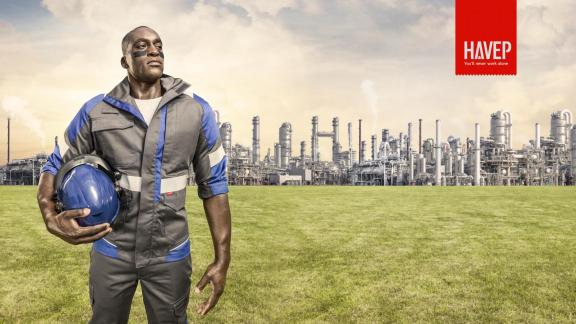
Figure 6: Many European workwear buyers require a high level of customisation, durable designs and sustainable materials
Source: Image by HAVEP
4. Which trends offer opportunities or pose threats in the European workwear market?
The European market for industrial and occupational workwear is driven by 3 main forces: occupational safety legislation, tightening chemical compliance requirements, and growing sustainability expectations in public procurement. Each of these creates demand and specific requirements that exporters need to understand and follow.
Strict safety legislation defines market entry requirements
PPE demand is mostly driven by law. Employers need to provide certified protective apparel to workers in hazardous environments, so these requirements are non-negotiable. Sectors like construction, manufacturing, oil and gas, and logistics create consistent demand as garments wear out, new employees join and standards are updated.
Not all workwear is PPE. Garments like kitchen jackets, healthcare scrubs and service sector uniforms protect the wearer’s own clothes or identify them as part of an organisation. They are occupational apparel, not PPE. These garments do not require CE marking or safety performance testing. However, they need to meet EU chemical restrictions (such as REACH) and general product safety requirements.
PPE garments must be tested against EN ISO standards to prove they perform as claimed. These standards include EN ISO 20471 for high-visibility apparel, EN ISO 11612 for protection against heat and flame, EN 13034 for protection against liquid chemicals, and EN 1149 for electrostatic properties. All PPE also needs to meet the general requirements set out in EN ISO 13688. CE marking is required for all PPE as proof of conformity. However, the route to obtaining it differs by category.
- Category I covers minor risks only, for example, garments providing UV protection. The manufacturer declares conformity itself and affixes the CE mark without third-party involvement. However, buyers may require independent testing.
- Category II covers moderate risks, such as high-visibility garments and most standard certified workwear used in construction and logistics. An accredited third-party testing organisation (approved by an EU member state) needs to independently verify that the garment meets the relevant EN ISO standard before the CE mark can be applied.
- Category III covers the most serious risks, including risks to life or permanent health damage. It includes flame-resistant apparel, arc flash protection and chemical protective suits. The same third-party certification as Category II is required, plus ongoing production monitoring.
The differences between markets lie in how actively national market surveillance is carried out. In 2023, Germany and the Netherlands recorded the lowest rates of fatal workplace accidents in the EU, fewer than 1 per 100,000 employed people, compared to an EU average of 2.07. This reflects stricter enforcement and stronger safety cultures amongst employers in these markets. For exporters, this means that non-compliant products are more likely to be identified and removed from these markets than elsewhere in the EU.
Figure 7: Non-PPE occupational workwear, such as hospitality uniforms and healthcare scrubs, is a relatively easy entry point into the workwear market

Source: Photo by Vitaly Gariev on Unsplash
PFAS: The chemicals that will be banned
PFAS (‘forever chemicals’) are synthetic substances used in textiles that provide excellent repellence properties against water and stains. For this reason, they are used a lot in workwear. PFAS are persistent in the environment and linked to health risks. They are being more and more restricted across Europe. The long-term goal is a complete ban.
For most standard occupational workwear, PFAS-free alternatives are commercially available and more and more expected by buyers. There is no reason to keep using PFAS chemistry in these product types.
For some PPE applications, proper PFAS-free alternatives are not yet available. This may include garments where water repellence, stain resistance or chemical protection are part of the certified protective function. Because of this, PFAS is still permitted in these products for now. However, this is changing rapidly.
- France banned PFAS in apparel from January 2026, with a specific exemption for protective gear for military and emergency services, and a full ban in all textiles following from 2030.
- Denmark banned PFAS in apparel for consumer use from July 2026, with an exemption for professional and safety gear.
- An EU-wide universal PFAS restriction under REACH is under active review. The current exemptions only exist while no viable alternative is available. They will be removed as alternatives develop.
Suppliers with PFAS in their treatments should document their chemical usage, identify where PFAS-free alternatives are technically viable, and be prepared to discuss phase-out timelines with buyers. Most workwear brands nominate fabrics, so manufacturers may have limited direct control over PFAS in the main fabric. However, where fabric choice is possible, PFAS-free options should be selected as standard. Manufacturers also control any finishing treatments, and buyers expect full documentation on these.
Facilities that produce both PFAS-treated and PFAS-free garments should be able to demonstrate full production segregation to prevent cross-contamination. Buyers will expect a clear plan for eliminating PFAS from the facility altogether more and more often.
Public procurement: Germany and the Netherlands lead on sustainability requirements
Public institutions are a major buyer of workwear across Europe, including hospitals, emergency services, local authorities, and infrastructure organisations. EU procurement rules require public buyers to apply environmental criteria in decision-making, and workwear is included in the EU’s Green Public Procurement framework. Social compliance is also a baseline requirement for public procurement contracts in Europe, regardless of whether the workwear is PPE or not.
The Dutch government set a target that, by 2025, 25% of the material in the workwear it purchases must be recycled or sustainably sourced post-consumer material. The Dutch framework also distinguishes between recycled textile fibres and recycled PET from plastic bottles: textile-to-textile recycled content scores higher in Dutch tender evaluations. Where content is claimed to be recycled, third-party chain-of-custody verification is required (such as Global Recycled Standard (GRS) and Recycled Claim Standard (RCS)).
Germany uses 2 tools as sustainability benchmarks in public workwear procurement:
- The Green Button (Grüner Knopf), a government-run certification label covering 46 social and environmental standards;
- The Blue Angel ecolabel (environmental label of the German government), which covers restricted substances and environmental performance in production.
Both are referenced more and more in German tender award criteria. Although the Green Button is awarded to the brand, not the factory, the brand’s certification covers its entire supply chain. The certifications a manufacturer holds determine if a brand’s products can qualify. This makes certification an important factor in German buyers’ sourcing decisions.
Workwear fabrics and technology are developing rapidly
Balancing protection with comfort has always been the main challenge in certified PPE. Heavier, more protective garments are often hot, stiff and tiring to wear. This affects how consistently workers use them. Advances in fabric technology involve delivering better stretch, breathability and lighter weight in Category II and III certified garments, without reducing certified protective performance.
At the higher end of the market, smart textiles with embedded sensors for fall detection, heat stress monitoring, and real-time safety alerts are entering commercial use in sectors like construction, and oil and gas. Understanding these developments helps suppliers engage with buyers more effectively and respond when specifications change.
Tips:
- Find information on the European standards for protective apparel on the European Committee for Standardization website under committee CEN/TC 162 – Protective apparel, including hand and arm protection and lifejackets.
- If you are new to the European market, focus on non-PPE occupational workwear (such as kitchen and hospitality jackets, healthcare scrubs and service sector uniforms). This is an easier entry point in terms of safety certification. Starting here and building towards certified PPE is a realistic strategy.
- Attend A+A Düsseldorf trade fair and subscribe to the Health & Safety International Journal to stay current on standard updates and buyer expectations across major European markets. For an overview of trade fairs for occupational safety and work apparel, visit TradeFairDates.
- Download the AFIRM (Apparel & Footwear International RSL Management) PFAS phaseout guidance document to learn about how to approach PFAS elimination and control cross-contamination. AFIRM is a resource that many European buyers use, so it aligns with EU buyers’ approach.
- Buyers and public procurement authorities across Europe require verified recycled content and supply chain transparency more and more often. If you use recycled materials, make sure you hold chain-of-custody certification, such as the Global Recycled Standard (GRS) or Recycled Claim Standard (RCS). Be prepared to provide data on material composition, test reports and supplier documentation.
Best practice
Workwear factory Workman from Tunisia supplies items with 100% recycled content to the Dutch market. The factory invests in machinery, efficiency and certification, including BSCI and OEKO-TEX STeP. Workman recovers and reuses a lot of fabric waste and makes backpacks and badges for their customers. They are active in prospecting and networking, attending A+A trade fairs, and participating in programmes and events led by different development organisations. This gives them a lot of exposure to potential EU buyers.
FT Journalistiek carried out this study in partnership with Giovanni Beatrice on behalf of CBI.
Please review our market information disclaimer.
Search
Enter search terms to find market research