
11 tips to manage risks in the apparel sector
Apparel manufacturing can be a risky business. Issues may arise at every stage of the process: from sourcing materials to producing garments and supplying buyers in international markets. Fabric prices change, laws become stricter, trade routes may be disrupted and poor communication can lead to mistakes. This study will help you identify, prioritise and prevent risks across the apparel supply chain, so you can successfully export to the European Union (EU).
Contents of this page
- Understand how to prioritise risks
- Prevent currency risks
- Source the right materials at the right time
- Monitor and prepare for climate risks
- Manage financial risks carefully
- Monitor geopolitical risks
- Organise quality control in your factory
- Keep your workers happy
- Ensure compliance with EU laws and sustainability requirements
- Deliver on time and avoid costly surprises
- Communicate quickly and honestly with your buyers
1. Understand how to prioritise risks
Some risks occur often, others almost never. Some have limited consequences, others may be seriously damaging. This is especially true for smaller companies because they often have small buffers. Try to see risks as part of your overall value chain at every stage of the process.
Understanding where risks occur in your operation helps identify weaknesses and prioritise which measures you should take. Some risks – like climate change, geopolitical developments or changes in laws and regulations – affect multiple stages of your business. The table below shows the main types of risks that may occur in apparel manufacturing, their likelihood, and their potential impact.
Table 1: Matrix of the most common risks in apparel manufacturing, their likelihood and potential financial impact.
| Value chain stage | Risk type | Risk | Frequency | Potential impact |
|---|---|---|---|---|
| Input | Currency | US$/EUR exchange rate changes during fabric/material sourcing | High | Moderate |
| Higher import costs due to local currency inflation | High | High | ||
| Material sourcing | Production delays due to fabric/trim shortages | High | Moderate | |
| Overreliance on a single fabric/trim supplier | Medium | High | ||
| Price increase pressuring margins | High | High | ||
Input/production | Climate | Rising cotton prices due to poor harvests | Medium | High |
| Disrupted material production (for example due to flooding) | Low | High | ||
| Water scarcity/energy shortages | Medium | Moderate | ||
| Financial and social risks | Missed orders due to lack of access to working capital | High | High | |
| Cash flow problems due to late payments by buyers | High | High | ||
| Increasing wages and strikes | Medium | Moderate | ||
| High employee turnover | High | High | ||
| Input/production/market | Geopolitics | Trade sanctions, import restrictions | Low | High |
| Production disruption due to political instability | Low | High | ||
| Loss of business due to poor reputation of the production country | Medium | High | ||
| Compliance | Failure to meet sustainability, traceability and due diligence requirements | Medium | High | |
| Product bans due to non-REACH compliance | Low | Extremely high | ||
| Higher production costs due to higher sustainability requirements | High | High | ||
| Production | Quality issues | Mistakes and rejections due to unmet specifications | Medium | High |
| Loss of buyers due to inconsistent quality | Medium | Extremely high | ||
| Rework due to poor quality control | High | Moderate | ||
Market | Logistics | Additional duties due to errors in custom documents | Low | Moderate |
| Unfavourable INCO terms | Low | High | ||
| Rising transport costs | High | Moderate | ||
| Cultural risks | Loss of buyer trust due to slow communication | High | Extremely high | |
| Loss of business due to unprofessional presentation | High | High | ||
| Misunderstandings about product specifications | Medium | Moderate | ||
| Order cancellations and reductions, last-minute design changes | High | High |
Source: FT Journalistiek
How to make and use your own risk matrix
Assessing your own operations for potential risks is essential for effective risk management. Ask your sourcing, production, finance and sales teams to help you list your biggest risks. Next, score each risk on likelihood (low/medium/high) and financial impact (low to extremely high). Try to base your scores on experience and available administrative data (for example: delays, rejected orders, cost increases). Plot these risks in a simple risk matrix. Microsoft Excel or Google Sheets are helpful tools to do this.
If you update your risk matrix monthly or at least every quarter, over time you can manage risks better. Focus first on risks that happen most often and have the highest financial impact. Risks that happen often but have low impact can be dealt with by introducing standard procedures and checklists. Risks that occur rarely but have a big impact -such as product bans or political crises- do not require big investments or constant management. They should still be monitored though.
Tips:
- When you make a risk matrix with your team, do not try to analyse every possible risk your company could face. Instead, start by focusing on the 5 to-10 biggest risks.
- Avoid relying too much on single suppliers or buyers. Keep communication open with all your partners to identify risks early and find solutions.
- Having multiple suppliers does not mean you should change suppliers constantly. If you get a bigger share of the business with one supplier, it is better for you to ask them to follow your rules.
- If possible, try to integrate your production vertically. This offers more control over risks in the value chain.
- Develop and publish a supply chain Code of Conduct to share your values, standards and requirements with suppliers and buyers. Take inspiration from the codes of conduct from European buyers like WE Fashion and ASOS, or from manufacturer's codes of conduct like MAS Holdings and BD Sourcing.
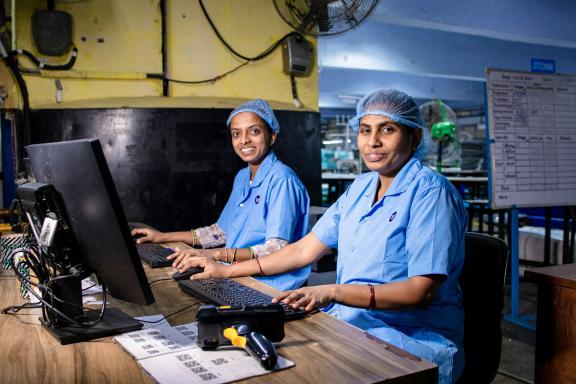
Figure 1: Effective risk management starts with tracking and monitoring each step in production
Source: EqualStock on Unsplash
2. Prevent currency risks
Always take exchange rate fluctuations into account when sourcing and selling internationally. This also means you should carefully check contract currencies. Most international transactions are in US dollars and your import costs become higher when your local currency weakens against it. At the same time, if you sell to European buyers in euros while buying in dollars, exchange rate changes can lower your margins. Keep in mind that signing contracts in an unfavourable currency can result in higher costs over a long period.
Reducing currency risks requires good timing. Placing orders when the US$ exchange rate is favourable and raw material prices are low can improve your price position. This opportunity often happens during low season, which means you need to purchase US$ in advance and not right when you need them immediately. This may increase financial pressure in the short term, but can give you a competitive advantage. Raw material prices also change constantly, influenced by factors such as oil prices and harvest outcomes, and vary across sourcing countries.
Tips:
- Actively monitor exchange rates and raw material prices using tools like XE.com, Fibre2Fashion (paid) or Emerging Textiles (paid).
- Take currency risks into account when you make a quotation. Read the CBI study How to calculate the cost price of an apparel item to learn how to do this. Always include buffer margins.
- If your buyer agrees, try to source all your input materials locally. This is a good way to minimise currency risk. Sourcing locally will also enable you to monitor and control quality and on-time delivery more easily.
- If you do need to source materials from abroad, try to build a network of suppliers across different countries. This allows you to shift sourcing if prices in one country go up due to poor harvests or rising energy costs.
- Beware of foreign buyers that want to pay you in your local currency. A lack of foreign currency (especially US$) can make it very difficult to source materials abroad.
Best practice
Team Manufacturing Company in Bangladesh is an apparel manufacturer supplying buyers in many markets, including Europe, the USA, China and Australia. During the Covid-19 pandemic, when buyers were cancelling orders, the company realised the risk of losing access to working capital and losing orders and payments. To manage these risks, Team Sourcing insures their orders (factoring) or asks for advance payment. The company also invests heavily in its administrative department to carefully monitor costs, expenses and customer profitability.
The company likewise invests in sustainable production to stay compliant with stricter EU regulations and buyer requirements, and to reduce costs in the long run. According to Abdulla All Mamun from Team Manufacturing Company, “We actively work on reducing our chemical use in the supply chain and we recycle our waste. Our jacket factory has a water recycling plant and solar panels. We feel that being a market leader in going green will open doors to new buyers and maintain our position at current customers.”
3. Source the right materials at the right time
Making sure you have all the right materials available to produce an order from start to finish is crucial for running a healthy apparel factory. This includes the sourcing of fabrics, accessories, trims and packing materials, as well as processes such as knitting, weaving, dyeing, printing, embroidery, finishing and washing.
Raw materials
Material shortages are becoming more common, especially for sustainable materials like recycled polyester (rPET) or organic cotton. Demand for these sustainable alternative materials is growing rapidly, but supply remains limited. At the same time, raw material prices change all the time. In 2024, global cotton prices increased by around 8–10% due to droughts in big producing countries. Synthetic fibres are also affected: polyester prices follow oil prices and can suddenly rise when geopolitical tensions run high.
Tips:
- Monitor market developments using platforms like Fibre2Fashion and material reports from Textile Exchange.
- Textile Exchange's Material Impact Explorer lets you assess the environmental risks of different textile fibres in relation to their production locations for free. You do need to sign up first to use the tool.
- Where possible, confirm material availability before accepting orders, and consider flexible agreements with buyers to account for price rises.
- Keep critical materials in stock to manage short-term disruptions.
- When you send a quotation to a buyer, make sure you specify the maximum time allowed for buyers to confirm. If this takes too long, material prices may have changed and your quotation may no longer be accurate.
Dyeing/printing/embroidery/finishing/washing
One of the biggest production risks is poor material quality, especially when resulting from dyeing and printing. This includes colour variation, poor colour fastness and shrinkage. Such issues can easily lead to rejected orders or costly rework. A second risk is non-compliance with EU chemical regulations (REACH, see Tip 9 below), which can result in rejected deliveries, cancellations or even product bans. Thirdly, dependency on external processing units can cause delays, quality issues or lack of transparency.
It is always wise to implement strict quality control procedures, including lab dips, pre-production samples and bulk testing. Clearly communicate specifications with all your partners. It helps build long-term relationships with processors and makes regular performance audits easier.
Tips:
- Try to build trust and long-term relationships with local supply chain partners near your factory. Visit your partners unannounced to see the actual working conditions and talk to the employees.
- Only work with supply chain partners that hold recognised standards, like OEKO-TEX Standard 100.
- Seek assistance from organisations like ZDHC to reduce chemical usage and minimise impact.
- Check CBI's tips on responsible chemical management or Solidaridad's Wet processing guidebook for background information and tips on professional wet processing management.
- Ask your supplier to arrange chemical testing by a certified testing lab to ensure compliance.
Knitting/weaving
The main risk with knitting and weaving is inconsistent fabric quality, such as uneven weight or defects (holes, broken yarns) or irregular construction. Such issues often lead to problems later in dyeing or garment production. Machine downtime or low efficiency is another risk, especially in factories with older equipment or limited maintenance capacity. Yarn quality and availability can also be a bottleneck: poor-quality yarn results in defects, while shortages can interrupt production.
Tips:
- Check the quality level of your buyers’ orders. What is the composition and production method of the yarns and fabrics that they use? If possible, check the GTIN number, which identify the exact product. This will give you an impression of the overall quality standard required.
- Inspect fabrics physically and test chemically before moving to production.
- Use clear technical specifications (such as GSM, construction, tolerance levels) when ordering materials.
Accessories, trims and packing materials
Sourcing small trims can cause major delays, quality issues or compliance problems. A big risk is late delivery or shortages of trims (zippers, buttons, labels), which can stop final assembly even when garments are ready. Inconsistent quality such as faulty zippers or incorrect labels can result in rework or rejected orders. Note that accessories also need to comply with EU requirements on chemicals and consumer safety, including the General Product Safety Regulation, REACH and the special safety standards for children's wear.
Some buyers may require you to purchase fabrics, trims, labels and packing materials from a nominated supplier. This means you are responsible for the ordering, delivery and payment of the materials. Many nominated accessory suppliers are located in China or Hongkong, requiring US$ for ordering and shipment. This may negatively impact your flexibility, cost, speed and liquidity.
Tips:
- Inspect and test accessories before shipment at nominated labs like Intertek or SGS.
- Always keep critical trims and accessories on stock to increase your flexibility.
- Discuss locally available solutions with your buyer to replace nominated suppliers, especially if you are paid in local currency and not in US$.
4. Monitor and prepare for climate risks
Climate risks may not occur often, but they are becoming more frequent and less predictable. The effects can be serious. In unfortunate cases, climate change can affect the availability of raw materials, driving up costs. Poor harvests due to extreme weather can cause cotton prices to go up, while cyclones, floods, heatwaves and other natural events can disrupt production and damage infrastructure. Water scarcity and energy shortages can further interrupt processing (especially dyeing and finishing). This happened for example in Bangladesh in 2024, in Vietnam in 2024 and in Sri Lanka in 2025.
Tips:
- Diversify sourcing across different regions to reduce dependency on climate-sensitive areas. Market developments can be tracked using the World Bank's Climate Change Knowledge Portal.
- Make sure to have back-up generators or batteries (preferably powered with electricity from solar panels) to prevent disruptions from energy cuts. If you rent your factory building, discuss options with your landlord.
- Keep important documents, including customer and supplier files and production records, digitally. This way your administration cannot get lost because of a storm, flood or fire. You can use online services such as Microsoft OneDrive, Google Drive or iCloud (for Apple users), or locally available options. Most providers offer freemium subscriptions, with tiers for free but limited service and paid, more extensive service.
- Lower climate risks by adapting your production planning. If power cuts or floodings happen often during monsoon or cyclone season, try to plan peak orders with tight deadlines around this period. Communicate this clearly with your buyers to manage expectations.
5. Manage financial risks carefully
If you have limited access to affordable finance, material sourcing, investments in certification or logistics costs can be a big challenge. Many small manufacturers have cash flow problems, especially if buyers pay late or impose long payment terms (for example 120 or even 150 days after delivering the order). This can result in missed orders due to a lack of working capital. At the same time, rising wages or labour unrest (such as strikes) can increase operating costs and disrupt production.
Tips:
- Do not accept payment terms that pose too great a risk for your factory. It is okay to push back and ask for safer payment conditions and shorter terms or partial payments throughout the production process. Check the Ethical Trade Initiative's website for videos and templates on responsible purchase practices.
- Consider factoring to finance materials. This means you sell your order to a bank or factoring company that pre-pays you a certain percentage of the value of the order in exchange for a commission. An additional benefit is that the bank will perform due diligence on the buyer, which tells you if they are a trustworthy business partner.
- Review your cash flow every month. You can use a simple Excel sheet for this, which lets you solve small problems before they become big problems. To tackle unforeseen issues, build a financial buffer to cover at least 2–3 months of operating costs.
- Maintain good communication with workers to prevent disputes and disruptions. Support ways for your workers to represent themselves (via a union or worker committee). Introduce a safe method for workers to complain or make suggestions. Organise regular team briefings with two-way communication and train your management in the communication rules.
- Improve cost control and productivity to absorb wage increases. The CBI studies How to calculate the cost price of an apparel item? and 7 Tips on how to increase efficiency in an apparel factory offer tips and background information.
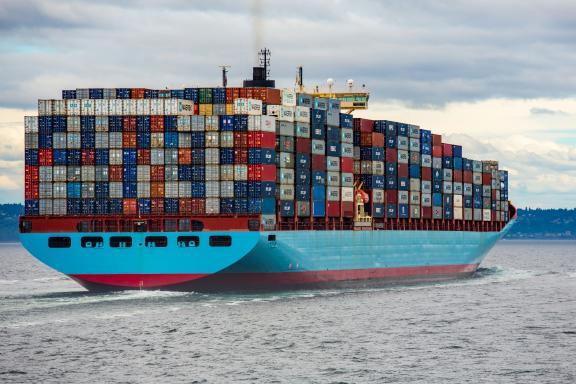
Figure 2: Diversify supplier and buyer markets to reduce the impact of geopolitical tensions
Source: Ian Taylor on Unsplash
6. Monitor geopolitical risks
Geopolitical risks do not happen often, but the consequences are usually severe. Tariff wars, such as increases in global tariffs, can seriously limit market access. Conflicts can also disrupt major trade routes. For example, the 2026 closure of the Strait of Hormuz, an important shipping corridor, has delayed shipments and raised energy prices, freight costs and insurance premiums. This is especially true for apparel manufacturers in Asia.
Geopolitical conflicts often result in higher oil prices and thus higher production costs. This affects everything from synthetic fibres to production processes. Your business can also be at risk from local political instability. If this happens too often and a country gains a bad reputation, European buyers may decide to source elsewhere. In recent years, apparel-producing countries – including Myanmar, Ethiopia, Bangladesh and Pakistan – have all suffered from reputational damage due to political issues.
Tips:
- If your country is affected by high trade tariffs, try to negotiate-renegotiate contracts with your buyer to share the burden, or try to diversify export markets.
- Advertise to European buyers if your country benefits from the Generalised Scheme of Preferences (GSP), which removes import duties into the EU.
- Study countries you compete with, compare their strengths and weaknesses to yours, and advertise the competitive advantages of doing business with you. Besides GSP, also consider factors such as distance and connectivity to Europe. The following links let you check how your country scores on ease of doing business, transparency, political stability and general CSR compliance.
- Maintain buffer time in production planning to absorb delays and build flexibility into contracts (such as delivery timelines, price adjustments).
- Use online search engines like Google or Bing to create news alerts. This makes monitoring geopolitical developments and trade policies easy.
7. Organise quality control in your factory
Poor quality assurance (QA) and quality control (QC) in your factory will lead to mistakes. This results in wasted time and materials, delays and pressure on your margins. If you have a lot of defects during a production run, this can seriously disrupt your planning, because every item that needs rework slows down the entire process. This damages your efficiency and profits. If your margins are already small, this can quickly lead to loss of money instead of profit.
If you do not meet your buyer requirements as specified in the Tech Pack (which instructs how the garment should be made) and the Bill of Materials (which instructs which materials should be used), your buyer may reject the order. Ultimately, if you deliver inconsistent quality, buyers may stop doing business with you altogether. European buyers often apply strict Acceptance Quality Limits (AQL). For example, AQL 2.5 means a shipment may be rejected if more than 2.5% of items are defective. Defects are typically classified as:
- Critical (safety or legal failure);
- Major (affecting usability or saleability);
- Minor (small deviations from standards).
Tips:
- Implement clear QA/QC procedures at every stage: check incoming materials, inspect during production and review finished goods. Use checklists, quality reports and regular inspections to maintain consistency.
- Train employees to identify defects early, so you can fix small problems before they become big problems. Make sure employees feel safe to report issues to management.
- Track defect rates per production stage and identify where most errors occur. Analyse root causes of defects (for example human error, machine issues, poor materials).
- Consider rewarding your employees financially for achieving a low rejection rate. This can be a good motivation for workers to improve quality and consistency.
8. Keep your workers happy
You can only run an apparel factory successfully in the long term if your employees are happy. Many apparel manufacturers struggle with rising wages, labour shortages and increasing worker expectations, resulting in higher production costs. Younger people in many apparel-production countries are less willing to work in factories if the pay is low and working conditions are poor. This leads to low employee retention and makes it difficult to find and keep new workers. This is a waste of investments in training and recruitment.
At the same time, strikes, wage increases or economic downturns can raise costs or disrupt production. Poor labour conditions and lack of transparency may also damage your reputation with European buyers. Poor worker satisfaction is a major risk: unhappy workers are more likely to leave, make mistakes or stop working altogether.
Tips:
- Improve working conditions, wages and communication to increase worker satisfaction and retention. Create options for worker feedback (worker committees) and make sure employees feel safe to express their opinion to management. Invest in training and career development to make jobs more attractive.
- Work with training programmes like Better Work or ILO (you need to register), or adhere to labour standards from organisations like Fair Wear Foundation.
- Always adhere to local labour laws. Pay your employees a living wage so that workers are not forced to have multiple jobs.
- Consider providing your employees with valuable secondary benefits such as transport to the factory, health care, day care or regular meals. If you cannot make big investments, start small. Relatively easy and cheap improvements like clean toilets and drinking water can already boost employee morale.
- Watch CBI’s webinar on improving worker happiness in the apparel industry for practical guidance on improving working conditions for your employees.
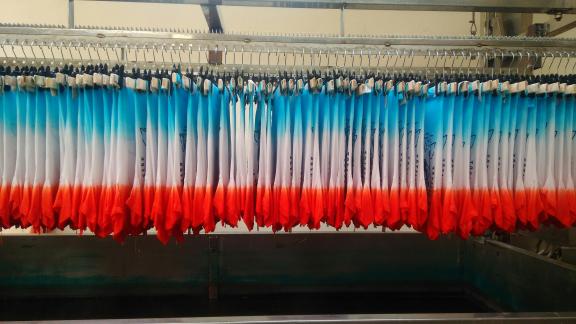
Figure 3: Being REACH-compliant is crucial to avoid rejections or product bans when exporting to Europe
9. Ensure compliance with EU laws and sustainability requirements
If you want to export to the European market, there are several EU and national (member state) laws and regulations you need to adhere to. These include rules on consumer safety, chemical use (REACH), labelling and intellectual property. There are also several sustainability and transparency requirements. If you do not meet these standards, your product can be banned, your shipment can be rejected or you may lose your buyer.
Follow these steps to ensure your product complies with the relevant legal requirements:
- Make sure your product complies with the EU's General Product Safety Regulation (GPSR: 2023/988). If your buyer supplied the product design, it is their responsibility to guarantee it is legally safe for end consumers to use.
- Make sure you comply with the EU's REACH regulation. It restricts the use of chemicals in apparel and trims, including certain Azo dyes, flame retardants, waterproofing and stain-repelling chemicals, and nickel. To prevent non-compliance, test input materials before production.
- Pay special attention to the safety standard that applies to apparel for children (EN 14682, which contains requirements to ensure that cords and drawstrings are placed safely on apparel for children up to age 14).
- Specify the material composition of every apparel item you export to the EU, in line with Regulation (EU) 1007/2011 on labelling and fibre composition. Check the EU Access2Markets online helpdesk on how to do this.
- Do not forget: you can always ask your buyer for tips and guidance on EU rules. Most established European apparel companies are well-aware of the relevant laws and regulations and their implications.
Sustainability regulations
The EU and national governments have increased the speed and scope of new laws that promote sustainable fashion. Most of these laws are a result of the EU Green Deal, a policy programme that aims to make Europe the first climate-neutral continent by 2050. The following legislations aim to support these ambitions:
- The Circular Economy Act (adoption likely in 2026), a policy framework aiming to create a single European market for recycled materials and to stimulate demand for them.
- The EU's Waste Framework Directive requires EU member states to introduce policies for 'Extended Producer Responsibility' (EPR), making them responsible for the way products are disposed of, recycled or repaired. France, the Netherlands and Sweden have already introduced national EPRs. Italy and Spain are currently working on it.
- Corporate Sustainability Reporting Directive (CSRD, 2023), setting reporting requirements on large companies (over 1,000 employees and €450 million net annual turnover), including those in the apparel sector, when it comes to their environmental, social and governance (ESG) performance. This means European apparel buyers will ask their suppliers for sourcing data.
- The Corporate Sustainability Due Diligence Directive (CSDDD, 2024, full compliance postponed to 2029), mandating that the largest European companies (over 5,000 employees and €1.5 billion net annual turnover) identify, prevent and mitigate social and environmental impacts in their own operations and across their value chains.
There is also the EU's Circular Economy Action Plan (2020). This is a policy programme under the EU Green Deal that has resulted in several new laws promoting circular fashion:
- The Ecodesign for Sustainable Products Regulations (ESPR, 2024, adoption likely from 2026 onwards), requiring clothing products to meet minimum sustainability and quality standards;
- The Digital Product Passport (adoption likely in 2027), requiring European brands and retailers to provide detailed information at point-of-sale about traceability of materials and environmental impacts;
- The Directive on repair of goods (adoption likely in 2026), giving European end consumers the 'right to repair';
- The Empowering Consumers Directive (adoption scheduled for 2026), banning companies from making generic, vague or misleading claims such as 'green' or 'eco-friendly'. It also bans false claims about the durability and reparability of products.
- The related Green Claims Directive (adoption pending), setting out rules for the verification of such claims.
How EU policies on sustainability affect small apparel manufacturers
Not all EU laws and regulations affect your business directly. These rules apply to the 'economic operator' – the company that puts the items on the European market. That is usually your buyer. Most European buyers will however shift the burden of compliance to you, the manufacturer. This for example means that you must provide data on the impact and origin of different materials, production methods, washing, coating and finishing.
It also means European brands and retailers need practical guidance on more sustainable choices for materials, production methods, designs for recycling, circular business models and traceability.
Some of the rules and regulations mentioned above are not yet in force. Others apply only to very large companies. Sometimes new laws are delayed, sometimes they are weakened. See for example the EU's Omnibus 'simplification' package from 2025. The long-term direction of the EU is clear though: towards ever stricter sustainability requirements. If you manage to provide even some data on material and production impacts, you are already gaining a competitive advantage over companies that cannot provide any information.
Tips:
- Check the EU's Access2Markets trade helpdesk for information on topics such as tariffs, product requirements, custom procedures and taxes. Stay updated on product requirement developments with EPing. Open Trade Gate is another useful source of information on exporting to the EU, and Sweden in particular.
- Use the freely available online CSR Risk Check tool to find out which social and environmental risks may occur in your country.
- Check out ISO 31000 standard for guidelines on risk management applicable to any commercial organisation.
- Some European buyers have higher legal sustainability requirements than others. Large companies that need to adhere to CSRD and CSDDD often require detailed supply chain data. If your factory cannot meet these requirements, it is best to focus first on buyers whose expectations match your current capabilities.
- Do not try to adhere to every sustainability requirement at once. First focus on the minimum legal requirements, then try to improve step by step, together with your buyers.
Best Practice
Sartex Group in Tunisia is an apparel manufacturer specialised in sportswear and denim items. The company's standards include ISO 14001, BSCI, Smeta, Sedex and BCI certifications. Sartex has serviced several European brands for years, including GAS Jeans, Fat Face, Guess and Hugo Boss. Its sustainable efforts are nationally recognised, winning the Tunisian apparel sector Green Award in 2025.
Besides targeting the denim and sportswear markets, Sartex has moved into home textiles in recent years. It first reused cuttings from the factory floor to create patchwork bags and rugs. In 2026, it presented a new collection of recycled items in Europe by using cutting waste to spin recycled yarns into yarns used in a collection of bags and rugs. In this way, it has found a sustainable way to diversify products and market segments.
Figure 4: Product diversification can reduce dependency on a limited type or number of buyers

Source: Sartex Tunisia
10. Deliver on time and avoid costly surprises
Logistics is a critical but often underestimated risk area for apparel exporters. Common risks include rising transport costs and additional duties due to errors in customs documents. Also beware of unfavourable Incoterms that shift too much responsibility to you. Errors in documentation such as incorrect HS codes, wrong product descriptions, missing certificates of origin, incorrect valuation, or inconsistencies between invoice, packing list and bill of lading can lead to delays, fines or even rejections.
Choosing the wrong Incoterm can also expose you to unnecessary risks. For example, Free on Board (FOB) is the industry standard and limits your responsibility to delivery at the port. Some buyers may however ask for Delivery Duty Paid (DDP), which makes you responsible for the entire journey, including import duties and risks during transport. This is the riskiest Incoterm for you as a manufacturer, so you should be aware of the risks.
Deliver on time
If you do not deliver on time or repeatedly fail to do so, the buyer may request a discount on the total order value, or request that you arrange an alternative means of transport to get the goods delivered on time and take responsibility for the costs. On-time delivery is important for European buyers because they often have many different collections, sometimes more than 12 per year. These collections are based on specific colour and style themes, which means all items in the collection are presented together in the store.
Sustainable packaging
In 2025, the EU adopted a new Packaging and Packaging Waste Regulation (PPWR). The aim of these new rules is to shift away from virgin materials used to produce packaging to more sustainable materials. Furthermore, the EU wants to reduce the amount of packaging itself. Always try to reduce the environmental impact (and financial cost) of packaging materials. Discuss with your buyer the option of putting more items in a polybag, or try using materials made from recycled cardboard (including hangers) or biodegradable plastics (polybags).
Tips:
- Follow buyer instructions on packaging and labelling strictly. Double-check if all export documents are correct before shipment.
- Create a standard checklist for every shipment. This reduces mistakes without having to invest in expensive logistics software.
- Compare transport options and costs using tools like Freightos or Cogoport.
- If you decide to use sea transport, consider the size of the shipment. Transport costs per piece will be lower for FCL delivery (full container load) than for LCL delivery (less container load). If you do not expect to fill up an entire container, LCL is probably cheaper. A standard freight container size is 20-feet long or 33.2 m3 (also called '1 TEU'; a 20-foot equivalent unit).
- Check the CBI study 10 tips for organising your apparel exports to Europe for practical guidance on getting your apparel product quickly and safely to your export market.
Best practice
Nassertex is a fabric factory in Egypt, supplying clients in several European countries. Owner Shady Nasser stresses the importance of good communication to ensure a successful business relationship with European buyers. Not all European markets are alike, as requirements differ.
"Spain for instance is a flexible market with volume orders", says Shady Nasser. "Italian companies demand smaller orders but higher quality. Some markets are struggling financially, others have big players that can open doors to other buyers for you. You need to investigate this before entering a new market. Trust and relationships play an important role, so having a local representative can really help prevent miscommunications."
11. Communicate quickly and honestly with your buyers
Slow responses, misunderstandings and unrealistic expectations can easily damage your relationship with a potential buyer. One of the main complaints that European buyers often have about suppliers from upcoming economies is that they do not communicate well. If you want to grab the attention of your buyer or prospect, you need to be proactive, punctual, polite, clear and honest.
This means, for example, that you must answer emails quickly, provide clear information, be available to your customers, and notify them of any changes, delays or problems. You should also stay informed about your buyers’ business by following their developments, asking questions and trying to understand their challenges.
Manage expectations, including your own
Many factories that have never done business with European buyers have unrealistic expectations of the European market. They think FOB prices and order quantities are high, but the opposite is often true. European companies usually have high standards for quality and compliance, so always check if a potential buyer is a good match for you. Before trying to establish a business relationship, first check their price and quality levels and compliance requirements.
Only target European companies that you can service. Trust is very important in new business relationships so never overstate your capabilities to attract a buyer's interest. Instead, promote your company, people, values, production capacities and the products that you specialise in. Building a strong relationship requires consistent, structured and honest communication. You are not only selling products, you are selling your company as a reliable partner.
Tips:
- Reply to all buyer messages within 24 hours, even if only to confirm receipt. For short updates via text, photo or video, try WeChat, WhatsApp or Signal. To make free video and conference calls, you can also try Teams or Google Meet. Aim to meet buyers at least once per season (online or face-to-face).
- Create a critical path for every order and share this with your buyer. A critical path maps every single step in the production process and the time each step takes. This file will help you manage expectations and monitor progress and is the best guarantee for on-time delivery.
- Ask detailed questions about buyer expectations (quality, AQL, pricing, timelines, compliance). Define Key Performance Indicators (KPIs) for your business relationship. Measure and ask for a yearly meeting with your buyers to evaluate your relationship.
- Build relationships beyond the sourcing manager (with general management), and maintain contact when people change jobs or employers.
- Prepare and use standard email templates for quotations, order confirmations, production updates, delays and shipment confirmations. This helps you avoid mistakes and save time, which is especially useful if you have only a small sales team.
- Check the CBI study 11 tips for doing business with European apparel buyers for more practical tips and background information on this topic.
FT Journalistiek carried out this study in partnership with Giovanni Beatrice on behalf of CBI.
Please review our market information disclaimer.
Search
Enter search terms to find market research
Do you have questions about this research?
The biggest challenge of running an apparel factory is maintaining a healthy profit to guarantee business continuity. To do this and enable growth, carefully managing your costs and expenses is crucial. We always insure contracts or ask buyers for an advance payment. The profitability of our business with each buyer is monitored regularly.

Abdulla All Mamun, Team Sourcing in Bangladesh