

The European market potential for babywear
The European import market for babywear is worth around €3.5 billion. It is split between babies' garments, clothing and accessories, knitted or crocheted, which accounts for up to 76.9% of the value. Babies' garments and clothing accessories, non-knitted and non-crocheted cover the remaining 23.1%. The market has an average compound annual growth rate of 0.8%.
Contents of this page
The European babywear market follows the general apparel trends related to sustainability, technological innovation and increased emphasis on corporate and social responsibility. The babywear market also has its own segment-specific trends: declining birth rates, offset by later parenthood and growing dual-income households, increasing consumer interest in premium and sustainable products, the influence of social media on purchasing decisions and the growing importance of organic clothing.
Figure 1: European parents prefer babywear made with organic, soft, breathable materials that are easy to wash.
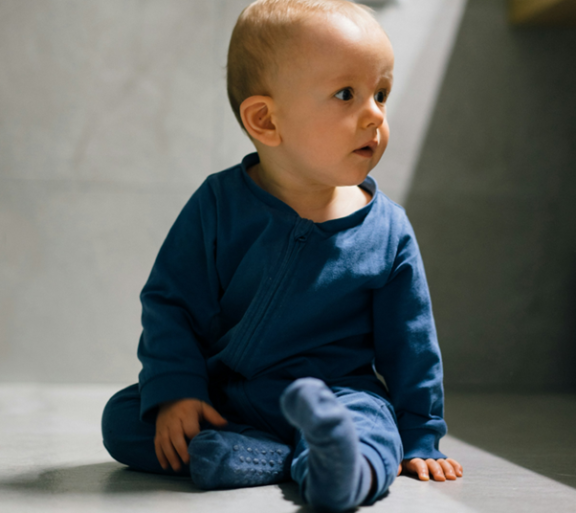
Source: Photo by Marcin Jozwiak on Unsplash
1. Product description: babywear
Babywear is meant for children with a maximum body height of 86 cm (broadly corresponding to children aged 0–24 months), according to the HS classification. It includes baby garments, clothing and accessories, made with either knitted/crocheted or non-knitted/crocheted materials. Materials include wool, fine animal hair, cotton, synthetic fibres and other textile materials. Gloves, mittens and mitts make up just 0.6% of the market, while other clothing accessories and garments (knitted/crocheted and non-knitted/crocheted) account for 99.4%.
HS codes include: 61112010, 61112090, 61113010, 61113090, 61119011, 61119019, 61119090, 62092000, 62093000, 62099010 and 62099090.
Sizing in babywear is primarily based on the height of the child in centimetres, although some markets use age in months or a combination of both. Sizing is not fully standardised across Europe. For example, Germany and the Netherlands use height-based numerical sizing, while France and Italy use age in months. There are also variations in sizing between individual brands and sometimes even regions. Always check your target market’s sizing system.
European parents have the following concerns when buying babywear:
- Natural and organic materials are preferred. Many European parents look for products that are free from harmful substances. Certifications such as GOTS and OEKO-TEX 100 provide assurance of this.
- Babywear cannot have loose buttons, long drawstrings or any small parts that could cause choking or strangulation. In the European Union (EU), children's clothing needs to follow the General Product Safety Directive and standard EN 14682.
- Babies need to be changed frequently, so loose-fitting garments, easy-to-use fastenings and envelope necklines are best.
- Soft, breathable fabrics are essential. Natural fibres, such as cotton and wool, are preferred for their breathability, softness and temperature-regulating properties.
- Babies' apparel items tend to get dirty quickly, so they need to be washable at high temperatures without shrinking or fading.
Babywear in Europe is manufactured primarily with cotton, which accounts for as much as 79.8% of the market. Wool is the second-largest fibre segment, accounting for 14.9% of the market.
2. What makes Europe an interesting market for babywear?
Europe is a large importer of babywear. In 2024, the value of babywear imports to Europe was €3.5 billion, up from €3.4 billion in 2019. From 2019–2024, the value of the EU’s babywear imports grew on average by 0.8% per year.
Figure 2: Despite declining birth rates, the market for babywear is still growing in Europe thanks to higher spending
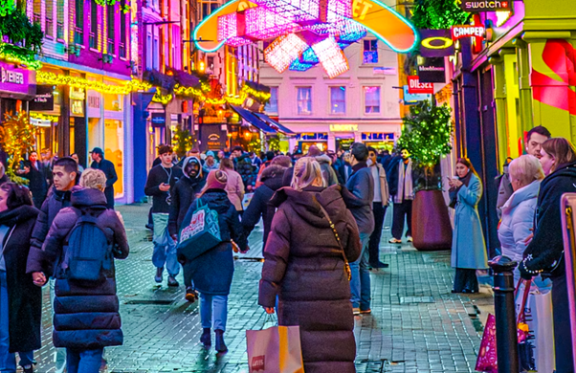
Source: Photo by Philippe BONTEMPS on Unsplash
Births in the EU fell from 4.17 million in 2019 to 3.55 million in 2024. The fertility rate was 1.34 births per woman in 2024, compared to 1.53 in 2019. Falling birth rates were offset by a number of factors that continue to drive growth in the European babywear market.
There is a strong market in Europe for baby gifts; i.e. new, high-quality and unique clothing. With the exception of Germany, where it is considered unlucky to purchase gifts before the birth of a child, baby showers for expectant mothers are a growing trend. In France, this happens on the child’s first birthday.
Purchasing decisions can be emotional if parents are buying for their babies, especially first-time parents. Peer pressure and social media also influence spending on higher-value and/or more unique apparel for babies and young children.
In 2024, the average age at which women in the EU had their first child was 29.9 years, up from 28.8 years in 2013. This represents an increase of more than a year over the past decade. Couples starting families later in life can spend more of their income on baby products. The growth in dual-income families has also resulted in the ‘premiumisation’ of babywear: end-consumers are willing to spend on premium babywear brands.
Most first-time European parents are Millennials (born 1981–1996). Millennials are active on social media, follow the latest trends more and are relatively environmentally aware. This drives growth in the sustainable, premium and luxury babywear segments. Most brands in the premium segment are small to medium-sized specialist babywear brands. French and Italian premium brands focus heavily on design, craftsmanship and high-quality materials, while Scandinavian brands tend to focus more on the sustainability of materials and processes.
European purchasing power
According to Eurostat, average yearly salaries in the EU grew by 21.4% between 2019–2024, while overall consumer prices rose by 23.4% over the same period. In real terms, household purchasing power only fell slightly over this period. Clothing and footwear prices rose by 10.3%, less than both wage growth and overall inflation. This means clothing became relatively more affordable. Geopolitical tensions, however, will probably put new pressure on household budgets in Europe.
During difficult economic times, babywear is usually more resilient than adult apparel. Parents keep buying new items because children outgrow their clothes. Economic pressure typically drives growth in the budget and second-hand segments. The premium segment is expected to stay strong amongst older, dual-income millennial parents. This is because the emotional and social reasons behind spending described above will still outweigh price sensitivity.
Source: Eurostat, 2026
In 2024, the EU exported €2.2 billion worth of babywear (up from €1.8 billion in 2019). EU babywear exports grew at an average yearly rate of 4.4% between 2019 and 2024. The biggest EU exporters in 2024 were Spain (€614 million), Poland (€296 million), Germany (€262 million), the Netherlands (€241 million), France (€219 million) and Italy (€158 million). Together, these 6 countries represent over 79.4% of the EU’s babywear apparel exports.
Spain, Poland and the Netherlands have seen the strongest export growth within this group, with an average yearly increase between 4.1% and 10.9%. France and Italy recorded negative growth rates of 3.9% and 0.2%, respectively.
Source: Eurostat, 2026
Currently, 49.7% of EU babywear imports come from outside, and 50.3% from inside the EU. In 2024, suppliers from low- and middle-income countries (LMICs) supplied 48.5% of all babywear imports into the European Union in terms of value (down from 56.1% in 2019). Suppliers from the rest of the world supplied 1.1% of the import value (down from 3.1% in 2019). The value of European Union babywear imports from LMICs was €1.73 billion in 2024. On average, these imports have decreased by 2.1% per year since 2019.
Many items exported by EU countries to other EU countries are originally made in emerging economies. The top 5 intra-EU exporters of babywear are also amongst the top 6 importers, suggesting that these EU countries are becoming important distribution hubs. Despite the decline in imports from LMICs, direct and indirect trade with these countries is expected to continue. So, opportunities remain for suppliers in these markets.
Source: Eurostat, 2026
Europe’s extra-EU babywear imports are dominated by Bangladesh, China, and India. Together, these 3 countries account for 37.4% of all babywear imports into the European Union. Bangladesh is the single largest Babywear exporter to the EU with 15.6% of the EU imports value in 2024, having overtaken China in 2023. It is followed by China with 13.9%, India with 8%, and Türkiye with 2.6%. Other extra-EU Babywear exporters have market shares of 1.5% or less of the overall Babywear import value.
China lost up to 5.2% of its market share during the 2019–2024 period while 3 lower-cost countries in the top 10 increased their market share: Bangladesh (0.2%), India (0.3%) and Sri Lanka (0.4%). The value of the United Kingdom’s (UK) exports of babywear to the EU declined by an average of 25.6% per year. This shows the continued impact of Brexit on trade.
Making up 28.3% of all intra-EU babywear imports, Spain, Poland and Germany dominate the intra-EU trade in babywear. These countries are followed by the Netherlands (6.1%), France (3.7%) and Portugal (2.6%). With the exception of France, all these countries increased their market shares between 2019 and 2024.
Table 1: Top 10 extra-EU babywear exporters to the European Union, 2024 value in €; average yearly growth
| Country | 2024 value | 2019-2024 growth |
|---|---|---|
| Bangladesh | € 556 m | 1.1% |
| China | € 497 m | -5.4% |
| India | € 285 m | 1.6% |
| Türkiye | € 93.7 m | -3.1% |
| Cambodia | € 53.1 m | -5.7% |
| Sri Lanka | € 45.7 m | 8.7% |
| Morocco | € 42.2 m | -9.6% |
| Pakistan | € 34.0 m | -5.2% |
| Myanmar | € 31.2 m | -4.9% |
| United Kingdom | € 20.7 m | -25.6% |
Table 2: Top intra-EU babywear exporters to the European Union, 2024 value in €; average yearly growth
| Country | 2024 value | 2019-2024 growth |
|---|---|---|
| Spain | € 472 m | 14.4% |
| Poland | € 288 m | 7.1% |
| Germany | € 251 m | 2.1% |
| Netherlands | € 217 m | 5.2% |
| France | € 133 m | -6.9% |
| Portugal | € 91.4 m | 10.1% |
| Italy | € 71.9 m | -4.4% |
| Denmark | € 57.4 m | 16.8% |
| Belgium | € 39.9 m | -4.4% |
| Czechia | € 35.5 m | 3.7% |
| Total EU imports | € 3.57 bn | 0.8% |
Source: Eurostat, 2026
Tips:
- China's market share of EU babywear imports declined by 5.2% between 2019 and 2024. This means there is an opportunity for suppliers in other countries to fill the gap. Focus on the markets where China's decline has been the fastest: Poland (-16.3% per year) and Italy (-9.7% per year).
- When approaching European buyers, research their current supplier base before making contact. Understanding which countries your potential buyer currently sources from allows you to understand your buyer and make a unique proposal.
- Make sure your factory has a professional webpage and up-to-date company profile. European buyers will do online research on potential suppliers before agreeing to meet. A poorly presented or outdated online profile can undermine your business.
3. Which European countries offer the most opportunities for babywear?
The top babywear import markets in the EU are Germany, France, Spain, Poland, Italy and the Netherlands. These top 6 countries together account for 72.7% of babywear imports in the EU and grew at an average rate of 1.4% per year during the 2019–2024 period.
Table 3: Top 10 EU importers of babywear, 2024 EUR value; average yearly growth; low- and middle-income countries (LMICs) imports
| Country | Value | 5-yr growth | LMIC import share 2024 | LMIC import 5-yr growth | LMIC import share change 2019–2024 |
|---|---|---|---|---|---|
| Germany | € 572 m | 1.0% | 47.4% | 0.7% | -0.6% |
| France | € 561 m | -2.7% | 65.9% | -3.9% | -4.3% |
| Spain | € 439 m | -5.0% | 64.5% | -7.6% | -9.6% |
| Poland | € 371 m | 12.5% | 40.5% | 4.5% | -18.0% |
| Italy | € 341 m | 1.3% | 41.8% | -5.1% | -16.2% |
| Netherlands | € 316 m | 1.3% | 62.3% | -2.8% | -14.3% |
| Belgium | € 129 m | -2.0% | 29.3% | -11.3% | -19.1% |
| Portugal | € 97.9 m | 5.3% | 20.2% | 8.9% | 3.1% |
| Romania | € 94.3 m | 8.3% | 45.6% | 51.2% | 37.0% |
| Austria | € 77.8 m | -2.2% | 9.1% | -13.8% | -7.9% |
Source: Eurostat, 2026
France, Spain and the Netherlands import 60% of their baby wear from LMICs. This makes them stand out from the other top 10 EU babywear importers. The EU average is 48.5%. Germany, Poland, Portugal and Romania all increased the value of their babywear imports from LMICs between 2019 and 2024. Only Portugal and Romania increased their overall share of imports from LMICs.
China is still the top sourcing country for France, Spain, Italy and the Netherlands. However, its market share is decreasing in all of the top 6 markets by an average of between 1.4% (Germany) and 16.3% (Poland) per year. With production moving away from China and with further potential for growth, babywear offers opportunities for skilled manufacturers in other LMICs.
Table 4: Top 6 EU importers of babywear, wage growth 2019–2024 in EUR, cumulative inflation 2019–2024, harmonised index of consumer prices (HICP) for clothing and footwear 2024
| Country | Wages 2024 | wage growth % 2019–2024 | Consumer prices cumulative inflation % 2019-2024 | Wage - inflation differential % | Clothing and footwear consumer prices 2024 | Clothing and footwear prices cumulative inflation % 2019–2024 |
|---|---|---|---|---|---|---|
| EU | 39,808 | 21.4% | 23.4% | -2.0% | 111.19 | 10.3% |
| Germany | 53,791 | 20.0% | 22.3% | -2.3% | 115.60 | 11.0% |
| France | 43,790 | 14.3% | 17.5% | -3.2% | 105.75 | 5.6% |
| Spain | 33,700 | 19.6% | 18.3% | 1.3% | 107.83 | 3.6% |
| Poland | 21,246 | 55.8% | 41.9% | 13.9% | 93.50 | 8.3% |
| Italy | 33,523 | 11.0% | 18.5% | -7.5% | 109.90 | 8.4% |
| Netherlands | No data | No data | 24.7% | N/A | 114.92 | 14.6% |
Source: Eurostat, 2026
Between 2019 and 2024, consumer prices rose faster than wages in most EU babywear markets. Households in France (-3.2%) and Italy (-7.5%) saw the largest fall in real purchasing power. Poland is a clear exception. Here, wage growth of 55.8% outpaced inflation of 41.9%, resulting in a positive differential of +13.9%. On the other hand, clothing and footwear inflation remained well below overall consumer price inflation in all countries, ranging from 3.6% (Spain) to 14.6% (the Netherlands).
Source: Eurostat, 2026
Germany: Europe’s most populous country
Germany is the largest babywear market in Europe. The market was worth €572 million in 2024 (up from €545 million in 2019). Germany is also Europe’s most populous country and had the highest number of live births in 2024, accounting for more than 19% of all births. Children under 15 made up only 13.9% of the population in 2024, slightly below the EU average of 14.6%. Of the 6 largest babywear importing countries, Germany was the only country where the proportion of children increased: from 13.6% in 2019 to 13.9% in 2024.
Germany’s fertility rate has decreased from 1.54 children per woman in 2019 to 1.36 children per woman in 2024. This is in line with the EU average. Prior to that, it had been showing consistent growth. This was due to policies aimed at improving access to childcare, expanding maternity and paternity benefits and the arrival of immigrants.
Table 5: Germany’s population trends
| Population size 2024 | % of total EU population | Total live births 2024 | Fertility rate 2024 | Change in fertility rate 2019–2024 | Children (<15 years) as % of population 2024 | Change in share of population 2019–2024 % |
|---|---|---|---|---|---|---|
| 83,460,000 | 18.6% | 680000 | 1.36 | -0.18 | 13.9% | 0.3% |
Source: Eurostat, 2026
Germany has strict and increasing sustainability and circularity requirements, due to national legislation and policies. Some German legislation regarding harmful chemicals goes beyond EU REACH legislation. It also has its own social and environmental standard: the Grüner Knopf label. This label is displayed on garments at the point of sale. Although investment in chemical management and certification is required, this will provide opportunities for higher quality and sustainable products that are in line with overall segment trends in the coming years.
Between 2019 and 2024, the value of Germany’s babywear imports grew at an average rate of 1% per year, just above the EU average. Currently, 52.1% of German babywear imports originate in European countries and 47.4% in LMICs, mainly in Bangladesh, China and India. While China and India both lost market share, Poland, Bangladesh and Türkiye increased their market share between 2019 and 2024.
German parents prefer practical, durable and functional babywear in dark colour palettes. Quality, safety credentials and certified organic materials are particularly important.
Well-known German brands specialising in babywear include Ernsting Family, Noé & Zoë, Boboli, Schiesser, Sanetta, hessnatur, Sense Organics and Sterntaler.
France: A country with a relatively high fertility rate
France is the second-largest babywear market in Europe with a value of €561 million in 2024 (down from €644 million in 2019). France also has the second-largest population in the EU, and a high proportion of children. In 2024, children (aged <15 years) made up 16.9% of the French population, down from 18% in 2019. This was the highest of the top 10 importing countries, and lower only than Ireland (18.9%) and Sweden (17.1%) within the EU 27.
At 1.61 children per woman, France currently has the highest fertility rate of all EU countries except Bulgaria.
Table 6: France’s population trends
| Population size 2024 | % of total EU population | Total live births 2024 | Fertility rate 2024 | Change in fertility rate 2019–2024 | Children (<15 years) as % of population 2024 | Change in share of population 2019–2024 |
|---|---|---|---|---|---|---|
| 68,470,000 | 15.2% | 660000 | 1.61 | -0.25 | 16.9% | -1.1% |
Source: Eurostat, 2026
Between 2019 and 2025, the overall value of France’s babywear imports declined on average by 2.7% per year. The value of its babywear imports from LMICs declined by 3.9% per year during the same time. The country remains the biggest importer of babywear from LMICs however, with 65.9% of its imports coming from LMIC producers and 33.1% from other EU countries.
China (23.9%), Bangladesh and Spain are the biggest exporters of babywear to France. Between 2019 and 2024, the value of babywear imports from China declined on average by 7.2% per year. During the same time frame, imports from Bangladesh and Spain increased by 5.7% and 2.9%, respectively. It seems there are opportunities to take market share from China.
French legislation regarding sustainability is becoming stricter. It is now a legal requirement in France to inform end-consumers about products that contain one or more substances on the REACH Substances of Very High Concern (SVHC) list. Meeting French buyer requirements can be difficult, but demand for sustainable products is high. The volume/budget segment is big, but price pressure remains high.
French buyers prefer classic, elegant and timeless pieces rather than trend-driven styles. Gifting occasions, such as first birthdays (when French baby showers are traditionally held), drive demand for well-packaged, unique products. The presentation and packaging are almost as important as the garments themselves.
Larger budget retailers selling babywear include Carrefour, Bonprix and La Redoute. Smaller specialist baby and childrenswear brands are also popular in France. Famous chains can be found all over Europe, including Jacadi, Okaidi, Petit Bateau, Tartine et Chocolat, Sergent Major and Joli Brin.
Spain: Domestic manufacturing and import from LMICs
Spain is the third-largest babywear market in Europe with a value of €439 million in 2024 (down from €567 million in 2019). It had the second-lowest fertility rate in Europe at 1.1 children per woman in 2024, down from 1.23 in 2019.
Table 7: Spain’s population trends
| Population size 2024 | % of total EU population | Total live births 2024 | Fertility rate 2024 | Change in fertility rate 2019–2024 | Children (<15 years) as % of population 2024 | Change in share of population 2019–2024 |
|---|---|---|---|---|---|---|
| 48,620,000 | 10.8% | 320000 | 1.10 | -0.13 | 13.2% | -1.5% |
Source: Eurostat, 2026
Between 2019 and 2024, Spain’s babywear imports by value declined on average by 5% per year. Spain was the largest importer of babywear from LMICs as a proportion of its total babywear imports, but it was recently overtaken by France. Currently, 64.5% of Spain’s babywear imports originate from LMICs and 35.4% from other European countries.
While China remains the top babywear exporter to Spain with €82.6 million, it is closely followed by Bangladesh with €70.6 million.
Many Spanish brands manufacture in Spain or close to home, producing smaller, high-quality orders. Portugal increased its share of babywear exports to Spain by 8.7% between 2019 and 2024.
Spain's position as one of the EU's largest babywear importers from LMICs and its position as the largest babywear exporter in the EU is, in part, explained by Inditex’s centralised distribution model. Inditex is the world's largest fashion retailer. Its brands, including Zara Kids, source globally, with goods flowing through Spain before being redistributed throughout Europe.
Türkiye and Morocco are expected to take market share from China, as their 5-year average growth is 12% and 18%, respectively, compared to China’s 1.2%.
Traditional Spanish babywear tends to be more decorative than babywear in Northern Europe, with brighter colours, embroidery and detailed finishing. Occasion wear (christenings and family celebrations) is an important category.
Well-known Spanish babywear brands include Mayoral, Tiny Cottons, Pomeranian Kids, Cóndor, M&H Babywear, Martin Aranda and Mi Lucero. Spain’s largest international retailer, Zara, also has an extensive collection of babywear.
Poland: The fastest-growing large economy in Europe
Poland is the fourth-largest babywear market in Europe with a value of €371 million in 2024 (up from €206 million in 2019). In 2024, the Polish fertility rate was 1.14 children per woman, down from 1.44 in 2019.
Table 8: Poland’s population trends
| Population size 2024 | % of total EU population | Total live births 2024 | Fertility rate 2024 | Change in fertility rate 2019–2024 | Children (<15 years) as % of population 2024 | Change in share of population 2019–2024 |
|---|---|---|---|---|---|---|
| 36,620,000 | 8.2% | 250000 | 1.14 | -0.30 | 15.1% | -0.3% |
Source: Eurostat, 2026
Between 2019 and 2024, the value of Poland’s babywear imports grew on average by 12.5% per year, making it the fastest-growing market for babywear in the top 6 of European importers. At 4.5%, Poland also had the highest growth of babywear imports from LMICs among the top 6 European countries. Currently, 40.5% of Poland’s babywear imports originate from LMICs, and the remaining 59.5% originate from Europe. Despite high growth, the share of imports from LMICs is declining.
Spain, Bangladesh and Germany are the largest exporters of babywear to Poland.
In 2023, Spain overtook Bangladesh with a 27.4% export share (compared to Bangladesh’s 22.2% and Germany’s 20.3%). Spanish brands Zara and Mayoral are well established in Poland. Meanwhile, China’s share declined by 16.3%.
Polish babywear preferences are more practical and value-driven than Western Europe, reflecting a more price-sensitive market. Clean, simple designs in neutral or primary colours are common. However, as disposable incomes rise, demand for better quality and more distinctive designs is growing.
Well-known Polish babywear brands include Coccodrillo, Pinokio and 5.10.15.
Italy: A leader in luxury baby and children’s apparel
Italy is the fifth-largest babywear import market in Europe with a value of €341 million in 2024 (up from €319 million in 2019). However, in 2024, the country had the fifth-lowest fertility rate in the EU (behind Malta, Spain, Lithuania and Poland) at 1.18 children per woman, down from 1.27 in 2019.
Table 9: Italy’s population trends
| Population size 2024 | % of total EU population | Total live births 2024 | Fertility rate 2024 | Change in fertility rate 2019–2024 | Children (<15 years) as % of population 2024 | Change in share of population 2019–2024 |
|---|---|---|---|---|---|---|
| 58,970,000 | 13.1% | 370000 | 1.18 | -0.09 | 12.2% | -1.0% |
Source: Eurostat, 2026
Between 2019 and 2024, the value of Italy’s babywear imports grew on average by 1.3% per year. This was 0.5% above the EU average.
Currently, 41.8% of Italy’s babywear imports originate in LMICs and 57.1% in other EU countries. Between 2019 and 2024, the value of Italy’s babywear imports from LMICs declined at a yearly average rate of 5.1%.
There has been a big decline of imports from China and Bangladesh (by 9% and 2.2% each year, respectively). Spain’s exports to Italy increased on average by 13.2% each year. In 2023, Spain overtook China to become the number one exporter of babywear to Italy. This is likely driven in large part by the retail and distribution operations of large Spanish brands rather than traditional manufacturing.
The Italian babywear market is focused on craftsmanship, fine fabrics and decorative detail. Occasion wear for christenings and family events is important. Design and visual quality are expected, even at mid-market price points.
Several Italian luxury fashion houses – including Dolce & Gabbana, Armani, Gucci, Versace, Moschino and Fendi – now offer dedicated babywear and children's clothing lines. These collections offer the same high-quality materials, craftsmanship and distinctive designs as their adult collections. They are positioned at the top end of the market. Design requirements and complexity are therefore high and quantities are low.
Other Italian brands that focus on children’s wear include Prenatal, La Stupenderia, Il Gufo, and Monnalisa.
The Netherlands: Europe’s apparel distribution hub
The Netherlands is the sixth-largest babywear market in Europe with a value of €316 million in 2024 (up from €296 million in 2019). The Netherlands’ fertility rate is 1.43 children per woman, above the EU average of 1.34.
Table 10: Dutch population trends
| Population size 2024 | % of total EU population | Total live births 2024 | Fertility rate 2024 | Change in fertility rate 2019–2024 | Children (<15 years) as % of population 2024 | Change in share of population 2019–2024 |
|---|---|---|---|---|---|---|
| 17,940,000 | 4.0% | 170000 | 1.43 | -0.14 | 15.1% | -0.8% |
Source: Eurostat, 2026
Currently, 62.3% of the Netherlands’ babywear comes from LMICs and 36.9% from other European countries. Between 2019 and 2024, the value of Dutch babywear imports grew on average by 1.3% per year (0.5% above the EU average). Babywear imports from LMICs declined at an average rate of 2.8%.
China, India and Bangladesh are currently the biggest babywear exporters to the Netherlands. However, the value of Chinese and Bangladeshi imports declined by 3% and 10.1% respectively per year during the 2019–2024 period.
The country is more and more becoming a hub for apparel distribution within the EU. Between 2019 and 2024, Dutch babywear exports grew by more than any other non-manufacturing country. A large part of its imports (from LMICs or European countries) are re-exported (redistributed) elsewhere within the European Union. This means that the Netherlands’ position as the 6th-largest importer of babywear could be misleading because the actual size of the local market is much smaller.
Dutch babywear favours minimalist, gender-neutral designs in muted, natural tones. Sustainability credentials and certified organic materials are important.
Well-known Dutch babywear brands include Little Dutch, Sproet & Sprout, Oilily, Dirkje and Donsje. HEMA is the Netherlands' leading mass-market general retailer with a strong and well-established babywear offer.
Tips:
- Babywear design preferences vary across Europe, so adjust your designs accordingly. Northern and Western European markets favour minimalist, gender-neutral designs in natural tones. Southern European markets prefer more decorative styles with brighter colours and detailed finishing. French parents favour classic, timeless pieces. Polish consumers are more practical and value-driven.
- Before approaching a new market, research what sells there by browsing the websites of mainstream European retailers and brands in that country. Retailers such as H&M, Zara, NEXT and M&S are useful reference points for mid-market mainstream babywear preferences across multiple markets.
Multi-brand online platforms often operate country-specific websites in multiple European markets. Browse the babywear section for each country to get a clear picture of what brands, styles and price points are popular in that market. Zalando, for example, has zalando.de for Germany, zalando.fr for France and zalando.es for Spain.- Visit European trade fairs that specifically cater to children’s wear (in person or via post-fair published reports). These include BEBE Paris (France), Kindermoden Nord, Kind + Jugend, Babini (formerly BabyWelt), Lokolino, Supreme Kids, infalino (Germany), Pitti Immagine Bimbo (Italy) and Children's Festival and Babykid Spain + FIMI (Spain).
4. Which trends offer opportunities or pose threats in the European babywear market?
The European babywear market follows the general apparel trends related to sustainability and increased emphasis on corporate and social responsibility. For more information, see the CBI study on Trends in the Apparel market. Aside from these general trends, the babywear market has its own, segment-specific trends:
Chemical safety - regulation and consumer demand are moving in the same direction
The EU's regulatory environment for babywear is getting stricter. In 2025, national market surveillance authorities across the EU reported 72 chemical risk alerts for textile products to the EU Rapid Alert System. This was an increase from 50 in 2020. In 2023, the European Chemicals Agency tested over 1,500 childcare products and found multiple harmful compounds in concentrations above EU limits. These findings, alongside other studies, have contributed to the European Commission's ongoing work to tighten restrictions on chemicals in products for children.
Consumers are also more concerned. A 2024 UK survey by the Women's Environmental Network found that 90% of parents were concerned or very concerned that toxic chemicals in baby products could harm their baby's health. For babywear, this trend is accelerating faster than in any other apparel segment.
Certification is becoming a basic requirement for European babywear buyers
European brands and retailers have turned to certification as proof of compliance as well as a marketing tool. In babywear specifically, ‘free from harmful substances’ and ‘certified organic’ have become prominent messages. OEKO-TEX and GOTS are the most widely recognised certifications in Europe.
- Obtain OEKO-TEX Standard 100 Product Class I certification before approaching European buyers. It is a minimum requirement more and more often. Many buyers do not consider uncertified suppliers. Note that every component of the finished product must be certified, including threads, buttons, zippers and labels, not just the main fabric.
- Since GOTS certification covers the entire supply chain – from raw fibre to finished product – you have to make sure your fabric suppliers, dye houses and processing facilities all hold GOTS certification, not just the final manufacturer.
For suppliers, investing in certification not only meets buyer requirements; it also enables brand partners to market to an ever better-informed European parent more effectively.
Figure 7: Certified organic cotton is a very popular requirement amongst European babywear brands and retailers
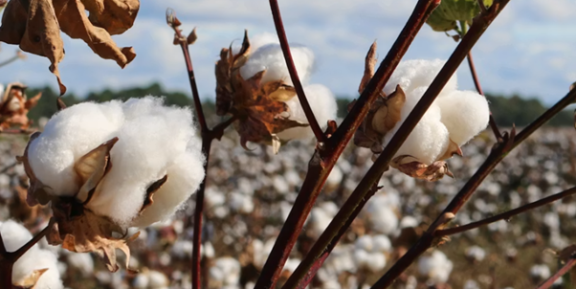
Source: Photo by Trisha Downing on Unsplash
Market polarisation: Premium and value segments outperform the middle
The European babywear market is shaped by two competing forces: economic pressure on household budgets and rising expectations amongst parents with higher budgets.
Older, dual-income millennial parents are driving growth at the premium end, spending more on quality, design and sustainability. At the same time, economic pressure and the short lifespan of babywear are driving growth at the budget end. The mid-market is under pressure from both directions.
For suppliers, the message is clear. Create a strong position at either end of the market. At the premium end, quality, traceability and sustainability are almost non-negotiable. At the budget end, low pricing, reliability and compliance with basic legislation are most important.
Best practice
SDF Clothing Bangladesh started as a small company in 1998, but it now serves many brands and retailers worldwide. The company presents its manufacturing capabilities clearly online, before showing a product portfolio. One of the advantages for European babywear buyers is that SDF Clothing offers low MOQs and holds certifications for social and sustainability standards, such as GOTS, GRS, OEKO-TEX, BSCI and SMETA.
Tips:
- Before investing in certification, carefully consider your target market positioning. OEKO-TEX Standard 100 is the most widely required certification across all market segments. It is the logical starting point for most suppliers. GOTS is primarily required by premium and specialist organic brands.
- Ensure that the chemical products your suppliers and dye houses use conform to the ZDHC Manufacturing Restricted Substances List (MRSL). This supports both GOTS and OEKO-TEX compliance, and it is more and more requested by European brands directly. A full list of MRSL-conformant chemical products can be found on the ZDHC Gateway.
- Contact an OEKO-TEX-approved testing institute directly. A full list is available at www.oeko-tex.com. They will guide you through the testing and certification process for your specific products.
- For GOTS, start by identifying which certification body is approved in your country on the GOTS website at www.global-standard.org. They can offer advice on the steps needed to get your supply chain into compliance before applying for certification.
FT Journalistiek carried out this study in partnership with Giovanni Beatrice on behalf of CBI.
Please review our market information disclaimer.
Search
Enter search terms to find market research