
CBI Annual Report 2025

2025 was a milestone year for CBI. It marked the end of CBI’s 2021–2025 strategy period which highlighted a major shift in how we work: From strengthening business ecosystems to making value chains more sustainable and inclusive through a systems approach. Across countries and sectors, we saw how a broader wider systems approach helped SMEs, women, and young people create new opportunities for sustainable production and trade.
2025 also marked the introduction of the new Dutch International Cooperation policy, which places a stronger emphasis on Dutch interests. In this context, the approach to Private Sector Development (PSD) now has a dual focus: combining development cooperation goals with Dutch economic and trade interests. At CBI, we contribute to this by enabling sustainable trade between low- and middle-income countries and the Dutch and European markets.
CBI strengthens sustainable value chains of importance to the Netherlands by supporting SMEs and their ecosystems in low- and middle-income countries with exports to the Netherlands and Europe. For example, by providing support in meeting European market standards, such as those arising from the European rules for responsible business conduct legislation. In doing so, we help Dutch businesses to secure responsible supplies in their chains.
The European Union sets high standards regarding people and the environment. For product supply security from the low- and middle-income countries, it is important that concrete actionableguidance helps lower trade barriers through clear information, advice, and support. Both exporters and European importers need practical information regarding regulations arising from the EU Green Deal, such as the EU Deforestation Regulation (EUDR), the Carbon Border Adjustment Mechanism (CBAM), and the Corporate Sustainability Due Diligence Directive (CSDDD). In this regard, the Netherlands benefits particularly from its position as a trade and logistics hub, processor, and transit country for many (agricultural) products.
In the 2025 Annual Report, we share several highlights of the previous year.
Countries, sectors and companies
In 2025, CBI was active in 19 countries in the agrifood, services and textiles sectors: Algeria, Bangladesh, Benin, Burkina Faso, Côte d’Ivoire, Egypt, Ethiopia, Ghana, Guinea, Indonesia, Jordan, Kenya, Lebanon, Morocco, Nigeria, Uganda, Senegal, Tunisia, and Vietnam.
2025 achievements that stand out:
- We supported 39 sectors in becoming inclusive and sustainable.
- We collaborated with 299 SMEs in 2025.
- We supported 60 Business Support Organisations (BSOs) and collaborated with 88 different organisations (government bodies, NGO’s and other development organisations).
Export figures
As we continued to gain experience with a systems approach in 2025, the partner SMEs also achieved strong export results across international markets.
Throughout the year, the SMEs we worked with exported a total value of over €430 million. Roughly 75% of this was to Europe.
Employment figures: Decent jobs
An important part of CBI’s mission is to support creating decent jobs.
In 2025, CBI initiatives supported 43,614 direct jobs. A large part of this were full-time jobs. The total amount of jobs supported depends naturally on the sector and project.
Women are business catalysts
Across many of the sectors in which CBI works, women have a leading role in business growth, innovation and employment. In 2025, we continued to collaborate with women entrepreneurs, encouraging women to take on management positions and supporting access to decent work. The results are positive.
- About 61% of the direct jobs within the SMEs we worked with were held by women (20,362 FTE).
- Almost one-third (28%) of the companies we supported in 2025 were women-led: 84 out of 299 SMEs.
Building an inclusive and circular apparel sector in Tunesia
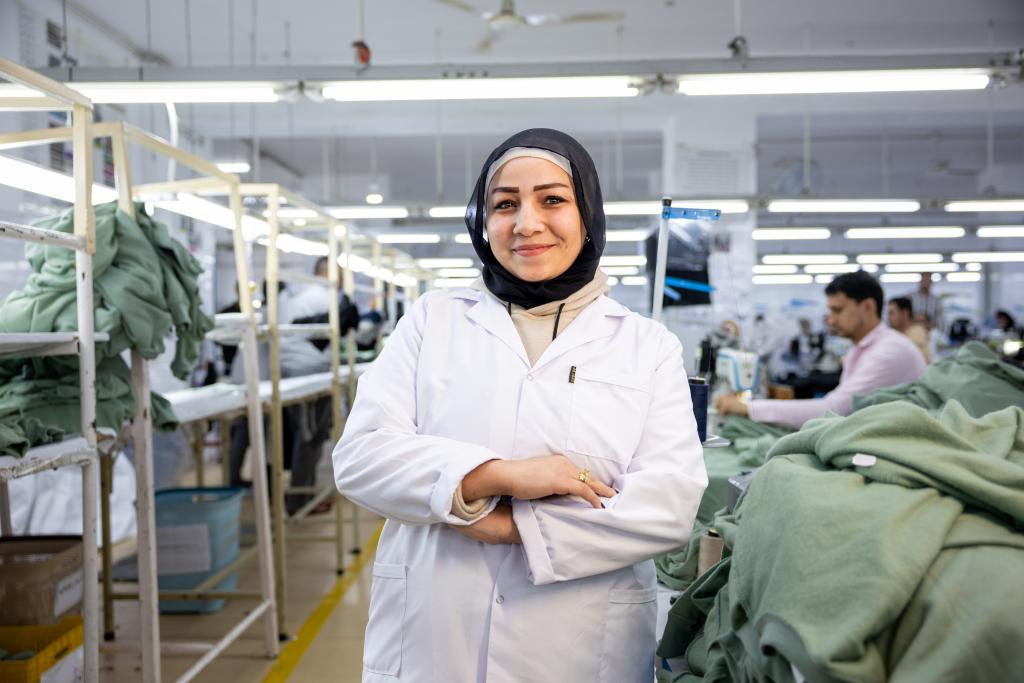
The Tunisia Circular Apparel programme (2023–2027) illustrates how collaborating with women as socioeconomic game changers gains momentum. Tunisia produces high-quality apparel for some of Europe's biggest fashion brands. CBI launched the Tunisia Circular Apparel programme to work with 18 frontrunner companies on developing circular business models, opening doors to new Dutch and EU markets, and raising the profile of Tunisian apparel as a sustainable sourcing destination. The project involves several large Tunisian companies with many employees, the majority of whom are women in full-time roles.
Learn more about Circular Apparel Tunisia
Kenya’s women strong together
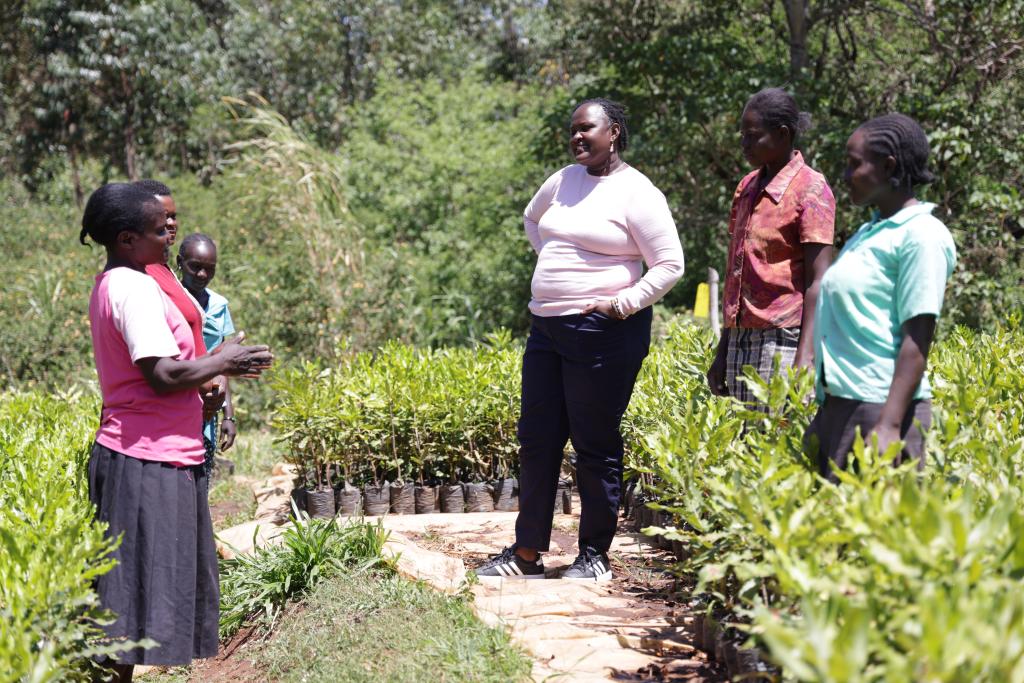
Another inspiring example of women in business throughout 2025 is CBI’s Kenya Women’s Economic Empowerment project (2021–2027). The project, which is nearing its final phase, aims to collaborate with Kenya’s many talented women entrepreneurs, encourage trade support institutions to become more gender-responsive, change systems to facilitate access to finance, and connect women entrepreneurs to Dutch and European markets. One of the highlights has been the establishment of the One Voice Women’s Trade Network. This is a new, and now officially registered, Kenyan organisation for women in trade ‘to advance a gender-responsive ecosystem that enhances the participation and competitiveness of women in export trade’.
One Voice for Women in Trade
Visit One Voice to learn more.
The youth’s economic impact
Younger generations in low- and middle-income countries can have a huge positive impact on economies. Finding decent jobs or starting a business can be challenging. At the same time, businesses across countries and sectors struggle to find young new staff. This is why we devote special attention to youth employment in CBI projects. As in previous years, we witnessed exciting progress in 2025.
In 2025, 35% of employees at partner SMEs were under 25. This percentage is in line with the past years: In 2024, young people accounted for 30%.
Here are more facts and figures on youth employment:
- While young people made up 35% of all employees, they accounted for 30% of total FTEs in 2025. This tells us that younger staff members worked a smaller share of the total full-time working hours, in part-time or in seasonal jobs.
- Of the 299 SMEs we collaborated with in 2025, 40 (13%) were run by entrepreneurs under 35.
- In the Morocco ITO project, we engaged youth through the establishment of Youth Advisory Committees (YACs).
Connecting Morocco’s next-gen workers and entrepreneurs

Morocco is fast becoming the leading digital outsourcing hub in Africa. Its olive oil sector also has exciting growth potential. However, only a low number of young Moroccans have good jobs in either of these two growth sectors, while SMEs struggle to attract and retain the young talent they need to grow.
CBI’s Morocco IT Outsourcing (ITO) project and its Morocco Olive Oil and Youth project, AnMOON, help to change this. Key elements of the projects include:
- Working with young people through a YAC.
- Reskilling partners, educational institutions, regional employment agencies, and sector partners to train young people with the skills SMEs need.
- Matching and connecting SMEs and young people through tools like the Tamheen internship programme in ITO, job fairs, university workshops, and AI-assisted profile matching.
Market information
We believe that access to quality market information is of the highest value for SMEs from low- and middle-income countries to successfully export to Europe. So, market information provides crucial insights for strengthening local economic development. Therefore, a significant part of our work involves gathering high-quality information on Dutch and European markets, trends and regulations, and sharing it with SMEs and the business community in our partner countries.
The following key trends for the Dutch and European market emerge from the market intelligence (MI) reports:
- Growing demand for health and well-being;
- Increasing attention to sustainability and ethical sourcing among European consumers;
- The importance of transparency and traceability in supply chains;
- Rising demand for natural and ‘clean label’ products;
- Growing interest in international flavors and ingredients as a result of globalisation.
Throughout 2025, demand for CBI’s market intelligence remained high across multiple sectors and regions. We published over 200 studies and news articles across 13 sectors:
- Apparel
- Cocoa and cocoa products
- Coffee
- Fresh fruit and vegetables
- Grains, pulses and oilseeds
- Home decoration and home textiles
- IT Outsourcing
- Natural food additives
- Natural Ingredients for cosmetics
- Natural ingredients for health products
- Processed fruit and vegetables and edible nuts
- Spices and herbs
- Tourism
The 3 most-read sector publications on the website in 2025 were:
- Fresh Fruit and Vegetables
- Tourism
- Processed Fruit and Vegetables and Edible Nuts
The market information web pages attracted visitors from across the globe:
- Europe 33% (mostly the Netherlands)
- Asia 32% (mostly India)
- Africa 16% (mostly Egypt)
- North America 12% (mostly the United States)
- South America 6% (mostly Peru)
- Oceania 1% (mostly Australia)
Climate change
Climate change must be taken seriously now. Many of our partner countries already face daily climate change challenges. It affects their production, logistics, exports and livelihoods. That is why we addressed climate action and greening in our 2021–2025 strategy period.
Throughout 2025, we continued to integrate climate resilience into our programmes and sector partnerships. By the end of 2025, 13 projects were specifically focused on climate. In these projects, we covered crucial subjects, including:
- Climate adaptation in agricultural value chains
- Circularity in the textile sector
- Reducing deforestation risks in the coffee sector
- The transition from air freight to sea freight in the fruit and vegetable sector.
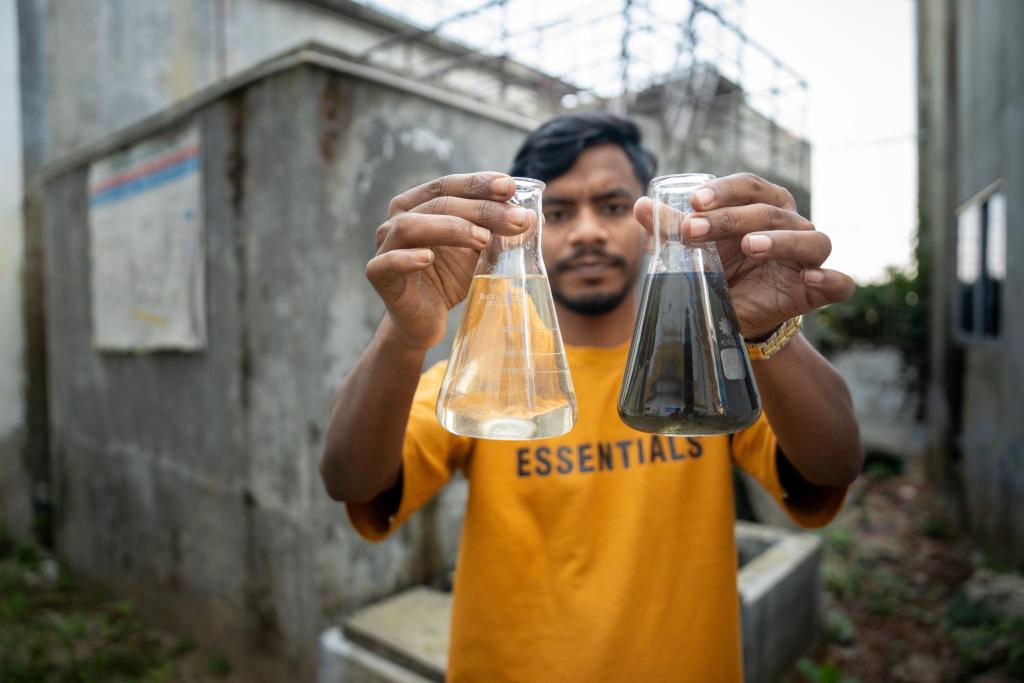
Our work in Ethiopia is just one of many exciting examples of how CBI’s approach to climate change is becoming broader and more profound. As part of this project, we collaborated to strengthen the agro-logistics chain for the export of fresh fruit and vegetables by sea freight, by training 13 exporters and organising the CBI Sea Freight Days for over 80 stakeholders.
Putting Ethiopia’s fresh produce on the menu in the Netherlands and Europe
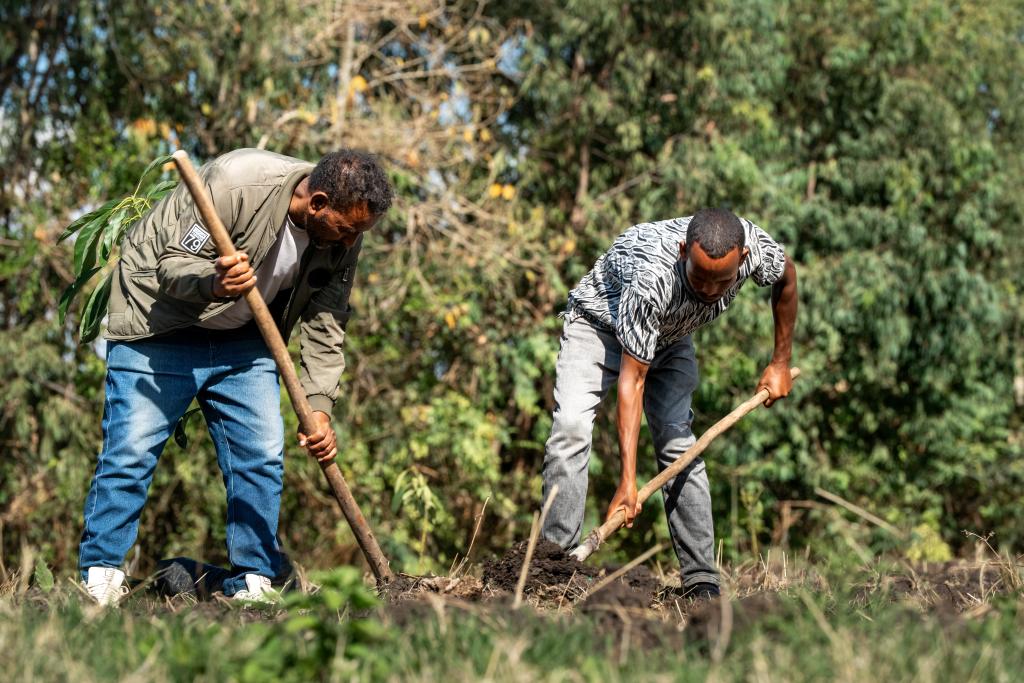
Ethiopia grows excellent fresh fruit and vegetables and is committed to increasing exports. The country invests in large-scale new infrastructure to promote sea freight, which is cheaper and more environmentally friendly than air freight. At the same time, sea freight allows for higher export volumes. The shift from air to sea freight is an essential priority in our Ethiopia FFV project. In the project, we collaborate with 13 SMEs that grow avocados, mangoes, bananas, green beans, and snow peas, as well as the Ethiopian Horticulture Producers and Exporters Association and the Ethiopian Agricultural Authority.
“Ethiopia has the natural conditions and is developing the infrastructure to become a strong exporter of fresh fruit and vegetables,” says programme manager, Anne-Marie Roorda. “Ethiopian SMEs are taking important steps toward reliable, sustainable, and competitive exports to the Gulf region and, in time, to the Netherlands and Europe.”
Learn more about the FFV project in Ethiopia
CBI’s Sustainable Business Award: frontrunners in the spotlight
Many companies we work with have a unique positive impact on the world we live in. To ensure their stories are heard and that Corporate Social Responsibility (CSR) receives the attention it deserves in international trade, we relaunched our business award programme with the support of Sustainable Economic Development department of the Dutch Ministry of Foreign Affairs: the CBI Sustainable Business Award 2025. The winner was Semhal Guesh, founder and CEO of Kabana Design, an Ethiopian manufacturer of high-end leather bags, fashion accessories and other durable goods. She received the Award at the Embassy of the Kingdom of the Netherlands in Ethiopia in the presence of the Dutch Ambassador to Ethiopia. Other nominees attended the digital ceremony at the embassies in Uganda and Nigeria.
For the awards programme, we received more than 60 submissions from SMEs across 25 countries. Award winner Kabana Design will visit the Netherlands to develop new partnerships, directly translating the Award’s recognition into concrete market access opportunities. Kabana sources 92% of its materials locally, provides fair jobs for women from vulnerable backgrounds and upcycles nearly all its leather waste into new products. The brand also supports Ethiopia’s Green Legacy Initiative through tree planting and CO₂ monitoring.
Meet some of the pioneers in sustainable production and trade
Dutch interest: Sustainable trade relations with the Netherlands
2025 marked the first year where we incorporated the engagements with Dutch companies into our annual data collection. The results provide initial insights at portfolio level, but should be considered exploratory:
- The agri-sector recorded the highest absolute number of SMEs in partner countries with Dutch business interactions, with 32 of 60 companies (53.3%) reporting engagement with Dutch companies.
- We see relatively high levels of interaction in projects such as Kenya Macadamia, Uganda Coffee, Senegal Horticulture and Burkina Faso Moringa.
- Among the countries with multiple CBI projects, Uganda, Ghana and Burkina Faso showed particularly strong levels of engagement with Dutch companies (32.4%, 35% and 60%, respectively).
More information
As we look ahead, our commitment remains unchanged. CBI will continue to work alongside SMEs, business ecosystems and trade partners to promote the transition to sustainable production and trade. For a full overview of how we will pursue this in the year ahead, we invite you to read the CBI Approach 2026.