
The UK and EU lead the way in promoting healthier food products
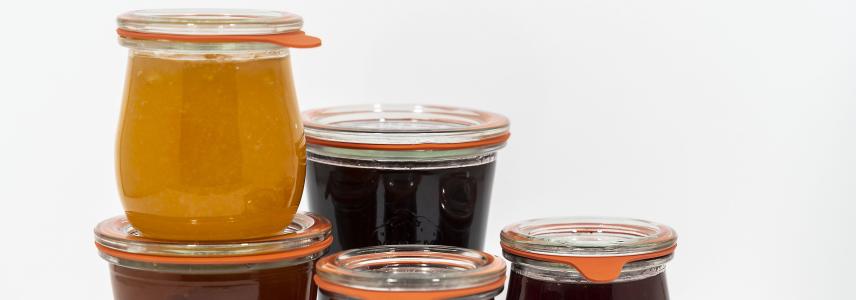
In June 2025, the United Kingdom (UK) introduced a new food standard designed to promote healthier food options. At the same time, new European rules and technology solutions cut sugar in processed products. These changes present new opportunities for processed fruit, vegetables and nut products exporters.
The UK adopts a new healthy food standard
The UK introduced a new food standard aimed at promoting healthier food and drinks. Innovation foundation Nesta proposed the standard. It is the world's first government-industry partnership to tackle obesity. Supermarkets and food manufacturers in the UK will collaborate to make the healthy choice the easy choice for consumers. Big retailers can:
- Reformulate products.
- Adjust recipes.
- Promote nutritious options in-store.
These actions could make a big difference to people’s lives. According to experts, cutting just 50 calories a day per person could help reduce obesity in 2 million adults.
The UK's health plan shows how small changes by an industry can have a significant and lasting impact. Businesses can choose how to meet the standard. For example, they can change shop layouts or offer loyalty rewards for healthy purchases. Also, major food retailers now must report their sales of healthy food. Transparency creates accountability and promotes equal access to healthier products.
The EU raises standards for jams and juices
European policymakers are following the UK's lead in promoting healthier diets. In May 2024, the European Union (EU) updated its Breakfast Directives for jams, juices, honey and other similar products. Part of the updated directives are changes to Annex I of the Fruit Juices and Soft Drinks Regulation which aim to improve product quality and reduce sugar intake. Some of the most important changes part of the Breakfast Directives are:
- The minimum fruit content in jams rises from 350 to 400 grams per kilo for regular jam and from 450 to 500 grams per kilo for extra jam.
- Manufacturers can use the new "reduced-sugar fruit juice" label if they remove at least 30% of the naturally occurring sugars.
- Producers who meet the standards may also state that their juices "contain only naturally occurring sugars".
These updates part of the Directive (EU) 2024/1438 aim to help consumers make healthier and more informed choices.
Entering the European market
To enter the European market, products such as jams and juices will now need higher fruit content and more transparent labelling. Public health groups, such as EuroHealthNet, urge policymakers to encourage food producers to improve the nutritional quality of their products. Policymakers will probably push for healthier options beyond jams and juices to other processed foods, including:
- Breakfast cereals;
- Mueslis;
- Fruit purees; and
- Nut-based butters.
Cutting sugar in juices
In order increase their market share, comply with new regulations and appeal to health-conscious consumers, many companies strive for better Nutri-Score ratings on their packaging. As a result, fruit drinks with less sugar are becoming more and more popular. In Europe, many pure fruit juices get an average Nutri-Score C due to their high natural sugar content. Modern innovation supports the healthier food movement in Europe. Processors now use sugar-reducing techniques to improve nutrition scores, such as:
- Filtration;
- Fermentation; and
- Enzymes.
For example, BlueTree Technologies has developed a patented process to remove natural sugar from fruit juice by up to 50% without adding any additives. This FDA- and EU-approved filtration technology physically removes sugar molecules from the juice while preserving the original taste, texture and nutrients. These innovations create opportunities for exporters who can supply juice concentrates and ingredients suitable for reformulation.
All these different measures reflect a wider trend in Europe towards preventive health measures. The focus of European businesses on healthier products creates new opportunities for suppliers worldwide who can offer healthier ingredients and lower-sugar recipes in processed food products.
Learn more
To learn more about health trends and regulation changes in the processed fruit and vegetables and edible nuts sector, read:
- Which trends offer opportunities or pose threats on the European processed fruit and vegetables market?
- What requirements must processed fruit, vegetables and edible nuts comply with to be allowed on the European markets?
Autentika Global wrote this news article for CBI.
Stay informed
To stay informed on the latest developments in the processed fruit and vegetables and edible nuts sector, subscribe to our newsletter.