
Natural beauty faces stricter rules
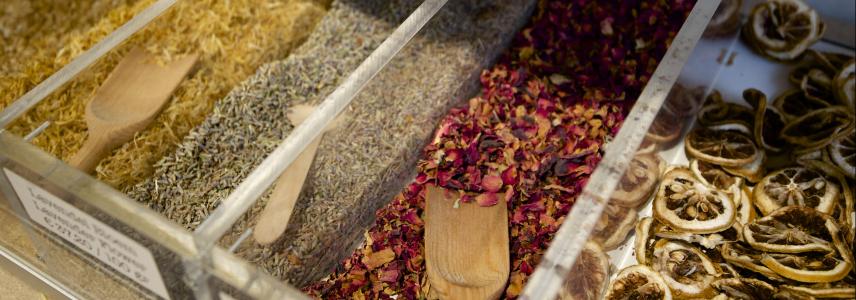
New European rules are reshaping the market for natural ingredients. Exporters must now meet stricter safety standards. They must support that their natural and sustainable claims with detailed evidence.
Natural ingredients have long defined so-called clean beauty. From shea butter and aloe vera to essential oils and extracts. But Europe’s regulatory landscape is changing. The message is clear: Natural is not enough.
Cosmetic regulations
Companies must already demonstrate that all cosmetic ingredients are safe, whether natural or synthetic. The European Union’s (EU) Cosmetics Regulation (1223/2009) states that rule. But the definition of what counts as safe is expanding. In May 2025, new restrictions under Commission Regulation (EU) 2025/877 introduced stricter limits and controls of substances that are:
- Considered hazardous; or
- Newly classified as harmful to human health.
That includes naturally occurring components such as coumarin, methyl eugenol, and estragole.
Green Claims Directive
These changes follow earlier updates. For example:
- Regulation 2023/1545 about fragrance allergens; and
- The coming Green Claims Directive, which is still under negotiation.
These rules will help control how companies carry out environmental marketing. There is also the Omnibus VI process, explained by the Cosmetics Europe Association. This aims to make chemical and cosmetic rules clearer while maintaining consumer protection. The measures focus on safety, transparency, and sustainability. Industry groups say these changes are good for safety, openness, and the environment. But they warn that the new rules should not be too difficult or costly for small and medium-sized companies (SMEs).
Export to the European market
Europe remains a global powerhouse for cosmetics. It accounts for about a quarter of the world market with retail sales of €104 billion in 2024. For exporters, EU compliance is the gateway to the most influential buyers in the sector.
These developments impact exporters from Africa, Asia, and Latin America. The EU classifies many natural materials as complex substances, such as essential oils and plant extracts. For example, the Scientific Committee on Consumer Safety (SCCS) recently reviewed tea tree oil. This is one of the world’s most used natural ingredients. The committee found it to be safe only under strict concentration limits and compositional specifications. This followed its classification as a suspected reproductive toxicant under the EU CLP Regulation. This case shows that authorities inspect even established materials for safety, consistency, and traceability.
Regulators will likely review other natural products soon, too. Particularly, essential oils and plant extracts, where composition and safety data remain incomplete.
Modern natural ingredients
When the EU updates its safety lists to reflect new scientific findings, assessments may lower the allowed concentration of certain substances or prohibit them altogether. To stay competitive, exporters should:
- Monitor EU updates.
- Know the detailed composition of their ingredients.
- Work with buyers to adjust specifications and documentation before new limits take effect.
At the same time, safety expectations are rising.
- Modern natural ingredients developed through advanced extraction often have detailed safety and efficacy data.
- Traditional natural ingredients often rely on historical use.
Regulators now demand stronger proof. So, suppliers of traditional ingredients must meet these stricter expectations. They can do so by investing in evidence to prove safety and performance.
Proof of sustainability
Under the EU Chemicals Strategy for Sustainability, regulators are reviewing complex natural substances to identify potential allergens or contaminants. To remain on the European market, even familiar ingredients will need:
- Clearer analytical data;
- Compositional consistency; and
- Traceability documentation.
New environmental laws also link sustainability to market access. The Corporate Sustainability Due Diligence Directive and EU Deforestation Regulation need companies to show that raw materials are not connected to:
- Illegal harvesting;
- Deforestation; or
- Poor labour conditions.
Buyers will expect exporters to provide evidence of this.
Regulators are raising the bar for proving safety. Meeting these new standards requires more effort and evidence, but it pays off. Compliance rewards exporters' commitment to:
- Quality;
- Transparency;
- Partnership.
Ultimately, this active approach strengthens market confidence in natural beauty.
Learn more
Would you like to learn more about exporting natural ingredients for cosmetics to Europe?
Then read:
- The EU Green Deal – How will it affect my business?
- Exporting natural ingredients for cosmetics to Europe
Also, visit the Cosmetics Europe Association website for ongoing updates on developments in European cosmetics regulation.
Fair Venture Consulting Limited wrote this news article on behalf of CBI. Please review our market information disclaimer.
Stay informed
To stay informed on the latest developments in the natural ingredients for cosmetics sector, subscribe to our newsletter.