
The European market potential for canned beans
Europe buys more canned beans than any other region of the world. Canned beans hold a firm place on European tables, and forecasts show steady growth until 2030. Because beans are a cheap and healthy protein, sales resist price fluctuations. Health trends, plant-based eating and a desire for quick meals increase demand further. Innovation in flavours and safe, light packaging strengthens long-term prospects for exporters. Top targets are the UK and Germany, with France, Austria, Romania and Sweden close behind.
Contents of this page
1. Product description: canned beans
Beans are the seeds of a flowering plant (Phaseolus vulgaris) belonging to the Fabaceae family. Canned beans are made by blanching fresh or frozen beans. The blanched beans are put in cans with water and salt, then sealed and processed at high temperatures under steam pressure. In Europe, kidney beans and green beans are the most consumed canned beans. As a time-saving alternative to dried kidney beans, which require longer to prepare, canned kidney beans have become a popular convenience food.
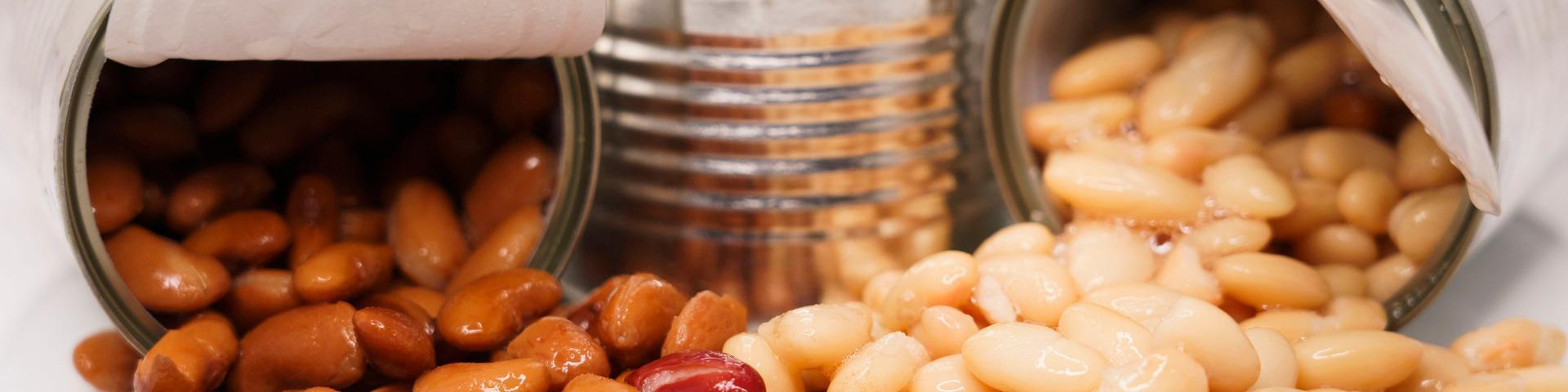
Figure 1: Canned Borlotti beans

Source: Autentika Global
The processing of canned beans varies by product, but typically involves the following steps:
- Post-harvesting operations take place after harvesting and include cleaning and shelling of pods, trimming (for green beans), washing and sizing the crop. These activities are often carried out with the assistance of purpose-built equipment, often using air and water flows to clean beans.
- Soaking and blanching make beans softer and eliminate gases present in beans, enhancing flavour. During the canning process, beans are first blanched by being quickly heated after soaking in a salt solution.
- Canning and packaging includes filling cans with beans and sealing them. Cans made of aluminium are by far the most common form of packaging, but jars, cartons and pouches are also standard. There has been a rise in demand for heat-resistant cartons such as the ‘Tetra Recart’, which are more portable and whose rectangular shape takes up less shelf space.
- Brine addition into cans is the next processing step. Depending on the recipe used, cans often contain equal volumes of brine and beans, though there are no strict rules about this ratio. The brine is usually composed of water and salt, sometimes with additives. Other common ingredients include sugar, spices, meat and sauces.
- Seaming is the process of sealing a cylindrical container and lid.
- Sterilisation and cooking at very high temperatures ensure that beans and pulses are cooked and preserved.
- Cooling, storing and labelling is the last step. Cans are cooled down in water, stacked and packed on pallets, and then stored in warehouses. Labels have to comply with European legislation and buyer requests.
To learn more about industrial processes in canned food production, read this chapter of the Thermal Treatments of Canned Foods publication from Springer Nature.
This study provides general information about the European market for canned beans for producers in developing countries. Please see Table 1 for specific products and product codes.
Table 1: Harmonised System (HS) codes for the trade in canned bean products
| HS codes | Product |
|---|---|
| 200559 | Unshelled beans, vigna spp., phaseolus spp., prepared or preserved other than in vinegar or acetic acid (excluding frozen) |
| 200551 | Shelled beans, vigna spp., phaseolus spp., prepared or preserved other than in vinegar or acetic acid (excluding frozen) |
Source: Autentika Global, Trademap, 2025
In this study, ‘Europe’ means the 27 European Union (EU) member states, the United Kingdom (UK), and the EFTA countries (Iceland, Liechtenstein, Norway and Switzerland). ‘Developing countries’ refers to nations on the OECD-DAC list of aid recipients for 2025.
2. What makes Europe an interesting market for canned beans?
In 2024, Europe was by far the largest importing region for canned beans, accounting for 57% of the world’s total imports. On average, European canned bean imports decreased just 0.1% in volume per year between 2020 and 2024. In 2024, 56% of all imports from outside Europe came from developing countries.
Looking ahead to the 2025-2030 period, the European market for canned legumes is expected to “experience significant growth”. The main reasons for this expected market growth are the appealing taste of canned beans as well as the health and nutritional benefits they provide. Another growth driver is a shift in consumer preference towards BPA-free packaging, which is increasing demand for canned legumes. A growing consumer preference for plant-based alternatives to animal proteins has also been driving the market in Europe.
While import volumes will continue to fluctuate, this will be due more to harvested crop volumes and price situations than changes in demand. Canned beans are high-protein and high-energy products suitable for people who are health-conscious and those with lifestyle-related medical disorders. Canned beans are preferred for quick bean-based meals as they are pre-soaked and require less cooking time. Numerous suppliers are launching ready-made products, such as beans in tomato sauce and different varieties of canned beans, offering more choices.
Because canned beans are a staple food with few convenient substitutes, their demand is relatively price inelastic. A May 2025 study by the USDA confirms that demand for staple foods is price inelastic, meaning that the quantity demanded falls only modestly when prices rise.
Source: Autentika Global, Eurostat, Trademap, UK Trade Info, 2025
Between 2020 and 2024, European imports of canned beans rose by 6.4% in value annually on average and fell by 0.1% in volume. Imports reached a value of €741.3 million and a volume of 595,065 tonnes in 2024. The higher growth in value than in volume indicates an increase in import prices.
In 2024, internal European trade accounted for 497,425 tonnes. Internal European trade consists of re‑exports of imported canned beans as well as added-value processing. European imports from developing countries decreased by 6,924 tonnes over the past five years, from 61,585 tonnes in 2020 to 54,661 tonnes in 2024.
Source: Autentika Global, Eurostat, Trademap, UK Trade Info, 2025
Note: The figure above represents apparent consumption (the difference between imports and exports). There is no exact data on canned bean consumption per country.
Consumption of canned beans in the top six European countries was estimated at 312,128 tonnes in 2024. Over the past 5 years, canned bean consumption remained stable, with a small growth rate of 0.1%. The UK, Germany, France, Romania, Austria and Sweden are the largest markets.
Tip:
- Check ITC Trademap for information about canned bean trade in the top European countries. The website provides quantitative data on imports and exports in all European countries in various metrics, including value and volume.
3. Which European countries offer the most opportunities for canned beans?
As Europe’s main consumer of canned beans, the UK is an interesting focus market and provides the best opportunities for canned beans. Other European countries that are large net importers and consumers are Germany, France, Romania, Sweden and Austria.
Source: Autentika Global, Eurostat, Trademap, UK Trade Info, 2025
Between 2020 and 2024, European canned bean imports decreased by on average 0.1% in volume to reach 595,065 tonnes in 2024. This means that the market remained stable in volume terms over the past 5 years.
United Kingdom: The largest European importer and consumer
The UK is a very large market for canned beans. The British famously eat baked beans (on toast), leading to a consumption of around 4.8 kg per person per year. They also buy kidney beans, chickpeas and other legumes for stews, curries and salads. Overall, UK demand is among Europe’s highest. Food service (cafés, pubs, schools) in the UK uses canned beans for baked beans, chili and meat substitutes.
Shoppers are price-sensitive and visit discount stores (Aldi/Lidl) for cheaper own-brand cans. Leading supermarkets (Tesco, Sainsbury’s, Asda, Morrisons, Co-op, Waitrose) offer both popular brands (Heinz, Princes) and premium or organic lines.
In 2024, the UK accounted for 25% of total European imports by volume. In the same year, the total value of UK imports was €172.3 million, with an average annual increase of 9.7% between 2020 and 2024. Despite the inflationary environment in Europe after COVID-19, UK imports still increased in volume by 0.4% each year between 2020 and 2024. Imports reached 149,987 tonnes in 2024.
The UK is the largest consumer of canned beans in Europe. The country’s apparent consumption of canned beans reached 120,619 tonnes in 2024, up from 100,369 tonnes in 2020. The UK imports only 3.6% of its canned beans from developing countries. Italy is the biggest player in the UK market with a 89.5% share of the market. The second-largest supplier is Spain with a 3.2% share. In 2024, the two largest developing-country suppliers were India (2.4%) and Türkiye (0.7%).
Major wholesalers (Booker, Bidfood) and food service companies (Compass Group, Sodexo) distribute canned beans. The Soil Association and UK Organic Standards are key for certified organic beans.
In the short term, canned bean demand in the UK is expected to remain steady even if inflation rises, because canned beans are an inexpensive protein. In the longer term, growth is expected as plant-based eating increases.
Germany: The biggest canned beans market in continental Europe
Germany is Europe’s second-largest importer of canned beans, accounting for 17% of total European imports by volume in 2024. In 2024, the total value of German imports was €125.6 million. German imports decreased by 5% in volume annually between 2020 and 2024, reaching 103,006 tonnes in 2024.
Germany is also the second-largest consumer of canned beans in Europe. German apparent consumption of canned beans fell to 97,448 tonnes in 2024, down from 119,142 tonnes in 2020. The highest apparent consumption level was seen in 2022, when apparent consumption peaked at 125,868 tonnes.
German consumers often eat beans in soups, salads and the famous baked beans breakfast. German production of canned beans is low, so import reliance is high.
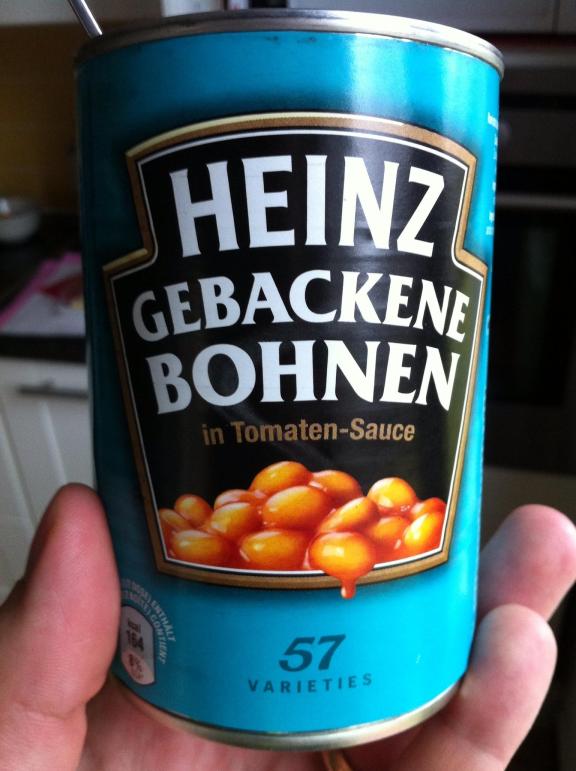
Figure 5: Canned baked beans in tomato sauce
Source: “Gebackene Bohnen - that will be the German for Baked Beans then!” by Richard Allaway, CC BY 2.0
In 2024, Germany imported 42% of its canned beans from Italy. However, the growth of direct imports from production countries is increasing, while imports from transit countries are decreasing. Imports from developing countries increased by 3.1% annually between 2020 and 2024. This trend offers better opportunities for emerging suppliers. The second-largest supplier to Germany is the Netherlands, with a 14% share, followed by Belgium (10%) and France (7%).
Organic beans must use the EU organic logo (with Germany’s optional Bio-Siegel). Taste-wise, German consumers enjoy white beans in tomato sauce, chili kidney beans and soup beans. Food service, with ready meals and canteens, and private labels drive demand. Discount chains like Aldi and Lidl offer cheap private-label beans, while chains like Edeka, Rewe, Kaufland and Metro sell both national and own-brand cans.
Processors and brands include H.J. Heinz (baked beans) and Bonduelle Germany. Food service groups like Eurest (part of Compass group) and SV Group also buy canned beans for catering.
France: a large but shrinking market
France is one of the leading importers, exporters and producers of canned beans (in French) in Europe. The main imports are special cuts. For example, finely‑selected green beans and mixed vegetables from Africa. French imports of canned beans increased by 2% on average in value, but decreased by 4% in volume annually between 2020 and 2024. In terms of volume, France accounted for 12% of all European canned bean imports in 2024. French imports of canned beans reached 71,644 tonnes and €125 million in 2024.
In 2024, the leading supplier of canned beans to France was the Netherlands, with a 24% share, followed by Kenya (22%), Spain (13%) and Madagascar (12%).
Kenya was the second-largest supplier to France in 2024. Although imports from the Netherlands exceeded Kenyan imports in that year, the value of Dutch imports decreased at a faster rate. French imports from the Netherlands decreased by 7.7% per year, while imports from Kenya dropped by 5.7% annually between 2020 and 2024.
Key French brands include Bonduelle and Cassegrain (also owned by Bonduelle group). French consumers eat beans in traditional stews (cassoulet) and canned salads. Retailers like E.Leclerc, Carrefour, Auchan and Intermarché all sell canned beans under national brands and private labels. Demand for canned beans in France is stable, as beans are staples in cuisine.
Fairtrade certification (for example, Max Havelaar) appeals to those concerned about social impact. French diet trends (Mediterranean, vegetarian diets) support bean usage.
Romania: A rapidly growing market
Romania’s canned bean market is emerging. Romanians traditionally cook dried beans at home, but canned beans and ready meals are gaining interest for convenience. Modern retail is growing: Kaufland, Lidl, Carrefour and Profi lead grocery sales. Their stores offer many imported and local canned beans (red kidney, white beans, chickpeas). Romania mostly imports beans from EU member states. The main suppliers include Italy with a 36% share, followed by Germany (26%), Spain (13%), Hungary (9%) and Portugal (6%).
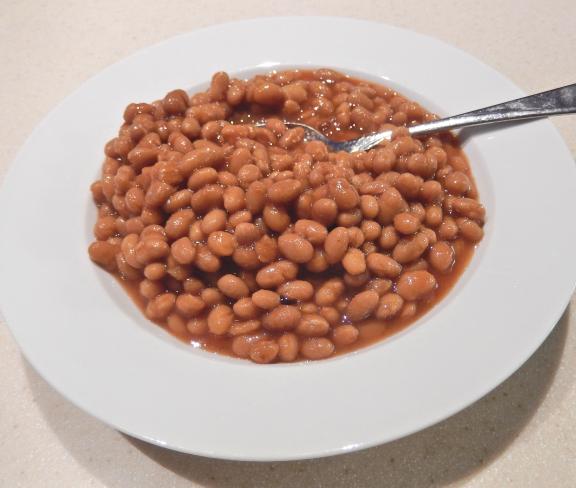
Figure 6: Serving of baked beans
Source: Image by pixel1 from Pixabay, use under Pixabay content license
Romania’s canned bean imports grew at an average annual rate of 9.8% between 2020 and 2024. This is a growing market, and suppliers from developing countries might have a competitive edge if they try to access it directly. Imports from developing countries are currently low. Their market share is 2%. There is room for competitively-priced canned beans, especially in discount chains and ethnic stores.
Diet trends in Romania are slower to change than in Western Europe. But as incomes rise, demand for packaged beans and ready-meal bean dishes (goulash, bean soup) is increasing. Short-term, demand is likely to continue rising. Long-term, Romanian consumers will continue to shift towards convenience (canned) as urbanisation continues.
Scandia Food is a Romanian market leader in canned produce, including canned beans.
Sweden: Growing consumer interest for sustainable plant protein
Sweden’s market for canned beans is small but stable. Interest in pulses (beans, peas, lentils) has surged for health and climate reasons, according to a 2024 report (in Swedish) by Sweden’s Eko-Mat Centrum. Another factor that is boosting interest is the increasingly strained economy, which is leading some consumers to replace meat with cheap plant-based protein in the form of legumes.
Sweden is the sixth-largest consumer of canned beans in Europe. In 2024, imports reached 15,158 tonnes. Sweden accounts for 2.4% of total European imports by volume. Sweden’s exports are low, as the country mostly imports for its own consumption. Sweden exported only 641 tonnes in 2024.
Between 2020 and 2024, imports increased by 7% in value and decreased by 1% in volume annually. Sweden is mainly supplied by Italy. Italy represented 75% (11,303 tonnes) of Swedish imports in 2024, followed by the Netherlands (9%), Germany (6%) and France (3%).
The Swedish market for canned beans is still developing, with only a few direct importers. Canned beans are mainly used for fast bean-based meals and increasingly as an ingredient in ethnic cuisines, such as Mediterranean, Indian and Japanese food.
Swedes like simple, natural foods. They value eco-labels like EU organic and the KRAV sustainable food label. Major retailers (ICA, Coop, Axfood’s Willy’s and Hemköp, Lidl) sell branded and private-label canned beans. Ready-meal producers (Felix/Orkla, Dafgård) often use beans in salads and soups.
Swedes expect high quality and may have Nordic-specific tastes (mild, unsweetened).
Distributors like Martin & Servera (wholesale food service) and Swedish food service companies use canned beans.
Austria: The fastest-growing major market
Austria is one of the leading importers and consumers of canned beans in Europe, making up a 5% share of total European imports in 2024. Austrian imports of canned beans increased by 18% in value on average and by 13% in volume annually between 2017 and 2021.
Domestic production of fresh beans is modest, so most canned beans are imported from Italy, Germany or Eastern Europe.
In 2024, Austrian canned beans imports reached 30,648 tonnes and €32.1 million. In 2024, the leading supplier of canned beans to Austria was Italy, with a 83% volume share, followed by Germany (8%), Hungary (3%) and Belgium (1%).
The key players in Austria’s retail market are SPAR (Interspar, Eurospar), Hofer (Aldi), Billa (Rewe), and Lidl, while Metro Österreich is a major distributor.
Tips:
- Consider exporting to countries whose imports are growing, such as the UK, Netherlands, Romania and Austria, in addition to the largest European importers.
- Read the Organic Farming in Germany brochure to explore whether this European market niche is attractive to you.
- Offer recyclable packaging and clear labelling in the languages of your target markets.
4. Which trends offer opportunities or pose threats in the European canned bean market?
In Europe, market interest in canned beans and legumes is being driven by consumer demand for meat protein replacements and convenience. Increased demand for vegan and nutritious food offers opportunities for developing country exporters. Customers are also looking for greater convenience and ease of preparation, which canned goods and vegetables can provide.
Growing demand for plant-based protein and whole foods
Whole foods are back as part of a broader return to more natural and authentic foods. There is also a shift underway to include more plant-based foods in diets. Plant-based diets are recommended for ethical, ecological and health reasons. New surveys show that more affordable choices are enabling plant-based foods to become mainstream in Europe.
Producers can label protein content to appeal to health trends. The push for protein alternatives means beans should remain popular, but suppliers must stay competitive on nutritional aspects (limit added salt and sugar) to secure long-term growth.
Veganism is also a related growing trend in Europe. Vegans do not consume animal-based foods (eggs, milk, etc.). Instead, they eat plant-based foods such as vegetables, mushrooms, beans, grains and meat substitutes. Vegans tend to consume more vegetable proteins, including soy products such as edamame beans (one of the highest protein sources in plant-based diets), lentils and chickpeas, which have no animal proteins.
According to a survey of thousands of people across Europe in 2021, a significant shift towards plant-based foods is taking place, with 46% of respondents having already substantially cut back on meat and just under 40% wanting to consume less meat in the near future. Researchers interviewed over 7,500 people from ten countries about their opinions on meat and plant-based alternatives. Only 7% of respondents were full vegetarians or vegans, while roughly 30% were flexitarians, who eat less meat by substituting plant-based items.
Consolidations in the canned industry
Mergers and acquisitions, as well as production centralisation, are changing the European canned food industry. Decreasing demand for canned food in the European retail market has led to overcapacity and a resulting price war, particularly among private-label providers. European companies are seeking to cut manufacturing costs. One example is the merger of three firms (leading Belgian vegetable supplier Greenyard Foods, fresh produce giant Univeg and agricultural product supplier Peatinvest) in the Greenyard Foods Group to centralise the global supply of fresh, frozen and canned products. Another is the acquisition by Bonduelle of Delmonte's Canadian canning and marketing operations.
Convenience remains important
Innovations in packaging are reshaping canned beans. More and more consumers want food that is convenient. The canned bean industry is increasingly producing cans with easy-open lids. Other convenient packaging methods include smaller-sized cans and the stand-up pouch, which is gaining popularity in Europe.
New packaging formats like BPA-free tins and paperboard cartons (for example, Tetra Recart) are being adopted for their lower weight and perceived sustainability.
Convenience is also tied to increasing demand for flavour innovation and the development of product formulations for home cooking. This trend includes ready-made canned mixes that combine canned beans with other food ingredients.
Other popular trends:
- Consumers are becoming more conscious of the packaging used in cans. The number of ‘BPA-free’ claims on marketed cans is growing;
- Organic beans and pulses are becoming increasingly popular. Organic bean processors are also lowering their salt and sugar content, marketing cans that contain only beans and water;
- With rising customer demand for single-serve convenience items, demand for smaller cans is increasing. Standard 400g cans are often too big for small servings;
- Increasing interest in ethnic cuisines, such as Mediterranean, Indian and Japanese food, is boosting demand for less familiar beans and pulses such as chickpeas, lentils, lupin beans, fava beans and adzuki beans. More European consumers are turning to hummus and falafel as animal protein substitutes;
- Several global and European programmes encourage eating beans. Following the International Year of Pulses, 10 February has been designated as World Pulses Day.
Fazlani Foods from India offers Rajma Masala beans in a convenient 300‑gram pouch. It heats in 90 seconds in a microwave and has no added preservatives. Fugini Alimentos in Brazil packs ready‑to‑eat black beans in a 250‑gram stand‑up bag. The light pouch cuts weight and warms quickly. It is practical, as the consumer can close it and store it in the refrigerator. Both pouches give shoppers a practical pack of authentic Indian or Brazilian beans, matching Europe’s taste for convenient, ethnic meals.
Tips:
- Read more about developments in can packaging on the website of the International Packaging Association and attend specialised events on packaging, such as MeetingPack.
- Promote the consumption of canned beans and pulses in cooperation with industry partners.
- Consider investing in new packaging equipment and exploring new packaging formats such as pouches or cartons in cooperation with your European buyers.
- Consider exporting canned beans that are not widely produced in Europe, such as cowpeas and pinto beans, or processed bean products such as hummus.
- Attend the European Vegan Summit. Seek out possibilities for promoting your products through vegan channels and building new connections.
This study was carried out by M-Brain and updated by Autentika Global on behalf of CBI.
Please review our market information disclaimer.
Search
Enter search terms to find market research