
Sustainable trade: Good for the world, good for business
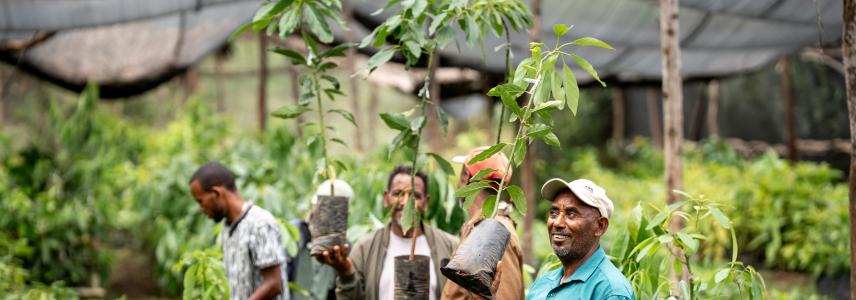
CBI promotes the transition to sustainable production and trade in international value chains of importance to the Netherlands and Europe. The terminology has evolved, with many organisations now referring to International Responsible Business Conduct (RBC), or Corporate Social Responsibility, in relation to sustainability. RBC reflects the global nature of trade, where value chains cross borders and involve multiple countries. Compliance is no longer optional; legislation requires companies to protect human rights and the environment. In this article, CBI’s Senior Sustainability Advisor, Ron van Meer, explains RBC’s impact on SMEs, Dutch importers, and global value chains, and we present practical RBC examples.
Social, environmental and economic sustainability
Since its founding in 1971, CBI has partnered with over 10,000 small to medium-sized enterprises (SMEs) and 250 business support organisations (BSOs) in over 70 low- and middle-income countries. In all of these interactions, we invest deliberately in economic, environmental and social sustainability.
CBI’s approach is based on 3 interconnected pillars: social, environmental and economic sustainability, or people, planet and profit. Economic sustainability ensures long-term business health, while environmental and social sustainability focus on benefiting the planet and its people.
CBI places sustainability at the core of its work for several important reasons:
- SMEs from low- and middle-income countries cannot export to the Netherlands and other European markets if they do not meet European sustainability regulations. Many of these, such as the European Union Deforestation Regulation (EUDR) and the Corporate Sustainability Due Diligence Directive (CSDDD), require substantial effort to comply with.
- Dutch and European consumers, especially younger generations, are increasingly demanding ethical sourcing, transparency, and sustainable products.
- Sustainable business practices strengthen supply chains’ resilience, protecting exporters’ livelihoods and ensuring a reliable supply of goods to the Netherlands and Europe.
Decent work and greening
Economic sustainability is the foundation of CBI’s work in private sector development. We partner with viable businesses as they grow sustainably, increase their competitiveness, and enter international markets. To put social and environmental goals into practice, our projects specifically focus on decent work or green practices.
Decent work includes:
- Labour rights
- Safe and inclusive workplaces
- Fair wages, and
- A future-ready workforce.
Job creation through export-oriented trade is central to CBI’s mission, but quantity alone is not enough. As Ron says, “Many regular jobs today, sadly, do not match our vision of sustainability. That is why we focus on supporting the creation of decent jobs, with special attention to youth and women’s employment. A decent job is productive employment that provides a fair income, safe working conditions, social protection, and equal opportunities, while fully respecting fundamental labour rights and human dignity.”
Greening focuses on:
- Sustainable and climate-smart land use
- Circular production, and
- Reduced emissions.
For example, in Indonesia, CBI encourages collaboration between SMEs and other stakeholders to improve transport efficiency and measure carbon footprints. In Uganda, climate change has made coffee-growing regions drier and hotter. CBI partners with SMEs and other stakeholders in Indonesia to support climate-smart practices, such as shade management and fertiliser use. Efforts also include preventing deforestation and establishing farmer registration systems. Compliance with Europe’s anti-deforestation law (EUDR) helps coffee exporters maintain access to Dutch and European markets.
In both greening and decent work, CBI invests heavily in women and youth, promoting inclusion, equality and opportunity. They play a critical role in achieving systems change and represent a significant and growing share of the workforce in many sectors.
Each CBI project targets one central sustainability challenge related to decent work or greening.
Success story Nigeria: Fairly sourced shea and inclusive business
For SALID Agriculture Nigeria Limited, an SME partner in the past CBI shea project, women developing new professional skills led to higher productivity and higher margins. Additionally, investing in renewable energy opened up new market access.
SALID is an aggregator, processor, and exporter of shea butter. They boost business and, as a result, strengthen communities and preserve natural resources through their efforts to prevent deforestation and their work with women and youth. In addition to their energy- and eco-friendly practices, the firm stands out for its efforts to build a sustainable shea value chain in which women and youth lead as producers, entrepreneurs and decision-makers.
CBI’s project actions
- SALID used CBI’s market intelligence and guidance to meet international export and quality standards and strengthen its operational capacity.
- To strengthen its existing focus on women employees, SALID introduced new inclusive workplace practices, using CBI’s gender-sensitive workshops.
- The firm also enhanced its agroforestry model and developed an operational Environmental, Social and Governance (ESG) policy in partnership with CBI.
SALID’s outcomes
- Over 40,000 women developed skills in financial administration and quality improvement.
- Over 12,000 women are now linked directly to supply chains.
- Over 5,000 shea seedlings have been distributed among women suppliers.
- Numerous women’s cooperatives were pre-financed with capital support for the shea nut supply.
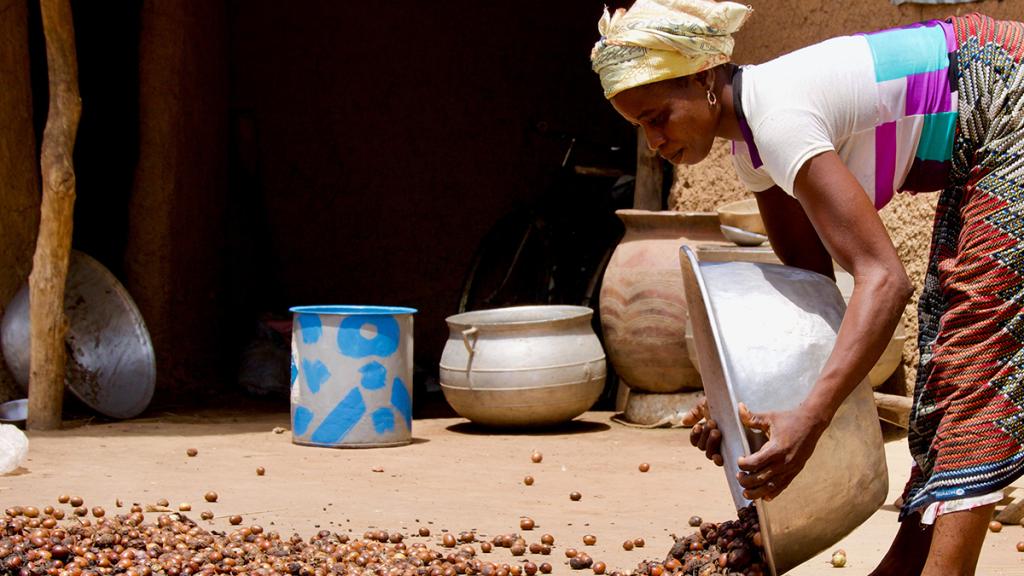
Success story Ethiopia: Sustainable leather pioneer
In the CBI leather project in Ethiopia, Kabana Design stood out. This SME’s story illustrates how a business can push positive change and build a stronger, greener future through integrity, creativity and responsibility. Kabana produces high-end leather bags, fashion accessories, and other durable goods. They upcycle leather waste into finished products.
CBI’s project activities
- In partnership with CBI, Kabana made significant operational improvements by establishing a Code of Conduct, an employee complaint system, and formal policies.
- Kabana implemented employee education to ensure consistent application of these standards throughout the organisation.
- Through this partnership, Kabana completed the ILO-SCORE programme: a global training and advisory initiative of the International Labour Organization (ILO). The programme supports SMEs in low- and middle-income countries to increase their productivity and competitiveness, while improving working conditions and workers' rights. This strengthens Kabana’s alignment with international standards, increasing its chances of achieving sustainable certification.
Kabana’s outcomes
- The working environment became safer and more inclusive, with liveable wages for women.
- Community projects for women and vulnerable groups were launched.
- Kabana partnered with leather suppliers to improve chemical management and reduce water use.
- The company started with active emissions monitoring.
- Kabana won the first edition of CBI’s 2025 Sustainability Award.
- Kabana’s stronger business performance could be linked to gender-inclusive strategies they had rolled out.
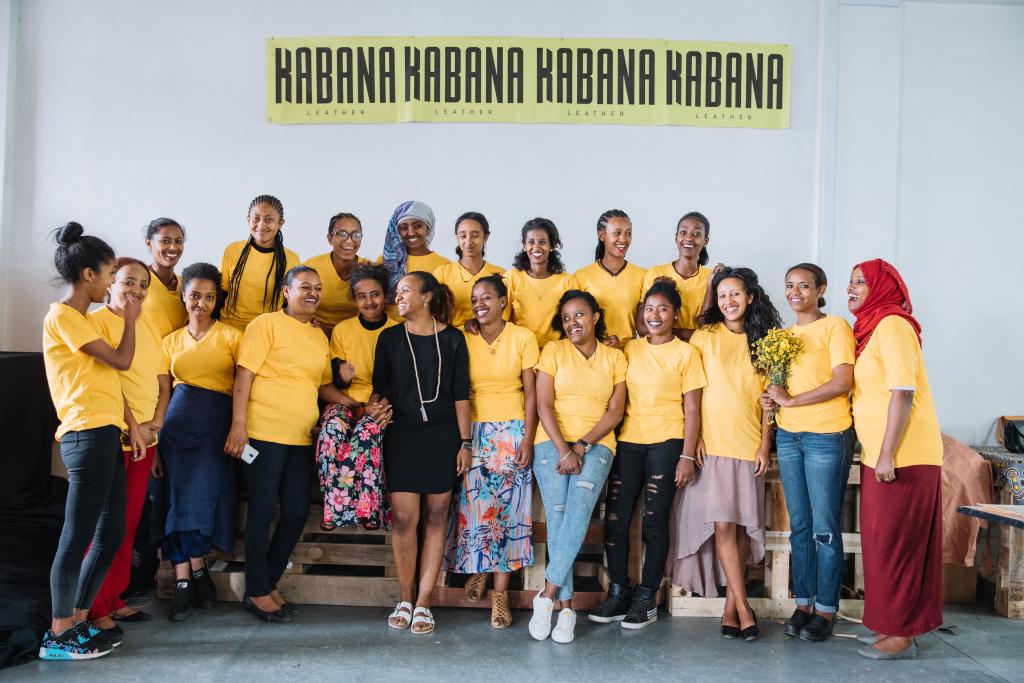
Turning small successes into sector-wide growth
CBI commits to Market Systems Development (MSD). This approach makes its projects both complex and impactful. “We do not just support SMEs in developing exports and RBC. Instead, we ask, ‘Why is this sector struggling to become economically, environmentally, or socially sustainable? Is there a power imbalance in the value chain? Is there extra knowledge to gain?’ We do not exclusively address problems company by company, but we focus on root causes in the sector. We identify these root causes in close collaboration with national service providers, communities, governments, industry associations, national sustainability or RBC experts, and coaches. These are the ecosystems in which SMEs operate. And when frontrunners in these ecosystems lead the way in RBC, together we can share best practices with others across the value chain. This way, individual successes contribute to the sector’s overall progress. This is how we scale impact.” Because CBI is an MSD practitioner, Ron encourages stakeholders in the field to model this approach. “By scaling up together, we can rapidly increase our impact and contribute to a foundation for broad, sustainable and inclusive economic growth.”
Embracing international RBC is an investment in a better future.
Saying yes to the future
Ron believes CBI offers a compelling narrative for SMEs and system stakeholders in low- and middle-income countries. “Embracing international RBC is an investment in a better future,” he states. “Many SMEs still see RBC as just doing good, instead of a strategic tool. For example, by financially supporting a local school. Others feel international standards are a non-tariff trade barrier. It is exciting to see more SMEs and branch or sector organisations recognise RBC as a booster of profitability, future readiness, and climate resilience. RBC is indeed no longer an optional extra; it is a licence to operate. Beyond that, it is an opportunity to stand out and to attract more and better business. Doing good for people and the planet is good for business and for market systems. RBC boosts growth. This is the real impact of our work.”
Success story Kenya: Better nuts, happier people
The Onja Uone story clearly shows why doing good is also good for business. It is a practical example of RBC in action.
Onja Uone, a women-owned company in Kenya that farms and processes macadamia nuts, is actively futureproofing its business. The company connects rural farmers to global value chains, creating stable incomes and improving quality by meeting high international standards.
CBI’s project actions
- In partnership with CBI and Trade Smart Consult, women farmers developed their skills in Good Agricultural Practices (GAP) for macadamia production. The women focused on nutrition, pruning, pest and disease control, and postharvest management.
- To further professionalise their farms, the women farmers completed 2 entrepreneurship sessions.
- On the final day of the project, the women invited their partners or family members to discuss joint financial decision-making for the farm.
Onja Uone’s outcomes
- The number of macadamia trees managed by the participants increased significantly.
- Macadamia cultivation expanded by up to 74%.
- Collaboration and gender equality between women farmers and their household members improved, particularly in decision-making related to farming, income, and family well-being.
- Average crop yields almost doubled, and incomes grew.
Success story Egypt: Clean, green denim
Several European buyers work with Karnak Garments, an Egyptian family-owned company producing high-quality denim. The firm is dedicated to reducing its environmental impact through energy efficiency, waste reduction, and sustainable sourcing. As a multi-certified green producer, Karnak implements effective gender equality policies and social initiatives. Dutch and European buyers and consumers now benefit from its proactive RBC performance.
CBI’s project activities
- In partnership with CBI, Karnak launched several new social initiatives.
- Together, Karnak and CBI carried out interviews to understand employees’ needs and improve employee satisfaction.
Karnak’s outcomes
- The company reduced its environmental impact through energy efficiency, waste reduction, and sustainable sourcing.
- Solid policies are now in place to enhance gender equality in the workplace.
- Numerous social impact initiatives have been started.
- Health and safety policies are in place, based on employee satisfaction metrics.
- Targeted education initiatives have been launched to further develop staff skills and performance, resulting in an impressive 2.3% product defect rate, a 26% reduction in unplanned downtime, and a doubling of daily capacity.
CBI’s unique market Information services
Ron also highlights CBI’s market information services, which are highly appreciated and valued worldwide. “Their value for SMEs in export countries cannot be understated. At the same time, they also offer Dutch importers valuable insights. For example, in RBC trends, and donors in other countries collaborating with CBI can also benefit greatly from this free knowledge base.”
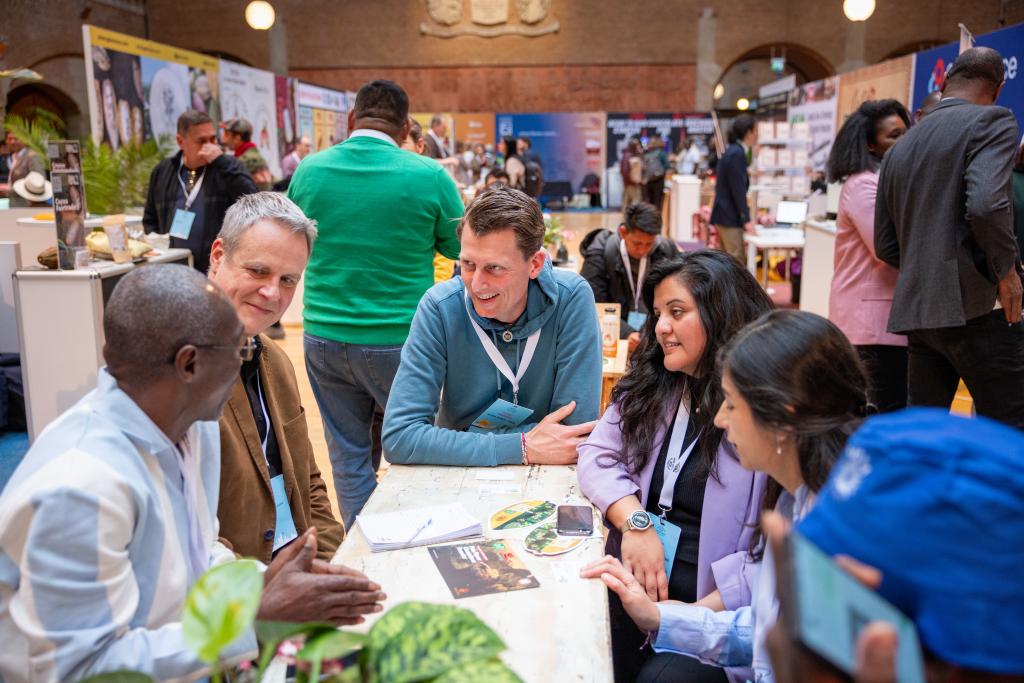
Everyone benefits
By pursuing sustainability through the MSD approach, CBI aims to ensure long-term benefits for all. “Many European sustainability laws and requirements pose big trade barriers for SMEs in low- and middle-income countries. Together, we are turning these barriers into opportunities. That way, all entrepreneurs can compete successfully on the Dutch and other European markets. This will contribute to broad economic, social, and environmental sustainability with strong value chains and resilient sectors. It will stimulate sustainable and inclusive growth, which is a win-win outcome for everyone who depends on international trade. That is the goal behind our motto: Transforming Trade Together”.
Together, we are turning these barriers into opportunities.
Contact
Does your organisation want to access CBI’s unique knowledge, network and experience in RBC? Reach out to us today to explore how we can work together to increase our impact in RBC.